

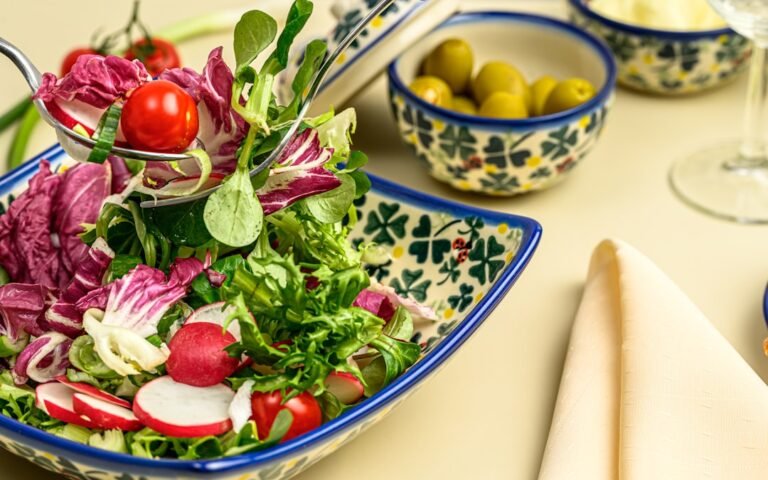
The Mediterranean Diet is more than just a way of eating; it’s a lifestyle that emphasizes the consumption of whole, nutrient-dense foods inspired by the traditional dietary patterns of countries bordering the Mediterranean Sea. This diet is characterized by a high intake of fruits, vegetables, whole grains, legumes, nuts, and seeds, along with healthy fats, particularly olive oil. You’ll also find moderate consumption of fish and poultry, while red meat and sweets are limited.
This approach not only focuses on what you eat but also how you eat, encouraging shared meals and mindful eating practices. At its core, the Mediterranean Diet promotes a balanced and varied diet that is rich in flavor and nutrition. It encourages you to savor your food and enjoy the company of others during meals.
This cultural aspect of dining is just as important as the food itself, fostering a sense of community and connection. By adopting this diet, you’re not just making a change to your plate; you’re embracing a holistic approach to health and well-being that has been celebrated for centuries.
Key Takeaways
- The Mediterranean Diet is a way of eating based on the traditional foods and drinks of the countries surrounding the Mediterranean Sea.
- The Mediterranean Diet has been linked to numerous health benefits, including reduced risk of heart disease, cancer, and diabetes.
- To get started with the Mediterranean Diet, focus on eating plenty of fruits, vegetables, whole grains, and healthy fats like olive oil and nuts.
- The Mediterranean Diet food list includes items such as fish, poultry, beans, and herbs, while limiting red meat and processed foods.
- A sample Mediterranean Diet meal plan might include dishes like Greek salad, grilled fish with lemon and herbs, and fresh fruit for dessert.
Benefits of the Mediterranean Diet
One of the most compelling reasons to consider the Mediterranean Diet is its numerous health benefits. Research has consistently shown that this dietary pattern can lead to improved heart health. The emphasis on healthy fats, particularly from olive oil and fish, helps to lower bad cholesterol levels while raising good cholesterol levels.
This can significantly reduce your risk of heart disease and stroke. Additionally, the abundance of fruits and vegetables provides essential vitamins, minerals, and antioxidants that combat inflammation and oxidative stress in your body. Beyond cardiovascular health, the Mediterranean Diet has been linked to better cognitive function and a lower risk of neurodegenerative diseases such as Alzheimer’s.
The diet’s rich array of nutrients supports brain health, while its anti-inflammatory properties may help protect against cognitive decline. Furthermore, studies suggest that following this diet can aid in weight management and reduce the risk of type 2 diabetes. By focusing on whole foods and healthy fats, you can maintain stable blood sugar levels and feel satisfied longer, making it easier to manage your weight.
Getting Started with the Mediterranean Diet
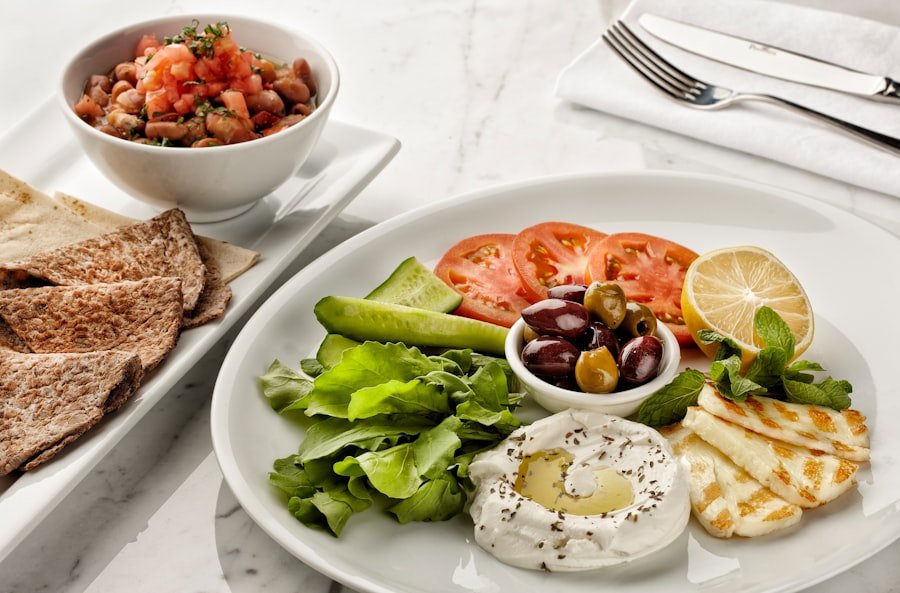
Embarking on the Mediterranean Diet journey can be both exciting and rewarding. To get started, it’s essential to familiarize yourself with the core principles of this dietary pattern. Begin by assessing your current eating habits and identifying areas where you can incorporate more Mediterranean-style foods.
This might mean swapping out processed snacks for fresh fruits or replacing butter with olive oil in your cooking. Gradually introducing these changes will make the transition smoother and more sustainable. Another key aspect of starting the Mediterranean Diet is meal planning.
Take some time each week to plan your meals around seasonal produce and whole foods. This not only helps you stay organized but also encourages you to explore new recipes and flavors. You might find it helpful to create a shopping list based on your meal plan to ensure you have all the necessary ingredients on hand.
Remember, this diet is about enjoying food, so don’t hesitate to experiment with different herbs and spices to enhance your meals.
Mediterranean Diet Food List
| Food Group | Examples |
|---|---|
| Fruits | Apples, oranges, grapes, strawberries |
| Vegetables | Tomatoes, cucumbers, spinach, broccoli |
| Whole Grains | Brown rice, quinoa, whole grain bread |
| Legumes | Chickpeas, lentils, black beans |
| Nuts and Seeds | Almonds, walnuts, chia seeds, flaxseeds |
| Extra Virgin Olive Oil | |
| Fish and Seafood | Salmon, sardines, shrimp, mussels |
| Poultry | Chicken, turkey |
| Dairy | Greek yogurt, feta cheese |
| Herbs and Spices | Garlic, oregano, basil, thyme |
When it comes to the Mediterranean Diet, having a well-rounded food list can guide your grocery shopping and meal preparation. At the foundation of this diet are fruits and vegetables, which should make up a significant portion of your daily intake. Aim for a colorful variety, including leafy greens, tomatoes, peppers, berries, citrus fruits, and more.
Whole grains like quinoa, brown rice, barley, and whole wheat bread are also staples that provide essential fiber and nutrients. In addition to fruits and vegetables, healthy fats play a crucial role in the Mediterranean Diet. Olive oil is the primary source of fat, but you can also include avocados, nuts (such as almonds and walnuts), and seeds (like chia and flaxseeds).
Protein sources should focus on fish and seafood, which are rich in omega-3 fatty acids. Poultry can be consumed in moderation, while red meat should be limited. Lastly, don’t forget about legumes such as lentils and chickpeas; they are excellent sources of plant-based protein and fiber that can help keep you full.
Sample Mediterranean Diet Meal Plan
Creating a sample meal plan can help you visualize how to incorporate the Mediterranean Diet into your daily routine. For breakfast, consider starting your day with Greek yogurt topped with fresh berries and a sprinkle of nuts for added crunch. Pair this with a slice of whole-grain toast drizzled with olive oil or a small serving of avocado for healthy fats.
For lunch, a vibrant salad featuring mixed greens, cherry tomatoes, cucumbers, olives, feta cheese, and grilled chicken can be both satisfying and nutritious. Drizzle it with a homemade vinaigrette made from olive oil and lemon juice for an extra burst of flavor. As for dinner, think about preparing baked salmon with a side of roasted vegetables like zucchini and bell peppers, along with quinoa or brown rice for a wholesome grain option.
Breakfast Ideas for the Mediterranean Diet

Breakfast is an important meal that sets the tone for your day, and there are plenty of delicious options within the Mediterranean Diet framework. One idea is to whip up a vegetable omelet using eggs or egg whites filled with spinach, tomatoes, and feta cheese. Serve it alongside whole-grain toast or a small bowl of fresh fruit for a balanced start.
Another delightful breakfast option is overnight oats made with rolled oats soaked in almond milk or yogurt. You can add toppings like sliced bananas, walnuts, or a drizzle of honey for sweetness. If you prefer something lighter, consider a smoothie made with spinach, banana, Greek yogurt, and a splash of olive oil for healthy fats.
These breakfast ideas not only nourish your body but also keep you energized throughout the morning.
Lunch Ideas for the Mediterranean Diet
When it comes to lunch on the Mediterranean Diet, think fresh and vibrant flavors that are both satisfying and nutritious. A classic option is a Mediterranean grain bowl featuring farro or quinoa topped with roasted vegetables like eggplant and bell peppers, chickpeas for protein, and a dollop of tzatziki sauce for added creaminess. Another great lunch idea is a wrap made with whole-grain pita bread filled with hummus, sliced cucumbers, shredded carrots, mixed greens, and grilled chicken or falafel for protein.
This portable meal is perfect for busy days when you need something quick yet wholesome. Pair it with a side of fresh fruit or a small Greek salad to round out your meal.
Dinner Ideas for the Mediterranean Diet
Dinner is an opportunity to enjoy hearty yet healthy meals that reflect the essence of the Mediterranean lifestyle. One delicious option is grilled shrimp skewers marinated in garlic and lemon juice served alongside a bed of couscous mixed with herbs like parsley and mint. This dish captures the essence of coastal dining while providing plenty of flavor.
Another fantastic dinner idea is ratatouille—a traditional French dish made from stewed vegetables such as zucchini, eggplant, bell peppers, and tomatoes seasoned with herbs like thyme and basil. Serve it over polenta or whole-grain pasta for a comforting yet nutritious meal that embodies the spirit of Mediterranean cooking.
Snack Ideas for the Mediterranean Diet
Snacking can be an enjoyable part of your day when you choose options that align with the Mediterranean Diet principles. Fresh fruit is always a great choice; consider snacking on apple slices drizzled with almond butter or enjoying a handful of grapes or berries for natural sweetness. For something savory, try whole-grain crackers topped with hummus or tzatziki sauce paired with sliced cucumbers or bell peppers.
Nuts are another excellent snack option; just be mindful of portion sizes since they are calorie-dense but packed with healthy fats that keep you satisfied between meals.
Tips for Success on the Mediterranean Diet
To truly thrive on the Mediterranean Diet, consider adopting some practical tips that can enhance your experience. First and foremost, focus on variety—experimenting with different fruits, vegetables, grains, and proteins will keep your meals exciting and prevent monotony. Don’t hesitate to try new recipes or explore local markets for seasonal produce.
Another important tip is to practice mindful eating. Take time to savor each bite without distractions; this not only enhances your enjoyment but also helps you recognize when you’re full. Additionally, consider incorporating physical activity into your daily routine—whether it’s walking after meals or engaging in more structured exercise—as movement is an integral part of the Mediterranean lifestyle.
Printable Mediterranean Diet Meal Plan for Beginners
For those just starting out on their Mediterranean Diet journey, having a printable meal plan can be incredibly helpful in staying organized and motivated. You might create a simple weekly layout that includes breakfast, lunch, dinner, and snacks for each day. This plan can serve as a guide to ensure you’re incorporating a variety of foods while making grocery shopping easier.
Consider including sections for seasonal produce so you can take advantage of fresh ingredients available in your area. By having this meal plan at hand, you’ll find it easier to stick to your goals while enjoying all the delicious flavors that the Mediterranean Diet has to offer. In conclusion, embracing the Mediterranean Diet can lead to numerous health benefits while allowing you to enjoy flavorful meals that nourish both body and soul.
By understanding its principles and incorporating diverse foods into your daily routine, you’ll be well on your way to adopting this enriching lifestyle.