

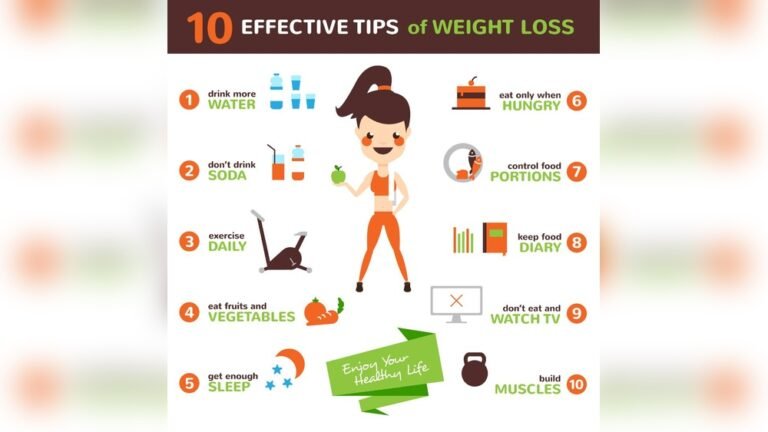
Are you struggling to lose weight despite trying different diets? The secret may lie in your daily eating habits.
By making simple changes to what and how you eat, you can start shedding pounds without feeling deprived or overwhelmed. Imagine feeling fuller for longer, enjoying your meals more, and watching the scale move in your favor—all by adopting easy, effective eating habits.
You’ll discover practical tips that focus on real foods, portion control, and mindful eating. These habits are designed to fit seamlessly into your life and help you reach your weight loss goals faster than you think. Keep reading to transform your relationship with food and unlock the key to lasting weight loss.

Credit: strongwithsarah.com
Choose Whole Foods
Choosing whole foods plays a vital role in reducing weight effectively. Whole foods come in their natural form and contain fewer added ingredients. They provide essential nutrients without extra calories from sugars or unhealthy fats. Eating whole foods helps control hunger and supports steady energy throughout the day.
Focus on fresh, simple ingredients. These keep meals satisfying and healthy. Whole foods also improve digestion and keep your metabolism active. Here are key categories to include in your diet.
Fruits And Vegetables
Fruits and vegetables are low in calories and rich in fiber. Fiber adds bulk to your meals, helping you feel full longer. These foods supply vitamins, minerals, and antioxidants that support overall health. Choose colorful varieties like berries, spinach, carrots, and peppers to get diverse nutrients.
Lean Protein Sources
Lean proteins help build muscle and keep hunger at bay. Include foods like chicken breast, fish, eggs, and legumes. These options are low in fat but high in protein, which boosts metabolism. Protein also aids in repairing tissues and maintaining strength during weight loss.
High-fiber Starchy Foods
High-fiber starches like brown rice, sweet potatoes, and whole-grain bread provide lasting energy. Fiber slows digestion, preventing blood sugar spikes and crashes. These foods add variety and balance to your meals without excess calories. They keep you energized for longer periods.
Healthy Fats
Healthy fats support brain function and hormone balance. Use small amounts of olive oil, nuts, and seeds in your cooking. Fat from fish like salmon is beneficial for heart health. Avoid trans fats and limit saturated fats to reduce calorie intake and improve wellness.
Stay Hydrated
Water is essential for weight loss and overall health. Drinking enough fluids helps control appetite and boosts metabolism. Sometimes thirst feels like hunger, leading to unnecessary snacking. Aim to drink water regularly throughout the day, especially before meals.
Credit: www.businessinsider.com
Limit Processed Foods
Processed foods often contain hidden ingredients that hinder weight loss. They usually have extra sugars, unhealthy fats, and high sodium. These components can increase calorie intake without providing real nutrition. Limiting processed foods helps control calorie consumption and supports better eating habits. Focus on fresh, whole foods to nourish your body and reduce weight effectively.
Reduce Added Sugar
Added sugars add many empty calories. They cause blood sugar spikes and increase fat storage. Avoid sweets, sugary drinks, and desserts. Choose natural sugars from fruits instead. Reading labels helps spot hidden sugars in many packaged foods.
Avoid High-sodium And High-fat Items
High sodium causes water retention and bloating. Processed snacks, canned soups, and fast foods often contain too much salt. Saturated and trans fats raise bad cholesterol and harm heart health. Check Nutrition Facts to pick products with less sodium and unhealthy fats.
Select Low-fat Dairy
Full-fat dairy has more calories and fat. Low-fat or fat-free dairy options reduce calorie intake. They provide protein and calcium without extra fat. Choose skim milk, low-fat yogurt, and reduced-fat cheese for a healthier diet.
Practice Mindful Eating
Practicing mindful eating helps reduce weight by increasing awareness of food choices and eating behaviors. It encourages paying close attention to hunger cues and the eating experience itself. This habit supports better digestion and prevents overeating. Mindful eating can transform meals into a focused, calm activity rather than a rushed or distracted routine.
Control Portion Sizes
Portion control is key to managing calorie intake. Use smaller plates to naturally limit food amounts. Measure servings to avoid eating too much. Eating just enough helps prevent excess weight gain.
Cook At Home
Preparing meals at home allows control over ingredients. Choose fresh, whole foods instead of processed items. Cooking at home reduces added sugars and unhealthy fats. It also helps control salt levels, making meals healthier.
Eliminate Distractions
Turn off screens during meals to focus on eating. Distractions cause mindless eating and overconsumption. Eating without distractions helps recognize fullness signals. This practice prevents eating more than the body needs.
Chew Slowly
Chewing food slowly aids digestion and flavor enjoyment. It gives the brain time to register fullness. Eating slowly reduces calorie intake naturally. This simple step supports weight loss and healthier eating habits.
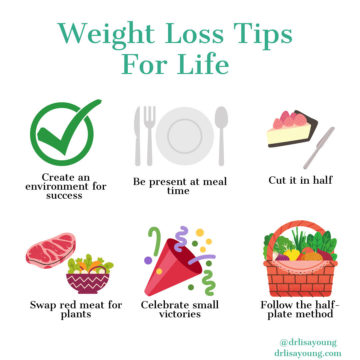
Credit: drlisayoung.com
Use Smart Strategies
Using smart strategies makes weight loss easier and more effective. Small changes in eating habits can create big results. Understanding food choices helps control calorie intake. Combining good eating with physical activity boosts weight loss. Here are key tactics to help you eat smarter and lose weight.
Read Nutrition Labels
Nutrition labels reveal important information about food. Check calories, fat, sugar, and sodium content. Choose foods with fewer calories and less added sugar. Look for high fiber and protein to feel full longer. Avoid products with trans fats and too much salt. Reading labels helps make healthier choices every time.
Swap Ingredients For Healthier Options
Replace unhealthy ingredients with better alternatives. Use Greek yogurt instead of sour cream. Choose whole wheat bread instead of white bread. Swap sugary drinks for water or herbal tea. Use olive oil instead of butter for cooking. These small swaps reduce calories and improve nutrition without losing taste.
Incorporate Physical Activity
Physical activity supports weight loss and health. Aim for at least 30 minutes of moderate exercise daily. Walk, bike, or do simple home workouts. Activity burns calories and builds muscle. Combine regular exercise with smart eating habits for best results. Moving more helps keep the weight off long term.
Conclusion
Healthy eating habits support steady and lasting weight loss. Choose whole foods and control your portions daily. Drink enough water to stay hydrated and feel full. Avoid processed foods and added sugars for better results. Mindful eating helps you enjoy food and prevents overeating.
Combine these habits with regular activity for best outcomes. Small changes can lead to big improvements over time. Keep consistent and patient—your efforts will pay off.