
Eating To Build Muscle And Lose Fat
Most people dream of having a body that is both strong and lean. Building muscle and losing fat at the same time seems confusing for many, but it is possible with the right eating habits. If you want to change your body shape, boost your energy, and improve your health, understanding what and how to eat is essential.
This guide will walk you through everything you need to know about eating to build muscle and lose fat, using clear language and practical tips.
The Basics: Muscle Gain And Fat Loss
Many believe you must choose between gaining muscle or losing fat. However, with a smart eating plan, you can work towards both. Muscle is built when you give your body enough nutrients and resistance exercise. Fat is lost when you burn more energy than you take in.
The trick is to find a balance where your body builds muscle but does not store extra fat.
To do this, you need to pay attention to calories, protein, carbs, fats, meal timing, and more. Each part plays an important role in your results.
Understanding Calories And Energy Balance
Every day, your body uses energy for breathing, moving, and thinking. This energy comes from food and is measured in calories. If you eat more calories than your body needs, you gain weight. If you eat less, you lose weight. But to build muscle and lose fat, you must find the right balance.
Calculating Your Calorie Needs
Start by knowing your Total Daily Energy Expenditure (TDEE). This is the number of calories you burn in a day, including exercise. You can estimate it using online calculators or the formula below:
- Men: TDEE = (10 x weight in kg) + (6.25 x height in cm) – (5 x age in years) + 5
- Women: TDEE = (10 x weight in kg) + (6.25 x height in cm) – (5 x age in years) – 161
Multiply this number by an activity factor:
- Sedentary (little exercise): X1.2
- Lightly active: X1.375
- Moderately active: X1.55
- Very active: X1.725
Once you know your TDEE:
- To lose fat, eat about 200–500 calories less than your TDEE.
- To build muscle, stay at your TDEE or slightly above.
For recomposition (building muscle and losing fat), a small calorie deficit (about 300–400 calories below TDEE) often works best, especially if you are new to strength training.
Why Not Cut Calories Too Much?
Eating too few calories can cause muscle loss, slow your metabolism, and make you feel tired. It is better to be patient and aim for slow, steady progress.
Credit: www.youtube.com
Protein: The Muscle-building Nutrient
Protein is the main building block for muscles. Without enough protein, your body cannot repair or grow muscle tissue, especially when you are losing fat.
How Much Protein Do You Need?
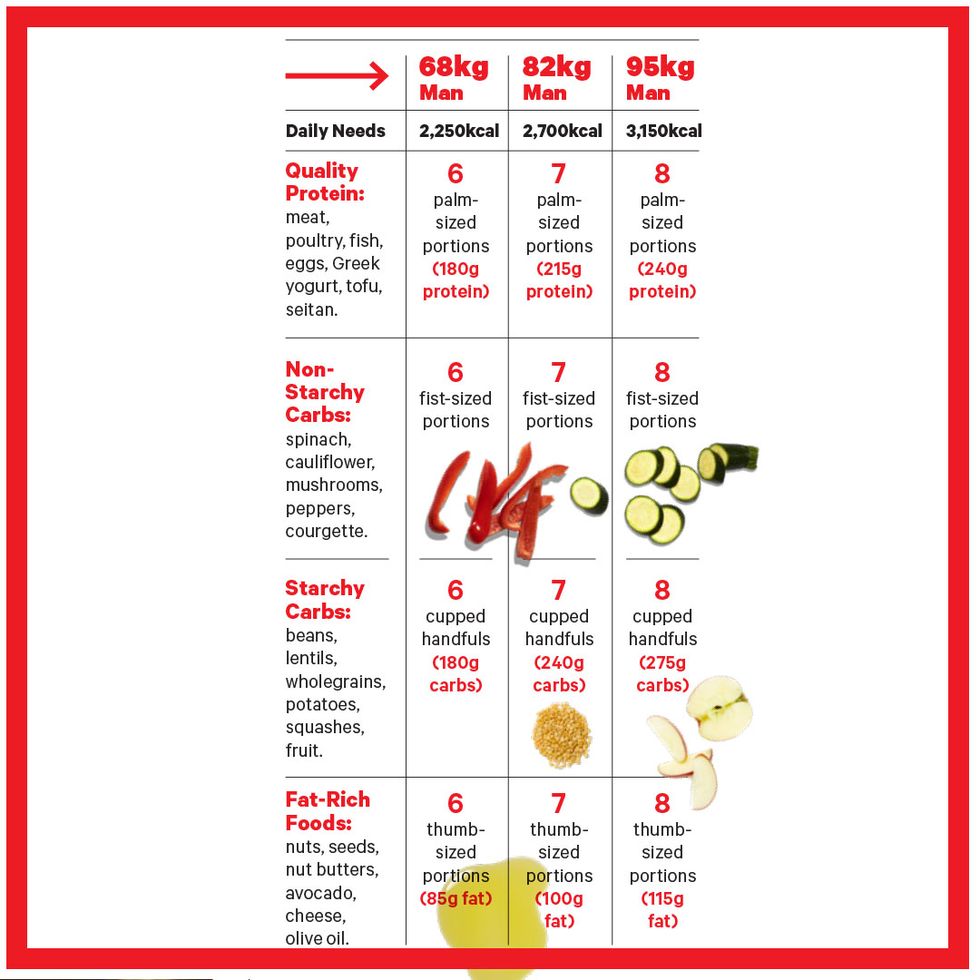
Most experts recommend 1. 6–2. 2 grams of protein per kilogram of body weight each day for muscle growth. For example, if you weigh 70 kg, eat about 112–154 grams of protein daily.
Best Protein Sources
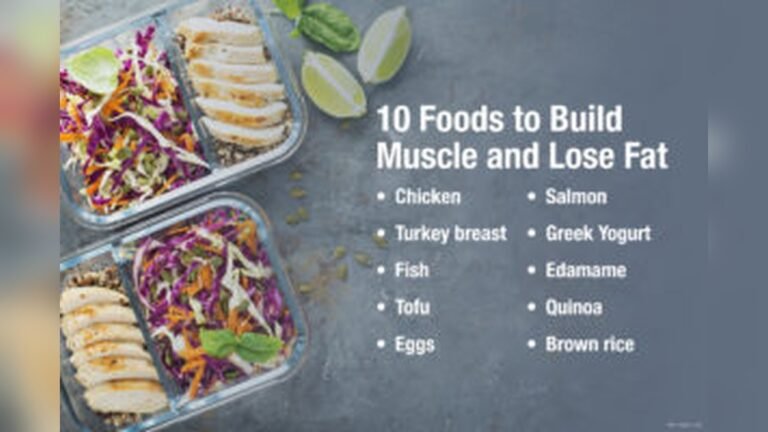
- Animal Proteins: Chicken breast, lean beef, eggs, Greek yogurt, fish, cottage cheese
- Plant Proteins: Lentils, chickpeas, tofu, tempeh, quinoa, beans
Try to include protein in every meal and snack. This helps keep your muscles fed and reduces hunger.
Common Protein Mistakes
- Eating most protein at dinner only
- Relying only on shakes instead of whole foods
- Not counting protein in snacks
Carbohydrates: Fuel For Performance
Carbohydrates are your body’s main source of quick energy. They help you train harder and recover faster. Many people avoid carbs when trying to lose fat, but this can hurt your muscle gains and performance.
How Many Carbs Do You Need?
The right amount depends on your activity level. For most people wanting to build muscle and lose fat, aim for 2–3 grams of carbs per kilogram of body weight per day.
Best Carb Choices
- Whole grains: Oats, brown rice, quinoa, whole-wheat bread
- Starchy vegetables: Potatoes, sweet potatoes, corn
- Fruits: Bananas, berries, apples, oranges
- Legumes: Beans, lentils
Choose carbs that are high in fiber for better digestion and longer-lasting energy.
When To Eat Carbs
Eating carbs before and after workouts helps fuel your performance and recovery. Try to eat 1–2 hours before training and soon after you finish.
Credit: www.menshealth.com
Fats: Essential For Hormones And Health
Many are afraid of fat, but healthy fats are vital for hormone production, brain function, and absorbing vitamins. The key is choosing the right types and not overdoing it.
How Much Fat Do You Need?
About 20–30% of your daily calories should come from fat. For a 2,000-calorie diet, this is 44–66 grams per day.
Best Fat Sources
- Unsaturated fats: Olive oil, avocados, nuts, seeds
- Omega-3s: Fatty fish (salmon, sardines), chia seeds, flaxseeds
- Limit: Butter, processed meats, fried foods
Fat Myths
- Eating fat does not directly make you fat.
- Low-fat diets can harm hormone levels and reduce muscle growth.
Meal Timing And Frequency
When you eat can influence how your body builds muscle and burns fat, but it is not as important as total calories and nutrients. Still, smart meal timing can help you feel better and perform your best.
How Many Meals Per Day?
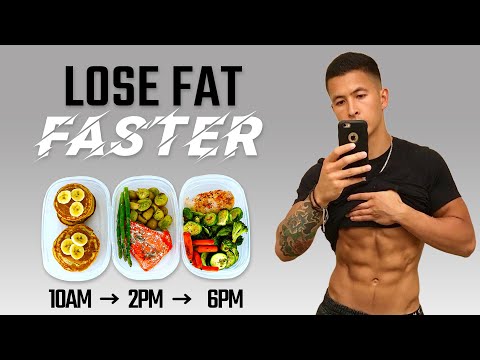
Most people do well with 3–5 meals per day, including snacks. The main thing is to spread protein evenly to keep your body supplied with amino acids.
Pre-workout Nutrition
Eat a meal with carbs and protein 1–2 hours before training. For example, chicken and rice or Greek yogurt with fruit.
Post-workout Nutrition
After training, eat protein and carbs to help muscle repair. A protein shake with a banana or a tuna sandwich works well.
Night Eating
Eating protein before bed, like cottage cheese or a casein shake, can help muscle repair overnight.
Comparing Common Diet Approaches
Many diets promise to help you build muscle and lose fat. Let’s compare three popular approaches to see their strengths and weaknesses.
| Diet Type | Muscle Gain | Fat Loss | Ease of Use | Best For |
|---|---|---|---|---|
| High Protein, Moderate Carbs | Excellent | Good | Simple | Most people |
| Low Carb/Keto | Okay | Fast (initially) | Harder to follow | Quick fat loss, not max muscle gain |
| Intermittent Fasting | Good | Good | Flexible | Busy people, appetite control |
Insight: Many beginners jump to trendy diets but forget to focus on enough protein and calories. This mistake can slow progress.
Sample Eating Plan For Muscle Gain And Fat Loss
It helps to see what a day of eating might look like for someone aiming to build muscle and lose fat. Here is a sample plan for a 70 kg person eating about 2,000 calories.
Breakfast
- 3 eggs scrambled with spinach and tomatoes
- 2 slices whole wheat toast
- 1 apple
Snack
- Greek yogurt (200g) with berries
Lunch
- Grilled chicken breast (150g)
- Brown rice (1 cup cooked)
- Steamed broccoli
Snack
- Handful of almonds
- Banana
Dinner
- Baked salmon (150g)
- Quinoa (1 cup cooked)
- Mixed salad with olive oil
Before Bed
- Cottage cheese (100g)
- Small handful of walnuts
This plan includes protein at each meal, healthy fats, and a good mix of carbs.
Tip: Adjust portion sizes and foods to fit your tastes, but keep the focus on protein and whole foods.
Supplements: Do You Need Them?
Supplements are popular, but they are not magic. Food should come first. However, some supplements can help if you have gaps in your diet.
Useful Supplements
- Whey Protein: Easy way to get more protein, especially after workouts
- Creatine Monohydrate: Helps improve strength, muscle size, and recovery
- Fish Oil (Omega-3): Supports heart health and reduces inflammation
- Vitamin D: Important if you get little sunlight
- Multivitamin: Fills small nutrient gaps
What To Avoid
- Fat burners: Often contain caffeine and do not burn much fat
- Test boosters: Usually ineffective for most people
Insight: Supplements only work well if your eating and training are already solid. They cannot fix a poor diet.
Tracking Progress: What Really Matters
Many people focus only on the number on the scale. But muscle weighs more than fat. You may get leaner and stronger even if your weight stays the same.
Good Ways To Track Progress
- Take photos every 2–4 weeks
- Measure waist, hips, arms, and chest
- Notice how your clothes fit
- Track gym performance (weight lifted, reps)
Example: Scale Weight Vs. Body Composition
Suppose you lose 2 kg of fat and gain 2 kg of muscle. The scale does not change, but you look and feel much better.
| Measurement | Before | After |
|---|---|---|
| Weight | 80 kg | 80 kg |
| Body Fat % | 25% | 20% |
| Waist | 90 cm | 84 cm |
| Bench Press | 60 kg x 8 reps | 70 kg x 8 reps |
Focus on how you look, feel, and perform—not just the scale.
Mistakes That Kill Results
Even with the best intentions, some errors can stop progress. Here are the most common mistakes and how to avoid them.
- Not eating enough protein: The most important for muscle.
- Cutting calories too much: Causes muscle loss and low energy.
- Skipping meals: Makes it hard to get enough nutrients.
- Relying on supplements instead of food: Real food is better for health and results.
- Not tracking progress: Hard to know what works.
- Changing plans too often: Stick with a plan for at least 8–12 weeks.
- Not lifting heavy enough: You need to challenge your muscles.
Insight: Beginners often focus on cardio for fat loss, but strength training is key to building and keeping muscle.
Special Considerations: Gender, Age, And Experience
Your needs may change based on your gender, age, and training history.
For Women
Women can build muscle and lose fat just like men. They do not need special diets. However, women may need more iron and calcium and may find it harder to gain muscle quickly due to lower testosterone.
For Older Adults
Building muscle and losing fat is possible at any age. Older adults should focus even more on protein and strength training to prevent muscle loss.
For Beginners
New to exercise? You can see fast changes at first, even with a small calorie deficit. Focus on building healthy eating and exercise habits.
Eating Out And Social Events
Staying on track can be tough when eating out or at parties. Here are some tips:
- Check menus in advance and pick lean protein and veggies
- Ask for dressings and sauces on the side
- Watch out for fried foods and large portions
- Eat a healthy snack before you go
- Enjoy treats in small amounts—one meal will not ruin your progress
Hydration And Its Role
Water is often forgotten, but it is vital for muscle building and fat loss. Dehydration can reduce strength, cause hunger, and slow fat loss.
- Aim for 2–3 liters per day, more if you sweat a lot
- Drink water before meals to help control appetite
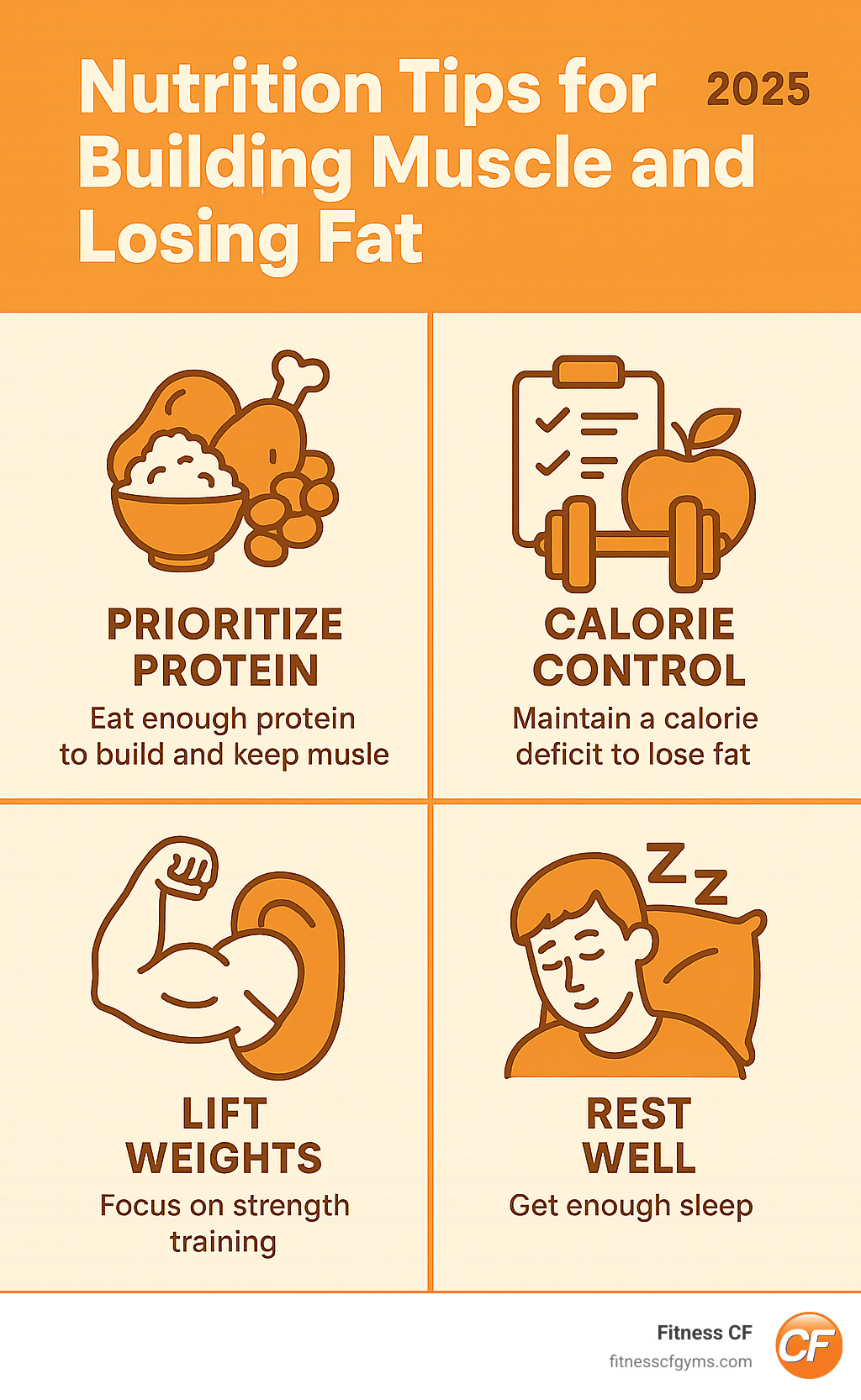
Credit: fitnesscfgyms.com
The Role Of Exercise
While this guide focuses on eating, your results will be much better if you combine a good diet with strength training and some cardio.
- Strength training 3–5 times a week helps build muscle
- Short, intense cardio can boost fat loss without risking muscle
Advanced Strategies
Some advanced eaters use extra methods to fine-tune their results.
Carb Cycling
This means eating more carbs on training days and fewer on rest days. It can help keep energy high for workouts and support fat loss.
Refeeds
A refeed is a planned day where you eat more carbs and calories. It helps reset your metabolism and gives you a mental break from dieting. Use these only if you have been dieting for several weeks.
Tracking Macros
Serious athletes sometimes count all their protein, carbs, and fats (macros) to get precise results. Apps can help, but it is not needed for everyone.
Common Questions And Myths
- You must eat every 2–3 hours: Not true. Total calories and protein matter more.
- You cannot build muscle and lose fat at the same time: Possible, especially for beginners and those returning to training.
- Carbs are bad: Carbs are important for energy and muscle gain.
Real-life Example: Transformation Story
Maria was a 35-year-old office worker who wanted to change her body. She started eating more protein, added strength training, and reduced junk food. In 6 months, Maria lost 8 kg of fat and gained 3 kg of muscle. Her energy went up, and her clothes fit better, even though the scale did not change as much as she expected.
Insight: Small, consistent changes over time matter most.
Key Nutrients To Watch
Some vitamins and minerals are especially important when eating for muscle gain and fat loss.
| Nutrient | Why Important | Best Sources |
|---|---|---|
| Iron | Oxygen transport, energy | Red meat, beans, spinach |
| Calcium | Bone health, muscle function | Dairy, leafy greens, almonds |
| Magnesium | Muscle contraction, sleep | Nuts, whole grains, dark chocolate |
| Vitamin D | Bone, immune health | Sunlight, fatty fish, eggs |
| Potassium | Muscle and nerve health | Bananas, potatoes, beans |
If you do not get enough from food, talk to a doctor about adding a supplement.
Staying Motivated And Consistent
Changing your body takes time. Here’s how to stay motivated:
- Set small, clear goals (e.g., “I will eat protein at every meal this week”)
- Track progress with photos, not just the scale
- Celebrate wins, even if they are small
- Remember, one bad day will not ruin your results—get back on track quickly
When To Ask For Help
If you feel stuck, consider asking a coach, dietitian, or trainer for advice. They can help you personalize your plan, fix mistakes, and keep you accountable.
Further Learning
If you want to dive deeper, check out resources like the Body Recomposition Wikipedia page for science-backed information.
Frequently Asked Questions
What Is The Best Diet To Build Muscle And Lose Fat?
There is no single “best” diet, but a high-protein diet with moderate carbs and healthy fats works for most people. Focus on whole foods, enough calories, and consistent strength training.
How Fast Can I See Results?
Most people notice changes in 4–8 weeks, but visible results may take 3–6 months. Progress depends on your starting point, consistency, and effort.
Should I Use Supplements?
Supplements like whey protein and creatine can help, but they are not required. Food is most important. Only add supplements if you have gaps in your diet or need extra support.
Can I Eat Carbs And Still Lose Fat?
Yes. Carbs fuel your workouts and help build muscle. Choose whole, high-fiber carbs and watch your total calorie intake.
How Do I Know If I Am Losing Fat Or Muscle?
Track body measurements, strength, and photos. If you are getting stronger and measurements improve, you are likely losing fat and gaining or keeping muscle.
Eating for muscle gain and fat loss is not about strict rules or quick fixes. It is about creating habits that you can keep for life. With the right approach, patience, and consistency, you can transform your body and health for the better.