

When you think about healthy eating, the Mediterranean diet often comes to mind as a shining example. This dietary pattern, rooted in the traditional eating habits of countries bordering the Mediterranean Sea, is not just a meal plan; it’s a lifestyle that promotes overall well-being. By focusing on whole foods, healthy fats, and a variety of plant-based ingredients, you can experience numerous health benefits.
Research has shown that adhering to this diet can lead to improved heart health, reduced risk of chronic diseases, and even enhanced cognitive function. Incorporating elements of the Mediterranean diet into your daily routine can also help you maintain a healthy weight. The emphasis on fresh fruits, vegetables, whole grains, and lean proteins means you are consuming nutrient-dense foods that keep you satiated without excessive calories.
Additionally, the inclusion of healthy fats, such as olive oil and nuts, provides essential fatty acids that support brain health and reduce inflammation. By embracing this way of eating, you are not only nourishing your body but also fostering a sustainable approach to health that can last a lifetime.
Key Takeaways
- The Mediterranean diet is associated with numerous health benefits, including reduced risk of heart disease and improved cognitive function.
- Vegetables play a crucial role in the Mediterranean diet, providing essential nutrients, fiber, and antioxidants.
- To incorporate more vegetables into your Mediterranean diet, focus on adding a variety of colorful and seasonal options to your meals.
- Traditional Mediterranean cuisine relies heavily on vegetables, using them in dishes such as ratatouille, Greek salad, and stuffed peppers.
- When choosing and preparing vegetables for the Mediterranean diet, opt for fresh, local, and seasonal options to maximize flavor and nutritional value.
The Importance of Vegetables in the Mediterranean Diet
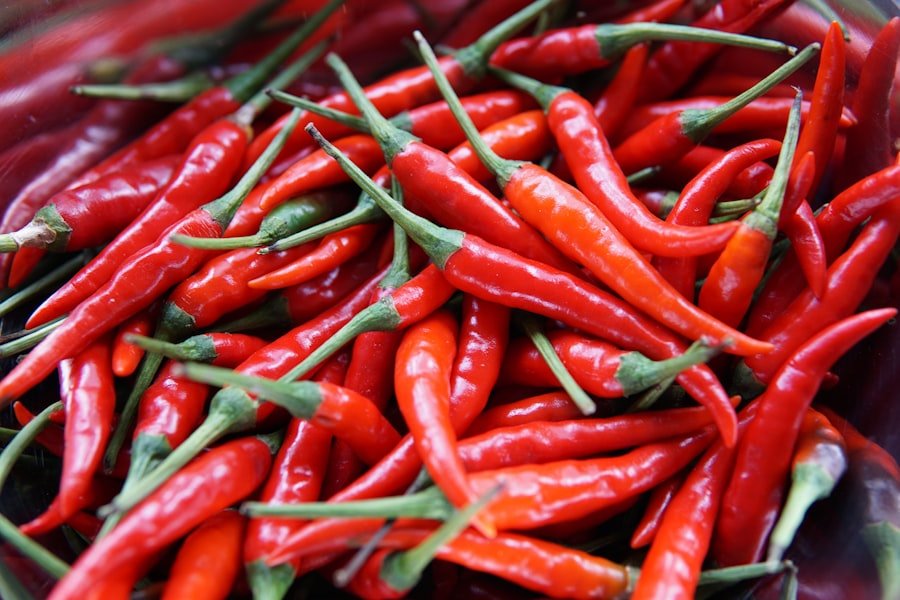
Vegetables are the cornerstone of the Mediterranean diet, playing a crucial role in its health benefits and culinary appeal. When you fill your plate with a colorful array of vegetables, you are not only enhancing the visual appeal of your meals but also maximizing their nutritional value. Leafy greens, tomatoes, peppers, and eggplants are just a few examples of the vibrant produce that characterizes this diet.
These vegetables are packed with vitamins, minerals, and antioxidants that contribute to overall health and well-being. Moreover, the Mediterranean diet encourages you to consume vegetables in various forms—raw, roasted, grilled, or sautéed—allowing for endless culinary creativity. This versatility means you can enjoy your favorite vegetables in numerous ways while reaping their health benefits.
By prioritizing vegetables in your meals, you are also promoting digestive health through increased fiber intake, which is essential for maintaining a healthy gut and preventing chronic diseases.
How to Incorporate More Vegetables into Your Mediterranean Diet
Incorporating more vegetables into your Mediterranean diet can be both enjoyable and rewarding. Start by making vegetables the star of your meals rather than just a side dish. For instance, consider preparing a hearty ratatouille or a vibrant vegetable paella that showcases seasonal produce.
By doing so, you not only increase your vegetable intake but also create delicious meals that are satisfying and nutritious. Another effective strategy is to experiment with different cooking methods and flavor combinations. Roasting vegetables with herbs and spices can enhance their natural sweetness and create a delightful caramelization that elevates any dish.
You might also try adding vegetables to your favorite recipes—think spinach in your omelet or zucchini in your pasta sauce. By being creative and adventurous in the kitchen, you can easily incorporate more vegetables into your Mediterranean meals while keeping things exciting.
The Role of Vegetables in Traditional Mediterranean Cuisine
| Vegetable | Nutritional Value | Common Dishes |
|---|---|---|
| Tomatoes | High in vitamin C and antioxidants | Greek salad, Caprese salad |
| Eggplant | Good source of fiber and vitamins | Moussaka, Baba ghanoush |
| Zucchini | Low in calories and high in vitamin A | Stuffed zucchini, Zucchini fritters |
| Artichokes | Rich in fiber and antioxidants | Grilled artichokes, Artichoke dip |
Traditional Mediterranean cuisine is rich in flavors and textures, largely due to the prominent role that vegetables play in its dishes. From Greek salads bursting with fresh cucumbers and tomatoes to Italian minestrone soup filled with seasonal produce, vegetables are integral to the culinary identity of this region. They not only provide essential nutrients but also contribute to the unique taste profiles that define Mediterranean cooking.
In many Mediterranean cultures, meals are often centered around vegetables, showcasing their importance in daily life. For example, in Spain, tapas often feature an array of vegetable-based dishes like escalivada or pisto. Similarly, in Italy, antipasti platters highlight marinated vegetables alongside cheeses and cured meats.
By embracing these traditional practices, you can deepen your appreciation for the role of vegetables in Mediterranean cuisine while enjoying their myriad health benefits.
Tips for Choosing and Preparing Vegetables in the Mediterranean Diet
When it comes to choosing vegetables for your Mediterranean diet, freshness is key. Opt for seasonal produce whenever possible, as it tends to be more flavorful and nutrient-rich. Visiting local farmers’ markets or joining a community-supported agriculture (CSA) program can help you discover new varieties while supporting local agriculture.
Additionally, selecting organic options can reduce your exposure to pesticides and enhance the quality of your meals. Preparation methods also play a significant role in maximizing the health benefits of vegetables. Steaming or lightly sautéing vegetables preserves their nutrients while enhancing their flavors.
You might also consider incorporating raw vegetables into your meals through salads or crudité platters for added crunch and freshness. By being mindful of how you choose and prepare your vegetables, you can elevate your Mediterranean diet while ensuring you receive all the nutritional benefits they offer.
The Variety of Vegetables in the Mediterranean Diet
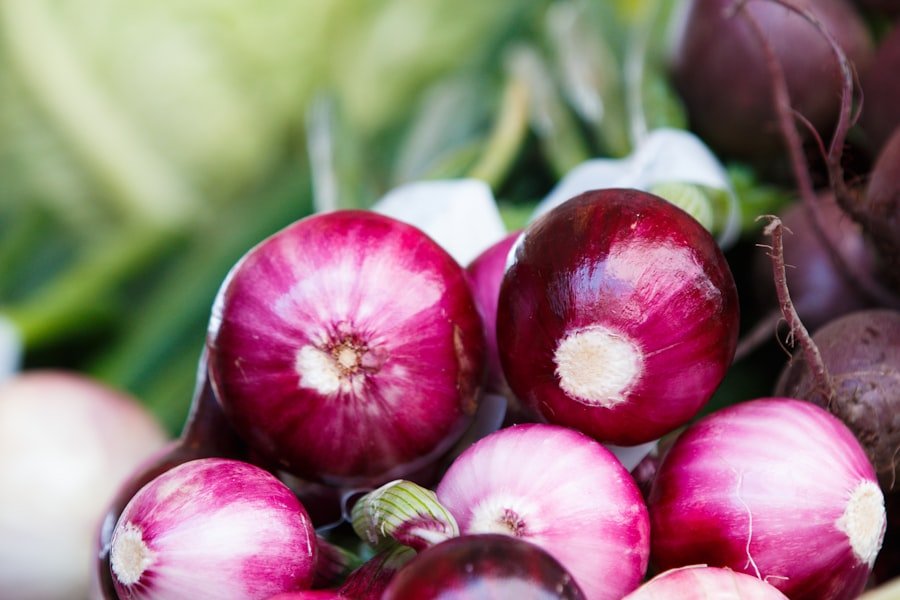
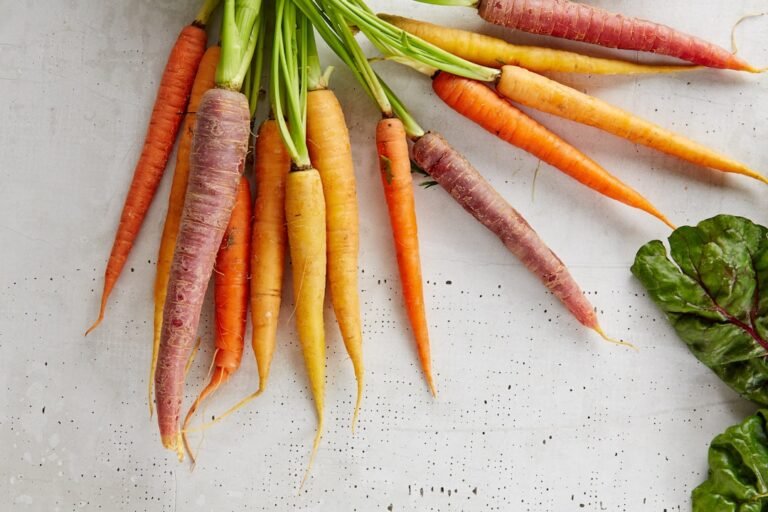
One of the most appealing aspects of the Mediterranean diet is its incredible variety of vegetables. From leafy greens like kale and arugula to root vegetables such as carrots and beets, there is no shortage of options to explore. This diversity not only keeps your meals interesting but also ensures that you receive a wide range of nutrients essential for optimal health.
Incorporating different colors and types of vegetables into your diet can help you achieve a balanced intake of vitamins and minerals. For instance, dark leafy greens are rich in iron and calcium, while orange-hued vegetables like carrots and sweet potatoes provide beta-carotene. By embracing this variety, you can create visually stunning dishes that are as nutritious as they are delicious.
The Nutritional Value of Different Vegetables in the Mediterranean Diet
Each vegetable brings its own unique set of nutritional benefits to the table. For example, tomatoes are an excellent source of lycopene, an antioxidant linked to reduced risk of certain cancers. Bell peppers are packed with vitamin C, which supports immune function and skin health.
Leafy greens like spinach and Swiss chard are loaded with vitamins A, C, and K, as well as essential minerals like magnesium and potassium. By understanding the nutritional value of different vegetables within the Mediterranean diet, you can make informed choices about what to include in your meals. This knowledge empowers you to create balanced dishes that not only taste great but also support your overall health goals.
Embracing Seasonal and Local Vegetables in the Mediterranean Diet
Embracing seasonal and local vegetables is a fundamental aspect of the Mediterranean diet that enhances both flavor and sustainability. When you choose produce that is in season, you benefit from peak freshness and taste while supporting local farmers and reducing your carbon footprint. Seasonal eating encourages you to explore new ingredients throughout the year, fostering a deeper connection with your food.
Incorporating local vegetables into your meals can also inspire creativity in the kitchen. You might discover unique varieties that are specific to your region or experiment with traditional recipes that highlight seasonal produce. By prioritizing local ingredients, you not only enjoy better-tasting meals but also contribute to a more sustainable food system.
The Environmental Impact of Embracing Vegetables in the Mediterranean Diet
Adopting a Mediterranean diet rich in vegetables has positive implications for the environment as well. Plant-based diets generally have a lower carbon footprint compared to those high in animal products. By focusing on vegetables as a primary source of nutrition, you contribute to reduced greenhouse gas emissions associated with livestock farming.
Additionally, choosing locally sourced vegetables minimizes transportation emissions and supports sustainable agricultural practices. By embracing this approach to eating, you not only nourish your body but also play a part in promoting environmental sustainability for future generations.
Embracing Vegetarian and Vegan Options in the Mediterranean Diet
The Mediterranean diet naturally lends itself to vegetarian and vegan options due to its emphasis on plant-based foods. You can easily create satisfying meals without meat by focusing on legumes, grains, nuts, seeds, and an abundance of vegetables. Dishes like lentil soup or chickpea salad exemplify how flavorful and nutritious vegetarian options can be within this dietary framework.
By exploring vegetarian and vegan recipes inspired by traditional Mediterranean cuisine, you can enjoy diverse flavors while reaping the health benefits associated with plant-based eating. This flexibility allows you to tailor your diet according to personal preferences while still embracing the core principles of the Mediterranean lifestyle.
Overcoming Barriers to Embracing Vegetables in the Mediterranean Diet
While incorporating more vegetables into your Mediterranean diet is beneficial, it’s not always easy due to various barriers such as time constraints or lack of knowledge about preparation methods. To overcome these challenges, consider meal prepping at the beginning of each week to ensure you have ready-to-eat vegetables on hand for quick meals or snacks. Additionally, educating yourself about different cooking techniques can empower you to experiment with new recipes confidently.
Online resources, cookbooks, or cooking classes focused on Mediterranean cuisine can provide valuable insights into how to prepare delicious vegetable-based dishes that fit seamlessly into your lifestyle. By addressing these barriers head-on and making small adjustments to your routine, you can successfully embrace more vegetables in your Mediterranean diet while enjoying all the associated health benefits they offer.