

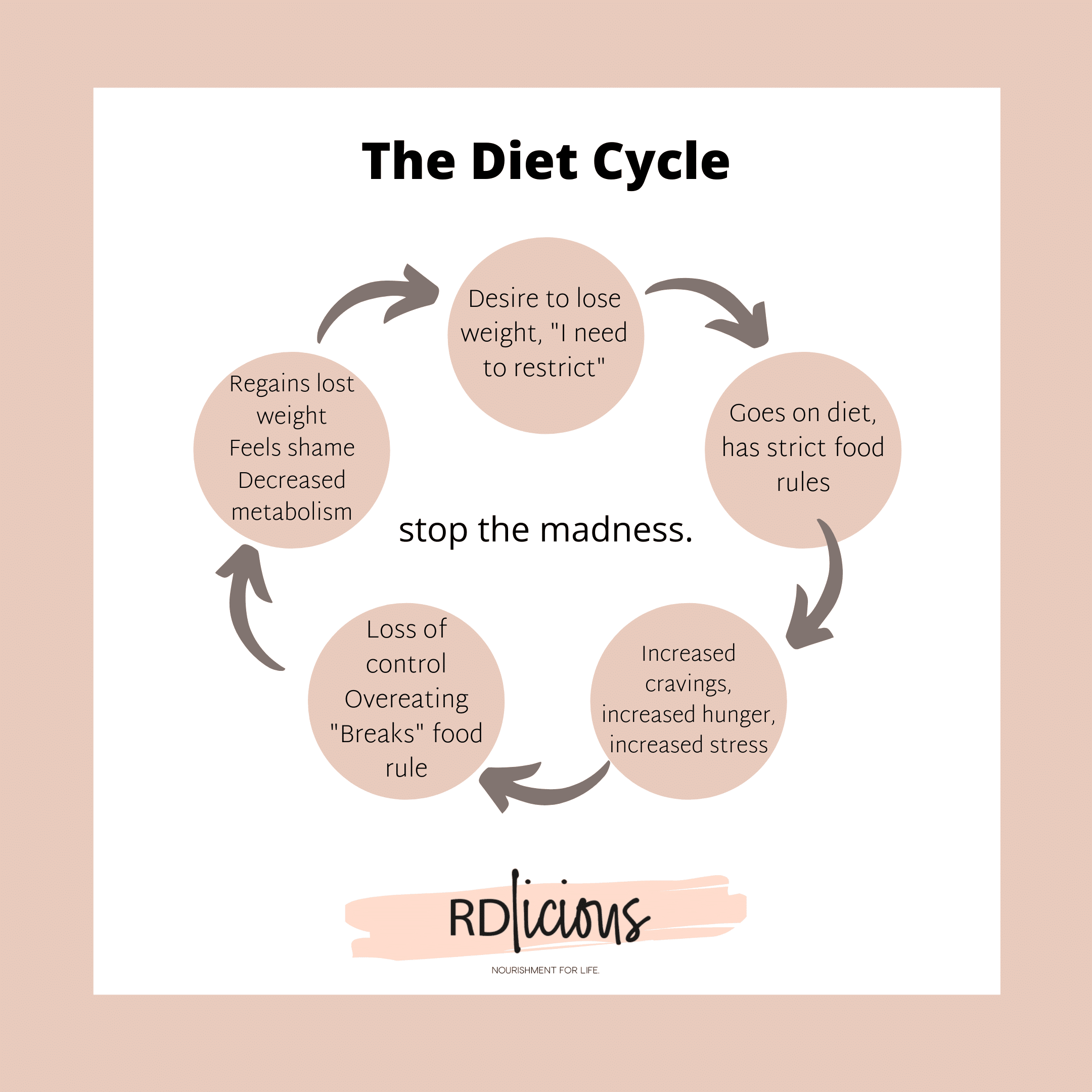
Are you finding yourself reaching for snacks not because you’re hungry, but because you’re stressed, sad, or bored? Emotional eating can feel like an endless cycle—where feelings trigger overeating, and overeating leads to guilt and frustration.
If this sounds familiar, you’re not alone. But here’s the truth: you can break free from this cycle and lose weight in a healthy, sustainable way. You’ll discover practical steps to understand your emotions, regain control over your eating habits, and create a balanced lifestyle that supports both your mind and body.
Ready to take back control and feel confident in your journey? Keep reading to find out how.
Causes Of Emotional Eating
Emotional eating happens when feelings, not hunger, drive food choices. Understanding what triggers these urges helps break the cycle. Causes vary from mental stress to biological changes. Each plays a role in why people eat emotionally and struggle with weight.
Stress And Anxiety
Stress causes the body to crave comfort foods. These foods are often high in sugar and fat. Eating them can temporarily reduce tension. Anxiety also leads to overeating as a way to soothe nerves. This cycle repeats, making weight loss difficult.
Boredom And Loneliness
Boredom can make people reach for snacks without real hunger. Eating fills the empty time and gives a short-lived pleasure. Loneliness triggers a similar need for comfort. Food becomes a substitute for social connection and emotional support.
Habitual Responses
Many eat emotionally out of habit, not feeling. Habits form over time and become automatic. For example, eating popcorn while watching TV may not be about hunger. These learned behaviors reinforce emotional eating patterns and weight gain.
Hormonal Influences
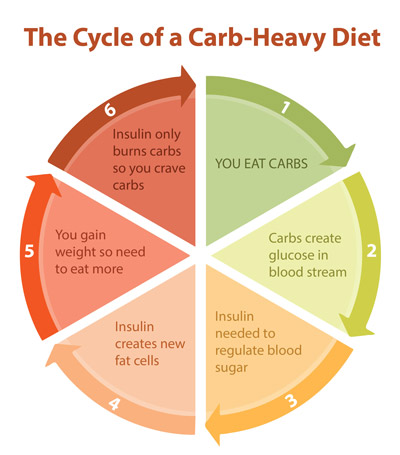
Hormones affect appetite and mood, driving food cravings. For example, cortisol rises during stress, increasing hunger. Other hormones like insulin and ghrelin also impact eating behavior. Hormonal imbalances can make emotional eating more frequent and intense.

Credit: www.amazon.com
Signs You’re Eating Emotionally
Recognizing emotional eating is the first step to breaking the cycle. Emotional eating happens when feelings, not hunger, drive food choices. These signs help you see if emotions control your eating habits. Understanding them can guide you toward healthier behaviors.
Eating Without Hunger
Emotional eating often means eating without real hunger. You might find yourself reaching for food just to feel better. This type of eating happens even after a full meal. Notice if you eat out of boredom, stress, or sadness instead of hunger.
Craving Specific Comfort Foods
Strong cravings for sugary or fatty foods may signal emotional eating. These comfort foods seem to calm your feelings temporarily. You might crave ice cream, chips, or chocolate when upset. These cravings often come suddenly and feel hard to resist.
Eating Quickly Or Secretly
Eating fast or in secret can show emotional eating. You may grab food quickly without enjoying it. Sometimes, you hide eating from others to avoid judgment. This behavior often happens during moments of stress or loneliness.
Feeling Guilt After Eating
Guilt or shame after eating is common in emotional eaters. You might feel bad about what or how much you ate. These feelings can create a cycle of emotional eating and regret. Recognizing guilt can help you change your relationship with food.
Effects On Weight And Health
Emotional eating affects both weight and overall health. This behavior often leads to eating without true hunger. It creates a cycle that is hard to break. Understanding how emotional eating impacts your body helps in managing it better.
Weight Gain Risks
Eating for comfort often means consuming extra calories. These calories usually come from high-fat or sugary foods. The body stores unused calories as fat. Over time, this leads to weight gain. Emotional eating can cause frequent overeating. This makes it harder to lose weight and maintain a healthy body.
Impact On Metabolism
Emotional eating disrupts normal metabolism. Large, irregular meals can slow down the body’s ability to burn calories. Stress from emotions also affects hormone levels. Hormones like cortisol increase fat storage. This slows metabolism and increases hunger. Poor metabolism makes weight loss more difficult.
Emotional And Physical Consequences
Emotional eating causes feelings of guilt and shame. These feelings may increase stress and lead to more eating. Physically, it can cause digestive problems like bloating. It also raises the risk of health issues such as diabetes and heart disease. Breaking the cycle improves both mood and physical health.
Strategies To Break The Cycle
Breaking the cycle of emotional eating is key to losing weight healthily. It takes more than willpower. Using clear strategies helps control urges and make better choices. Small steps build new habits and reduce emotional eating episodes. Focus on understanding your feelings and actions. This awareness creates space between emotion and eating.
Try these practical strategies to manage your eating habits and emotions. They support long-term change and healthier weight loss. Each method helps you stay mindful and in control.
Mindful Eating Practices
Mindful eating means paying full attention to your food. Notice the taste, texture, and smell of every bite. Eat slowly and avoid distractions like TV or phones. This helps you recognize hunger and fullness signals. It reduces overeating and emotional snacking. Mindful eating creates a calm, thoughtful eating experience. It breaks automatic emotional eating patterns.
Keeping A Food And Mood Diary
Write down what you eat and how you feel before and after. This diary shows links between your emotions and eating habits. Spot triggers like stress, boredom, or sadness. Tracking helps plan how to handle feelings without food. Over time, it reveals patterns that you can change. Use the diary to make smarter food choices and improve your mood.
Removing Temptations From Home
Clear your kitchen of comfort foods that cause overeating. Out of sight means out of reach. Replace unhealthy snacks with fruits, nuts, or healthy treats. Having good options makes it easier to choose right. Removing temptations lowers the chance of emotional binges. It supports sticking to your weight loss goals. A tidy, healthy kitchen sets a positive tone.
Postponing Emotional Eating Triggers
Pause before eating when emotions run high. Take a few deep breaths or count to ten. Delay eating for at least 10-15 minutes to see if hunger fades. Use this time to do something else like walking or calling a friend. Postponing helps break the automatic response to eat emotions. It gives your mind time to choose wisely. This small delay builds control and reduces emotional eating episodes.
Healthy Alternatives To Emotional Eating
Healthy alternatives to emotional eating help break the cycle of using food to cope. These choices support your mental and physical health. They reduce cravings and improve your mood naturally. Choosing activities that engage your body and mind creates balance. This balance aids in weight loss and emotional stability.
Engaging In Physical Activity
Physical activity releases feel-good chemicals in the brain. A simple walk or stretching can calm stress. Exercise distracts from emotional triggers and reduces tension. It boosts energy and improves sleep quality. Regular movement also helps control appetite and weight.
Practicing Relaxation Techniques
Relaxation techniques lower stress and calm the mind. Deep breathing, meditation, or progressive muscle relaxation work well. These methods help you focus on the present moment. They reduce emotional triggers for overeating. Relaxing regularly builds emotional resilience.
Social Connections And Support
Talking to friends or family eases feelings of loneliness. Social support provides comfort without turning to food. Sharing your feelings lightens emotional burdens. Group activities create a sense of belonging. Positive connections improve mood and reduce stress.
Creative And Leisure Activities
Creative hobbies shift focus from emotional eating urges. Drawing, writing, or crafting can express feelings safely. Leisure activities like reading or listening to music relax the mind. These outlets provide joy and distraction. They help you manage emotions without food.
Credit: carolinegreennutrition.com
Balanced Meal Planning
Balanced meal planning plays a key role in stopping emotional eating and losing weight healthily. It helps control hunger and stabilizes blood sugar levels. Planning meals with the right nutrients supports both the body and mind. This approach reduces cravings and the urge to eat emotionally. A well-structured eating plan creates routine and balance in daily life. It builds habits that support long-term weight management and emotional wellness.
Eating Structured Meals
Eating three regular meals each day helps keep hunger in check. Structured meals prevent constant snacking and overeating. Sticking to set meal times trains your body to expect food at certain hours. This reduces random food cravings that often come from emotions. Planning meals ahead makes it easier to choose healthy options. It also lowers the chance of grabbing quick, unhealthy snacks.
Balancing Protein, Carbs, And Fats
Each meal should include protein, carbohydrates, and fats in balance. Protein helps keep you full longer and supports muscle health. Carbohydrates provide energy for daily activities and brain function. Healthy fats support hormone balance and keep skin and hair healthy. Balanced meals reduce blood sugar spikes that trigger cravings. Eating all three nutrients together helps steady your mood and appetite.
Importance Of Hydration
Drinking enough water is essential for weight loss and emotional health. Hydration supports metabolism and helps control hunger. Sometimes thirst feels like hunger, leading to unnecessary eating. Drinking water before meals can reduce portion sizes. Staying hydrated improves digestion and boosts energy levels. Aim for water throughout the day, starting early in the morning.
Exercise And Emotional Wellness
Exercise plays a key role in emotional wellness. It helps break the cycle of emotional eating by improving mood and reducing stress. Moving your body releases chemicals that lift spirits and calm the mind. Regular activity supports both physical and mental health, making it easier to manage emotions without turning to food.
Gym-free Workouts
Exercise does not need a gym membership or fancy equipment. Simple workouts at home or outdoors work well. Walking, stretching, bodyweight exercises, or yoga are effective options. These workouts fit busy schedules and require little space. Consistency matters more than intensity for emotional benefits.
Benefits Of Regular Movement
Regular exercise improves energy and reduces anxiety. It helps control weight by burning calories and building muscle. Movement also improves sleep, which supports emotional balance. Small daily activities add up to big health improvements. Staying active keeps both body and mind strong.
Exercise As A Mood Booster
Physical activity triggers the release of endorphins, natural mood enhancers. These chemicals reduce feelings of stress and sadness. Exercise also lowers levels of cortisol, a stress hormone linked to emotional eating. Moving regularly helps maintain calmness and a positive outlook. This reduces cravings for comfort foods.
Credit: www.helpguide.org
Building Lasting Habits
Building lasting habits is key to breaking free from emotional eating. Habits shape daily choices. They help control cravings and support steady weight loss. Creating simple, consistent routines makes healthy eating easier. Focus on small steps that fit your lifestyle. This approach keeps motivation high and stress low.
Strong habits also improve your body’s metabolism. They help balance hunger and energy needs. Avoiding strict dieting prevents burnout and setbacks. Choose habits that you can keep for life. This way, you stop the cycle of emotional eating and lose weight healthily.
Simplicity And Consistency
Keep your habits simple. Choose easy, clear actions to follow every day. Consistency builds trust with your body. It helps reduce decision fatigue and stress. For example, eat three balanced meals daily at regular times. This stabilizes blood sugar and controls hunger. Drink water regularly to stay hydrated. Simple habits create a strong foundation for lasting change.
Metabolic Support
Your metabolism needs support to work well. Eating protein with each meal helps control appetite. Balanced meals with protein, carbs, and fats keep energy steady. Drinking water boosts metabolism and digestion. Good metabolic health reduces cravings and emotional hunger. Focus on nourishing your body with whole foods. This aids natural weight loss and emotional balance.
Avoiding Strict Dieting
Strict diets often cause stress and failure. They can lead to more emotional eating. Avoid rules that are too hard to follow. Instead, choose flexible eating habits that feel good. Allow yourself occasional treats without guilt. This prevents feelings of deprivation. A relaxed approach makes it easier to stick with healthy habits long term. Balance is better than perfection.
Slowing Down At Mealtime
Slowing down at mealtime helps break the cycle of emotional eating. It allows your body to recognize hunger and fullness signals. Eating slowly makes your meals more satisfying and helps control portions naturally. This simple habit supports healthy weight loss by reducing overeating and improving digestion.
Chewing Thoroughly
Chewing food well breaks it into smaller pieces. This aids digestion and nutrient absorption. Take time to chew each bite at least 20 times. It slows your eating pace and gives your brain time to register fullness. Thorough chewing also enhances the taste and texture of your food, making meals more enjoyable.
Pausing Between Bites
Put your fork down after each bite. Pause for a few seconds before the next one. This pause helps you notice how full you feel. It prevents mindless eating and reduces the risk of overeating. Pausing also creates a calm eating environment that supports better digestion.
Focusing On Food Sensations
Pay attention to the colors, smells, and flavors of your food. Notice the texture and temperature in your mouth. This focus brings you into the present moment and away from emotional triggers. Mindful eating helps separate physical hunger from emotional cravings. Enjoying food fully can reduce the urge to eat for comfort.
Managing Stress Without Food
Managing stress without turning to food is key to breaking the emotional eating cycle. Stress often triggers cravings for comfort foods. These foods provide temporary relief but lead to weight gain over time. Finding healthier ways to handle stress helps control emotional eating and supports weight loss goals.
Simple, calming activities can reduce stress without adding calories. Learning new habits takes time but improves your well-being. Focus on techniques that relax your mind and body. This approach builds resilience against stress-driven eating urges.
Yoga And Meditation
Yoga and meditation calm the mind and reduce stress levels. These practices help you become more aware of your body’s needs. Regular sessions lower cortisol, the stress hormone linked to weight gain. They improve mood and boost mental clarity. Just a few minutes daily can ease anxiety and stop emotional eating impulses.
Distraction Techniques
Distraction techniques shift your focus away from food cravings. Activities like reading, walking, or listening to music work well. Calling a friend or doing a hobby can also help. These actions interrupt the urge to eat emotionally. The key is to find enjoyable, non-food distractions that engage your mind.
Quality Sleep Importance
Good sleep is essential for managing stress and weight. Lack of sleep increases hunger hormones and cravings for unhealthy foods. It also weakens your willpower to resist emotional eating. Aim for seven to nine hours of restful sleep each night. A regular sleep routine supports better mood and appetite control.
Conclusion
Breaking the emotional eating cycle takes time and patience. Focus on small, healthy steps every day. Choose balanced meals and stay hydrated to control hunger. Find other ways to cope with feelings, like walking or calling a friend. Remove tempting comfort foods from your home.
Remember, weight loss is a journey, not a quick fix. Stay kind to yourself and keep trying. Healthy habits grow stronger with each effort you make. You can regain control and enjoy food without guilt. Keep moving forward, one step at a time.