


Are you exercising regularly but still seeing the scale go up? It’s confusing and frustrating when you work hard but your weight climbs instead of dropping.
The truth is, gaining weight while exercising isn’t always a bad sign. In fact, it can mean your body is changing in powerful ways you might not expect. From building muscle to holding onto water for recovery, there are several reasons behind this unexpected weight gain.
Keep reading to understand what’s really happening with your body and how you can stay motivated on your fitness journey. Your efforts are working—even if the scale doesn’t tell you that yet.

Credit: www.thewellnesscorner.com
Muscle Gain And Weight
Exercise often leads to changes in body weight that may seem confusing. Gaining weight while working out can actually signal positive changes in your body. One major reason is muscle gain, which affects your weight differently than fat. Understanding how muscle gain impacts weight helps you stay motivated and track real progress.
Muscle Density Vs Fat
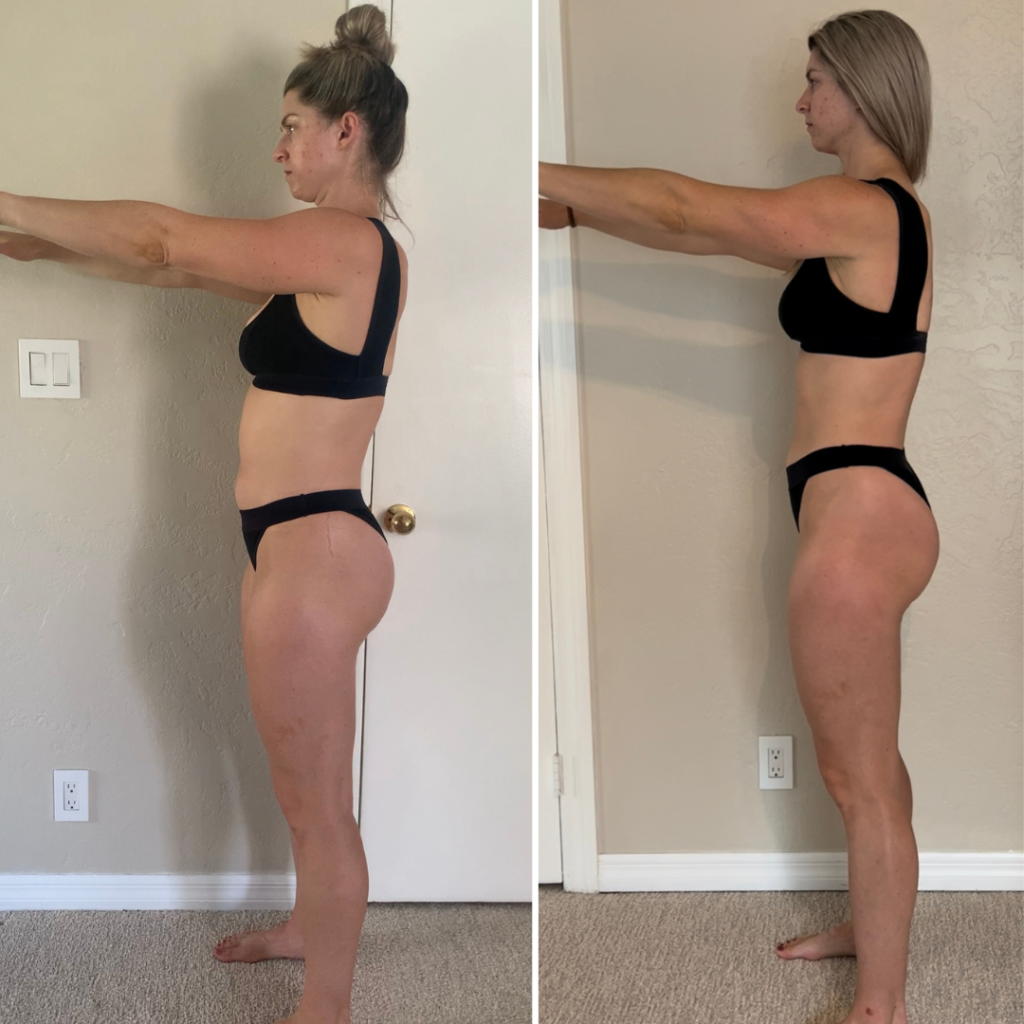
Muscle is denser than fat. This means muscle takes up less space but weighs more. When you build muscle, your weight may rise even if you lose fat. The scale might show a gain, but your body looks firmer and leaner. This change improves body shape and strength, not just weight.
Metabolism And Strength Boost
Muscle boosts metabolism because it burns more calories at rest. More muscle means your body uses more energy all day. Exercise that builds muscle also increases strength. Stronger muscles help you perform daily tasks easier. This boost supports long-term weight management and overall fitness.
Long-term Health Benefits
Gaining muscle improves bone density and joint health. It lowers risks of chronic diseases like diabetes and heart problems. Muscle gain enhances balance and reduces injury chances. Over time, this leads to a healthier, more active lifestyle. Weight gain from muscle is a sign of better health, not just numbers on a scale.
Credit: thebodybulletin.com
Temporary Weight Changes
Temporary weight changes are common after starting or intensifying an exercise routine. These shifts do not usually reflect actual fat gain. Instead, they result from natural body processes that help muscles recover and store energy. Understanding these changes can help you stay motivated and avoid confusion when the scale rises despite your hard work.
Water Retention After Workouts
Exercise causes small tears in muscle fibers. Your body holds extra water to help repair these fibers. This water retention can cause a temporary increase in weight. It usually lasts a few days and then goes away. This is a normal and healthy response to training.
Dehydration Effects
Not drinking enough water can make your body hold onto fluids. Dehydration signals your body to keep water, increasing weight temporarily. Drinking enough water before and after workouts helps prevent this. Staying hydrated supports muscle function and recovery.
Glycogen Storage Impact
Your muscles store glycogen as fuel for exercise. Glycogen binds with water in your muscles. More exercise can increase glycogen storage, causing weight to go up. This weight gain is due to water, not fat. It shows your body is adapting to exercise and getting stronger.
Diet And Lifestyle Factors
Diet and lifestyle play a big role in weight changes during exercise. Even with regular workouts, weight can rise due to what and how much you eat. Understanding these factors helps manage your progress better.
Small changes in eating habits or food choices affect your results. Exercise changes your body’s needs and hunger signals. Adjusting your diet is key to achieving your goals.
Exercise-induced Appetite Increase
Physical activity often boosts hunger. Your body needs more fuel to recover and build muscle. This rise in appetite can lead to eating extra calories without noticing. Eating more than you burn causes weight gain.
Calorie Intake And Compensatory Eating
After exercise, many eat more to reward themselves. Sometimes, people overestimate calories burned during workouts. This leads to consuming more calories than needed. Tracking food intake helps avoid this common mistake.
Processed Foods And Weight Gain
Processed foods often have hidden sugars and fats. They can increase calorie intake quickly. These foods do not fill you up well, causing more frequent eating. Choosing whole foods supports weight control and overall health.
Effective Strategies
Gaining weight during exercise can be confusing. Many people expect the scale to drop quickly. But muscle growth, water retention, and diet changes often cause weight gain. Effective strategies help manage these changes. They support your fitness journey and improve results.
Hydration Tips
Drink water before, during, and after exercise. Proper hydration reduces water retention. It also helps muscles repair faster. Avoid sugary drinks that add empty calories. Water keeps your body balanced and supports metabolism.
Tracking Progress Beyond Scale
Use other ways to measure success. Track how your clothes fit or your energy levels. Note strength improvements and endurance gains. Take body measurements instead of only weighing yourself. Photos can show changes that numbers miss.
Healthy Eating Habits
Choose whole foods like fruits, vegetables, and lean proteins. Avoid processed snacks and sugary treats. Eat balanced meals with the right portions. Healthy eating fuels workouts and supports muscle growth. It prevents unnecessary calorie intake.
Patience With Body Changes
Muscle gain and fat loss take time. The scale may rise before it drops. Trust the process and give your body time to adjust. Consistency in exercise and diet is key. Celebrate small wins along the way.
Credit: awtsuprints.com
Conclusion
Gaining weight while exercising is not always negative. Muscle weighs more than fat, so your scale might rise. Water retention and glycogen storage can also cause temporary weight changes. Eating more due to increased hunger adds to this effect. Focus on how your clothes fit and your strength instead.
Stay patient and keep drinking water daily. Combining exercise with healthy eating supports your goals best. Weight gain can mean progress, not failure. Keep going and trust the process.