

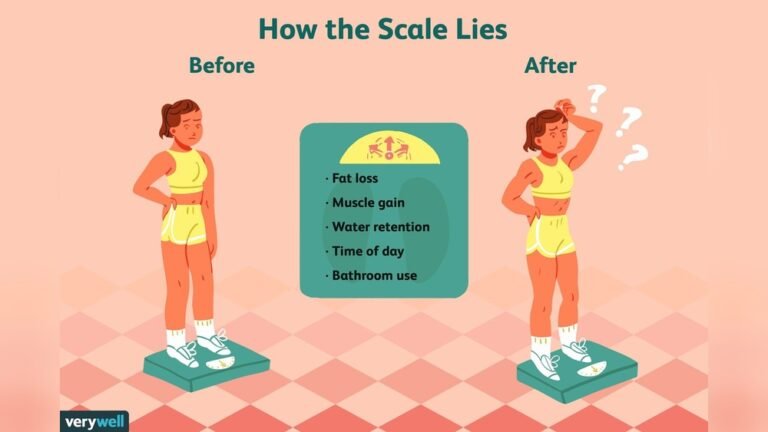
You’re putting in the effort—sweating through workouts, pushing yourself harder, and staying consistent. Yet, the scale refuses to budge.
It’s frustrating, confusing, and maybe even a little discouraging. If you’re exercising but not losing weight, you’re not alone, and it doesn’t mean your hard work is wasted. Sometimes, your body responds in ways that aren’t immediately obvious, and understanding why can be the key to breaking through your plateau.
You’ll discover common reasons why weight loss stalls despite regular exercise and simple steps you can take to finally see the results you deserve. Keep reading—your breakthrough might be closer than you think.
Calorie Intake Mistakes
Many people exercise but do not lose weight due to mistakes in calorie intake. Eating the wrong amount or types of food can stop weight loss. Understanding these common calorie intake errors helps fix the problem and reach goals faster.
Tracking food and drink closely is key. Small errors add up and block progress. Below are some common calorie intake mistakes to watch.
Overestimating Burned Calories
Exercise machines and apps often show calories burned. These numbers are only estimates. People may think they burned more than they actually did. This can lead to eating extra calories as a reward. The extra calories can cancel out the exercise.
Hidden Calories In Snacks And Drinks
Snacks and drinks can have many hidden calories. Sugary drinks, flavored coffee, and small snacks add up quickly. These calories do not make you feel full. They can easily push daily calorie intake above what you burn. Counting only meals misses these hidden calories.
Post-workout Overeating
Exercise increases hunger for many people. Some eat more than they burned during the workout. This extra eating is often called a “reward.” It can undo the calorie deficit created by exercise. Mindful eating after workouts helps control this problem.
Eating Too Few Calories
Eating too little can slow down metabolism. The body holds on to fat to save energy. Weight loss becomes harder even with exercise. A very low-calorie diet may cause fatigue and muscle loss. Eating enough calories supports fat loss and energy levels.
Importance Of Protein And Healthy Fats
Protein and healthy fats keep you full and help muscle recovery. Many diets focus too much on low calories and ignore these nutrients. Protein builds muscle, which burns more calories at rest. Healthy fats support hormones that control hunger. Including these helps sustain weight loss.
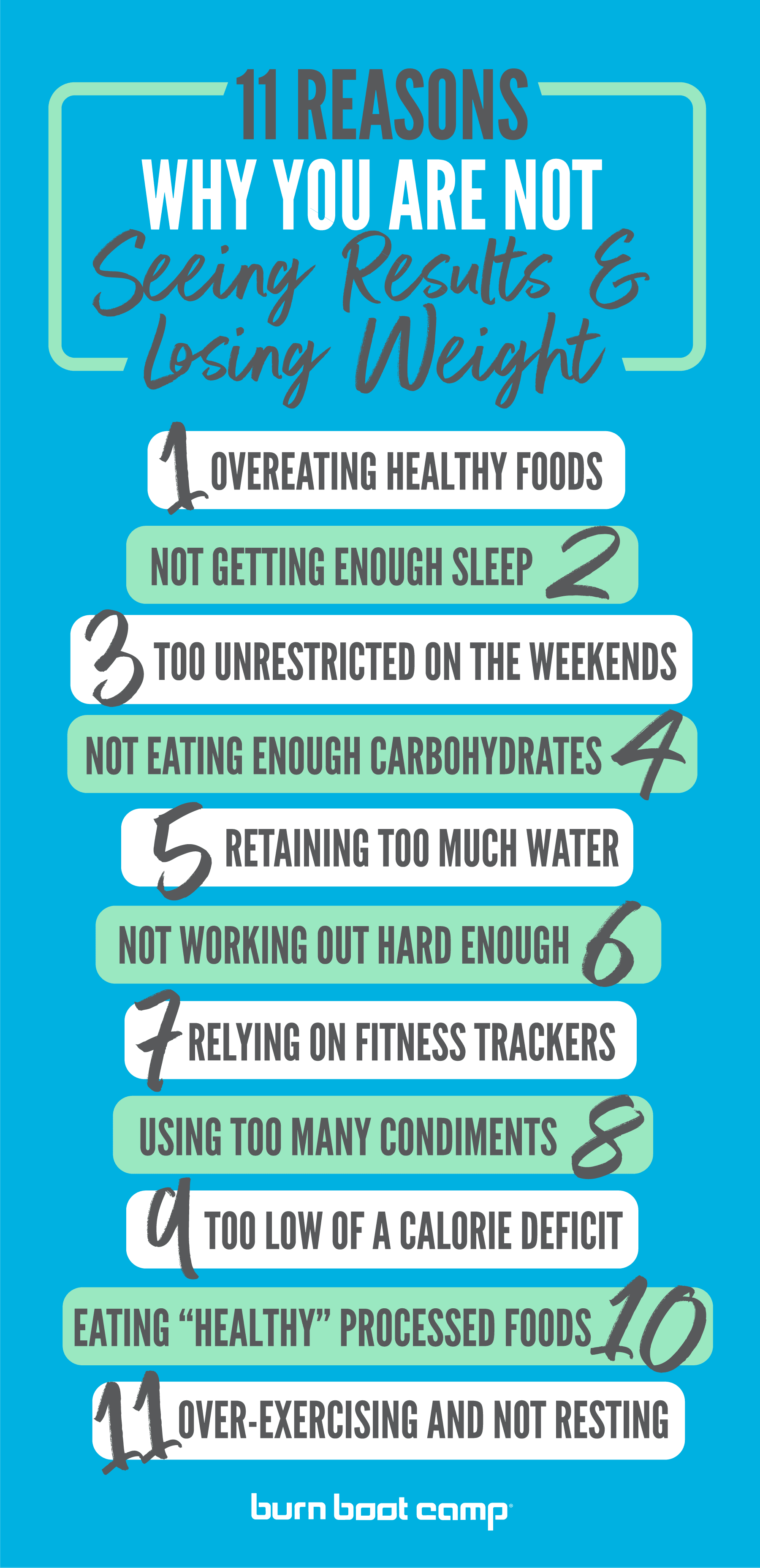
Credit: burnbootcamp.com
Exercise Challenges
Exercise brings many benefits, but weight loss can still be a challenge.
Many people face hurdles that slow or stop their progress despite regular workouts.
Understanding these exercise challenges can help manage expectations and improve results.
Muscle Gain Vs Fat Loss
Muscle weighs more than fat but takes up less space.
As you exercise, your body may build muscle and lose fat simultaneously.
This can keep your weight steady even while your body shape improves.
Tracking changes in measurements or how clothes fit shows progress better than the scale.
Breaking Through Plateaus
Your body adapts to the same workout over time.
Calories burned decrease as efficiency improves, causing plateaus.
Changing workout types, increasing intensity, or adding duration helps overcome this.
Plateaus are normal but require adjustments to continue losing weight.
Risks Of Overtraining
Too much exercise can cause stress and inflammation in the body.
Overtraining may raise cortisol levels, which promote fat storage.
It can also cause fatigue, reducing daily activity and calorie burn.
Rest and recovery are essential to prevent these negative effects.
Lifestyle And Health Factors
Exercise alone may not lead to weight loss. Lifestyle and health factors play a big role. Understanding these helps explain why the scale may not budge despite workouts. Simple changes in daily habits often make a difference.
Impact Of Stress And Sleep
Stress raises cortisol levels in the body. This hormone can cause the body to store fat. High stress also affects appetite, leading to overeating. Poor sleep disrupts hormones that control hunger and fullness. Lack of sleep slows metabolism and reduces energy for exercise. Managing stress and getting enough rest support weight loss efforts.
Medical Conditions Affecting Weight
Some medical issues can block weight loss. Hypothyroidism slows metabolism and energy use. Polycystic ovary syndrome (PCOS) affects hormone balance and fat storage. Certain medications may cause weight gain or make loss harder. Consulting a doctor helps identify if health problems affect your weight. Treatment can improve results alongside exercise.
Role Of Hydration
Water is vital for many body functions. Dehydration can slow metabolism and reduce fat burning. Drinking enough water helps control hunger and prevents overeating. Sometimes thirst is mistaken for hunger, leading to extra calories. Staying well-hydrated supports exercise performance and recovery. Aim to drink water regularly throughout the day.

Credit: www.thewellnesscorner.com
Effective Strategies
Finding the right approach to exercise without seeing weight loss can feel frustrating. Effective strategies help adjust habits and improve results. These methods focus on balance, consistency, and understanding your body’s signals.
Tracking Food Intake
Calories consumed impact weight loss more than calories burned. Tracking meals reveals hidden calories in drinks and snacks. Portion control becomes easier with clear records. This habit helps prevent overeating and supports mindful eating.
Varying Workout Types
Changing exercise routines prevents the body from adapting. Mixing cardio, strength training, and flexibility workouts boosts calorie burn. Muscle growth from strength training increases metabolism. New challenges keep workouts effective and interesting.
Measuring Progress Beyond The Scale
Weight is not the only success marker. Body measurements show fat loss even if scale numbers stay steady. Notice how clothes fit and energy levels improve. Photos can track visible changes over time. This approach motivates beyond just pounds lost.
Prioritizing Sleep And Stress Control
Poor sleep slows metabolism and raises hunger hormones. Stress increases cortisol, which promotes fat storage. Aim for 7-9 hours of restful sleep every night. Practice relaxation techniques to lower stress. These steps support weight loss and overall health.
Seeking Professional Guidance
Experts offer personalized advice based on your needs. Dietitians can help tailor your eating plan. Trainers design workouts to fit your goals and fitness level. Medical professionals check for health issues blocking progress. Professional support ensures safe, effective weight loss.
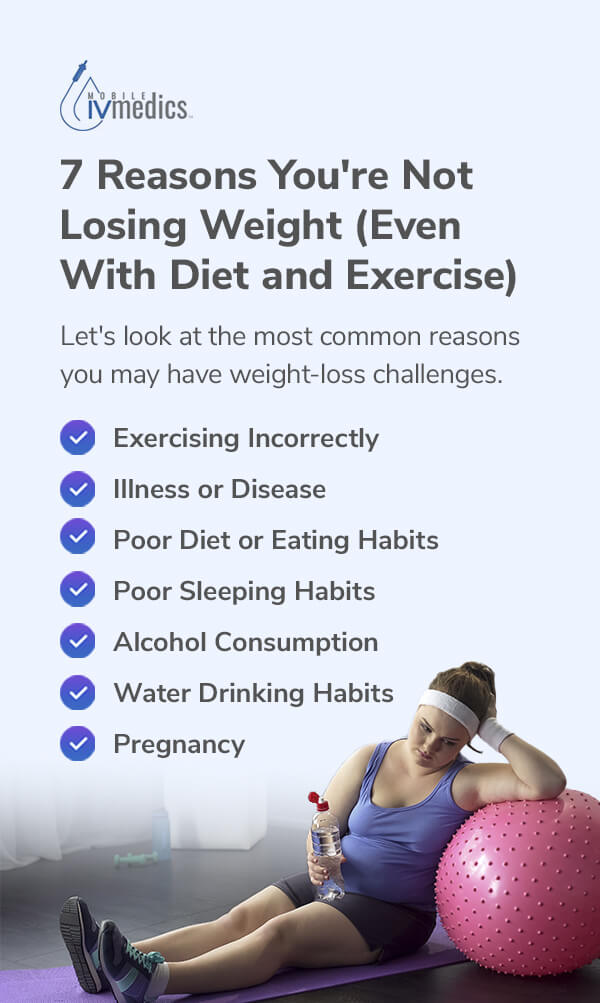
Credit: mobileivmedics.com
Conclusion
Exercise alone may not cause weight loss without other changes. Watch your calories and avoid eating extra after workouts. Try different exercises to keep your body challenged. Rest well and manage stress to support your goals. Remember, muscle weighs more than fat, so focus on how you feel.
Track progress with measurements and how clothes fit, not just the scale. Stay patient and consistent; results will come with time and effort.