


Are you ready to transform your fitness routine without any fancy equipment or expensive gym memberships? Exercising with your own body weight is the simplest, most effective way to build strength, improve flexibility, and boost your energy right where you are.
Imagine turning your living room, backyard, or even a small corner into your personal gym—no machines, no weights, just your body and determination. You’ll discover how bodyweight exercises can help you get stronger, leaner, and healthier, all while fitting easily into your busy life.
Stick with me, and you’ll unlock powerful workouts that challenge your body and keep you motivated every step of the way. Ready to start? Let’s dive in!

Credit: www.amazon.com
Benefits Of Bodyweight Training
Bodyweight training uses your own body as resistance. It requires no special equipment and can be done anywhere. This type of training improves overall fitness by targeting multiple muscle groups. It suits beginners and advanced exercisers alike. The benefits go beyond just building muscle and strength.
Build Strength Anywhere
Bodyweight exercises help build strength without a gym. You can do push-ups, squats, or planks at home, parks, or offices. These exercises engage many muscles at once. This leads to balanced strength development. You become stronger in daily activities and sports.
Enhance Flexibility And Balance
Many bodyweight moves improve flexibility and balance. Stretching and holding poses increase joint mobility. Balance exercises reduce the risk of falls and injuries. Better flexibility helps with posture and movement ease. Balance training enhances body control and coordination.
Boost Metabolism And Fat Loss
Bodyweight workouts raise your heart rate and metabolism. This helps burn calories during and after exercise. High-intensity bodyweight routines can increase fat loss. Muscle gained from these exercises also burns more calories at rest. This supports a leaner and healthier body.
Core Bodyweight Exercises
Core bodyweight exercises build strength using your own body as resistance. These exercises improve muscle tone, balance, and endurance without equipment. They target multiple muscle groups, making workouts efficient and effective.
Core exercises focus on the muscles around your abdomen, hips, and lower back. A strong core supports good posture and reduces injury risk. You can do these workouts anywhere, anytime, fitting them easily into your daily routine.
Push-ups Variations
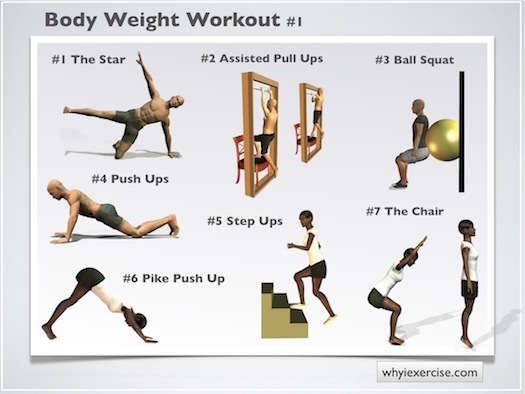
Push-ups strengthen the chest, shoulders, and triceps. Variations like wide-arm, diamond, and incline push-ups add challenge. Changing hand position targets different muscles. Push-ups also engage your core for stability.
Squats And Lunges
Squats and lunges work your legs and glutes. They improve balance and joint flexibility. Bodyweight squats develop muscle endurance. Lunges help correct muscle imbalances by training each leg separately. Both exercises increase lower body strength.
Planks And Core Holders
Planks activate deep core muscles. Holding a plank improves endurance and posture. Side planks target obliques. Variations include forearm plank and high plank. Core holders challenge stability and enhance overall strength.
Burpees And Cardio Boosters
Burpees combine strength and cardio in one move. They raise your heart rate quickly. This exercise uses multiple muscle groups for a full-body workout. Burpees increase stamina and burn calories fast. They add intensity to any bodyweight routine.
Advanced Moves For Strength
Advanced moves for strength push your body beyond basic exercises. These challenging exercises improve muscle control and power. They require focus, balance, and coordination. Practicing these moves builds functional strength and endurance.
Start slow and focus on form. Gradually increase reps and sets to avoid injury. These exercises need patience and consistency for best results.
Pistol Squats
Pistol squats are one-legged squats that build leg strength and balance. Lower yourself slowly on one leg while keeping the other leg straight. This move challenges your quads, hamstrings, and glutes intensely. It also improves ankle and knee stability. Use a chair or wall for support if needed. Practice until you can perform smooth, controlled reps.
Handstand Push-ups
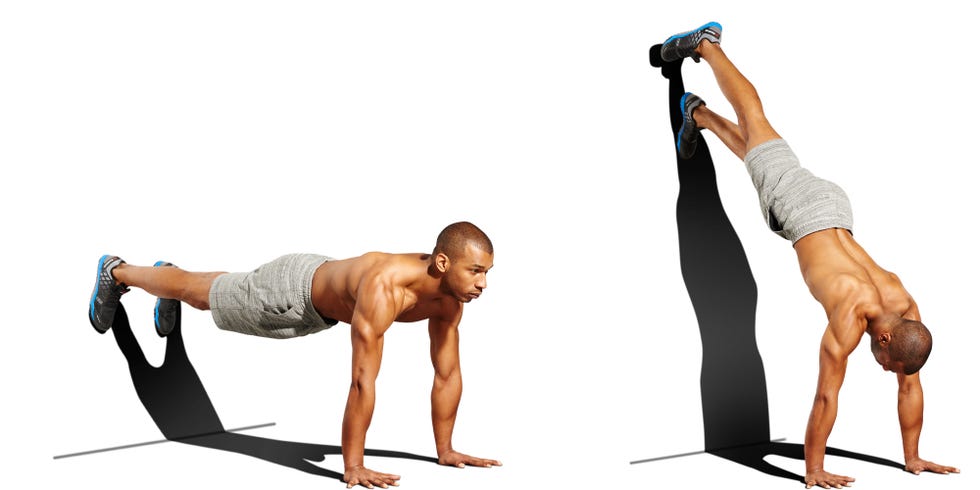
Handstand push-ups target your shoulders, triceps, and upper chest. Start by kicking up into a handstand against a wall. Lower your head toward the ground by bending your elbows. Push back up to the starting position. This move demands strong shoulders and balance. Practice wall handstands first, then add controlled push-ups. Keep your body tight and core engaged.
One-arm Push-ups
One-arm push-ups increase upper body strength and stability. Place one hand on the floor, centered under your chest. Spread your feet wide for balance. Lower your body by bending the elbow of your working arm. Push back up without shifting your hips. This move works the chest, shoulders, and triceps hard. Build strength with regular push-ups before trying one-arm variations.
Muscle-ups Basics
Muscle-ups combine a pull-up and a dip into one fluid move. Grab a pull-up bar with a strong grip. Pull your chest above the bar by pulling explosively. Transition by pushing your chest forward and pressing your body over the bar. Finish with a dip movement to straighten your arms. Muscle-ups require power, technique, and timing. Practice pull-ups and dips separately before combining them.
Credit: www.menshealth.com
Training Plans For Fast Gains
Training with your own body weight offers fast, effective gains in strength and fitness. Structured plans help maximize progress. Each level challenges your muscles differently. Consistency and proper form lead to visible results quickly. Below are training plans tailored to your experience level.
Beginner Routine
Start with basic moves like push-ups, squats, and planks. Aim for 3 sets of 10 to 15 reps per exercise. Rest 30 to 60 seconds between sets. Perform this routine 3 times a week. Focus on slow, controlled movements to build strength and avoid injury.
Intermediate Progressions
Add variations such as diamond push-ups and jump squats. Increase reps to 15-20 per set. Incorporate exercises like lunges and mountain climbers. Train 4 times weekly with 45 seconds rest between sets. Gradually shorten rest periods for more challenge and better endurance.
Advanced Workout Schedule
Include advanced moves like pistol squats and handstand push-ups. Perform 4 to 5 sets of 20 reps or hold positions longer. Mix strength and cardio exercises for full-body conditioning. Train 5 or more days weekly. Prioritize recovery and listen to your body to prevent overtraining.
Common Mistakes To Avoid
Exercise using your own body weight is effective and convenient. Many people make mistakes that slow progress or cause injury. Avoiding these common errors helps you train safely and get better results. Focus on proper technique, listen to your body, and prepare well before each session. This section covers key mistakes to watch out for during bodyweight workouts.
Poor Form Risks
Bad form leads to injuries and poor results. Slouching, locking joints, or uneven movements strain muscles and joints. Keep your core tight and back straight. Move slowly and control each exercise. Quality beats quantity every time. Practicing good form builds strength and prevents pain.
Overtraining Signs
Exercising too much causes fatigue and reduces gains. Watch for constant muscle soreness, trouble sleeping, or lack of motivation. Your body needs rest to repair and grow stronger. Schedule regular rest days and vary your workouts. Balance training with recovery to avoid burnout and injury.
Ignoring Warm-ups And Cool Downs
Skipping warm-ups raises injury risk and lowers performance. Warm muscles and joints improve movement and blood flow. Cool downs help remove waste and reduce soreness. Spend 5 to 10 minutes warming up and cooling down. Include light cardio and stretching for best results.
Nutrition Tips For Strength
Nutrition plays a key role in building strength through bodyweight exercises. Eating the right foods helps muscles recover and grow. Proper nutrition fuels workouts and improves performance. Focus on balanced meals that support your training goals.
Protein Sources
Protein helps repair and build muscle tissue. Choose lean meats like chicken and turkey. Fish such as salmon and tuna offer healthy fats too. Plant-based options include beans, lentils, and tofu. Eggs and dairy products provide high-quality protein. Aim for a variety of sources to get all essential amino acids.
Hydration Essentials
Water is vital for muscle function and recovery. Drink enough fluids before, during, and after exercise. Dehydration can reduce strength and delay recovery. Include water-rich foods like fruits and vegetables. Avoid sugary drinks that can cause energy crashes. Staying hydrated supports better workout results.
Meal Timing Strategies
Eat a balanced meal 1-2 hours before exercise. Include carbs for energy and protein for muscle support. After your workout, eat protein and carbs within 30 minutes. This helps replenish energy and repair muscles faster. Small, frequent meals can keep energy levels steady. Plan your meals to match your training schedule.
Tracking Progress And Staying Motivated
Tracking progress and staying motivated are key to success in bodyweight exercise. Without clear tracking, it is easy to lose focus and give up. Motivation drops when you do not see results. Small wins and steady improvements keep you engaged and excited to continue. Using simple tools and strategies can help maintain this momentum.
Using Workout Logs
Writing down your workouts helps you see growth over time. Record exercises, sets, reps, and how you feel after each session. This creates a clear picture of your progress. You can spot strengths and areas to improve. Workout logs also remind you of your commitment and hard work. They make tracking easy and keep you accountable.
Setting Realistic Goals
Set goals that are clear and achievable. Break big goals into smaller steps. For example, increase push-ups by two reps each week. Realistic goals prevent frustration and keep motivation high. Celebrate each milestone to boost confidence. This steady progress makes the journey enjoyable and rewarding.
Finding A Support System
Having others who share your goals helps keep you motivated. Join online groups or local fitness clubs focused on bodyweight training. Share your successes and challenges with them. Support from friends or workout partners adds encouragement and friendly competition. This social connection makes exercise more fun and helps you stay consistent.
Credit: www.whyiexercise.com
Conclusion
Exercise using your own body weight builds strength and flexibility. It requires no special equipment or gym membership. You can do it anywhere, anytime. These exercises improve balance, endurance, and muscle tone. They suit all fitness levels, from beginners to advanced.
Consistency helps you see steady progress over time. Bodyweight training supports a healthy lifestyle and boosts energy. Give your body the workout it deserves daily. Simple, effective, and accessible—bodyweight exercise fits your routine well. Start small, stay committed, and enjoy the benefits.