

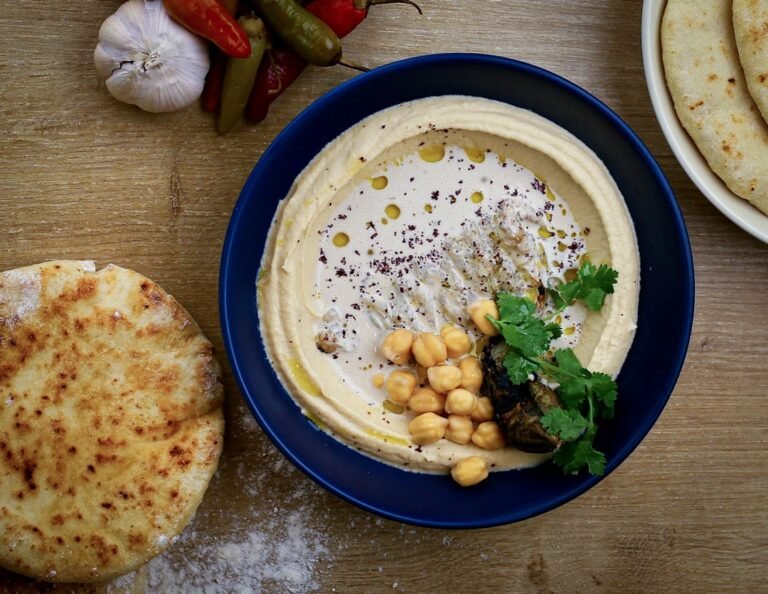
The Mediterranean diet is more than just a way of eating; it is a lifestyle that emphasizes the importance of fresh, wholesome ingredients and communal meals. Originating from the countries bordering the Mediterranean Sea, this diet is characterized by its rich flavors, vibrant colors, and a variety of food groups that promote overall health. You may find yourself drawn to this dietary approach not only for its delicious offerings but also for its numerous health benefits.
The Mediterranean diet encourages the consumption of fruits, vegetables, whole grains, legumes, nuts, and healthy fats, particularly olive oil, while limiting processed foods and red meats. As you explore the Mediterranean diet, you will discover that it is deeply rooted in cultural traditions and social interactions. Meals are often enjoyed with family and friends, fostering a sense of community and connection.
This aspect of the diet can enhance your overall well-being, as sharing meals can lead to improved mental health and stronger relationships. By embracing the Mediterranean diet, you are not just adopting a new way of eating; you are also embracing a holistic approach to life that values quality ingredients, mindful eating, and the joy of sharing food with others.
Key Takeaways
- The Mediterranean Diet is a way of eating based on the traditional foods and drinks of the countries surrounding the Mediterranean Sea.
- Pasta is a staple in the Mediterranean Diet, providing a source of energy and essential nutrients.
- The Mediterranean Diet has been linked to numerous health benefits, including reduced risk of heart disease and improved weight management.
- Pasta is a good source of carbohydrates, fiber, and some essential nutrients, making it a valuable component of the Mediterranean Diet.
- Including pasta in a balanced Mediterranean Diet can provide a satisfying and nutritious meal, especially when paired with fresh vegetables, lean proteins, and healthy fats.
The Role of Pasta in the Mediterranean Diet
Pasta holds a special place in the Mediterranean diet, serving as a staple food that embodies the essence of this culinary tradition. You may be surprised to learn that pasta is not just a carbohydrate-rich food; it is a versatile ingredient that can be paired with a variety of fresh vegetables, lean proteins, and healthy fats. In Italy, for instance, pasta is often served as a first course, allowing you to savor its flavors before moving on to the main dish.
This practice encourages portion control and mindful eating, which are essential components of the Mediterranean lifestyle. Incorporating pasta into your meals can also be an opportunity to experiment with different flavors and textures. You might find yourself enjoying whole grain or legume-based pasta options that offer additional nutritional benefits.
By combining pasta with seasonal vegetables, herbs, and olive oil, you can create dishes that are not only satisfying but also packed with nutrients. The adaptability of pasta allows you to tailor your meals to your preferences while still adhering to the principles of the Mediterranean diet.
Health Benefits of the Mediterranean Diet
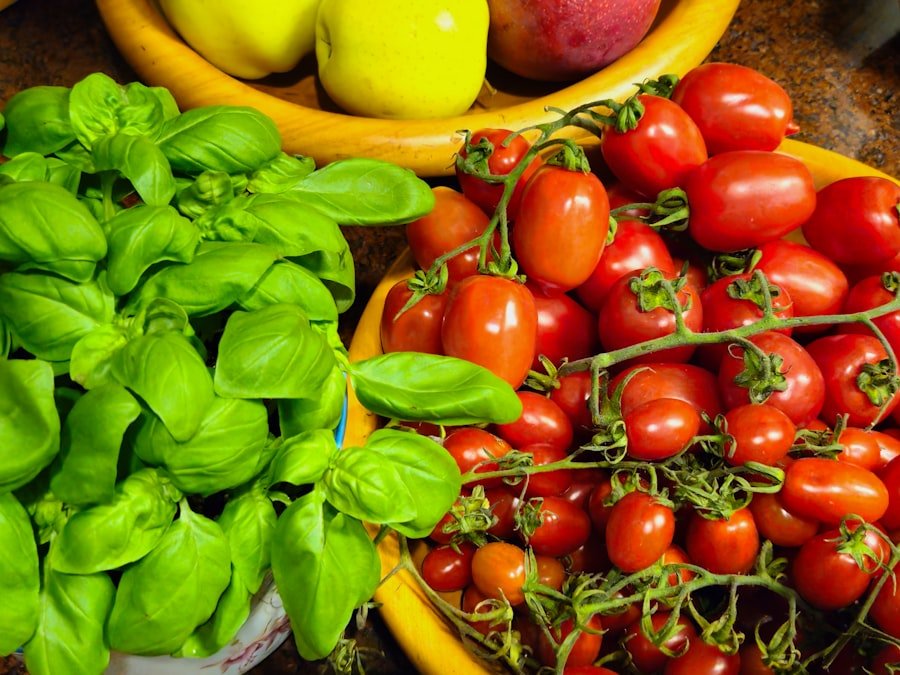
The Mediterranean diet is renowned for its numerous health benefits, making it an appealing choice for those seeking to improve their overall well-being. Research has shown that this dietary pattern can reduce the risk of chronic diseases such as heart disease, diabetes, and certain types of cancer. By focusing on whole foods and healthy fats, you may find that your body responds positively to this way of eating.
The abundance of fruits and vegetables in the Mediterranean diet provides essential vitamins, minerals, and antioxidants that support your immune system and promote optimal health. Moreover, the Mediterranean diet has been linked to improved mental health outcomes. You may experience enhanced mood and cognitive function as a result of consuming nutrient-dense foods that nourish both your body and mind.
The emphasis on social connections during meals can also contribute to lower levels of stress and anxiety. By adopting this lifestyle, you are not only investing in your physical health but also nurturing your emotional well-being.
Nutritional Value of Pasta in the Mediterranean Diet
| Pasta Type | Calories | Protein (g) | Carbohydrates (g) | Fiber (g) | Fat (g) |
|---|---|---|---|---|---|
| Whole wheat spaghetti | 174 | 7.5 | 37.2 | 6.3 | 0.8 |
| Whole wheat penne | 180 | 7 | 39 | 6 | 1 |
| Whole wheat fusilli | 179 | 7.5 | 37.5 | 6.5 | 0.8 |
Pasta can be a nutritious addition to your meals when consumed in moderation and paired with wholesome ingredients. Depending on the type you choose, pasta can provide essential nutrients such as carbohydrates for energy, fiber for digestive health, and protein for muscle maintenance. Whole grain pasta options are particularly beneficial, as they contain more fiber and nutrients compared to their refined counterparts.
This added fiber can help regulate blood sugar levels and keep you feeling full longer. When you incorporate pasta into your Mediterranean diet, consider pairing it with nutrient-rich ingredients like vegetables, legumes, and lean proteins. For example, adding spinach or broccoli not only enhances the flavor but also boosts the nutritional profile of your dish.
You might also experiment with sauces made from fresh tomatoes or olive oil infused with garlic and herbs. By focusing on quality ingredients and mindful portion sizes, you can enjoy pasta as part of a balanced diet that supports your health goals.
How Pasta Fits into a Balanced Mediterranean Diet
Incorporating pasta into a balanced Mediterranean diet requires an understanding of portion sizes and ingredient choices. You may find that enjoying pasta as part of a larger meal allows you to savor its flavors while still adhering to dietary guidelines. A typical serving size is about one cup cooked, which can be complemented by an array of vegetables and proteins to create a well-rounded dish.
To ensure that your pasta dishes align with the principles of the Mediterranean diet, focus on using high-quality ingredients. Opt for whole grain or legume-based pasta varieties that offer additional fiber and nutrients. Pair your pasta with seasonal vegetables like zucchini or bell peppers, along with healthy fats such as olive oil or avocado.
By prioritizing fresh ingredients and mindful preparation methods, you can enjoy pasta while still reaping the benefits of a balanced Mediterranean lifestyle.
Pasta Recipes in the Mediterranean Diet

Exploring pasta recipes within the framework of the Mediterranean diet can be an exciting culinary adventure. You might start with a classic dish like spaghetti aglio e olio, which features simple ingredients such as garlic, olive oil, and red pepper flakes. This dish exemplifies how minimalism in cooking can lead to maximum flavor while adhering to healthy eating principles.
Another delightful option is a Mediterranean pasta salad that combines whole grain pasta with cherry tomatoes, cucumbers, olives, feta cheese, and a drizzle of olive oil. This refreshing dish is perfect for warm weather and can serve as a light lunch or side dish at gatherings. You may also want to try incorporating legumes into your pasta dishes; for instance, adding chickpeas or lentils can enhance both the protein content and texture of your meal.
The possibilities are endless when it comes to creating delicious pasta dishes that align with the Mediterranean diet.
Weight Management and the Mediterranean Diet with Pasta
If weight management is one of your goals, you may find that the Mediterranean diet offers a sustainable approach to achieving it without feeling deprived. The focus on whole foods and balanced meals allows you to enjoy satisfying portions while still promoting weight loss or maintenance. Pasta can play a role in this process when consumed mindfully; by controlling portion sizes and pairing it with nutrient-dense ingredients, you can create meals that keep you full without excess calories.
Incorporating pasta into your meals does not mean sacrificing flavor or enjoyment. Instead, consider using it as a base for dishes rich in vegetables and lean proteins. For example, a vegetable-packed stir-fry served over whole grain pasta can provide both satisfaction and nutrition without excessive calories.
By embracing the principles of the Mediterranean diet—such as mindful eating and prioritizing fresh ingredients—you can create a balanced approach to weight management that feels enjoyable rather than restrictive.
The Mediterranean Diet and Heart Health
Heart health is one of the most significant benefits associated with the Mediterranean diet, making it an excellent choice for those looking to improve their cardiovascular well-being. The emphasis on healthy fats from sources like olive oil and nuts helps reduce bad cholesterol levels while increasing good cholesterol levels in your body. This balance is crucial for maintaining optimal heart function and reducing the risk of heart disease.
Incorporating pasta into your heart-healthy meals can be done thoughtfully by choosing whole grain varieties and pairing them with heart-friendly ingredients like vegetables and lean proteins. For instance, a dish featuring whole grain penne tossed with sautéed spinach, garlic, and grilled chicken not only satisfies your taste buds but also supports your heart health. By making conscious choices about what you eat—focusing on nutrient-dense foods—you can enjoy delicious meals while prioritizing your cardiovascular health.
The Mediterranean Diet and Diabetes Management
For those managing diabetes or looking to prevent it, the Mediterranean diet offers a balanced approach that emphasizes whole foods while minimizing processed sugars and refined carbohydrates. Pasta can fit into this dietary pattern when chosen wisely; opting for whole grain or legume-based varieties provides more fiber than traditional white pasta, which helps regulate blood sugar levels. When preparing pasta dishes as part of a diabetes-friendly meal plan, consider pairing them with non-starchy vegetables like broccoli or bell peppers to increase fiber content further.
Additionally, incorporating healthy fats from sources like olive oil or avocado can help slow down digestion and prevent spikes in blood sugar levels after meals. By focusing on balanced meals that include pasta alongside nutrient-rich ingredients, you can enjoy satisfying dishes while effectively managing your diabetes.
Pasta and the Mediterranean Diet for Athletes
If you’re an athlete or someone who leads an active lifestyle, you may find that the Mediterranean diet provides an excellent foundation for fueling your body effectively. Carbohydrates are essential for energy production during physical activity, making pasta an ideal choice for pre- or post-workout meals. Whole grain or legume-based pasta options offer complex carbohydrates that provide sustained energy without causing rapid spikes in blood sugar.
Incorporating pasta into your athletic nutrition plan can be done creatively; consider preparing dishes that combine protein sources like chicken or fish with whole grain pasta and plenty of vegetables for a well-rounded meal. A hearty pasta dish featuring shrimp sautéed with garlic and spinach not only delivers essential nutrients but also satisfies your taste buds after an intense workout session. By embracing the Mediterranean diet alongside your athletic pursuits, you can optimize performance while enjoying delicious food.
Embracing the Mediterranean Diet with Pasta
In conclusion, embracing the Mediterranean diet with pasta allows you to enjoy flavorful meals while reaping numerous health benefits. This dietary approach emphasizes fresh ingredients, mindful eating practices, and social connections around food—all essential elements for enhancing both physical and mental well-being. As you explore various pasta recipes within this framework, you’ll discover how versatile this ingredient can be when paired with nutrient-dense foods.
By incorporating whole grain or legume-based pasta into your meals alongside plenty of vegetables and healthy fats, you can create satisfying dishes that align with your health goals—whether it’s weight management, heart health, or athletic performance. Ultimately, adopting the Mediterranean diet is not just about what you eat; it’s about cultivating a lifestyle that values quality ingredients and meaningful connections through shared meals. So go ahead—embrace this vibrant culinary tradition and savor every bite!