

Are you tired of endless cardio sessions that leave you exhausted but don’t deliver the fat loss results you want? What if you could burn fat effectively without spending hours on the treadmill or bike?
You’re not alone—many people want to shed fat without the dread of cardio workouts. The good news is, fat loss without cardio is not only possible but can be simpler and more enjoyable than you think. You’ll discover smart strategies that focus on your nutrition, strength training, and daily habits to help you lose fat efficiently.
Ready to learn how to transform your body without cardio? Keep reading—your new fat loss plan starts here.

Credit: www.relentlessathleticsllc.com
Protein-rich Meals
Eating protein-rich meals supports fat loss without cardio. Protein helps control hunger and boosts metabolism. It also preserves muscle during weight loss. Including enough protein in meals makes fat loss easier and more effective.
Benefits Of Protein For Fat Loss
Protein keeps you full longer, reducing snacking between meals. It increases calorie burn through digestion, known as the thermic effect. Protein helps maintain lean muscle, which burns more calories at rest. This supports steady fat loss without intense exercise.
Incorporating Protein In Every Meal
Include a good source of protein in each meal and snack. Options like chicken, fish, eggs, beans, and dairy work well. Aim for about 20-30 grams of protein per meal. This balance helps control hunger and supports fat loss. Simple swaps, like adding Greek yogurt or nuts, can boost protein easily.

Credit: www.spec-school.org
Hydration Habits
Hydration habits play a vital role in fat loss without cardio. Drinking enough water helps control hunger and supports your body’s natural functions. Simple changes in how and when you drink water can improve your weight loss efforts. These habits support metabolism and reduce unnecessary calorie intake.
Drinking Water Before Meals
Drinking water before meals can reduce hunger. It fills your stomach and lowers calorie intake. Studies show people eat less after drinking water first. This habit helps avoid overeating and supports fat loss. Aim to drink a glass of water 30 minutes before each meal.
Hydration’s Role In Metabolism
Water is essential for a healthy metabolism. It helps break down fat and convert food into energy. Even mild dehydration slows down metabolism and reduces fat burning. Staying well-hydrated keeps your body working efficiently. Drink water regularly throughout the day to maintain energy and support fat loss.
Mindful Eating
Mindful eating helps you lose fat without doing cardio. It means paying close attention to your food. Notice the taste, texture, and how hungry you feel. This practice can reduce overeating and improve digestion. It also helps control portions naturally. Mindful eating creates a better relationship with food. It encourages eating only when truly hungry. This simple habit supports fat loss while keeping you satisfied.
Reducing Overeating
Focus on eating slowly to reduce overeating. Chew each bite fully and enjoy the flavors. This allows your brain to register fullness. Stop eating when you feel satisfied, not stuffed. Avoid distractions like phones or TV during meals. These can cause you to eat more than needed. Drinking water before meals can also curb hunger. Small changes in eating habits lower calorie intake easily.
Shrinking Plate Sizes
Use smaller plates to help control portions. A smaller plate makes your meal look larger. This tricks your brain into feeling full faster. Serve your food in smaller amounts to avoid overeating. Gradually reduce your plate size over time. This simple change can lead to less calorie intake. Shrinking plate sizes supports mindful eating and fat loss without cardio.
Increasing Daily Movement
Increasing daily movement plays a vital role in fat loss without cardio. Small changes in daily habits add up to significant calorie burning. Moving more throughout the day keeps your metabolism active. It also helps reduce the negative effects of sitting for long periods.
Daily movement does not mean intense workouts. It includes simple, regular activities that keep your body engaged. These actions can make fat loss easier and more sustainable. They fit well into busy schedules and do not require special equipment.
Simple Ways To Move More
Take short walks during breaks. Use stairs instead of elevators. Stand up and stretch often. Do light house chores like cleaning or gardening. Park farther from entrances and walk a bit more. Walk your dog or play with kids outside. These small efforts increase daily calorie burn easily.
Try to add movement to your routine naturally. Use standing desks or walk while on phone calls. Move your body gently while watching TV. These simple changes help you stay active without feeling like exercise.
Reducing Sedentary Time
Sitting too much slows down fat loss. It lowers metabolism and causes muscle stiffness. Set a timer to remind yourself to stand every 30 minutes. Stand or walk for a few minutes to break long sitting periods. Choose active hobbies instead of sitting ones.
Replace some sitting time with light activity like stretching or casual walking. Use a balance ball chair or a standing desk to reduce sitting. Even small breaks from sitting can improve fat loss and overall health.
Healthy Snack Choices
Choosing healthy snacks supports fat loss without cardio. Snacks fuel your body between meals. Nutritious options keep energy steady and hunger controlled. These choices help avoid overeating at main meals. Focus on snacks rich in protein, fiber, and healthy fats. They promote fullness and support metabolism naturally.
Keeping Nutritious Snacks Accessible
Store healthy snacks where you can see them easily. Keep fruits, nuts, and yogurt within arm’s reach. Preparing snack portions ahead saves time and temptation. Having good options ready reduces cravings for unhealthy foods. Accessibility encourages better choices throughout the day.
Avoiding Processed Options
Processed snacks often contain added sugars and unhealthy fats. These increase calorie intake without nutrition. Choose whole foods like fresh veggies, nuts, or boiled eggs. Natural snacks support fat loss by stabilizing blood sugar. Avoiding processed snacks limits empty calories and helps weight control.
Fiber Intake
Fiber intake plays a crucial role in fat loss without cardio. It helps control hunger and supports digestive health. Eating enough fiber can reduce calorie intake naturally. Fiber slows digestion, making you feel full longer. This effect helps prevent overeating during meals and snacks. Including fiber-rich foods is a smart and simple strategy for weight loss.
Fiber’s Impact On Satiety
Fiber adds bulk to the diet without extra calories. It absorbs water and expands in the stomach. This process sends signals of fullness to the brain. As a result, you eat less at your next meal. Fiber also slows the absorption of sugar, stabilizing blood sugar levels. Stable blood sugar reduces sudden hunger spikes. This makes sticking to a calorie deficit easier. High fiber intake can lower overall calorie consumption naturally.
Best Sources Of Fiber
Vegetables like broccoli, carrots, and spinach are excellent fiber sources. Fruits such as apples, pears, and berries provide both fiber and vitamins. Whole grains like oats, brown rice, and quinoa contain high fiber amounts. Legumes, including lentils, beans, and chickpeas, are fiber-rich and filling. Nuts and seeds add fiber along with healthy fats. Choose whole, unprocessed foods to maximize fiber intake. These choices support fat loss without the need for cardio exercise.
Rest And Recovery
Rest and recovery play a vital role in fat loss without cardio. They allow your body to heal and regain strength. Proper rest supports muscle growth and hormone balance. Both are key for effective fat burning. Ignoring rest can slow progress and increase injury risk.
Importance Of Quality Sleep
Quality sleep helps regulate hunger hormones like ghrelin and leptin. Poor sleep raises appetite and cravings for unhealthy foods. It also lowers energy levels, making it harder to stay active. Deep sleep aids muscle repair and fat metabolism. Aim for 7 to 9 hours of restful sleep each night. Create a calm, dark, and cool environment for better sleep. Avoid screens and heavy meals before bedtime.
Rest’s Effect On Fat Loss
Rest days prevent burnout and muscle fatigue. They reduce stress hormone cortisol, which can block fat loss. Taking breaks allows your metabolism to function properly. Recovery supports sustained energy for workouts and daily tasks. Overtraining without rest may cause weight gain or plateaus. Listen to your body and schedule regular rest periods. This balance improves fat loss results without cardio exercises.
Metabolic Flexibility
Metabolic flexibility means your body can switch between burning carbs and fats for energy. This ability helps burn fat efficiently without needing cardio workouts. Improving metabolic flexibility supports steady energy and better weight management. Small daily changes help your metabolism adapt and become more flexible.
Alternating Carb And Fat Meals
Eating meals that focus on either carbs or fats helps train your body. One meal might be higher in carbs, the next higher in healthy fats. This approach encourages your body to use both fuel sources well. It improves fat burning without needing long cardio sessions. Try to include protein in every meal for balance and fullness.
Journaling Food And Activity
Writing down what you eat and how you move makes you more aware. Journaling helps spot patterns in energy and hunger. It shows which foods help your body burn fat better. Tracking small activities helps keep movement consistent each day. This habit supports metabolic flexibility and fat loss without cardio.
Low-impact Workouts
Low-impact workouts offer a gentle yet effective way to lose fat without intense cardio. These exercises reduce stress on joints and muscles. They suit all fitness levels, especially beginners or those with injuries. Consistency in low-impact training can improve strength and metabolism, aiding fat loss.
Muscle Engagement Benefits
Low-impact workouts focus on slow, controlled movements. This type of exercise activates multiple muscle groups. Engaging muscles helps build lean muscle mass. More muscle increases resting metabolism, burning more calories daily. It also improves posture and balance, reducing injury risk.
Epoc And Fat Burning
EPOC stands for Excess Post-Exercise Oxygen Consumption. It means your body keeps burning calories after a workout. Low-impact workouts can create EPOC by using strength and resistance moves. This effect lasts for hours post-exercise, boosting fat loss. Regular sessions increase overall calorie burn without heavy cardio.
Creating Sustainable Habits
Creating sustainable habits is the key to lasting fat loss without cardio. Habits shape daily choices that add up over time. Small, consistent actions build a strong foundation for weight management. Focus on habits that fit your lifestyle and feel manageable. This approach helps avoid burnout and keeps progress steady.
Simplicity Over Restriction
Simplicity makes habits easier to follow every day. Avoid strict rules that cause stress or frustration. Choose balanced meals with protein, healthy fats, and fiber. This keeps hunger in check and energy steady. Rather than counting calories or cutting out foods, focus on eating well. Simple changes create lasting habits without feeling deprived.
Avoiding Late-night Snacking
Late-night snacking often leads to extra calories and poor digestion. Try to finish meals a few hours before bed. This helps your body rest and recover overnight. If hunger strikes late, choose light, healthy snacks like a small handful of nuts or a piece of fruit. Avoid sugary or heavy foods that disrupt sleep and add unwanted fat.
Nutrition And Calorie Deficit
Nutrition plays a crucial role in fat loss without cardio. Managing what you eat helps create a calorie deficit, which is necessary to lose fat. The right balance of nutrients supports your body while burning fat. Understanding calorie intake and nutrient balance makes fat loss easier and more effective.
Importance Of Calorie Management
Calories are the energy your body uses daily. Eating fewer calories than you burn creates a calorie deficit. This deficit forces your body to use stored fat for energy. Tracking calories helps control intake without starving yourself. Small calorie cuts, done consistently, lead to steady fat loss.
Skipping cardio means nutrition must work harder. Calorie management ensures your body still burns fat. Avoid very low calories to keep energy and muscle strength. Aim for a moderate deficit that fits your lifestyle and hunger levels.
Balancing Nutrients For Fat Loss
Fat loss needs more than calorie control. Nutrients like protein, fats, and carbs impact how your body uses energy. Protein helps build and protect muscle during fat loss. Healthy fats support hormones and keep you full longer. Complex carbs give steady energy and prevent hunger spikes.
Focus on whole foods such as vegetables, lean meats, nuts, and whole grains. These foods offer vitamins and minerals that support fat loss and overall health. Avoid processed foods that add empty calories and cause cravings. Balanced meals prevent overeating and keep metabolism steady.
Credit: www.youtube.com
Consistency And Patience
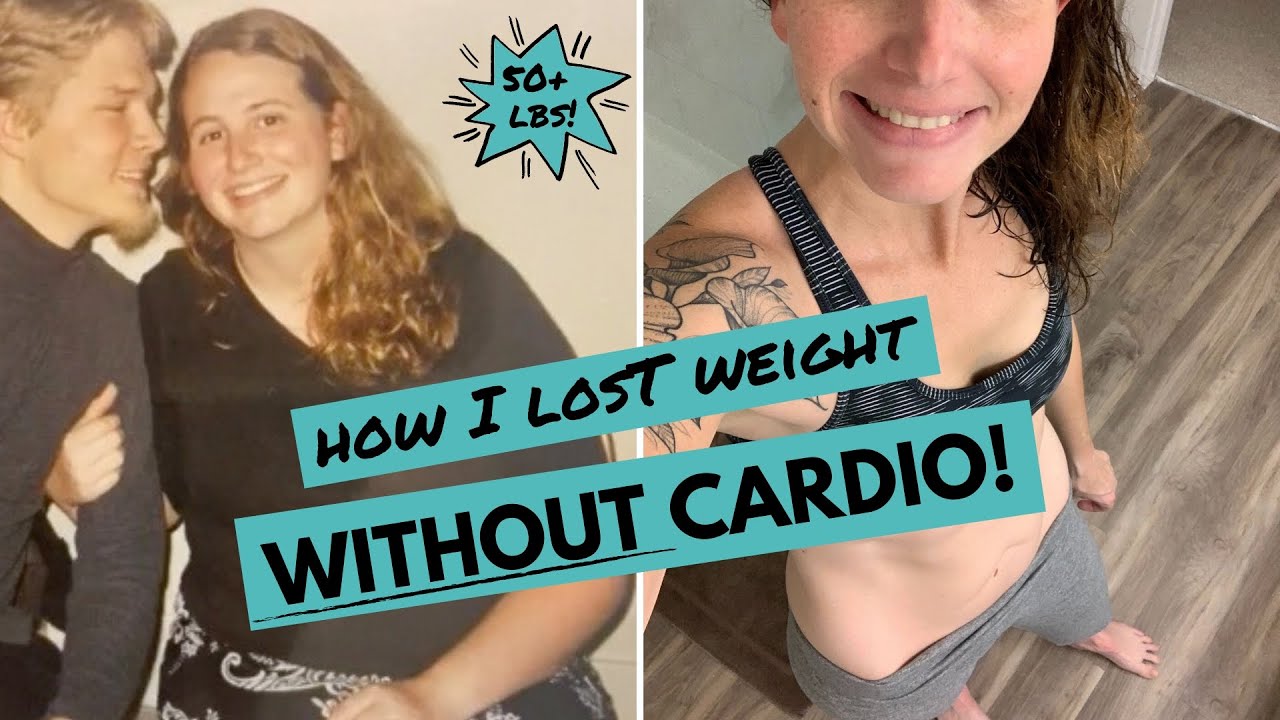
Fat loss without cardio demands steady effort and a calm mindset. Results come slower than with intense workouts but last longer. Staying consistent and patient helps your body adjust and burn fat efficiently. Skip the rush and focus on daily habits that support your goal.
Long-term Commitment
Fat loss is a journey, not a quick trip. Daily small actions build progress over months. Consistency in eating well and staying active is key. Avoid skipping days or changing routines too often. The body needs time to adapt and respond to changes.
Trust the process and keep your routine steady. Even small improvements add up to big results. Celebrate progress without expecting instant changes. Long-term commitment beats short bursts of effort every time.
Avoiding Quick Fixes
Quick fixes rarely work for lasting fat loss. Fad diets and extreme plans may cause fast weight drop but often lead to regain. These methods can harm your metabolism and energy levels. Focus on balanced eating and sensible movement instead.
Be wary of promises that sound too good to be true. True fat loss requires time and steady work. Patiently build habits that support your health and body goals. Avoid shortcuts that waste effort and harm progress.
Conclusion
Losing fat without cardio is possible and practical. Focus on strength training and healthy eating habits. Prioritize protein and whole foods to fuel your body well. Stay active throughout the day with simple movements. Drinking enough water supports metabolism and reduces hunger.
Rest and sleep help your body recover and burn fat. Small, consistent changes create lasting results. Choose what fits your lifestyle and stay patient. Fat loss takes time but feels rewarding. Keep going—you are building a healthier you.