

Are you worried that following a low-carb diet means giving up all your favorite fruits? The good news is, you don’t have to.
While some fruits are high in sugar and carbs, many delicious and nutritious options fit perfectly into your low-carb lifestyle. Imagine enjoying juicy berries, creamy avocados, or zesty lemons without breaking your carb limits. You’ll discover which fruits can satisfy your sweet cravings and which ones to avoid.
By the end, you’ll feel confident making smart fruit choices that support your goals and keep your meals exciting. Ready to find out how fruits can be your low-carb friends? Let’s dive in.
Low-carb Fruits To Include
Choosing the right fruits is important on a low-carb diet. Many fruits contain natural sugars that can add up quickly. Some fruits fit well into a low-carb plan because they have fewer carbs and offer nutrients without spiking blood sugar. Here are some low-carb fruits to include in your meals and snacks.
Avocados And Healthy Fats
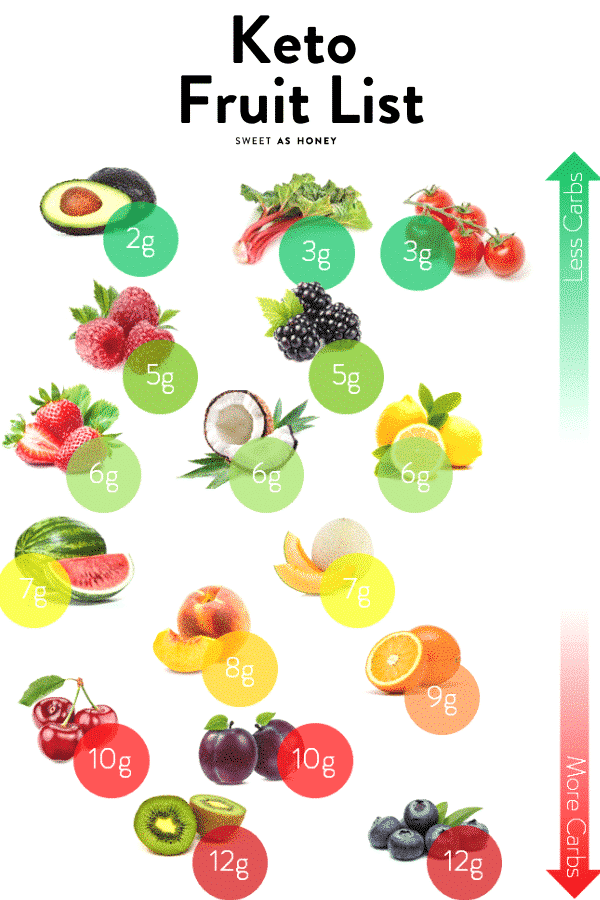
Avocados are rich in healthy fats and very low in net carbs. They contain fiber, which helps reduce the carb impact. Avocados support heart health and provide important vitamins. You can eat avocados sliced, mashed, or blended into smoothies.
Berries: Strawberries, Raspberries, Blackberries
Berries like strawberries, raspberries, and blackberries have fewer carbs than many other fruits. They offer antioxidants and vitamins with less sugar. Berries make great snacks or toppings for yogurt and salads. Portion control keeps carbs low while enjoying their natural sweetness.
Melons In Moderation
Melons such as cantaloupe and watermelon contain moderate carbs. Eating small portions fits well within low-carb limits. These fruits are hydrating and provide vitamins like A and C. Enjoy melon slices occasionally to add variety without too many carbs.
Citrus Choices: Lemons And Limes
Lemons and limes are very low in carbs and calories. Their juice adds fresh flavor to water, dressings, and dishes. Citrus zest boosts taste without adding carbs. Using lemons or limes is an easy way to enhance meals on a low-carb diet.
Other Low-carb Options: Tomatoes And Starfruit
Tomatoes and starfruit also have low net carbs. Tomatoes provide lycopene, an antioxidant linked to health benefits. Starfruit offers a unique flavor and crunch. Both can be included in salads, snacks, or cooked dishes to keep carbs low.
Credit: www.sweetashoney.co
Fruits To Avoid On Low-carb
Choosing the right fruits on a low-carb diet matters. Some fruits have high sugar content. They can quickly raise your carb intake. Avoiding these fruits helps maintain your diet goals. Focus on fruits with fewer carbs and natural sugars.
High-sugar Fruits To Skip
Fruits with high sugar count raise blood sugar fast. These fruits add more carbs than low-carb diets allow. Avoid these to keep carb count low. They include popular and tasty fruits that can derail your progress.
Bananas
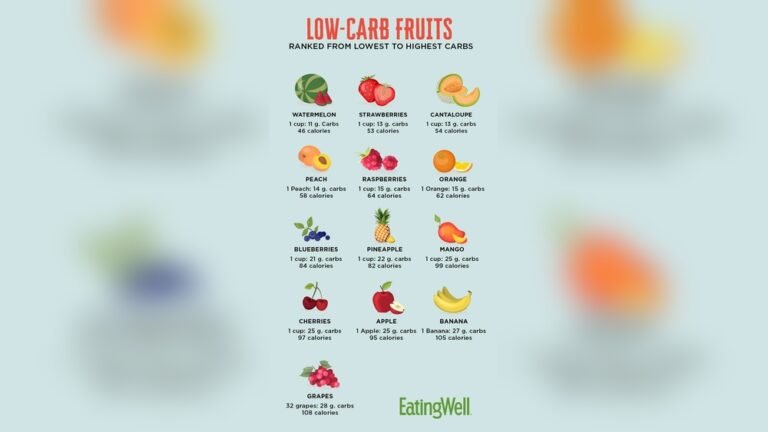
Bananas are rich in natural sugars and carbs. One medium banana contains about 27 grams of carbs. This amount is too high for most low-carb plans. Better to choose fruits with fewer carbs instead.
Grapes
Grapes contain high levels of sugar per serving. A cup of grapes has around 16 grams of carbs. Eating grapes can quickly add up your carb intake. Opt for berries or other low-sugar fruits instead.
Apples
Apples are sweet and popular but high in sugar. A medium apple has about 25 grams of carbohydrates. This amount may exceed your daily carb limit. Skip apples and try fruits with fewer carbs.
Mango
Mangoes are tropical and delicious but very sugary. One cup of mango contains roughly 24 grams of carbs. Such a high carb count is not suitable for low-carb diets. Choose lower-carb fruits for snacks.
Pineapple
Pineapple offers a sweet and tangy flavor but packs sugar. One cup of pineapple has about 22 grams of carbohydrates. This makes it hard to include in low-carb meals. Better to avoid pineapple on low-carb plans.
Carb Impact On Weight Loss
Carbohydrates play a key role in weight loss. Not all carbs have the same effect on the body. Choosing the right fruits can support your low carb diet and weight goals. Understanding how carbs affect fat and sugar levels helps in making better food choices.
How Carbs Affect Belly Fat
Carbs can cause the body to store fat, especially around the belly. Excess carbs turn into sugar, then fat, if not used for energy. Belly fat increases health risks like diabetes and heart disease. Eating low-carb fruits helps reduce this risk. These fruits provide fiber and nutrients without adding too many carbs.
Refined Carbs And Sugar Spikes
Refined carbs and sugars cause quick blood sugar spikes. These spikes lead to energy crashes and hunger soon after eating. This can cause overeating and weight gain. Low-carb fruits have less sugar and fiber, which slows sugar absorption. This helps keep blood sugar levels stable and reduces cravings.
Benefits Of Low-carb Fruits
Low-carb fruits provide essential nutrients without spiking blood sugar levels. They fit well into low-carb diets, helping maintain energy and overall health. Choosing the right fruits supports your diet goals while offering delicious variety. These fruits are not only low in carbohydrates but also rich in vitamins, minerals, and fiber.
Nutrient Density And Satiety
Low-carb fruits pack many nutrients in small servings. They contain vitamins like C and K, plus minerals such as potassium. These fruits also have fiber, which helps you feel full longer. Eating them can reduce hunger and prevent overeating. This makes sticking to a low-carb plan easier and more satisfying.
Antioxidants And Health Support
Many low-carb fruits contain antioxidants that fight cell damage. Antioxidants protect the body from harmful molecules called free radicals. This protection supports heart health and reduces inflammation. Berries, in particular, are rich in antioxidants. They help improve immune function and promote overall wellness.
Tips For Including Fruits In Low-carb Diet
Fruits provide important vitamins and fiber on a low-carb diet. Choosing the right types and amounts helps keep carb intake low. Smart planning lets you enjoy fruits without breaking your carb limits.
These tips guide you on how to include fruits wisely. They focus on portion control and pairing fruits with other foods.
Portion Control Strategies
Keep fruit servings small to manage carbs. Use measuring cups or a food scale for accuracy. A small bowl of berries or a quarter of an avocado fits well in low-carb plans. Avoid large fruit portions that spike blood sugar. Eat fruits slowly to enjoy flavors and feel full. Track your fruit intake to stay within carb goals.
Combining Fruits With Protein And Fats
Pair fruits with protein or healthy fats. This slows sugar absorption and reduces blood sugar spikes. Try berries with Greek yogurt or avocado with nuts. Adding fats or protein increases meal satisfaction. It helps control hunger and keeps energy steady. This balance supports your low-carb lifestyle effectively.
:max_bytes(150000):strip_icc()/EWL-290638-low-carb-fruits-ranked-from-lowest-to-highest-carbs-hero-b5b3e326f2d141e0bb44e0ca95a83ec1.jpg)
Credit: www.eatingwell.com

Credit: www.healthline.com
Conclusion
Choosing the right fruits can support your low-carb diet well. Fruits like avocados, berries, and citrus offer flavor without many carbs. Avoid high-sugar fruits such as bananas and grapes to stay on track. Eating low-carb fruits helps keep energy stable and cravings low.
Enjoy these tasty options in moderation for a balanced, healthy diet. Small changes make a big difference over time. Keep fruits smart and simple to reach your low-carb goals.