

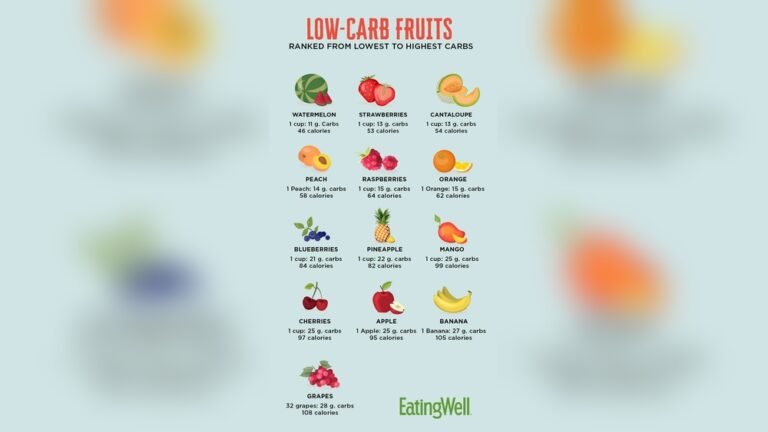
Are you looking to enjoy fresh, tasty fruits without worrying about carbs? You might think all fruits come with a carb load, but that’s not always true.
Imagine snacking on something sweet and juicy that fits perfectly into your low-carb lifestyle. Curious? Keep reading to discover which fruits can satisfy your cravings while keeping your carb count low. This simple knowledge could change the way you approach healthy eating forever.
Low-carb Vs Zero-carb Fruits
Fruits are often seen as healthy snacks, but their carbohydrate content can vary greatly. Some fruits contain very few carbs, while others have almost none. Understanding the difference between low-carb and zero-carb fruits can help you make better food choices. This knowledge is key for those managing their carb intake for health reasons.
Distinguishing Carbohydrate Content
Low-carb fruits contain a small amount of carbohydrates, usually less than 10 grams per serving. Examples include berries like strawberries and blackberries. These fruits provide fiber, vitamins, and antioxidants with minimal carbs.
Zero-carb fruits, however, have no measurable carbohydrates. These are very rare because most fruits contain natural sugars. Some fruits may appear zero-carb due to very low carb counts, but truly zero-carb fruits are almost nonexistent.
Impact On Diet And Health
Choosing low-carb fruits can support weight loss and blood sugar control. Their fiber slows digestion and reduces sugar spikes. They fit well into ketogenic and low-carb diets.
Zero-carb fruits, if available, would have no effect on blood sugar or insulin levels. They would be ideal for strict carb restrictions. Still, most people benefit from low-carb fruits due to their nutrients and fiber.

Credit: www.dietdoctor.com
True Zero-carb Fruits
True zero-carb fruits are very rare. Almost all fruits contain some amount of carbohydrates. Carbs in fruits mainly come from natural sugars and fiber. These carbs provide energy and taste to fruits.
Finding fruits with absolutely no carbs is challenging. Some people believe certain fruits have zero carbs, but this is often a myth. Understanding the truth helps make better food choices.
Myth Vs Reality
Many believe some fruits have no carbs. The truth is, most fruits have at least a tiny amount. Even berries and citrus fruits contain small carbs.
Nutrition labels may show zero carbs due to rounding. If carbs are less than 0.5 grams per serving, they might list as zero. This does not mean the fruit is truly carb-free.
True zero-carb fruits do not exist in nature. Every fruit has natural sugars or fiber that count as carbs.
Examples Of Zero-carb Fruits
No fruits are completely free of carbohydrates. Some fruits have very low carbs, almost negligible. Avocados and olives are examples often mistaken as zero-carb. They have very low net carbs but are not zero.
Fruits like tomatoes and rhubarb also have low carbs. These can fit into low-carb diets but still contain some carbs.
For a strict zero-carb diet, rely on non-fruit foods instead. Vegetables like spinach and herbs have near-zero carbs.
Fruits With Negligible Carbs
Fruits with negligible carbs fit perfectly into low-carb diets. They offer natural sweetness without spiking blood sugar. These fruits provide vitamins, minerals, and fiber. Eating them helps maintain energy and supports overall health.
Choosing fruits low in carbohydrates allows more flexibility in meal planning. It keeps carb intake under control while enjoying fresh, tasty options. Here are some fruits with very low carb counts to consider.
Berries And Their Carb Counts
Berries are among the best low-carb fruits. Strawberries, raspberries, and blackberries have around 5-6 grams of net carbs per 100 grams. Blueberries have slightly higher carbs but still fit moderate low-carb diets.
These fruits contain antioxidants that support the immune system. Their fiber content helps digestion and keeps you full longer. Berries add natural sweetness to meals without excess sugars.
Citrus Fruits On Low-carb Diets
Citrus fruits like lemons, limes, and oranges offer low net carbs. Lemons and limes have about 3-4 grams of net carbs per 100 grams. Oranges contain slightly more, around 8 grams, but in small servings, they remain low carb.
Citrus fruits provide vitamin C, which boosts immunity and skin health. Their refreshing taste can brighten salads and drinks. They work well for flavor and nutrition in low-carb eating plans.
Benefits Of Zero-carb Fruit Choices
Zero-carb fruits offer unique benefits for health and diet. Choosing fruits without carbohydrates helps control sugar intake. This choice supports a balanced and steady energy level throughout the day. It also fits well with many low-carb or ketogenic diets. Eating zero-carb fruits can be simple and effective for better health.
These fruits contain essential vitamins and minerals without adding carbs. They help maintain good nutrition while limiting calorie intake. Zero-carb fruit options can improve overall wellness and support specific health goals.
Blood Sugar Control
Zero-carb fruits do not raise blood sugar quickly. This helps prevent spikes in glucose levels. People with diabetes or insulin resistance benefit from this effect. Stable blood sugar supports better energy and mood. Eating these fruits reduces the risk of blood sugar crashes. They make it easier to manage daily sugar levels.
Weight Management
Fruits without carbs often have fewer calories. This helps reduce overall calorie intake naturally. They can be satisfying snacks without causing weight gain. Zero-carb fruits also reduce hunger and cravings. This supports healthy eating habits. Choosing these fruits makes weight control easier and more effective.
Incorporating Low Or Zero-carb Fruits
Incorporating low or zero-carb fruits into your diet can help control blood sugar levels. These fruits provide flavor without adding many carbs. They fit well in many meal plans and snacks. Choosing the right fruits supports a balanced and healthy lifestyle.
Meal Planning Tips
Start your day with berries or small amounts of melon. Pair fruits with protein or healthy fats to stay full longer. Use low-carb fruits in salads for a fresh twist. Keep portions small to manage carb intake effectively. Plan meals around these fruits to enjoy natural sweetness.
Snack Ideas
Snack on cucumber slices or olives for a crunchy, low-carb choice. Add a handful of raspberries or blackberries to yogurt. Enjoy avocado chunks with a pinch of salt for creaminess. Freeze slices of watermelon for a cool treat. These snacks satisfy hunger without extra carbs.

Credit: www.thelittlepine.com
Common Misconceptions
Many people believe all fruits contain a lot of carbohydrates. This is a common misunderstanding. Some fruits have fewer carbs than others. Knowing the difference helps make better food choices.
Are All Fruits High In Carbs?
Not all fruits have high carb levels. Some fruits have very low or almost no carbs. For example, avocados and olives contain very few carbohydrates. Eating these fruits won’t spike blood sugar.
Fruits like berries have moderate carbs but also offer fiber and nutrients. Choosing the right fruit depends on your diet needs. It’s important to check carb content before deciding.
Sugar Content Vs Carb Content
Sugar is a type of carbohydrate, but not all carbs are sugar. Fruits contain natural sugars like fructose. These sugars add to the total carbs in fruit.
Some fruits might taste sweet but have low total carbs. This happens when the fruit has more fiber, which lowers net carbs. Fiber does not raise blood sugar.
Understanding the difference helps avoid confusion. Focus on total carbs and fiber to know fruit’s impact on your diet.
Alternatives To Fruits For Zero-carb Diets
Fruits usually contain carbs, which can be a concern for zero-carb diets. Finding tasty and healthy alternatives helps keep your diet on track. Some options provide flavor and nutrients without adding carbs. These alternatives can make your meals more enjoyable.
Vegetables With Minimal Carbs
Some vegetables have very few carbs and fit well in zero-carb diets. Leafy greens like spinach and kale are good choices. Cucumbers and celery also have minimal carbs and add crunch. These veggies provide vitamins and fiber without raising carb intake. Use them in salads or as snacks to stay low-carb.
Supplements And Flavor Enhancers
Supplements can help replace nutrients lost without fruits. Electrolyte powders and multivitamins support health on zero-carb plans. Natural flavor enhancers like herbs and spices add taste without carbs. Lemon juice or vinegar can brighten dishes without sugar. These options keep meals interesting and nutritious.

Credit: www.dietdoctor.com
Conclusion
Fruits with no carbs are rare but do exist. Choosing these fruits can support low-carb diets. They provide vitamins and hydration without extra carbs. Remember, balance is key in any healthy eating plan. Enjoy these fruits as part of your daily meals.
Stay mindful of overall nutrition for best results. Eating smart helps maintain energy and health. Keep exploring natural foods that fit your lifestyle. Simple choices lead to lasting habits.