

Are you curious about what a good BMI for men really means for your health? Understanding your Body Mass Index (BMI) can be a simple yet powerful way to gauge whether your weight is in a healthy range.
But here’s the catch: it’s not just about the numbers. Your age, muscle mass, and even bone density all play a role in what makes your BMI “good” or ideal. You’ll discover how to interpret your BMI correctly, why it matters specifically for men, and what steps you can take to maintain a healthy balance.
Ready to unlock the truth about your body’s best weight? Keep reading to find out how you can take control of your health starting today.
Men’s Bmi Basics
Understanding the basics of BMI is essential for men’s health. Body Mass Index, or BMI, helps estimate body fat based on height and weight. It is a simple way to check if a man’s weight falls within a healthy range. Knowing these basics supports better health decisions and lifestyle choices.
Men’s BMI can indicate risk for conditions like heart disease and diabetes. Yet, BMI is only one part of the health picture. It should be used with other measures and advice from health professionals.
What Bmi Measures
BMI measures the ratio of weight to height. It calculates if a man’s weight is under, normal, or overweight. This number helps identify potential health risks linked to weight. BMI does not measure muscle, bone, or fat directly. It is a quick screening tool, not a full health assessment.
Bmi Categories For Men
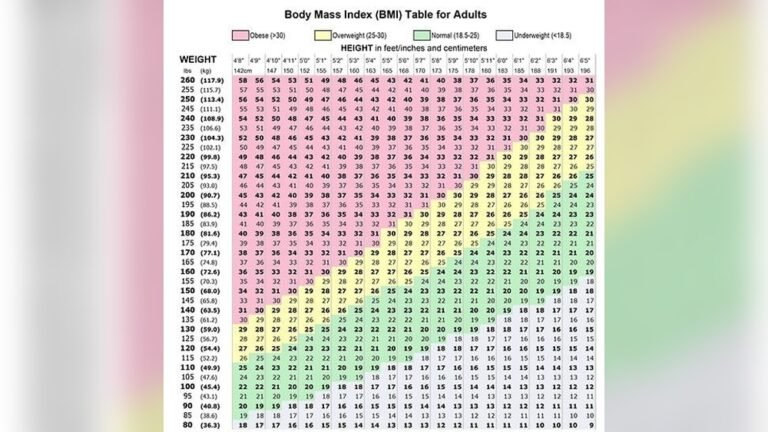
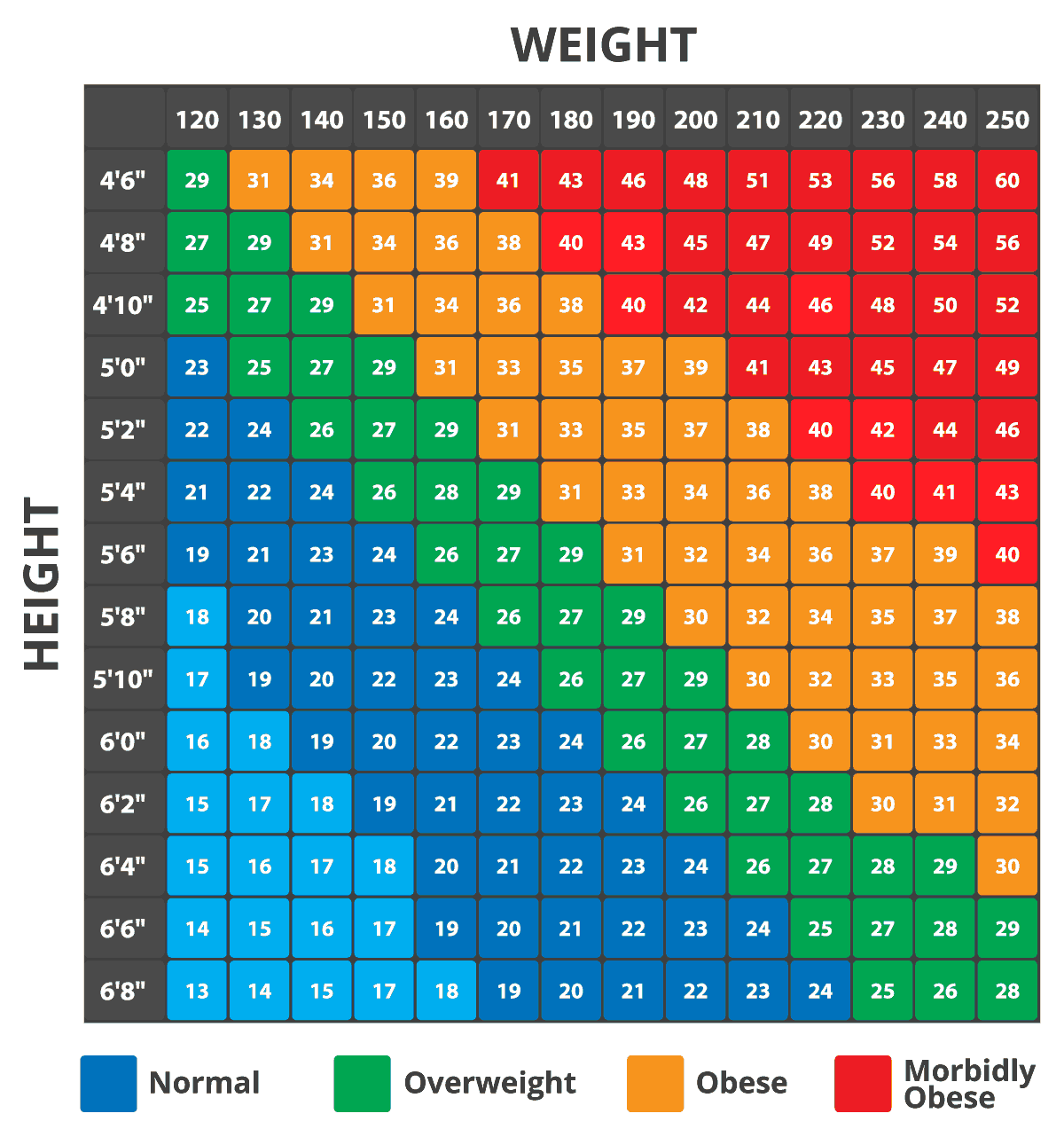
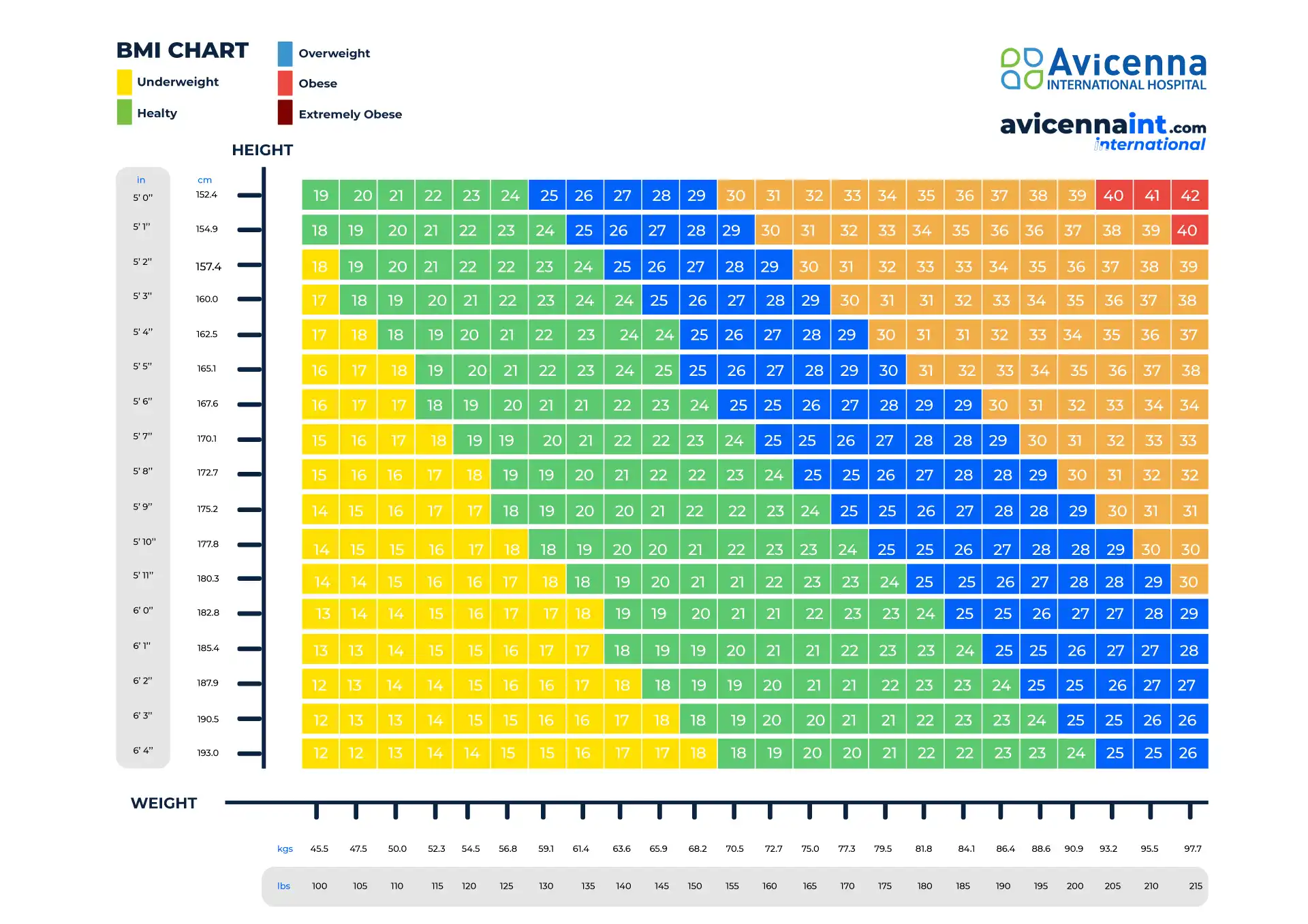
BMI scores fall into categories showing weight status. Under 18.5 is underweight. From 18.5 to 24.9 is a healthy weight range. Between 25 and 29.9 is overweight. Above 30 is obese. Each category signals different health risks. Staying in the healthy range lowers the chance of many diseases.
How Age Influences Bmi
Age affects how BMI relates to health. Muscle mass usually decreases as men get older. This can raise BMI even if body fat stays the same. Older men may have a slightly higher healthy BMI range. Age should be considered when interpreting BMI results. Regular check-ups help track changes and maintain health.
Ideal Bmi Ranges
Understanding the ideal BMI ranges for men helps maintain good health and prevent diseases. BMI, or Body Mass Index, measures body fat based on height and weight. It provides a simple way to check if a man’s weight is within a healthy range. The ideal BMI can vary depending on age and other factors. Knowing these ranges guides men in setting realistic health goals.
Bmi Targets By Age Group
Men’s BMI targets change as they get older. For young adults, a BMI between 18.5 and 24.9 is healthy. Middle-aged men may aim for a slightly higher range, about 23 to 27. This shift helps account for natural changes in body composition. Teenagers and older men might have different healthy ranges too. Age-specific targets reflect how body fat and muscle mass evolve over time.
Differences In Optimal Bmi
Not every man fits into one BMI category. Muscle mass, bone density, and body type affect what is healthy. Athletes often have higher BMI but low body fat. For them, a BMI over 25 may not mean overweight. On the other hand, men with less muscle may need a lower BMI target. Understanding these differences prevents misinterpretation of BMI numbers.
Bmi For Older Adults
Older men often have a higher BMI range considered healthy. A BMI of 25 to 29.9 may be acceptable for men over 65. This range helps protect against muscle loss and frailty. Too low a BMI in older age can lead to health risks. Maintaining a balanced BMI supports strength, mobility, and overall well-being in later years.
Factors Affecting Bmi Accuracy
BMI is a common tool to estimate body fat. It uses height and weight to find a number. This number helps check if weight is healthy. But BMI is not perfect. Several factors can change its accuracy. Understanding these factors helps men use BMI better.
Men with more muscle or denser bones may have higher BMI. Ethnicity also changes body build and fat distribution. Plus, BMI does not measure health fully. These points affect how BMI should be read.
Role Of Muscle Mass And Bone Density
Muscle weighs more than fat. Men with strong muscles can have high BMI but low fat. Bone density also adds to weight. Athletes or active men may seem overweight by BMI. This can give a false idea of health risk.
Impact Of Ethnicity
Different ethnic groups store fat differently. Some have more fat around organs, others under the skin. BMI may not reflect these differences well. This can change health risks even at the same BMI number. Doctors often consider ethnicity in health checks.
Limitations Of Bmi As A Health Tool
BMI does not measure fat directly. It misses fat location and muscle quality. It cannot detect health problems like diabetes or heart disease alone. BMI is a screening tool, not a diagnosis. Other tests and exams give a fuller health picture.
Using Bmi With Other Health Indicators
BMI is a simple way to check if a man’s weight fits his height. It helps find a healthy weight range. But BMI alone does not show the full health picture. Other health measures help give a clearer view of overall wellness. Combining these tools can guide better health choices.
Combining Bmi With Body Composition
BMI does not separate muscle from fat. A man with high muscle can have a high BMI but low fat. Body composition tests show fat and muscle amounts. This helps understand health better than BMI alone. It reveals if weight is from muscle or excess fat. This matters for fitness and health risks.
Considering Waist Circumference
Waist size shows fat around the belly. Belly fat links to heart disease and diabetes risk. Measuring waist helps check this risk. Men with a large waist may face more health problems. Waist size works with BMI to spot health risks. This simple measure adds important health clues.
Consulting Healthcare Professionals
Doctors use many tools to assess health. They look beyond BMI to see the full picture. A healthcare provider can suggest tests and lifestyle changes. They consider age, muscle, bone, and other health factors. Talking to a professional ensures personal and safe advice. It helps set real goals for a healthy life.
Maintaining A Healthy Bmi
Maintaining a healthy BMI is vital for men’s overall health. It helps reduce risks of heart disease, diabetes, and other illnesses. Keeping your BMI in the right range supports energy, strength, and well-being. Simple daily choices can keep your weight steady and your body fit.
Lifestyle Habits For Optimal Weight
Good habits make a big difference. Avoid sitting for long periods. Take short walks during breaks. Sleep well each night; 7-8 hours is ideal. Manage stress through relaxation or hobbies. Avoid smoking and limit alcohol intake. These habits keep your body balanced and your weight in check.
Exercise And Muscle Health
Exercise helps control weight and builds muscle. Aim for at least 150 minutes of moderate activity weekly. Include strength training twice a week to maintain muscle mass. Muscle burns more calories than fat, even when resting. Activities like walking, cycling, or swimming improve heart health. Keep moving to support a healthy BMI.
Nutrition Tips For Men
Eat a balanced diet rich in fruits and vegetables. Choose whole grains over refined ones. Include lean proteins like chicken, fish, and beans. Limit sugary snacks and drinks that add empty calories. Watch portion sizes to avoid overeating. Drink plenty of water throughout the day. Healthy eating fuels your body and controls your weight.
Credit: austingynecomastiacenter.com
Bmi Myths And Facts
BMI or Body Mass Index often causes confusion. Many men rely on it to check health. Yet, there are many myths about what BMI really means. Understanding the facts helps you make better choices about weight and health. Let’s clear up some common misunderstandings and see what science says.
Common Misconceptions
BMI is not a direct measure of fat. It only uses height and weight. Some believe a high BMI means unhealthy fat. Others think a low BMI means perfect health. Both ideas are wrong. Muscle weighs more than fat, which can raise BMI. Also, BMI does not show where fat is stored.
When Bmi Can Be Misleading
Athletes often have a high BMI but low body fat. Older men may have normal BMI but higher fat levels. BMI does not consider muscle mass or bone density. It can misclassify muscular men as overweight or obese. This makes BMI less accurate for some groups. Always consider other health measures along with BMI.
Scientific Insights On Bmi
Studies show BMI is a good screening tool for large groups. It helps estimate risk for diseases like diabetes and heart disease. Yet, it cannot diagnose health problems alone. Doctors use BMI with other tests for better results. Science agrees BMI is useful but not perfect. It is one piece of the health puzzle.
Tools And Resources
Understanding your Body Mass Index (BMI) is easier with the right tools and resources. These help you track and assess your weight in relation to your height. They offer simple ways to check if your BMI falls within a healthy range.
Using these tools regularly supports better health decisions. They provide quick insights without needing complex calculations or medical knowledge.
Bmi Calculators
BMI calculators are online tools that compute your BMI instantly. You enter your weight and height, and they do the math for you. This helps you see if your weight is healthy or if changes are needed. Many websites and apps offer free BMI calculators. They are easy to use and give results in seconds.
Weight And Height Charts
Weight and height charts show the healthy weight range for different heights. These charts help you find your ideal weight by matching your height. Men can check where their weight fits on the chart. This visual tool is simple and clear. It helps set realistic weight goals based on height.
Professional Health Assessments
Doctors and health professionals provide more detailed evaluations. They look beyond BMI to consider muscle, bone, and overall health. Professional assessments include physical exams and sometimes body fat tests. This helps create a personalized health plan. Consulting a professional ensures your BMI is interpreted correctly.

Credit: www.health.harvard.edu
Credit: avicennaint.com
Conclusion
A good BMI for men usually falls between 18. 5 and 24. 9. This range helps lower the risk of health problems. Keep in mind, BMI is just one tool to check your health. Muscle and bone weight can change your BMI without affecting health.
Age also changes what is a healthy BMI. Always talk to a doctor for advice that fits your body. Focus on balanced eating and regular exercise to stay healthy. Small steps lead to lasting results and better well-being.