
Losing weight while building muscle is a goal for many people, but it often feels confusing or out of reach. You may wonder, “Should I eat less or more? Do I need special foods? What is the best way to balance my meals?” The truth is, finding a good diet to lose weight and gain muscle is not about complicated rules. It is about understanding how your body uses food and choosing the right balance of nutrients for your goals.
Many people make the mistake of following extreme diets or skipping meals. Others focus only on eating lots of protein but forget about other important nutrients. The right approach is much simpler and more effective. With the right knowledge, you can eat well, feel strong, and see real results.
In this guide, you will learn how to choose foods that help you lose fat, build muscle, and keep your body healthy. You will also discover common mistakes, practical meal ideas, and tips that even beginners can use. If you want a clear, simple plan that works, keep reading.
Understanding The Basics: How Diet Impacts Weight Loss And Muscle Gain
Before starting any diet plan, it is important to know how your body works. Losing weight and gaining muscle are not the same, but they are connected. Your food choices affect both.
When you eat fewer calories than your body uses, you lose weight. This is called a calorie deficit. If you eat more calories than you burn, you gain weight. But just eating less is not enough if you want to gain muscle. To build muscle, you need enough protein and energy to support your workouts and recovery.
Your body needs:
- Proteins to build and repair muscle
- Carbohydrates for energy, especially during workouts
- Fats for hormones and overall health
- Vitamins and minerals for recovery and energy
A good diet combines these in the right amounts, so you can lose fat but keep (or even build) muscle.
Why Losing Fat And Gaining Muscle At The Same Time Is Hard
Your body finds it easier to do one thing at a time: lose fat or build muscle. But with a smart diet and regular exercise, you can do both. This is called body recomposition. It works best for beginners, people who are coming back after a break, or those who have extra body fat.
The key is to eat enough to keep your muscles, but not so much that you gain extra fat.
Setting Your Calorie Goals
Knowing how many calories you need is the first step. This helps you avoid eating too much or too little.
How To Find Your Calorie Needs
- Calculate your Basal Metabolic Rate (BMR): This is how many calories your body uses at rest.
- Add your activity level: The more active you are, the more calories you need.
- Set your goal: If you want to lose weight, eat a bit less than you burn. If you want to build muscle, eat a little more.
A simple way to estimate your daily calorie needs:
- For weight loss: Multiply your body weight (in pounds) by 10-12.
- For maintenance: Multiply by 13-15.
- For muscle gain: Multiply by 16-18.
For example, a 70 kg (154 lb) person wanting to lose weight:
154 x 11 = 1,694 calories per day (as a starting point).
How Big Should Your Calorie Deficit Be?
For most people, a deficit of 300-500 calories per day is enough. This helps you lose about 0. 5 kg (1 lb) per week. Losing weight too fast can cause muscle loss.
Should You Count Calories?
You do not have to track every calorie forever. But counting for a few weeks helps you understand your eating habits. Apps like MyFitnessPal or Cronometer can make this easier.
Choosing The Right Macronutrient Balance
Macronutrients are protein, carbohydrates, and fats. Getting the right mix is key for losing fat and building muscle.
Protein: The Muscle Builder
Protein is the most important nutrient for muscle. It helps repair and grow muscle after exercise. It also keeps you full and helps you lose fat.
How much protein do you need?
- Aim for 1.6 to 2.2 grams per kilogram of body weight per day (0.7 to 1 gram per pound).
For a 70 kg (154 lb) person: 112–154 grams of protein per day.
Good sources of protein:
- Chicken breast
- Turkey
- Fish (salmon, tuna)
- Lean beef
- Eggs
- Greek yogurt
- Tofu and tempeh
- Beans and lentils
Carbohydrates: The Energy Source
Carbs fuel your workouts. Cutting carbs too much can make you tired and weak, especially during heavy exercise.
How much carbohydrate do you need?
- 2 to 3 grams per kilogram of body weight per day is a good range.
- If you are very active, you may need more.
Good sources of carbohydrates:
- Rice (brown or white)
- Oats
- Sweet potatoes
- Whole grain bread
- Fruits (bananas, apples)
- Vegetables
Fats: The Hormone Helper
Fats are important for hormone balance and vitamin absorption. Low-fat diets can hurt muscle growth.
How much fat do you need?
- 0.8 to 1 gram per kilogram of body weight per day.
Good sources of healthy fats:
- Olive oil
- Avocado
- Nuts and seeds
- Fatty fish (salmon, sardines)
- Nut butters
Example Macronutrient Split
Here’s how a daily diet might look for a 70 kg (154 lb) person aiming for 1,700 calories:
| Macronutrient | Grams per Day | Calories | % of Total |
|---|---|---|---|
| Protein | 140g | 560 | 33% |
| Carbohydrates | 170g | 680 | 40% |
| Fat | 51g | 460 | 27% |
You can adjust these numbers based on your body, activity, and progress.
Best Foods To Lose Weight And Gain Muscle
Some foods make it much easier to reach your goals. They are rich in nutrients, fill you up, and support muscle recovery.
Lean Proteins
Eating enough protein is essential. Choose:
- Chicken breast: Low in fat, high in protein.
- Eggs: Whole eggs give protein and healthy fats.
- Fish: Salmon is great for omega-3s and protein.
- Greek yogurt: Double the protein of regular yogurt.
- Beans and lentils: Good for vegetarians or anyone wanting more fiber.
Whole Grains And Starches
Carbohydrates from whole foods give you steady energy.
- Brown rice: Keeps you full longer than white rice.
- Oats: Great for breakfast and rich in fiber.
- Sweet potatoes: High in vitamins and slow-digesting carbs.
- Quinoa: High in protein for a grain.
Colorful Vegetables
Vegetables add vitamins, minerals, and fiber. They also help control hunger.
- Spinach and kale: Packed with nutrients.
- Broccoli: Good for filling up with few calories.
- Bell peppers and carrots: Add color and crunch.
Healthy Fats
Don’t avoid fats. They help you stay full and support your hormones.
- Avocado: Great for salads or sandwiches.
- Nuts and seeds: Almonds, walnuts, chia seeds.
- Olive oil: Use for cooking or dressing salads.
Example Muscle-building Meal
A sample lunch could be:
- 120g grilled chicken breast (about 30g protein)
- 1 cup brown rice (45g carbs)
- 1 cup steamed broccoli (fiber and vitamins)
- 1 tablespoon olive oil (healthy fat)
This combination gives you protein, carbs, and fat in one meal.
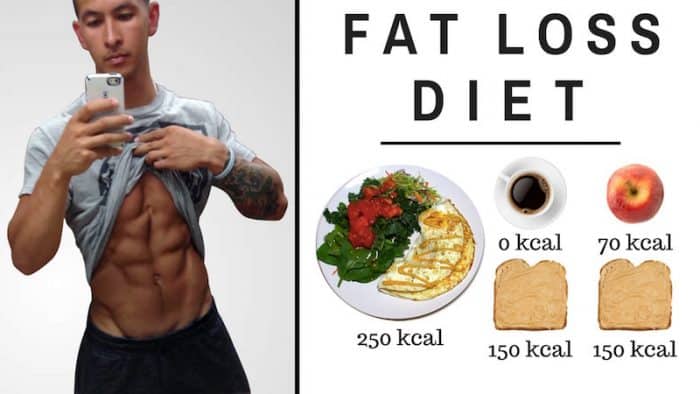
Credit: builtwithscience.com
Meal Timing And Frequency
You may hear that eating many small meals is best. Others say three big meals work better. The truth is, both can work if your total calories and protein are right.
How Often Should You Eat?
- 3 to 5 meals per day works for most people.
- Each meal should include protein to help muscle repair.
- Eating after workouts helps recovery, but the total day’s food matters most.
Is Meal Timing Important?
If you train hard, try to eat a meal with protein and carbs within 2 hours after your workout. This helps your muscles recover and grow.
Smart Meal Planning: Practical Tips
Planning meals saves time, money, and stress. You are less likely to make unhealthy choices if you know what you will eat.
How To Plan Your Meals
- Pick 2-3 proteins, carbs, and fats you enjoy.
- Mix and match them for different meals.
- Cook in batches (for example, grill chicken or cook rice for a few days).
- Prepare snacks like boiled eggs, Greek yogurt, or nuts.
- Use simple seasoning—herbs, spices, lemon juice.
Example Weekly Food Choices
| Protein | Carbohydrate | Fat | Vegetable |
|---|---|---|---|
| Chicken breast | Brown rice | Olive oil | Spinach |
| Eggs | Oats | Avocado | Broccoli |
| Tofu | Sweet potato | Nuts | Carrots |
| Fish | Quinoa | Seeds | Kale |
Quick Meal Prep Ideas
- Breakfast: Greek yogurt, oats, berries
- Lunch: Grilled chicken, brown rice, mixed vegetables
- Dinner: Salmon, sweet potato, spinach
- Snack: Apple with almond butter or a protein shake
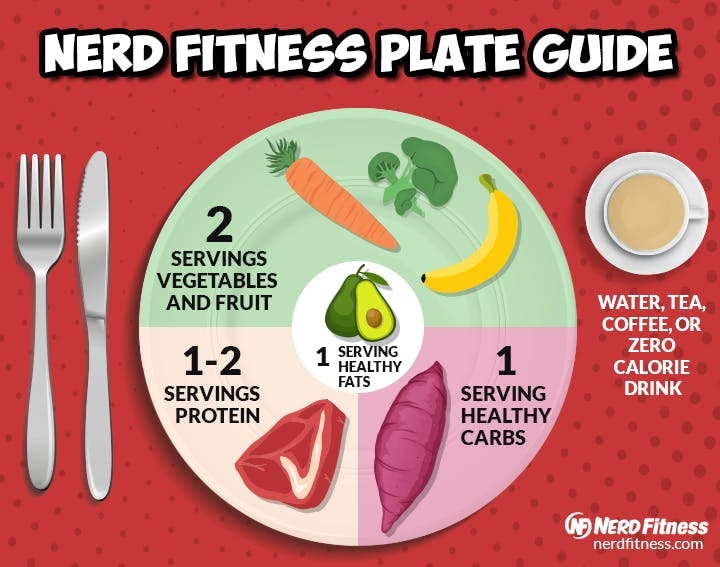
Credit: www.nerdfitness.com
Supplements: Do You Need Them?
Supplements are not magic, but some can help if your diet is missing something.
Useful Supplements
- Protein powder: Easy way to reach protein goals, especially for busy people or vegetarians.
- Creatine: Helps increase strength and muscle size.
- Omega-3 (fish oil): Good for heart and joint health if you do not eat much fish.
- Multivitamin: Can fill small gaps in your diet.
What To Avoid
- “Fat burners” or magic pills. They rarely work and can be unsafe.
- Too many supplements. Food should be your main source of nutrients.
Common Mistakes And How To Avoid Them
Many people do not see results because of common errors. Here are some to avoid.
1. Not Eating Enough Protein
Muscle needs protein to grow. If you do not get enough, you may lose muscle, not fat.
2. Cutting Calories Too Low
Eating too little can slow your metabolism and cause muscle loss. Always keep your calorie deficit moderate.
3. Ignoring Strength Training
Diet alone will not build muscle. You need to challenge your muscles with weights or resistance exercises.
4. Relying On “healthy” Packaged Foods
Some protein bars or shakes are full of sugar and calories. Whole foods are usually better.
5. Not Tracking Progress
If you do not measure your results, you will not know what is working. Check your weight, body measurements, and strength every few weeks.
How To Stay Motivated And Consistent
Sticking to a diet and exercise plan is often the hardest part. Here are ways to make it easier.
Set Clear, Realistic Goals
- Focus on progress, not perfection.
- Small changes add up over time.
Celebrate Small Wins
- Each workout, healthy meal, or lost kilo is a step forward.
Make It Enjoyable
- Choose foods and exercises you like.
- Try new recipes or train with a friend.
Prepare For Setbacks
- If you slip up, do not quit. Get back on track with your next meal or workout.
Track Your Progress
- Use a notebook, app, or photos.
- Seeing change keeps you motivated.
Realistic Results: What To Expect
You may see quick changes in the first few weeks, but real transformation takes time.
- Weight loss: 0.5 to 1 kg (1-2 lb) per week is safe.
- Muscle gain: 0.25 to 0.5 kg (0.5-1 lb) per month is normal for beginners.
Some weeks you may lose more fat, other weeks you may gain more muscle. Patience and consistency are key.

Credit: vitalearthminerals.com
Sample 1-day Diet Plan
Here is a practical example for a 70 kg (154 lb) person aiming for fat loss and muscle gain:
Breakfast:
- 2 whole eggs + 2 egg whites (protein, healthy fat)
- 1 cup cooked oats (carbs, fiber)
- 1 banana
Lunch:
- 120g grilled chicken breast
- 1 cup brown rice
- 1 cup broccoli
- 1 tablespoon olive oil
Snack:
- Greek yogurt (150g)
- 10 almonds
Dinner:
- 150g baked salmon
- 1 medium sweet potato
- Salad with spinach, tomato, and avocado
Post-workout (if needed):
- Protein shake with water
This plan gives around 1,700 calories, 140g protein, 170g carbs, and 50g fat. Adjust portions for your needs.
How Exercise Fits In
The best diet works even better with regular exercise. For best results:
- Lift weights 3-4 times per week. Focus on big movements like squats, deadlifts, push-ups, and rows.
- Add cardio 2-3 times per week. Walking, cycling, or swimming helps burn fat.
- Rest and recover. Muscles need time to grow.
You do not need a gym. Bodyweight exercises at home can work too.
Special Diet Types: Which Ones Work?
Some people ask about keto, intermittent fasting, or plant-based diets. These can work if they fit your lifestyle and help you reach your calorie and protein goals.
Keto Diet
Very low in carbs, high in fat. Can help some people lose weight but may be hard to build muscle unless you eat enough protein.
Intermittent Fasting
Eating only during certain hours (for example, 8 hours eating, 16 hours fasting). Works for some but is not magic. Total calories and protein still matter.
Plant-based Diet
Can support muscle gain and fat loss if you eat enough protein from beans, lentils, tofu, and plant protein powders.
The best diet is the one you can stick to for months, not days.
Two Insights Most Beginners Miss
1. “clean Eating” Is Not Enough
Many people think just eating healthy foods will help them lose fat and gain muscle. But you must still control your portions and total calories. Even too much healthy food can slow your progress.
2. Progress Is Not Always Linear
You may not lose weight every week. Muscle weighs more than fat, so you could look leaner but weigh the same. Use photos, body measurements, and how your clothes fit—not just the scale.
When To Change Your Diet
If you stop seeing results after several weeks:
- Re-check your calorie and protein intake.
- Make small changes, like reducing carbs or fats a little.
- Increase your activity (walk more, add a workout).
- Be patient—some plateaus are normal.
When To Ask For Help
If you feel very tired, lose strength, or your weight does not change for many weeks, consider talking to a dietitian or doctor. They can check for health issues or help you adjust your plan.
You can find more details about nutrition and exercise from the NHS Eat Well Guide.
Frequently Asked Questions
How Much Protein Should I Eat To Build Muscle?
Aim for 1.6 to 2.2 grams per kilogram of body weight per day. For most people, this means about 100–180 grams per day, depending on your size and activity.
Can I Lose Fat And Gain Muscle At The Same Time?
Yes, especially if you are a beginner or have extra body fat. Focus on a moderate calorie deficit, high protein, and regular strength training.
Do I Need To Eat Every 2-3 Hours?
No, meal timing is not critical. Eating 3 to 5 meals per day with enough protein works for most people. The total day’s calories and protein are what matter most.
Are Supplements Necessary For Weight Loss And Muscle Gain?
Supplements like protein powder or creatine can help, but they are not required. Focus on whole foods first. Only use supplements if you cannot get enough from your diet.
What Is The Best Exercise To Combine With A Good Diet?
Strength training (lifting weights or bodyweight exercises) is best for building muscle. Adding some cardio helps burn fat. The most important thing is to stay active and consistent.
A good diet to lose weight and gain muscle is not about strict rules or magic foods. It is about balance, consistency, and making smart choices every day. Start simple, adjust as you go, and enjoy the results that come from taking care of your body.