

Eating healthy can help you lose weight. It’s about making better food choices.
A healthy diet is key to achieving and maintaining a healthy weight. But it’s not just about eating less; it’s about eating right. Choosing the right foods can boost your metabolism, reduce cravings, and keep you full longer. This means you’ll eat fewer calories without feeling deprived.
The goal is to nourish your body with nutrient-dense foods that support overall health. In this post, we’ll explore various healthy diet foods that can help you shed those extra pounds. These foods are not only nutritious but also delicious, making your weight loss journey enjoyable. Ready to discover the best foods for a healthier, slimmer you? Let’s dive in.
Benefits Of A Healthy Diet
A healthy diet plays a vital role in weight loss. It not only helps you shed those extra pounds but also provides numerous other benefits. Let’s explore some of the key benefits of a healthy diet.
Improved Metabolism
A balanced diet boosts your metabolism. Foods rich in protein, fiber, and healthy fats are particularly effective. These nutrients help your body burn calories more efficiently. Lean meats, whole grains, and nuts are great choices. They keep your metabolism active and help you burn fat faster.
Enhanced Energy Levels
Eating the right foods increases your energy levels. Fresh fruits, vegetables, and whole grains provide essential nutrients. These foods give you sustained energy throughout the day. You feel less tired and more active. This helps you stay motivated for your weight loss journey. A healthy diet fuels your body, making everyday tasks easier.

Credit: www.forhers.com
Key Components Of A Weight Loss Diet
A weight loss diet is more than just reducing calories. It requires a balanced approach to ensure you get all the necessary nutrients. This helps in maintaining energy levels and overall health. Let’s explore the key components that make a weight loss diet effective.
Balanced Macronutrients
Macronutrients are the main nutrients your body needs. They include carbohydrates, proteins, and fats.
- Carbohydrates: Choose complex carbs like whole grains, vegetables, and fruits. They keep you full longer and provide steady energy.
- Proteins: Essential for muscle repair and growth. Include lean meats, fish, beans, and legumes in your diet.
- Fats: Healthy fats are crucial. Avocados, nuts, seeds, and olive oil are good sources.
Essential Micronutrients
Micronutrients are vitamins and minerals needed in smaller amounts but are crucial for your body. They support various functions, including metabolism and immunity.
| Micronutrient | Sources | Benefits |
|---|---|---|
| Vitamin C | Oranges, strawberries, bell peppers | Boosts immunity and skin health |
| Calcium | Dairy, leafy greens, almonds | Strengthens bones and teeth |
| Iron | Red meat, spinach, lentils | Improves energy levels and reduces fatigue |
Ensuring a diet rich in these components can help you reach your weight loss goals effectively. Balance and variety are key.
Foods To Include
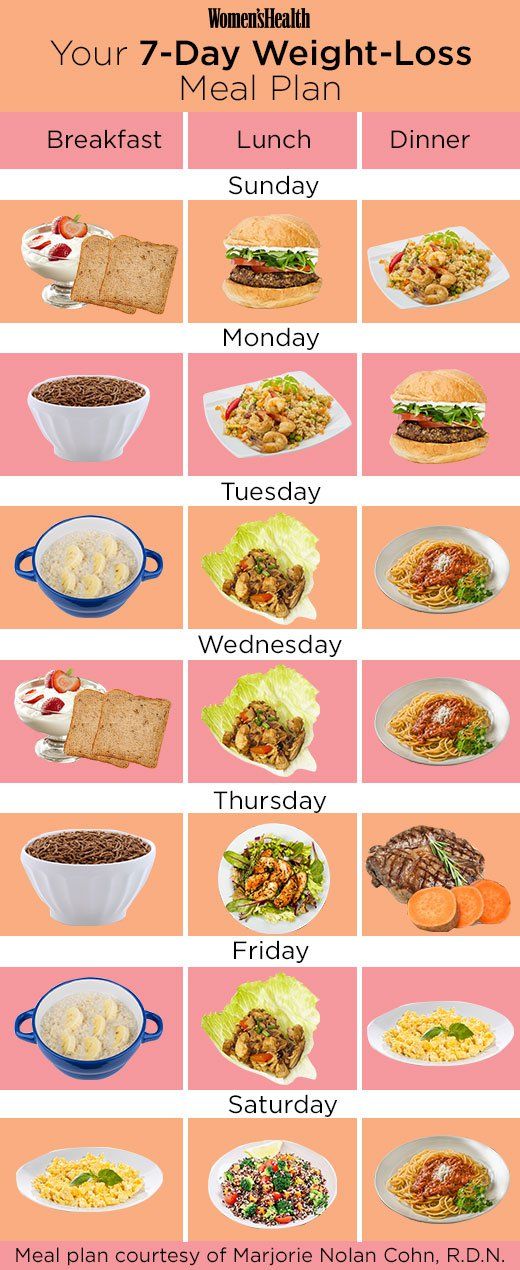
For effective weight loss, it is crucial to choose the right foods. Including the right foods in your diet can help you achieve your goals more easily. Below, we explore some of the best foods to include in your diet for weight loss.
Lean Proteins
Lean proteins are essential for weight loss. They help build muscle and keep you full. Consider adding the following lean proteins to your diet:
- Chicken breast: A great source of lean protein with low fat.
- Turkey: Leaner than red meat and rich in protein.
- Fish: Packed with omega-3 fatty acids and high-quality protein.
- Eggs: Nutrient-dense and keep you full for longer.
- Tofu: A plant-based protein option with low calories.
Whole Grains
Whole grains are an excellent source of fiber. They help keep you full and support digestion. Include these whole grains in your diet:
- Oats: Rich in fiber and can reduce hunger.
- Quinoa: High in protein and gluten-free.
- Brown rice: More nutritious than white rice with more fiber.
- Barley: Helps control appetite and blood sugar levels.
- Whole wheat: Contains more nutrients than refined grains.
Fruits And Vegetables
Fruits and vegetables are low in calories and high in vitamins and minerals. They are essential for a balanced diet. Some great options include:
- Leafy greens: Spinach, kale, and lettuce are low in calories and nutrient-dense.
- Berries: Blueberries, strawberries, and raspberries are high in antioxidants and fiber.
- Citrus fruits: Oranges, lemons, and grapefruits are rich in vitamin C.
- Broccoli: High in fiber and vitamins A, C, and K.
- Carrots: Low in calories and high in beta-carotene.
Credit: www.womenshealthmag.com
Foods To Avoid
When aiming for weight loss, understanding which foods to avoid is crucial. Some foods can hinder progress and impact your health. Here are key food categories to steer clear of for better results:
Processed Foods
Processed foods are often high in unhealthy ingredients. They contain added sugars, sodium, and artificial chemicals. These ingredients can lead to weight gain and other health issues. Examples include chips, cookies, and frozen meals. Avoid these to stay on track with your weight loss goals.
Sugary Beverages
Sugary beverages are calorie-dense and offer little nutritional value. They include sodas, sweetened teas, and fruit drinks. These drinks can spike your blood sugar levels, leading to increased hunger. Stick to water, herbal teas, or black coffee to stay hydrated without extra calories.
Trans Fats
Trans fats are harmful fats found in many processed foods. They raise bad cholesterol levels and lower good cholesterol. This can increase the risk of heart disease. Common sources include margarine, packaged snacks, and baked goods. Read labels and avoid foods containing hydrogenated oils.
Meal Planning Tips
Planning meals is a key part of a healthy diet for weight loss. It helps you stay on track and make better food choices. Here are some tips to help you plan your meals effectively.
Portion Control
Controlling portion sizes is crucial for weight loss. Eating too much, even of healthy foods, can lead to weight gain. Use smaller plates to trick your brain into feeling full. Measure your food to avoid overeating.
| Food Item | Recommended Portion |
|---|---|
| Vegetables | 1 cup |
| Fruits | 1/2 cup |
| Protein | 3 oz |
| Grains | 1/2 cup |
Stick to these portion sizes to maintain your calorie intake.
Healthy Snacking
Snacking can be part of a healthy diet. Choose snacks that are low in calories but high in nutrients. Avoid chips and candies. Opt for fruits, nuts, or yogurt instead.
- Apple slices with peanut butter
- Carrot sticks with hummus
- Greek yogurt with berries
- Almonds or walnuts
These snacks are both tasty and healthy.
Hydration
Drinking enough water is essential for weight loss. It helps you feel full and reduces cravings. Aim for at least 8 glasses a day. If you find plain water boring, add lemon or cucumber slices for flavor.
- Start your day with a glass of water.
- Carry a water bottle with you.
- Drink water before meals.
- Replace sugary drinks with water.
Staying hydrated supports your weight loss journey.
Healthy Cooking Techniques
Healthy cooking techniques can make a significant difference in your weight loss journey. They help retain nutrients, reduce fat, and enhance the flavor of your meals. Let’s explore some effective methods to cook your food healthily.
Steaming And Grilling
Steaming is a gentle cooking method. It retains the natural flavors and nutrients of the food. You can steam vegetables, fish, and even chicken. This technique avoids the need for oils or fats.
Grilling, on the other hand, gives food a delicious smoky flavor. It allows excess fats to drip away from the meat. This makes your meals healthier. Use lean cuts of meat for the best results.
Baking And Roasting
Baking is another healthy cooking method. It requires little to no oil. You can bake vegetables, fish, and lean meats. This technique keeps the food moist and tender.
Roasting is similar to baking but uses higher temperatures. It gives your food a crispy texture. Roasting brings out the natural sweetness of vegetables. Try roasting carrots, sweet potatoes, or Brussels sprouts for a tasty side dish.
Exercise And Diet
Exercise and diet go hand in hand for effective weight loss. A balanced diet fuels your body, and exercise helps burn calories. Together, they can help you achieve your weight loss goals.
Cardio Workouts
Cardio workouts are great for burning calories and improving heart health. Activities like running, cycling, and swimming are excellent choices. These exercises can help you lose weight and improve your endurance. Start with short sessions and gradually increase your workout time. Aim for at least 150 minutes of moderate cardio each week.
Strength Training
Strength training is essential for building muscle and boosting metabolism. Lifting weights, using resistance bands, and bodyweight exercises are effective. Muscle burns more calories than fat, even at rest. Include strength training exercises at least twice a week. Focus on all major muscle groups for balanced strength.

Credit: www.pinterest.com
Maintaining Long-term Success
Maintaining long-term success in a healthy diet for weight loss is crucial. It’s not just about losing weight but keeping it off. This requires a balanced approach, commitment, and consistency. Here are some key strategies to help you stay on track and achieve lasting results.
Setting Realistic Goals
Setting realistic goals is essential for long-term success. Aim for achievable targets. Instead of aiming to lose 10 pounds in a week, set a goal to lose 1-2 pounds per week.
Consider these tips for setting goals:
- Set specific, measurable, attainable, relevant, and time-bound (SMART) goals.
- Break down large goals into smaller, manageable steps.
- Focus on behavior changes rather than just the number on the scale.
Tracking Progress
Tracking your progress helps you stay accountable and motivated. It allows you to see your achievements and identify areas that need improvement.
Ways to track progress:
- Keep a food diary to log what you eat daily.
- Use a weight loss app to monitor your calorie intake and exercise.
- Take regular measurements of your body (waist, hips, arms, etc.).
Staying Motivated
Staying motivated is key to maintaining long-term success. Find ways to stay inspired and committed to your goals.
Tips to stay motivated:
- Celebrate small victories along the way.
- Surround yourself with supportive friends and family.
- Join a community or group with similar goals.
- Remind yourself of the reasons why you started.
Maintaining a healthy diet for weight loss requires effort and dedication. By setting realistic goals, tracking progress, and staying motivated, you can achieve lasting success.
Frequently Asked Questions
What Are The Best Foods For Weight Loss?
The best foods for weight loss include lean proteins, vegetables, fruits, whole grains, and healthy fats. These foods help you feel full longer and provide essential nutrients.
How Does Fiber Aid In Weight Loss?
Fiber aids in weight loss by promoting feelings of fullness. It helps regulate digestion and reduces overall calorie intake. Consuming high-fiber foods can support weight management.
Can I Lose Weight By Eating Fruits?
Yes, you can lose weight by eating fruits. They are low in calories, high in fiber, and rich in vitamins and antioxidants. Include a variety of fruits in your diet for best results.
Are Healthy Fats Good For Weight Loss?
Healthy fats, like those in avocados and nuts, are good for weight loss. They help you feel full and provide essential fatty acids. Include moderate amounts in your diet.
Conclusion
Choosing healthy diet food can support your weight loss journey. Include lean proteins, fresh vegetables, and whole grains in your meals. Drink plenty of water and avoid sugary drinks. Balance is key. Pay attention to portion sizes. Consistency matters. Make small, sustainable changes to see lasting results.
Always consult a nutritionist for personalized advice. Remember, healthy eating is a lifestyle, not a quick fix. Stay patient and committed. Your body will thank you.