


Are you tired of choosing between losing weight and gaining muscle? What if you could achieve both at the same time?
The secret lies in a healthy diet tailored just for you. By fueling your body with the right foods, you can burn fat while building lean muscle, transforming your physique and boosting your energy. This article will guide you through simple, effective nutrition strategies that fit your lifestyle.
Ready to discover how to eat smart, feel great, and see real results? Keep reading to unlock the key to your best body yet.

Credit: www.asweetpeachef.com
Key Nutrients For Fat Loss And Muscle Gain
Key nutrients play a vital role in fat loss and muscle gain. Proper nutrition supports energy needs and muscle repair. Eating the right foods helps burn fat while building lean muscle. Focus on nutrient-dense foods to fuel workouts and recovery.
Lean Protein Sources
Protein is essential for muscle growth and repair. Choose lean options like chicken, turkey, and fish. Fatty fish such as salmon provide healthy omega-3 fats. Eggs and tofu are excellent protein choices too. Plant-based proteins include beans, lentils, and edamame. Low-fat dairy like Greek yogurt and cottage cheese also support muscle health.
Complex Carbohydrates
Complex carbs provide steady energy for exercise and daily activities. Good sources include oats, quinoa, and whole grains. Fruits and vegetables also supply carbohydrates along with fiber. These carbs help maintain muscle glycogen levels. Avoid simple sugars to prevent fat gain.
Healthy Fats
Healthy fats aid hormone production and overall health. Include avocados, nuts, and seeds in your diet. Olive oil is another great fat source. These fats support fat loss and muscle recovery. Limit saturated and trans fats for better results.
Vitamins And Minerals From Fruits And Vegetables
Fruits and vegetables provide essential vitamins and minerals. These nutrients boost immune function and muscle repair. They also contain antioxidants that reduce inflammation. Aim for a colorful variety to cover all nutrient needs. Eating plenty of produce improves overall health and fitness.
Foods To Prioritize And Limit
Choosing the right foods plays a key role in losing weight and gaining muscle. Prioritizing nutrient-rich foods supports muscle growth and helps burn fat. Avoiding certain foods reduces excess calories and unhealthy fats. Focus on balanced meals with proteins, carbohydrates, and healthy fats for best results.
Top Protein Choices
Protein builds and repairs muscles. Choose lean meats like chicken, turkey, and lean beef. Fish, especially salmon, offers protein and healthy omega-3 fats. Eggs provide a complete protein source. Plant-based options include tofu, beans, lentils, and edamame. Low-fat dairy like Greek yogurt and cottage cheese supports muscle recovery.
Best Carbohydrate Options
Carbohydrates fuel workouts and support muscle function. Opt for complex carbs such as oats and quinoa. Fresh fruits supply natural sugars and vitamins. Vegetables add fiber and essential minerals. These foods help maintain energy without spiking blood sugar.
Healthy Fat Sources
Healthy fats help hormone balance and overall health. Include avocados, nuts, and seeds in your diet. Use olive oil for cooking or dressings. These fats promote muscle growth and aid in fat loss. Avoid trans fats and overly processed oils.
Foods To Avoid
Limit processed meats like sausages and bacon. High-fat dairy such as butter and full-fat cheese adds excess calories. Avoid highly processed foods and sugary drinks. These contribute to fat gain and can hinder muscle growth. Focus on whole, natural foods instead.
Calorie Management For Body Recomposition
Calorie management plays a key role in body recomposition. It helps reduce fat while building muscle. You must balance calorie intake to fuel workouts and support muscle repair. Too many calories cause fat gain. Too few calories stop muscle growth. Understanding how to manage calories improves results.
Maintaining A Moderate Calorie Deficit
Creating a small calorie deficit helps burn fat steadily. Avoid large calorie cuts. They can slow metabolism and cause muscle loss. Aim for a deficit of 10-20% below your daily needs. This allows fat loss while preserving muscle mass. Eating enough protein supports muscle during the deficit.
Balancing Energy For Muscle Growth
Muscle growth needs extra energy and nutrients. After fat loss, slightly increase calories to support muscle repair. Focus on protein-rich foods to provide amino acids. Carbohydrates supply energy for workouts. Healthy fats support hormone balance. Balancing calories helps build muscle without fat gain.
Importance Of Whole, Unprocessed Foods
Whole foods provide quality nutrients and keep you full longer. They contain vitamins, minerals, and fiber needed for health and muscle growth. Avoid processed foods with added sugar and unhealthy fats. Eating unprocessed foods improves digestion and energy levels. This supports your body recomposition goals.
Credit: www.youtube.com
Hydration Strategies
Proper hydration is vital for anyone aiming to lose weight and build muscle. Water supports many body functions that help with fat loss and muscle gain. Staying hydrated helps maintain energy, improves workout performance, and speeds up recovery. Understanding when and how to drink water can boost your results.
Optimal Water Intake Timing
Drink water before meals to reduce hunger and control calorie intake. Sip water throughout the day to stay hydrated, not just when thirsty. Drink water 30 minutes before exercise to prepare your body. During workouts, take small sips every 15 to 20 minutes. After exercise, drink enough water to replace lost fluids. Avoid drinking large amounts all at once to prevent discomfort.
Hydration’s Role In Muscle Recovery
Water helps transport nutrients to your muscles, aiding repair and growth. Proper hydration reduces muscle soreness after training. It also helps flush out toxins produced during exercise. Dehydration can slow recovery and increase fatigue. Drinking water supports protein synthesis, a key process for building muscle. Staying hydrated ensures you recover faster and train harder.
Effective Workout Routines
Effective workout routines are essential for losing weight and gaining muscle. They help burn fat while building strength. A well-planned routine balances different exercise types to maximize results. Combining resistance training with cardio enhances muscle growth and fat loss.
Circuit Training Structure
Circuit training combines several exercises performed back-to-back. It keeps the heart rate high to burn calories. Each circuit usually includes strength and cardio moves. Rest time between exercises is short for endurance. This method saves time and boosts metabolism. Circuit training fits well in busy schedules.
Resistance Exercises For Muscle Building
Resistance exercises use weights or body weight to build muscle. Common moves include squats, push-ups, and deadlifts. These exercises cause muscle fibers to grow stronger. Aim for 3 to 4 sessions per week. Focus on proper form to avoid injuries. Increasing weight gradually helps muscle growth.
Balancing Cardio And Strength Training
Cardio improves heart health and burns fat. Strength training builds muscle and boosts metabolism. Both are vital for a healthy body. Split workouts into cardio and strength days. Or combine both in the same session. Balance keeps workouts effective and prevents boredom.
Lifestyle Tips For Success
Adopting the right lifestyle habits plays a key role in losing weight and building muscle. Small, consistent actions lead to lasting results. Focus on habits that support your diet and exercise efforts. Balance, patience, and smart choices make success possible.
Consistent Meal Planning
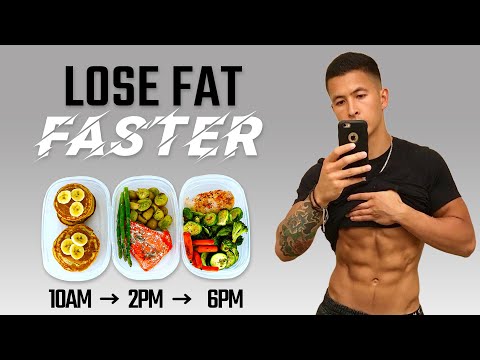
Plan your meals ahead to avoid unhealthy choices. Eating at regular times helps control hunger and boosts metabolism. Prepare meals with balanced portions of protein, carbs, and fats. This keeps energy steady and supports muscle growth.
Include snacks that are nutritious and portion-controlled. Keep a food diary to stay accountable. Consistency in meal timing and content improves your overall progress.
Rest And Recovery Importance
Rest is essential for muscle repair and growth. Aim for 7 to 9 hours of sleep each night. Quality sleep reduces stress and improves workout performance. Give muscles time to recover between training sessions.
Incorporate rest days to prevent burnout and injury. Use light activities like walking or stretching on off days. Recovery helps your body adapt and grow stronger.
Tracking Progress And Adjustments
Monitor your weight, measurements, and strength regularly. Tracking progress shows what works and what needs change. Adjust your calorie intake or workout intensity based on results.
Keep notes on how your body feels and performs. Small tweaks can improve fat loss and muscle gain. Stay flexible and patient with your plan.
Credit: www.powerofpositivity.com
Conclusion
Eating well helps you lose fat and build muscle effectively. Choose lean proteins, whole grains, and healthy fats daily. Keep a slight calorie deficit but avoid extreme cuts. Regular exercise, especially strength training, supports muscle growth. Drink plenty of water and get enough rest.
Small, consistent changes lead to lasting results. Stay patient and listen to your body’s needs. Healthy habits create a stronger, fitter you over time.