

Are you ready to take control of your weight without feeling deprived or overwhelmed? A healthy diet for weight management isn’t about strict rules or cutting out all your favorite foods.
It’s about making smart, simple choices that fuel your body and keep you satisfied. Imagine enjoying meals packed with fresh fruits, lean proteins, and whole grains that help you shed pounds while boosting your energy. This isn’t just another diet trend—it’s a lifestyle that fits your needs and keeps results lasting.
Keep reading to discover easy steps you can take today to start your journey toward a healthier weight and a happier you.
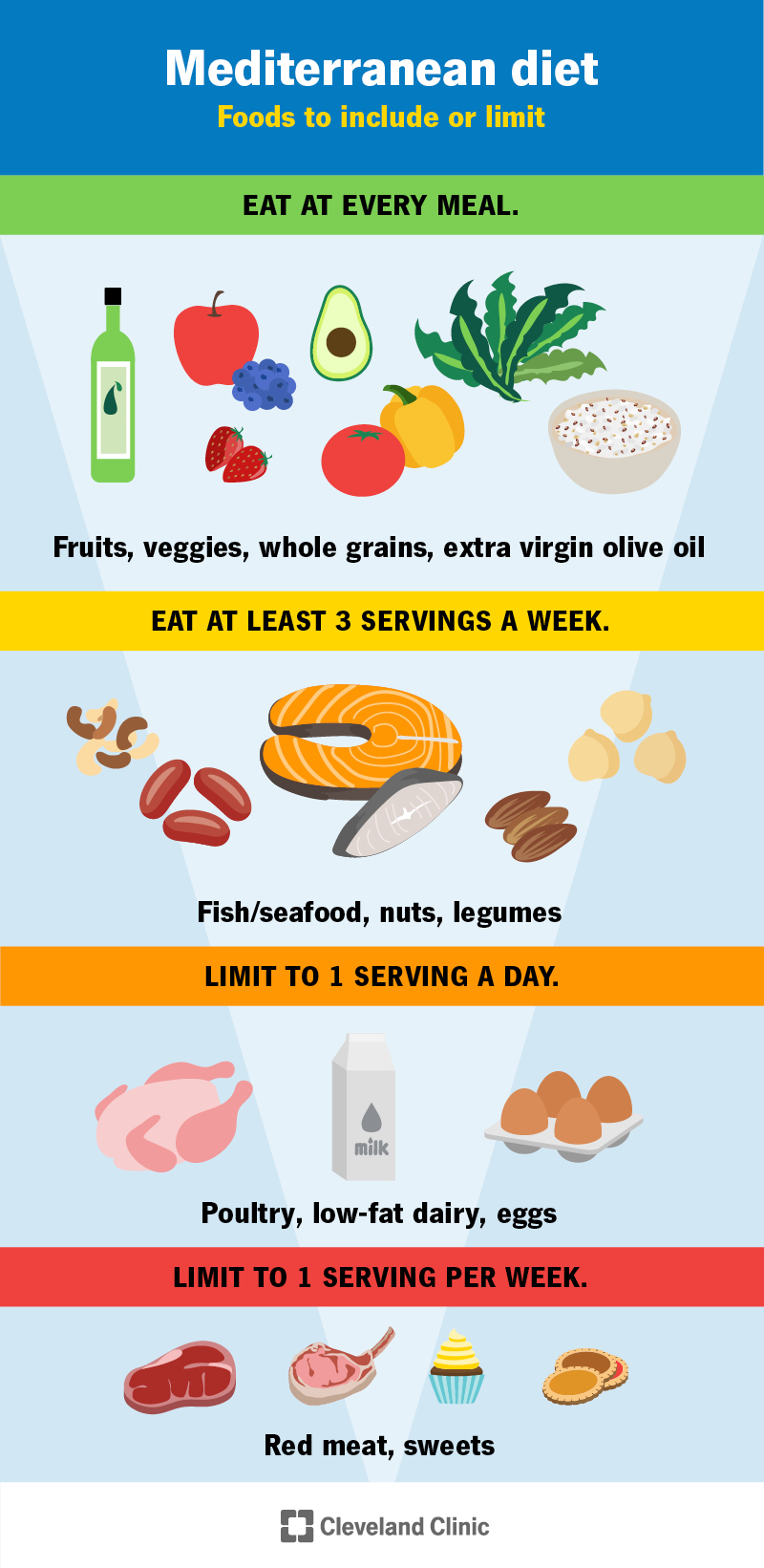
Credit: my.clevelandclinic.org
Whole Foods Focus
Focusing on whole foods plays a crucial role in healthy weight management. Whole foods provide nutrients that fuel the body and support metabolism. They are minimally processed and free from added sugars and unhealthy fats.
Eating whole foods helps you feel full longer, reducing overeating. This focus encourages natural flavors and variety, making meals enjoyable and satisfying. Below are key whole food groups essential for a balanced diet.
Fruits And Vegetables
Fruits and vegetables are rich in vitamins, minerals, and fiber. They help control hunger and improve digestion. Eating a colorful variety ensures a wide range of nutrients. Fresh, frozen, or lightly cooked options all work well. These foods are low in calories but high in volume.
Lean Proteins
Lean proteins support muscle health and repair. They include fish, poultry, beans, and nuts. Protein helps keep you full and boosts metabolism. Choosing lean cuts reduces unhealthy fat intake. Incorporate these proteins into every meal for steady energy.
Whole Grains
Whole grains contain fiber and essential nutrients often lost in refined grains. Examples include brown rice, quinoa, and whole wheat. Fiber slows digestion, promoting fullness and stable blood sugar. Whole grains provide lasting energy for daily activities. Replace refined grains with whole grains to improve diet quality.
Limit Unhealthy Ingredients
Limiting unhealthy ingredients plays a crucial role in maintaining a healthy diet and achieving weight goals. These ingredients often add extra calories and little nutrition. Cutting back on them helps your body get the nutrients it needs without excess. Small changes in your food choices can make a big difference over time.
Added Sugars
Added sugars provide extra calories with no vitamins or minerals. Foods like candies, sodas, and baked goods often contain high amounts. Excess sugar intake can lead to weight gain and increase the risk of diabetes. Choose natural sweeteners like fruit or reduce the amount of sugar in recipes. Reading labels helps identify hidden sugars in processed foods.
Saturated And Trans Fats
Saturated and trans fats raise bad cholesterol and increase heart disease risk. These fats are found in fried foods, fatty meats, and many processed snacks. Limiting these fats supports weight control and improves heart health. Use healthier fats like olive oil, nuts, and avocados. Cooking methods like baking or grilling reduce fat intake.
Sodium Reduction
High sodium intake can cause water retention and raise blood pressure. Processed and fast foods usually contain large amounts of salt. Reducing sodium helps maintain healthy blood pressure and reduces bloating. Use herbs and spices for flavor instead of salt. Cooking meals at home gives better control over sodium content.
Portion Control Strategies
Portion control is a key strategy for healthy weight management. It helps avoid overeating and keeps calorie intake in check. Learning to manage portion sizes supports better digestion and steady energy levels.
Small changes in portion sizes can lead to significant health benefits. It allows you to enjoy your favorite foods without guilt or excess calories. Portion control works well with a balanced diet and regular physical activity.
Calorie Awareness
Understanding calorie content helps control portions effectively. Every food has a calorie value that impacts weight. Tracking calories can guide better meal choices and prevent overeating. Use food labels or apps to check calories easily. Being aware of calories helps balance intake and energy burned.
Serving Size Tips
Serving size is the amount recommended for one meal or snack. Use measuring cups or a food scale to get accurate portions. Visual cues also help, like a fist for a cup or a thumb for a tablespoon. Avoid eating directly from packages to stop extra servings. Preparing smaller plates can trick your mind into feeling full sooner.
:max_bytes(150000):strip_icc()/article_7866255_foods-you-should-eat-every-week-to-lose-weight_-04-d58e9c481bce4a29b47295baade4072d.jpg)
Credit: www.eatingwell.com
Hydration And Metabolism
Hydration plays a crucial role in metabolism and weight management. Water helps the body process calories efficiently. Without enough water, metabolism slows down, making weight loss harder.
Proper hydration supports digestion and nutrient absorption. It also aids in flushing out toxins from the body. Drinking enough water can help reduce hunger and prevent overeating.
Water Intake Benefits
Water boosts metabolic rate by increasing energy use. Drinking cold water may help burn extra calories as the body warms it. Staying hydrated keeps muscles working well, which supports physical activity and calorie burning.
Water helps control appetite by making you feel full. Sometimes thirst is mistaken for hunger, leading to unnecessary snacking. Drinking water before meals can reduce calorie intake and support weight loss goals.
Hydration Tips
Drink water regularly throughout the day, not just when thirsty. Carry a water bottle to remind yourself to drink more. Choose water over sugary drinks to avoid extra calories.
Eat foods with high water content, such as fruits and vegetables. Set specific hydration goals, like eight glasses a day, to stay on track. Pay attention to your body’s signals and drink more during exercise or hot weather.
Nutrient-dense Choices
Choosing nutrient-dense foods plays a key role in maintaining a healthy weight. Nutrient-dense choices provide essential vitamins and minerals with fewer calories. This helps you feel satisfied without overeating. Eating foods rich in nutrients supports your body’s functions and boosts energy levels. These foods also help control hunger and prevent cravings. Focus on items that offer high nutrition per calorie for better weight management.
High-fiber Foods
High-fiber foods improve digestion and keep you full longer. Fiber slows down digestion, which controls blood sugar spikes. Foods like beans, lentils, whole grains, and vegetables contain lots of fiber. Fruits such as apples, berries, and pears are good sources too. Fiber helps reduce calorie intake by curbing hunger. Including fiber-rich foods helps prevent overeating and supports steady weight loss.
Low-calorie Options
Low-calorie foods provide volume without many calories. These foods fill your stomach and reduce hunger signals. Leafy greens like spinach, kale, and lettuce are great low-calorie choices. Cucumbers, tomatoes, and zucchini add bulk without adding many calories. Drinking water-rich foods, such as watermelon and celery, also helps. Eating low-calorie foods helps maintain a calorie deficit needed for weight loss.
Sample Balanced Meals
Sample balanced meals make healthy eating simple and enjoyable. They combine nutrients from various food groups to fuel your body. Balanced meals support weight management and overall wellness.
Eating a variety of foods keeps meals interesting and satisfying. A good mix of proteins, carbs, and fats helps maintain energy and fullness. These meal ideas fit well into a healthy diet plan.
Breakfast Ideas
Start your day with fiber and protein. Try oatmeal topped with fresh berries and a sprinkle of nuts. Another option is whole grain toast with avocado and a boiled egg. Greek yogurt with sliced fruit and a drizzle of honey also works well.
Lunch Options
Choose meals rich in vegetables and lean proteins. A salad with grilled chicken, mixed greens, cherry tomatoes, and olive oil dressing is filling. Whole wheat wraps with turkey, lettuce, and hummus provide balanced nutrition. Lentil soup paired with a side of whole grain bread offers warmth and sustenance.
Dinner Suggestions
Focus on lean protein and plenty of vegetables. Grilled salmon with steamed broccoli and quinoa makes a complete meal. Stir-fried tofu with mixed vegetables and brown rice is tasty and nutritious. Baked chicken breast served with roasted sweet potatoes and green beans is another good choice.
Healthy Snacks
Opt for snacks that satisfy hunger without excess calories. A handful of almonds or walnuts provides healthy fats and protein. Sliced cucumber with hummus adds crunch and flavor. Low-fat string cheese paired with an apple balances protein and fiber. Greek yogurt with a spoonful of chia seeds boosts nutrition.
Personalized Planning
Personalized planning plays a key role in achieving a healthy diet weight. Each person’s body and lifestyle are unique. A diet that works well for one person may not suit another. Tailoring your diet plan to your needs improves success and keeps you motivated. It also helps you build habits that last.
Consulting Professionals
Health experts like dietitians and doctors provide valuable guidance. They assess your current health and dietary habits. Professionals suggest plans that fit your goals and medical conditions. Their advice helps you avoid common diet mistakes. Regular check-ins ensure your plan stays effective and safe.
Sustainable Diets
Sustainability is key to long-term weight control. Choose diets that include foods you enjoy and can access easily. Avoid extreme restrictions that cause quick weight loss but are hard to maintain. Balanced meals with whole foods, lean proteins, and plenty of vegetables support steady progress. A sustainable diet feels natural, not like a chore.
Enjoying Your Food
Food should be both healthy and enjoyable. Eating meals you like reduces cravings and overeating. Experiment with herbs and spices to add flavor without extra calories. Take time to eat slowly and appreciate each bite. Enjoyment helps you stick to your diet and feel satisfied.
Exercise And Weight Loss
Exercise plays a key role in weight loss. It helps burn calories and builds muscle. Regular physical activity improves metabolism and supports fat loss. Combining exercise with a healthy diet creates the best results. Moving more also boosts mood and energy levels. Even small changes, like walking daily, can make a difference.
Physical Activity Benefits
Exercise burns calories and helps create a calorie deficit. It increases muscle mass, which burns more calories at rest. Physical activity improves heart health and lung capacity. It also reduces stress and improves sleep quality. Better sleep supports weight loss by regulating hunger hormones. Exercise boosts confidence and motivation to stay healthy.
Combining Diet And Exercise
Exercise alone is not enough for lasting weight loss. A healthy diet provides the nutrients needed for energy and recovery. Eating whole foods with lean proteins and vegetables supports muscle growth. Combining diet and exercise helps maintain weight loss over time. Planning meals and workouts together creates a balanced routine. Consistency in both areas is key for success.
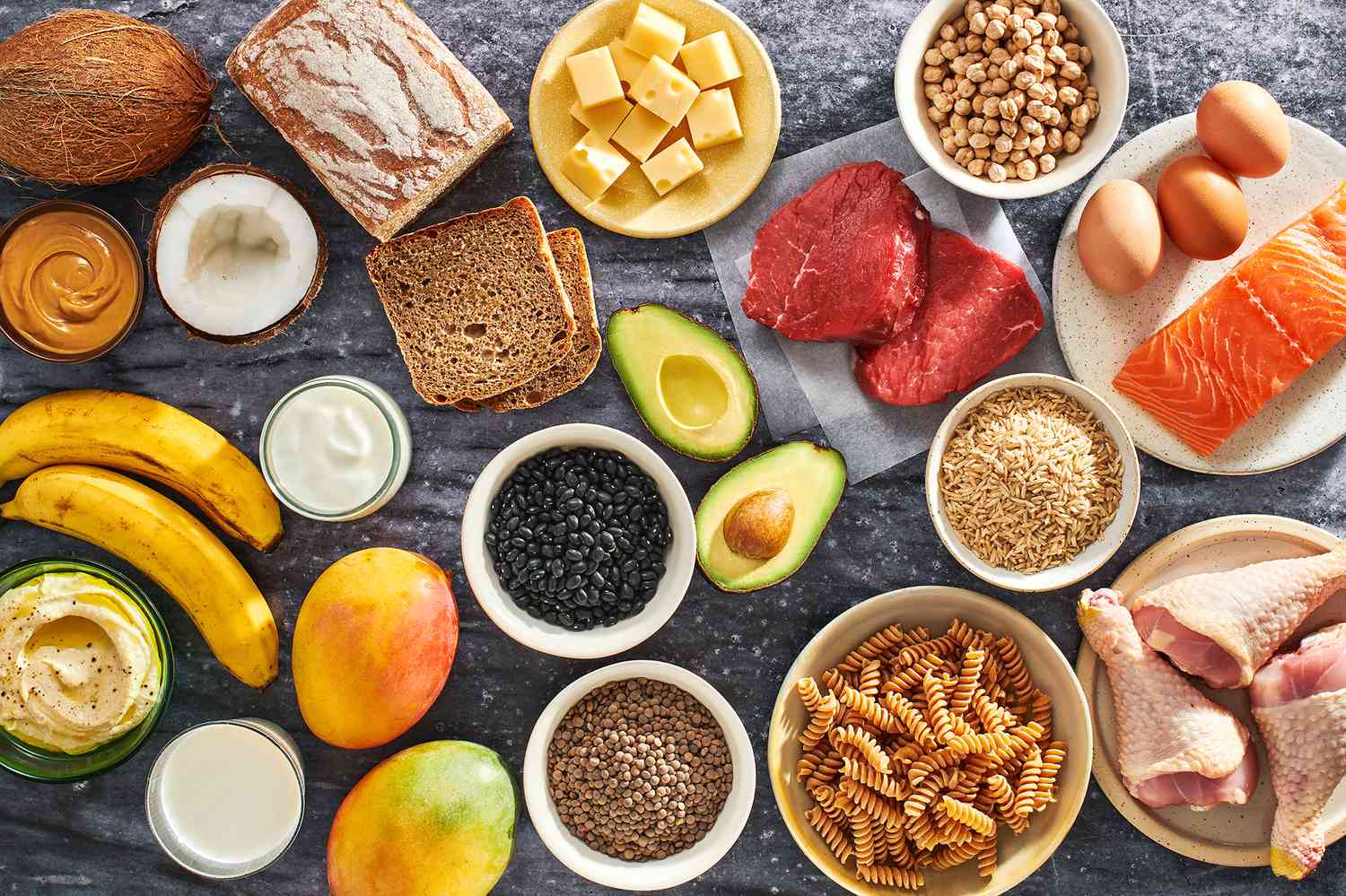
Credit: alpino.store
Conclusion
A healthy diet supports steady, safe weight loss over time. Choose whole foods like fruits, vegetables, and lean proteins daily. Watch portion sizes and limit sugary, fatty foods. Drink enough water to stay full and energized. Enjoy meals you like to maintain your routine.
Remember, small changes add up and improve your health. Stay active and consult a doctor for personalized advice. Healthy eating is a simple, lasting path to better weight and wellness.