


Losing weight can be challenging but worth the effort. A healthy food diet plan is essential for effective weight loss.
Eating the right foods can make a big difference. A balanced diet full of nutritious foods can help shed those extra pounds. It’s not just about cutting calories; it’s about choosing the right foods. Whole grains, lean proteins, and plenty of fruits and vegetables are key.
These foods provide essential nutrients and keep you full longer. They also support your overall health and energy levels. This blog will guide you on creating a healthy food diet plan for weight loss. You’ll learn which foods to include and how they benefit your weight loss journey. Let’s dive in and discover how to eat right and lose weight effectively.
:max_bytes(150000):strip_icc()/EW-Meal-Plans-Healthy-Weight-Gain-Day-2-1x1-81d206d8d1a447ce8347917296034476.jpg)
Credit: www.eatingwell.com
Introduction To Healthy Eating
Starting a healthy food diet plan for weight loss can be overwhelming. The key is understanding the basics of healthy eating. This section will guide you through the essentials of healthy eating, its benefits, and common misconceptions.
Benefits Of A Healthy Diet
Eating healthy offers many benefits. It helps you lose weight and maintain it. A balanced diet boosts your energy levels. It keeps you full and satisfied longer.
- Improves digestion
- Enhances mental clarity
- Reduces risk of chronic diseases
Healthy foods provide the nutrients your body needs. They strengthen your immune system and improve your overall well-being. You will feel better and more active every day.
Common Misconceptions
Many people think healthy eating is expensive. This is not always true. You can buy fresh fruits and vegetables at reasonable prices. Plan your meals and shop smartly.
Another misconception is that healthy food is bland. Healthy meals can be tasty and exciting. Use spices and herbs to add flavor. Experiment with different recipes.
Some believe they have to give up their favorite foods. This is false. You can enjoy treats in moderation. Balance is key. Eating healthy does not mean deprivation.
| Myth | Reality |
|---|---|
| Healthy eating is expensive | Plan and shop smartly |
| Healthy food is bland | Use spices and herbs |
| You must give up favorite foods | Enjoy treats in moderation |
:max_bytes(150000):strip_icc()/Meal-Plan-for-Weight-Loss-Primary-40ea24ddd302417c88b234a95a968f53.png)
Credit: www.verywellfit.com
Setting Realistic Goals
Embarking on a weight loss journey with a healthy food diet plan requires setting realistic goals. Having clear objectives helps to stay motivated and track progress. Unrealistic goals can lead to disappointment and abandonment of the plan. Let’s explore how to set realistic and achievable goals for weight loss.
Importance Of Goal Setting
Setting goals provides a clear direction for your weight loss journey. It allows you to focus on what matters. Goals act as a roadmap, guiding your diet and lifestyle choices. Without goals, it’s easy to get off track.
- Motivation: Goals give you something to strive for.
- Measurement: They help you track your progress.
- Accountability: Goals make you accountable for your actions.
Goals should be specific, measurable, achievable, relevant, and time-bound (SMART). This approach increases the likelihood of success.
How To Set Achievable Goals
Setting achievable goals involves breaking down your ultimate objective into smaller, manageable tasks. Follow these steps to create realistic weight loss goals:
- Assess Your Current Situation: Understand your starting point. Note your current weight and dietary habits.
- Define Your Ultimate Goal: Determine your target weight. Ensure it’s within a healthy range.
- Set Short-term Milestones: Break down your ultimate goal into smaller targets. For example, aim to lose 1-2 pounds per week.
- Create an Action Plan: Outline the steps you need to take. Include dietary changes, exercise routines, and lifestyle adjustments.
- Monitor Progress: Track your weight loss and adjust your plan as needed. Celebrate small victories to stay motivated.
Using a table can help you keep track of your goals and progress:
| Goal | Target Date | Progress |
|---|---|---|
| Lose 5 pounds | 4 weeks | 2 pounds lost |
| Incorporate vegetables in every meal | 2 weeks | Achieved |
| Exercise 3 times a week | 1 month | On track |
Remember, the key to success is consistency. Stay committed to your goals and make adjustments as needed. Small, consistent steps lead to significant results over time.
Balanced Diet Essentials
A balanced diet is key for weight loss and overall health. It ensures you get the right nutrients in the right amounts. This means consuming a mix of macronutrients and micronutrients. Let’s explore what makes up a balanced diet.
Macronutrients Breakdown
Macronutrients are the nutrients you need in larger amounts. They provide your body with energy.
| Macronutrient | Function | Sources |
|---|---|---|
| Carbohydrates | Provide quick energy | Bread, rice, fruits |
| Proteins | Build and repair tissues | Meat, beans, nuts |
| Fats | Store energy, protect organs | Avocados, cheese, oils |
Micronutrients Importance
Micronutrients are vitamins and minerals. They are needed in small amounts but are crucial for body functions.
- Vitamins: Help with energy production, immune function, and blood clotting.
- Minerals: Support bone health, nerve function, and muscle function.
Include a variety of fruits and vegetables in your diet. This ensures you get enough vitamins and minerals. Examples include:
- Vitamin C: Found in oranges, strawberries, and bell peppers.
- Calcium: Found in milk, cheese, and leafy greens.
Incorporating both macronutrients and micronutrients will help you create a balanced diet. This supports weight loss and improves overall health.
Effective Meal Planning
Effective meal planning is crucial for a successful weight loss journey. It helps you stay on track and ensures you get the right nutrients. With a clear plan, you can avoid unhealthy food choices. Let’s explore how to create a meal schedule and manage portion sizes.
Creating A Meal Schedule
A meal schedule helps you organize your daily food intake. Start by planning your meals for the week. Write down what you will eat for breakfast, lunch, and dinner. Include snacks too. A well-thought-out schedule can prevent impulsive eating and keep you focused on healthy choices.
Here’s an example of a weekly meal schedule:
| Day | Breakfast | Lunch | Dinner | Snacks |
|---|---|---|---|---|
| Monday | Oatmeal with fruits | Grilled chicken salad | Baked salmon with veggies | Yogurt, nuts |
| Tuesday | Smoothie with spinach | Quinoa and black beans | Turkey stir-fry | Fruit slices, almonds |
Portion Control Tips
Portion control is key to managing your calorie intake. Use smaller plates to help control portions. Fill half your plate with vegetables, a quarter with protein, and a quarter with whole grains. This balance ensures you get the right nutrients without overeating.
Follow these simple tips for effective portion control:
- Measure your food to avoid large servings.
- Use your hand as a guide: a fist for carbs, a palm for protein.
- Drink water before meals to feel fuller.
- Avoid eating straight from the package.
- Eat slowly and savor each bite.
These tips can help you keep your portions in check and support your weight loss goals. Remember, consistency is key in maintaining a healthy diet plan.
Healthy Food Choices
Healthy food choices play a significant role in weight loss. Selecting the right foods helps you shed those extra pounds. It also keeps you energized and feeling good. Making smart food choices is crucial for a healthy lifestyle. Let’s dive into some of the best foods for weight loss and the foods you should avoid.
Best Foods For Weight Loss
Choosing nutrient-dense foods aids in weight loss. These foods provide essential vitamins and minerals. They also help keep you full longer, reducing the urge to snack. Some excellent choices include:
- Leafy Greens: Spinach, kale, and collard greens are low in calories.
- Whole Grains: Brown rice, quinoa, and oats provide fiber and keep you full.
- Lean Proteins: Chicken breast, fish, and tofu support muscle growth.
- Fruits: Berries, apples, and oranges offer vitamins and fiber.
- Nuts and Seeds: Almonds, chia seeds, and flaxseeds are healthy fats.
Foods To Avoid
Avoiding certain foods helps you stay on track with your weight loss goals. These foods are often high in calories, sugars, and unhealthy fats. They can lead to weight gain and other health issues. Some foods to steer clear of include:
- Processed Foods: Chips, cookies, and frozen meals are high in calories.
- Sugary Drinks: Sodas, energy drinks, and sweetened teas add empty calories.
- Refined Carbs: White bread, pasta, and pastries can spike blood sugar.
- Fried Foods: Fried chicken, french fries, and doughnuts contain unhealthy fats.
- High-Sugar Snacks: Candy bars, ice cream, and cakes are loaded with sugar.
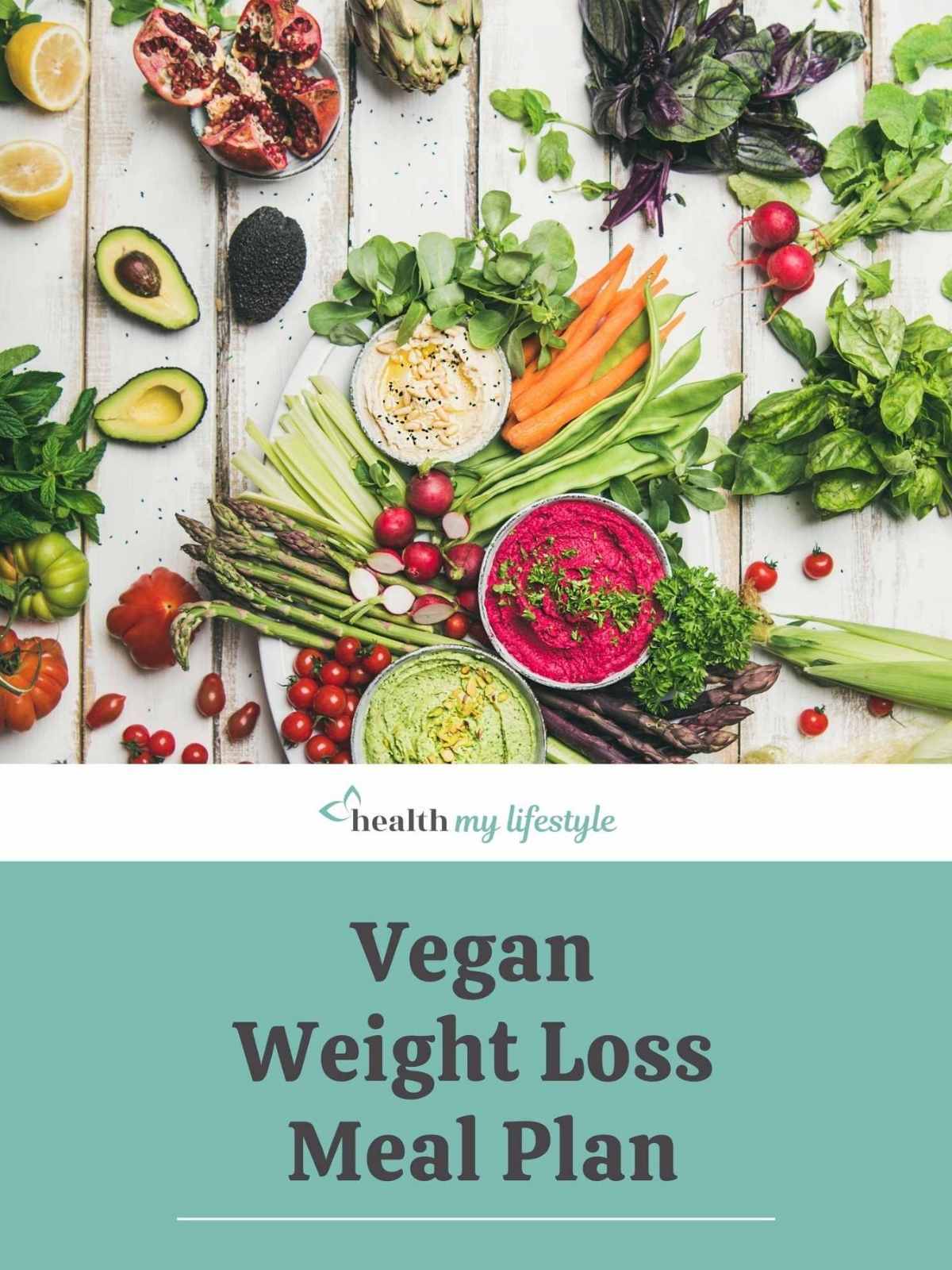
Credit: healthmylifestyle.com
Easy And Healthy Recipes
Starting a healthy food diet plan for weight loss can feel overwhelming. The key is finding easy and healthy recipes that fit into your busy life. Below, you’ll find a collection of breakfast, lunch, and dinner options that are both nutritious and simple to prepare.
Breakfast Options
Breakfast is the most important meal of the day. It sets the tone for your entire day. Here are some easy and healthy breakfast ideas to kickstart your metabolism:
- Oatmeal with Fresh Fruits: Cook oats in water or milk. Top with berries, bananas, and a sprinkle of nuts.
- Greek Yogurt Parfait: Layer Greek yogurt with granola and mixed berries. Add a drizzle of honey for sweetness.
- Avocado Toast: Spread mashed avocado on whole-grain toast. Add a poached egg for protein.
Lunch And Dinner Ideas
Maintaining a healthy diet for lunch and dinner is crucial for weight loss. Here are some easy-to-make recipes that are both nutritious and delicious:
| Recipe | Description |
|---|---|
| Grilled Chicken Salad | Grill chicken breasts. Toss with mixed greens, cherry tomatoes, and cucumbers. Dress with olive oil and lemon juice. |
| Quinoa and Veggie Stir-Fry | Cook quinoa. Stir-fry with bell peppers, broccoli, and carrots. Season with soy sauce and garlic. |
| Baked Salmon with Asparagus | Season salmon fillets with herbs. Bake with asparagus spears. Serve with a side of brown rice. |
These recipes provide a balance of nutrients. They are also quick and easy to prepare. Sticking to a healthy diet plan doesn’t have to be hard. With these simple recipes, you can enjoy delicious meals while losing weight.
Snacking Smartly
Snacking can be a part of a healthy diet plan for weight loss. Choosing the right snacks helps keep hunger at bay and provides essential nutrients. Let’s explore how to snack smartly.
Healthy Snack Ideas
Healthy snacks are key to staying on track. Here are some great options:
- Fresh Fruits: Apples, bananas, and berries are rich in vitamins and fiber.
- Vegetable Sticks: Carrots, celery, and cucumber with hummus make a crunchy, nutritious snack.
- Nuts and Seeds: Almonds, walnuts, and chia seeds are excellent sources of healthy fats and protein.
- Greek Yogurt: High in protein and probiotics, it helps keep you full longer.
- Whole Grain Crackers: Pair with low-fat cheese for a balanced snack.
Avoiding Unhealthy Snacks
Unhealthy snacks can derail your weight loss efforts. Avoid these common pitfalls:
| Unhealthy Snack | Reason to Avoid |
|---|---|
| Chips | High in unhealthy fats and calories. |
| Candy | Loaded with sugar, causing spikes in blood sugar levels. |
| Sugary Drinks | Contain empty calories without nutritional value. |
| Pastries | High in refined sugars and unhealthy fats. |
Choose healthier alternatives to stay on track with your weight loss goals.
Staying Motivated
Staying motivated during a healthy food diet plan for weight loss can be challenging. It is easy to lose interest or get discouraged. But with the right strategies, you can stay on track. Motivation is key to achieving your weight loss goals. Here are some tips to help you stay motivated.
Tracking Progress
Tracking your progress can keep you motivated. It shows how far you have come. Consider keeping a food journal. Write down everything you eat. This helps you see patterns and areas to improve. Use apps to track your meals and workouts. They can provide useful data and insights.
Measure your progress in different ways. Use a scale to track weight. But also take measurements of your waist, hips, and arms. Sometimes the scale does not move, but your body is changing. Seeing these changes can boost your motivation.
| Method | Frequency |
|---|---|
| Weight | Weekly |
| Measurements | Monthly |
| Food Journal | Daily |
Overcoming Plateaus
Plateaus are common in any weight loss journey. They can be frustrating. But they are a normal part of the process. When you hit a plateau, do not give up. Instead, try new strategies.
First, assess your diet. Are you eating more than you realize? Recheck your portion sizes. Add more vegetables to your meals. They are low in calories but high in nutrients.
Next, change your workout routine. Your body adapts to the same exercise over time. Try a new activity. Increase the intensity or duration of your workouts. This can help you break through the plateau.
Stay positive and patient. Plateaus do not last forever. Keep your goals in mind and stay committed. Celebrate small victories along the way.
Frequently Asked Questions
What Foods Help With Weight Loss?
Eating whole grains, lean proteins, and vegetables can help with weight loss. These foods are nutrient-dense and low in calories. Including them in your diet can help you feel full longer, reducing overall calorie intake.
How Often Should I Eat For Weight Loss?
Eating small, balanced meals every 3-4 hours can aid weight loss. This keeps your metabolism active and prevents overeating. Regular meals help maintain energy levels and promote a healthy, sustainable weight loss.
Can I Lose Weight Without Exercise?
Yes, you can lose weight without exercise by following a healthy diet. Focus on portion control, eating nutrient-dense foods, and avoiding processed foods. However, combining diet with exercise can enhance weight loss and improve overall health.
Are Snacks Allowed In A Weight Loss Diet?
Yes, healthy snacks can be part of a weight loss diet. Choose snacks like fruits, nuts, and yogurt. These snacks can help control hunger and provide essential nutrients without adding too many calories.
Conclusion
A healthy food diet plan can help with weight loss. Choose nutritious foods. Stay hydrated. Eat balanced meals. Avoid junk food. Consistency is key. Track your progress. Celebrate small victories. Stay motivated. A healthier you awaits. Follow these tips and see the results.
Your journey to weight loss success starts now.