


In today’s world, where health and wellness are at the forefront of many discussions, understanding healthy weight guidelines is essential for everyone. You may find yourself navigating a sea of information about what constitutes a healthy weight, often leading to confusion and uncertainty. Healthy weight guidelines are not just numbers on a scale; they encompass a holistic view of your overall well-being, including physical, mental, and emotional health.
By familiarizing yourself with these guidelines, you can make informed decisions that positively impact your life. Establishing a healthy weight is crucial for various reasons. It can enhance your quality of life, boost your self-esteem, and reduce the risk of chronic diseases.
However, it’s important to remember that healthy weight is not a one-size-fits-all concept. Factors such as age, gender, muscle mass, and body composition all play significant roles in determining what a healthy weight looks like for you. By understanding these nuances, you can set realistic and achievable goals that align with your unique body type and lifestyle.
Key Takeaways
- Healthy weight guidelines are important for overall well-being and disease prevention.
- Body Mass Index (BMI) is a useful tool for assessing weight status and health risks.
- The recommended weight range for a 5’4 woman is between 108-145 pounds.
- Maintaining a healthy weight is crucial for reducing the risk of chronic diseases and promoting longevity.
- Both being underweight and overweight pose significant health risks, including increased risk of heart disease, diabetes, and other health issues.
Understanding Body Mass Index (BMI)
One of the most commonly used tools to assess whether you are within a healthy weight range is the Body Mass Index (BMI). This simple calculation uses your height and weight to provide a numerical value that categorizes you into different weight classifications: underweight, normal weight, overweight, or obese. To calculate your BMI, you divide your weight in kilograms by your height in meters squared.
While this formula may seem straightforward, it’s essential to recognize its limitations. BMI is a useful starting point for understanding your weight status, but it does not account for factors such as muscle mass or fat distribution. For instance, if you are an athlete with a high muscle mass, your BMI may categorize you as overweight or even obese, despite being in excellent physical condition.
Therefore, while BMI can provide a general idea of where you stand in terms of weight, it should not be the sole determinant of your health. It’s crucial to consider other factors such as waist circumference and overall body composition for a more comprehensive view of your health.
Recommended Weight Range for 5’4 Women

If you are a woman standing at 5’4″, understanding the recommended weight range for your height can help you gauge where you fall on the spectrum of healthy weights. The general guideline suggests that a healthy weight for someone of your height typically falls between 110 to 145 pounds. However, this range can vary based on individual factors such as age, muscle mass, and overall health.
It’s important to remember that these numbers are not definitive rules but rather guidelines to help you assess your health. You may find that your ideal weight is slightly above or below this range based on your unique body composition and lifestyle choices. Instead of fixating solely on the scale, consider how you feel in your body and how well you can perform daily activities.
Ultimately, the goal should be to find a weight that allows you to feel energetic and healthy rather than merely conforming to societal standards.
Importance of Maintaining a Healthy Weight
| Metrics | Data |
|---|---|
| Body Mass Index (BMI) | 18.5 – 24.9 is considered healthy |
| Obesity-related diseases | Heart disease, diabetes, and certain cancers |
| Impact on mental health | Increased risk of depression and anxiety |
| Life expectancy | Being overweight can reduce life expectancy |
Maintaining a healthy weight is vital for numerous reasons that extend beyond aesthetics. When you achieve and sustain a weight within the recommended range for your height, you significantly reduce the risk of developing chronic diseases such as diabetes, heart disease, and certain types of cancer. Additionally, maintaining a healthy weight can improve your mental health by boosting self-esteem and reducing anxiety related to body image.
Moreover, being at a healthy weight can enhance your overall quality of life. You may experience increased energy levels, improved mobility, and better sleep patterns. These benefits can lead to a more active lifestyle, allowing you to engage in activities that bring joy and fulfillment.
By prioritizing a healthy weight, you are investing in your long-term health and well-being.
Risks of Being Underweight or Overweight
While striving for a healthy weight is essential, it’s equally important to understand the risks associated with being underweight or overweight. If you find yourself underweight, you may face various health issues such as weakened immune function, nutritional deficiencies, and decreased bone density. These conditions can lead to serious complications if not addressed promptly.
On the other hand, being overweight or obese carries its own set of risks. Excess weight can strain your cardiovascular system, leading to high blood pressure and increased cholesterol levels. Additionally, it can contribute to insulin resistance and type 2 diabetes.
The psychological effects of being overweight can also be significant; many individuals experience low self-esteem and body image issues that can affect their mental health. Recognizing these risks is crucial in motivating yourself to pursue a healthier lifestyle.
Tips for Achieving and Maintaining a Healthy Weight
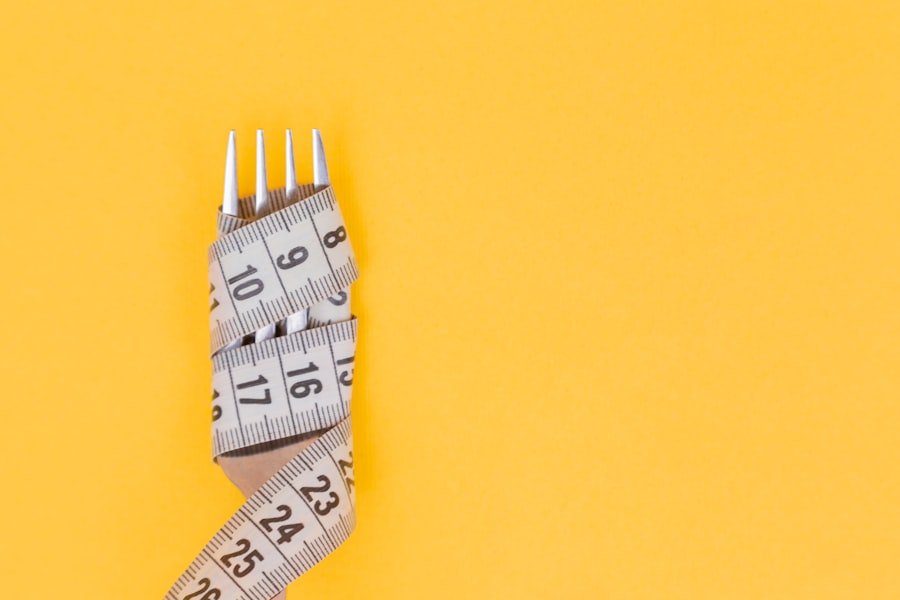
Achieving and maintaining a healthy weight requires commitment and consistency. One effective strategy is to set realistic goals that are specific, measurable, achievable, relevant, and time-bound (SMART). Instead of aiming for drastic changes overnight, focus on small adjustments that can lead to sustainable results over time.
For example, consider incorporating more fruits and vegetables into your meals or gradually increasing your physical activity levels. Another essential tip is to practice mindful eating. This involves paying attention to what you eat and savoring each bite rather than eating mindlessly while distracted by screens or other activities.
By being present during meals, you can better recognize hunger cues and avoid overeating. Additionally, keeping a food journal can help you track your eating habits and identify areas for improvement.
The Role of Diet in Achieving a Healthy Weight
Your diet plays a pivotal role in achieving and maintaining a healthy weight. A balanced diet rich in whole foods—such as fruits, vegetables, lean proteins, whole grains, and healthy fats—can provide the nutrients your body needs while helping you manage your weight effectively. It’s essential to focus on nutrient-dense foods rather than empty calories found in processed snacks and sugary beverages.
Portion control is another critical aspect of dietary management. Even healthy foods can contribute to weight gain if consumed in excessive amounts. Learning to listen to your body’s hunger signals and practicing moderation can help you maintain a balanced approach to eating.
Additionally, staying hydrated by drinking plenty of water throughout the day can support your metabolism and help control appetite.
The Role of Exercise in Achieving a Healthy Weight
In addition to diet, regular physical activity is crucial for achieving and maintaining a healthy weight. Engaging in both aerobic exercises—such as walking, running, or cycling—and strength training can help you burn calories while building muscle mass. Muscle tissue burns more calories at rest than fat tissue does; therefore, increasing your muscle mass can boost your metabolism over time.
Finding an exercise routine that you enjoy is key to long-term success. Whether it’s dancing, hiking, swimming, or joining a fitness class, incorporating activities that bring you joy will make it easier to stay committed to an active lifestyle. Aim for at least 150 minutes of moderate-intensity aerobic activity each week combined with strength training exercises on two or more days per week.
Creating a Supportive Environment for Weight Management
Creating an environment that supports your weight management goals is essential for success. Surround yourself with positive influences—friends and family who encourage healthy habits rather than those who may tempt you with unhealthy choices. Consider joining support groups or online communities where individuals share similar goals; this sense of camaraderie can provide motivation and accountability.
Additionally, decluttering your home of unhealthy snacks and processed foods can make it easier to stick to your dietary goals. Stocking up on nutritious options will encourage healthier choices when hunger strikes. Remember that small changes in your environment can lead to significant improvements in your overall health journey.
Seeking Professional Help for Weight Management
If you find yourself struggling with weight management despite your best efforts, seeking professional help may be beneficial. Registered dietitians or nutritionists can provide personalized guidance tailored to your specific needs and preferences. They can help you develop meal plans that align with your goals while ensuring you receive adequate nutrition.
Additionally, consulting with healthcare professionals such as doctors or therapists can address any underlying medical or psychological issues contributing to weight challenges. They can offer valuable insights into safe and effective strategies for achieving a healthy weight while considering any unique circumstances you may face.
Conclusion and Final Thoughts
In conclusion, understanding healthy weight guidelines is an essential step toward achieving overall well-being. By familiarizing yourself with concepts like BMI and recommended weight ranges while recognizing the importance of maintaining a healthy weight, you empower yourself to make informed choices about your health journey. Remember that achieving a healthy weight is not merely about numbers; it encompasses lifestyle changes that promote physical fitness and mental wellness.
As you navigate this journey toward better health, keep in mind the significance of diet and exercise while creating an environment conducive to success. Don’t hesitate to seek professional help if needed; there’s no shame in asking for guidance along the way. Ultimately, prioritize feeling good in your body over conforming to societal standards—your health is worth it!