

Eating well is crucial. A holistic diet plan goes beyond just food.
Holistic diet plans consider your whole self. This approach combines nutrition, mental well-being, and lifestyle. It’s about balance, not restrictions. You focus on nourishing your body and mind. This way, you feel better overall. A holistic diet plan includes fresh, natural foods.
It avoids processed items and promotes mindful eating. The goal is to create lasting, healthy habits. By doing this, you support your physical and emotional health. Curious to learn more? Let’s dive into the world of holistic diet plans and discover how they can benefit you.
Introduction To Holistic Diet
Welcome to the world of holistic diet plans. This approach focuses on balancing the body, mind, and spirit through natural foods. It’s not just about eating; it’s about living a healthier life.
What Is A Holistic Diet?
A holistic diet means eating whole, unprocessed foods. These foods are rich in nutrients and free from artificial additives. The goal is to nourish the body and mind.
- Whole grains like brown rice and quinoa
- Fresh fruits and vegetables
- Lean proteins such as fish and chicken
- Healthy fats like avocados and nuts
By choosing these foods, you support your overall well-being. This diet aims to improve physical, mental, and emotional health.
Benefits Of Natural Foods
Natural foods offer numerous benefits. They are packed with essential vitamins and minerals. These nutrients help the body function at its best.
| Natural Food | Benefits |
|---|---|
| Fruits | Rich in vitamins and antioxidants |
| Vegetables | High in fiber and nutrients |
| Whole grains | Support digestion and heart health |
| Lean proteins | Build and repair tissues |
| Healthy fats | Boost brain function and reduce inflammation |
These foods also help in maintaining a healthy weight. They reduce the risk of chronic diseases. Eating natural foods can improve your mood and energy levels.
Key Principles
A holistic diet plan balances nutrients from whole foods. It includes fruits, vegetables, proteins, and healthy fats. This approach promotes overall well-being.
A holistic diet plan centers around the idea of nourishing the whole body. It emphasizes natural and unprocessed foods. This approach aims to enhance overall well-being. Below are the key principles that guide a holistic diet.Whole Foods Approach
Whole foods are the foundation of a holistic diet. These foods are as close to their natural state as possible. They include fruits, vegetables, whole grains, nuts, and seeds. Whole foods provide essential nutrients without added chemicals. They support the body’s natural processes. Avoiding processed foods is crucial. Processed foods often contain additives and preservatives. These can harm your health over time. Choose organic options when possible. Organic foods are free from pesticides and synthetic fertilizers.Mindful Eating
Mindful eating is another core principle. It involves being present during meals. Pay attention to the taste, texture, and aroma of your food. This practice helps you enjoy your meals fully. It also promotes better digestion. Eating slowly is essential. It allows your body to signal when it’s full. This can prevent overeating. Being mindful of portion sizes is also important. Smaller portions can help maintain a balanced diet. Avoid distractions while eating. Turn off the TV and put away your phone. Focus on your meal and savor each bite. “`Essential Nutrients
Eating a holistic diet means getting all the essential nutrients your body needs. These nutrients help your body function well and stay healthy. It is important to understand what these nutrients are and why you need them.
Vitamins And Minerals
Vitamins and minerals are vital for your health. They help your body perform many tasks. Vitamins like A, C, D, and E support your immune system. They also help your skin stay healthy. Minerals like calcium and iron strengthen your bones and improve blood health. Eating a variety of fruits, vegetables, and whole grains can provide these essential vitamins and minerals.
Healthy Fats
Healthy fats are important for brain and heart health. They also help your body absorb vitamins. Healthy fats can be found in foods like avocados, nuts, and seeds. Fish like salmon and mackerel are also good sources. These fats help reduce inflammation and provide energy. Including healthy fats in your diet can improve overall well-being.
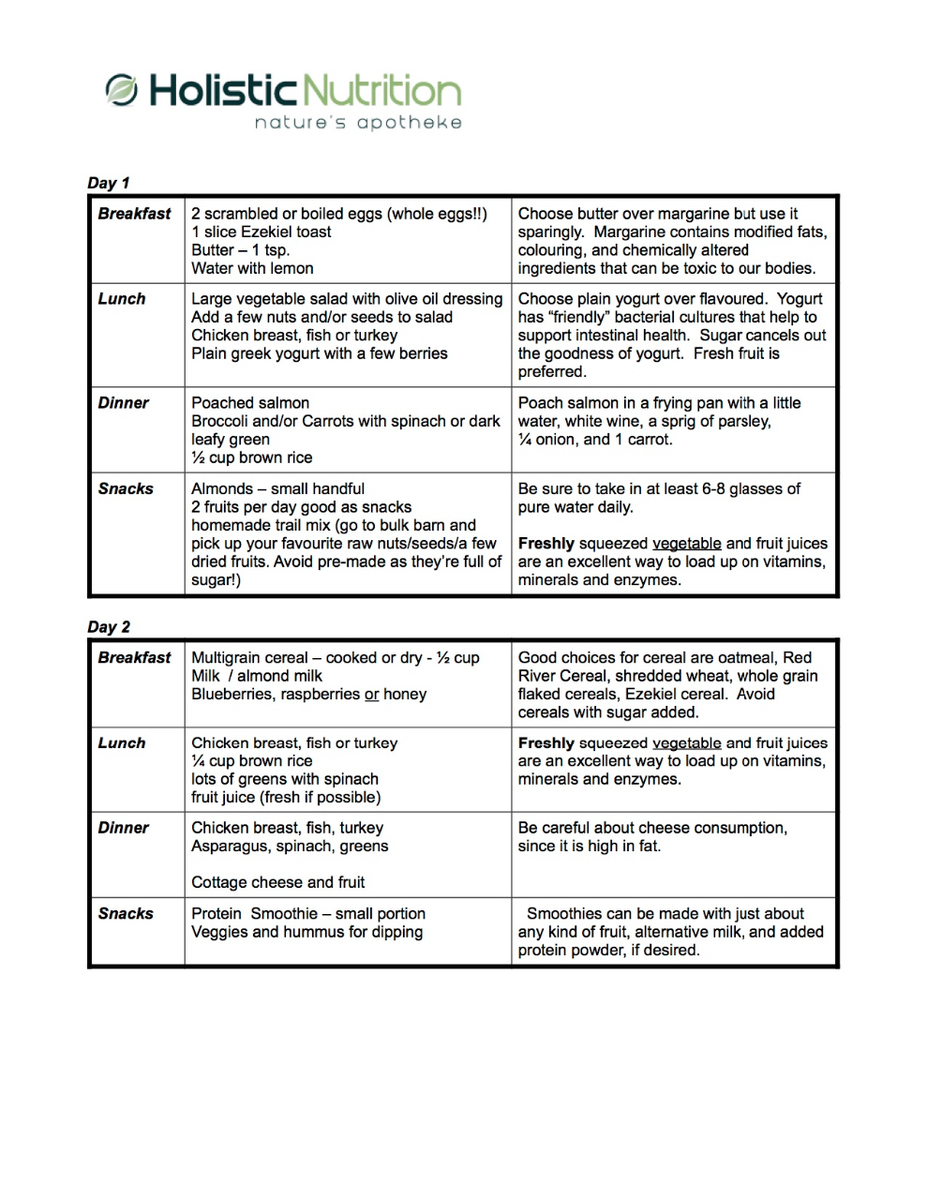
Credit: naturesapotheke.com
Plant-based Focus
A holistic diet plan emphasizes a balanced approach to eating. It focuses on whole, unprocessed foods. A key aspect of this diet is a plant-based focus. Eating more plants can boost your health. It also supports a more sustainable environment. Let’s dive into the essential components of a plant-based focus.
Vegetables And Fruits
Vegetables and fruits are vital in a holistic diet. They provide essential vitamins and minerals. Eating a variety of colors ensures you get a range of nutrients. Green leafy vegetables like spinach are rich in iron and calcium. Fruits like berries are packed with antioxidants. Aim to fill half your plate with vegetables and fruits at each meal.
Legumes And Grains
Legumes and grains are excellent sources of protein and fiber. Beans, lentils, and chickpeas are versatile and nutritious. Whole grains like quinoa, brown rice, and oats provide long-lasting energy. They help in maintaining stable blood sugar levels. Incorporate these foods into your meals for a balanced diet. They are also rich in essential amino acids and complex carbohydrates.
Incorporating Superfoods
Incorporating superfoods into your holistic diet plan can boost your health. Superfoods are nutrient-rich and provide numerous health benefits. They can enhance your overall well-being when included in your daily meals.
Top Superfoods
Below are some of the top superfoods you should consider:
- Kale: Rich in vitamins A, C, and K.
- Blueberries: High in antioxidants and fiber.
- Chia Seeds: Great source of omega-3 fatty acids.
- Quinoa: Packed with protein and essential amino acids.
- Avocado: Contains healthy fats and potassium.
Daily Superfood Recipes
Incorporating superfoods into your daily meals is easy. Here are some simple recipes:
Breakfast: Superfood Smoothie
This smoothie is a great way to start your day.
- 1 cup of kale
- 1/2 cup of blueberries
- 1 tablespoon of chia seeds
- 1 banana
- 1 cup of almond milk
Blend all the ingredients until smooth. Enjoy your nutrient-packed breakfast!
Lunch: Quinoa Salad
This salad is both delicious and nutritious.
- 1 cup of cooked quinoa
- 1 avocado, diced
- 1/2 cup of cherry tomatoes, halved
- 1/4 cup of chopped cilantro
- Juice of 1 lime
Mix all ingredients in a bowl. Serve chilled.
Dinner: Baked Salmon with Sweet Potatoes
A hearty and healthy dinner option.
- 1 salmon fillet
- 1 sweet potato, cubed
- 1 tablespoon of olive oil
- Salt and pepper to taste
Preheat the oven to 400°F. Toss sweet potatoes in olive oil and season with salt and pepper. Bake for 20 minutes. Add the salmon fillet and bake for another 15 minutes.
Detoxifying The Body
Detoxifying the body is essential for maintaining overall health. A holistic diet plan can help remove toxins and rejuvenate your system. By incorporating natural detox foods and following a structured detox meal plan, you can boost your energy levels and improve your well-being.
Natural Detox Foods
Eating foods that support detoxification can be simple and delicious. Here are some of the best natural detox foods:
- Lemon: Rich in vitamin C, it helps flush out toxins.
- Garlic: Promotes liver function and aids in detoxification.
- Ginger: Reduces inflammation and stimulates digestion.
- Green Tea: Packed with antioxidants, it enhances detoxification.
- Turmeric: Contains curcumin which supports liver health.
Detox Meal Plan
Following a detox meal plan can help cleanse your body effectively. Here’s a sample meal plan to get you started:
| Meal | Food |
|---|---|
| Breakfast | Green smoothie with spinach, banana, and almond milk |
| Mid-Morning Snack | Fresh fruit salad with berries and apples |
| Lunch | Quinoa salad with mixed greens, avocado, and lemon dressing |
| Afternoon Snack | Carrot and celery sticks with hummus |
| Dinner | Grilled salmon with steamed broccoli and brown rice |
Sticking to this meal plan will help your body detox naturally. Remember to drink plenty of water throughout the day to stay hydrated and support the detox process.
Meal Planning Tips
Planning meals for a holistic diet can seem challenging at first. But with a few tips, it becomes manageable. A holistic diet focuses on whole, natural foods. It aims for balance and nourishment. Here are some meal planning tips to guide you.
Creating Balanced Meals
A balanced meal includes all food groups. Start with a variety of vegetables. They provide essential vitamins and minerals. Add a source of protein. This can be meat, fish, or plant-based proteins like beans. Include whole grains. Brown rice or quinoa are good options. Don’t forget healthy fats. Avocado, nuts, and seeds are excellent choices. They support brain health. A balanced meal keeps you full and satisfied.
Shopping For Natural Foods
Shopping for natural foods is key to a holistic diet. Choose organic produce when possible. It has fewer pesticides. Shop at local farmers’ markets. Fresh, seasonal food is often available there. Read labels carefully. Avoid foods with artificial additives. Stick to the outer aisles of the store. This is where fresh produce, meat, and dairy are usually found. Plan your shopping list ahead. This helps avoid impulse buys. Staying organized makes it easier to stick to your holistic diet.
Overcoming Challenges
Starting a holistic diet plan can be challenging. Many face obstacles that derail their progress. It is important to stay motivated and focused on the benefits. Let’s explore some common obstacles and ways to stay motivated.
Common Obstacles
Adopting a holistic diet can be tough. Here are some common obstacles:
- Lack of Knowledge: Many people do not know what foods are healthy.
- Time Constraints: Preparing healthy meals can be time-consuming.
- Cravings: Cravings for unhealthy foods can be strong.
- Social Pressure: Friends and family may not support your new diet.
Understanding these obstacles is the first step. Now, let’s see how to overcome them.
Staying Motivated
Staying motivated is key to success. Here are some tips:
- Set Realistic Goals: Start with small, achievable goals.
- Track Progress: Keep a food journal or use an app.
- Find Support: Join a group or find a diet buddy.
- Reward Yourself: Treat yourself for sticking to your plan.
Staying motivated can help you overcome obstacles. Keep your goals in mind and stay positive.
Success Stories
Success stories from a holistic diet plan are inspiring and motivating. They show real people achieving their health goals. These stories provide hope and encouragement for others. Read on to discover real-life transformations and expert testimonials.
Real-life Transformations
Meet Sarah, a busy mother of two. She struggled with weight and energy issues. After following a holistic diet plan, Sarah lost 20 pounds in three months. She felt more energetic and happier. Her skin cleared up, and her mood improved. Sarah’s story is just one of many.
John, a middle-aged man with high blood pressure, also found success. He switched to a holistic diet plan. Within six months, his blood pressure normalized. John felt stronger and more active. His doctor praised his commitment and results.
Expert Testimonials
Dr. Emily, a holistic nutritionist, supports the holistic diet plan. She says, “A balanced diet can transform lives.” Dr. Emily has seen many patients succeed with holistic eating. She believes it promotes overall health and well-being.
Nutritionist Mark also endorses this approach. He states, “Holistic diets address root causes of health issues.” Mark has helped clients improve their health through dietary changes. His clients experience better digestion, more energy, and improved moods.

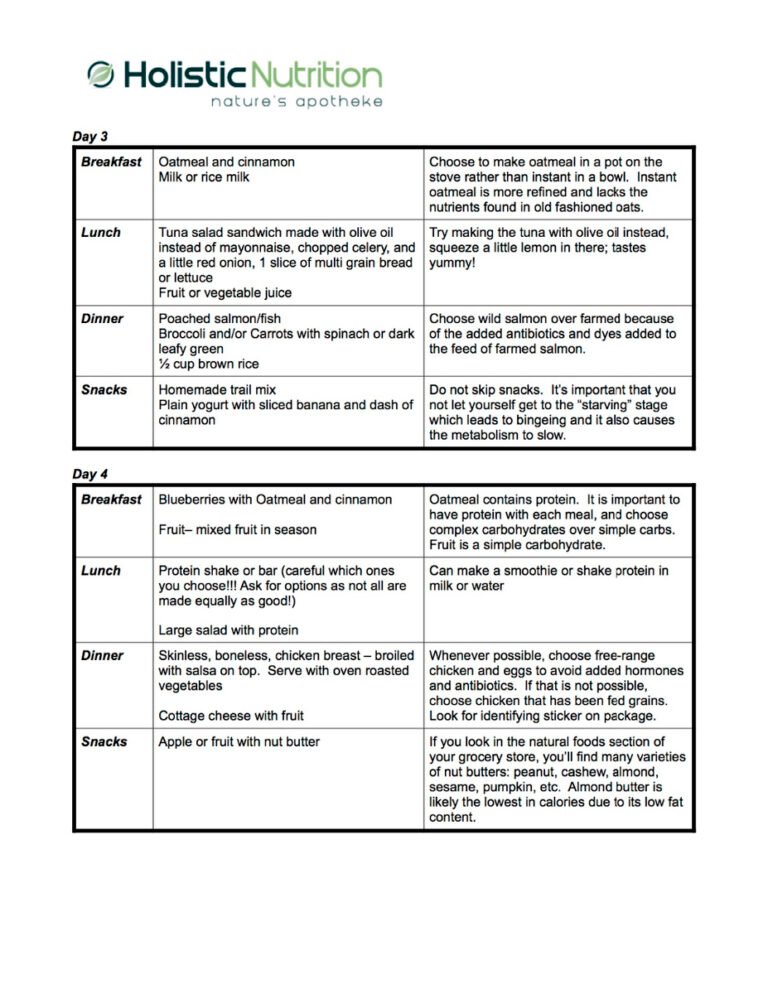
Credit: www.healthieruny.com

Credit: www.facebook.com
Frequently Asked Questions
What Is A Holistic Diet Plan?
A holistic diet plan focuses on whole, natural foods. It includes fruits, vegetables, whole grains, and lean proteins. It aims to promote overall wellness.
How Does A Holistic Diet Benefit Health?
A holistic diet boosts energy, improves digestion, and strengthens immunity. It also reduces the risk of chronic diseases. It supports mental and emotional well-being.
Can A Holistic Diet Help With Weight Loss?
Yes, a holistic diet can aid weight loss. It encourages nutrient-dense foods and discourages processed foods. This helps in maintaining a healthy weight.
What Foods Are Included In A Holistic Diet?
A holistic diet includes fresh fruits, vegetables, whole grains, lean proteins, and healthy fats. It avoids processed foods and artificial additives.
Conclusion
A holistic diet plan nurtures both body and mind. It emphasizes whole foods, balance, and mindful eating. Small changes can lead to big health benefits. Choose natural, unprocessed foods for better energy and wellness. Listen to your body’s needs and adjust accordingly.
Everyone’s journey is unique, so be patient. A holistic approach creates a sustainable, healthy lifestyle. Start today and see the positive changes unfold. Eating well doesn’t have to be complicated. Enjoy the process, and your body will thank you.