

If you’ve ever tried to lose weight, you know how easy it is to start strong but lose momentum quickly. The secret isn’t just about choosing healthy foods—it’s about building a weekly meal plan you can actually stick to.
Imagine having a simple, clear plan that fits your lifestyle, keeps hunger in check, and helps you shed pounds without feeling deprived. This isn’t about quick fixes or extreme diets. It’s about creating a balanced, realistic approach that makes healthy eating feel natural and even enjoyable.
Ready to discover how to build a weight loss meal plan designed for your success? Keep reading, because this guide will show you exactly how to make it happen.
Meal Planning Basics
Building a weekly weight loss meal plan starts with understanding the basics. A simple, clear approach helps you stay on track. Focus on meals that fuel your body and keep hunger away. Planning ahead saves time and reduces stress. Let’s explore key elements that form a strong foundation for your meal plan.
Balanced Meals Structure
A balanced meal includes protein, carbohydrates, and healthy fats. Protein helps build muscle and keeps you full longer. Carbs provide energy for your daily activities. Healthy fats support brain function and hormone health. Aim to fill half your plate with vegetables for vitamins and fiber. This mix stabilizes blood sugar and reduces cravings throughout the day.
Hydration And Metabolism
Drinking water is essential for weight loss. Hydration boosts metabolism and helps digestion. Start your day with a glass of water to jumpstart your system. Drinking water before meals can reduce hunger and prevent overeating. Keep a water bottle handy to remind yourself to drink often. Avoid sugary drinks that add empty calories and slow progress.
Simplifying Meal Prep
Meal prep saves time and makes sticking to your plan easier. Choose simple recipes with few ingredients to avoid overwhelm. Cook large batches of proteins like chicken or beans and store portions. Chop vegetables in advance and keep them ready for quick meals. Use containers to pack meals for work or school. This approach reduces decision fatigue and keeps your plan consistent.
Choosing The Right Foods
Choosing the right foods lays the foundation for a successful weekly weight loss meal plan. The foods you pick should fuel your body, keep you full, and be easy to prepare. A well-balanced combination of proteins, healthy carbs, fats, and vegetables helps control hunger and supports steady weight loss. Focus on simple, nutrient-rich options that satisfy your taste buds and your body’s needs. This approach makes it easier to stick to your meal plan day after day.
Protein-rich Options
Protein keeps you feeling full longer and supports muscle repair. Include lean meats like chicken breast, turkey, and fish. Eggs and low-fat dairy are great as well. Plant-based options such as beans, lentils, and tofu add variety. Aim for a portion of protein at every meal to maintain energy and reduce cravings.
Healthy Carbs And Fats
Choose whole grains like brown rice, quinoa, and oats for steady energy. These carbs digest slowly and prevent blood sugar spikes. Healthy fats come from sources like avocados, nuts, seeds, and olive oil. These fats promote heart health and help absorb vitamins. Balance carbs and fats carefully to keep your meals satisfying.
Incorporating Vegetables
Vegetables are low in calories but rich in vitamins and fiber. Fill half your plate with colorful veggies like spinach, carrots, peppers, and broccoli. They add bulk to meals without extra calories. Fresh, steamed, or roasted vegetables add taste and texture. Eating more vegetables supports digestion and keeps hunger at bay.
Creating Your Weekly Grid
Creating your weekly grid is a crucial step in building a weight loss meal plan that fits your lifestyle. It provides a clear structure for your meals and snacks, helping you avoid last-minute unhealthy choices. This grid acts as your weekly map, guiding your food choices and portions with ease.
Planning ahead also reduces stress around mealtime. You know exactly what to eat and when, which supports consistent weight loss efforts. This section breaks down how to create an effective weekly grid that you can actually stick to.
Mapping Out Meals And Snacks
Start by dividing your day into meal and snack times. Choose three main meals and two healthy snacks per day. Keep each meal balanced with protein, carbs, and fats. This balance helps control hunger and boosts energy. Write down your meal ideas for each day in the grid. Vary your foods to keep meals interesting and nutritious. Planning snacks prevents overeating during meals.
Accounting For Eating Out
Include days or meals when you plan to eat out. Research healthy options at your favorite restaurants. Choose grilled, baked, or steamed dishes over fried foods. Control portion sizes by sharing meals or asking for half portions. Plan lighter meals before and after eating out to balance your calorie intake. Being prepared helps you stay on track without feeling deprived.
Grocery List Essentials
Use your meal grid to create a detailed grocery list. Focus on whole foods like fruits, vegetables, lean proteins, and whole grains. Avoid buying processed or high-calorie snacks. Check your pantry to avoid duplicates. Organize your list by store sections for faster shopping. Having the right ingredients on hand makes cooking easier and supports your weight loss goals.
Sticking To Your Plan
Sticking to your weekly weight loss meal plan is key to seeing real results. Consistency keeps your body fueled and helps avoid temptation. It takes effort and smart choices to maintain your plan every day. Focus on creating a plan that fits your daily routine and feels doable. Small changes add up over time and help build lasting habits.
Tailoring To Your Lifestyle
Design your meal plan around your work, family, and social life. Choose foods that you enjoy and are easy to prepare. Plan meals that fit your schedule, whether busy or flexible. Avoid complicated recipes that take too long or require rare ingredients. Making your plan realistic increases the chances you will follow it.
Tracking Progress Effectively
Keep a simple food journal or use a mobile app to record meals. Note how each meal makes you feel and your hunger levels. Track your weight weekly to see patterns and stay motivated. Celebrate small wins, like eating more vegetables or drinking more water. Regular tracking helps you adjust your plan and stay on course.
Building Consistent Habits
Eat meals at similar times each day to regulate appetite. Prepare snacks and meals ahead to avoid last-minute unhealthy choices. Drink water first when you feel hungry to check if you are just thirsty. Repeat healthy actions daily until they become natural. Consistency creates habits that support long-term weight loss success.
Incorporating Movement
Incorporating movement into your weekly weight loss meal plan boosts results and keeps motivation high. Moving your body burns extra calories and improves your mood. It also supports your metabolism and helps maintain muscle mass. Adding exercise does not mean doing intense workouts every day. Small, simple activities can fit easily into your routine. Consistency matters more than intensity for long-term success.
Simple Low-impact Exercises
Low-impact exercises protect your joints and reduce injury risk. Walking, swimming, and cycling are great choices. These activities raise your heart rate without causing strain. Start with 10 to 20 minutes daily and increase gradually. Yoga and stretching improve flexibility and reduce stress. These exercises help you move more without feeling overwhelmed.
Daily Activity Boosts
Small changes add up to big benefits over time. Take the stairs instead of the elevator. Park farther from store entrances to walk more. Stand up and stretch during work breaks. Household chores like cleaning and gardening count as activity too. These simple habits keep you moving throughout the day. They help burn calories without extra workout time.
Combining Diet And Exercise
Exercise alone won’t lead to weight loss without proper nutrition. Eating balanced meals fuels your workouts and aids recovery. Focus on lean proteins, whole grains, and fresh vegetables. Avoid skipping meals to maintain energy levels. Pairing movement with healthy eating builds strong habits. This combination creates a sustainable path to weight loss success.
Credit: www.ctcd.edu
Avoiding Common Pitfalls
Building a weekly weight loss meal plan is not just about choosing healthy foods. Many people struggle with common pitfalls that can derail their progress. Recognizing these challenges helps you create a plan that fits your lifestyle and stays effective. Avoiding these pitfalls keeps motivation high and results steady.
Managing Hunger And Cravings
Hunger and cravings often cause people to give up their meal plans. Eating balanced meals with protein, fiber, and healthy fats helps control hunger. Drinking water before meals can reduce overeating. Keep healthy snacks like nuts or fruit handy to avoid unhealthy choices. Ignoring cravings usually makes them stronger, so plan small treats to stay on track.
Preventing Decision Fatigue
Deciding what to eat every day can feel exhausting. This decision fatigue leads to poor food choices or skipping meals. Plan your meals ahead to reduce daily decisions. Use simple recipes and repeat meals during the week. Preparing ingredients in advance saves time and mental energy. A clear plan helps maintain focus and keeps eating habits consistent.
Adjusting Plans When Needed
Life is unpredictable, so your meal plan should be flexible. If a plan feels too strict or time-consuming, modify it. Adjust portions, swap ingredients, or change cooking methods to fit your schedule. Listen to your body and energy levels to guide adjustments. Flexibility prevents frustration and makes it easier to continue your weight loss journey.
Examples And Inspiration
Finding the right examples and inspiration is key to building a weekly weight loss meal plan you will stick to. Real-life templates and stories can guide you through the process. They show how simple changes lead to steady progress. Inspiration keeps motivation high on tough days. This section offers easy-to-follow meal plans and tips. You will see how others succeed and learn ways to start your own journey.
Sample Meal Plan Templates
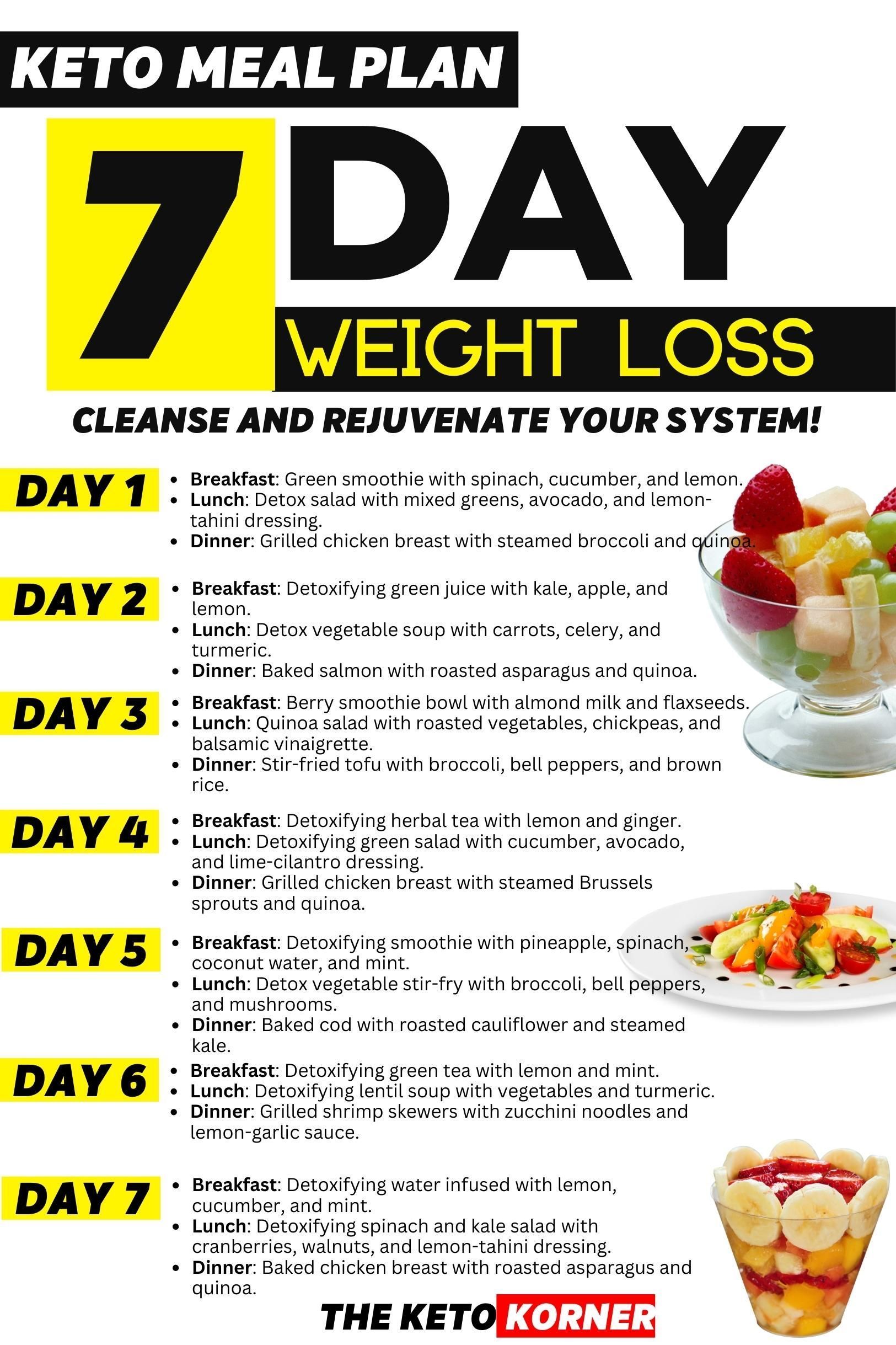
Simple meal plan templates help organize your week. Each day includes balanced meals with protein, carbs, and healthy fats. For example, breakfast could be oatmeal with berries and nuts. Lunch might be grilled chicken with quinoa and veggies. Dinner could include baked salmon and steamed broccoli. Snacks can be fruit or yogurt. These templates save time and reduce guesswork. They also prevent unhealthy choices when you feel hungry.
Success Stories To Motivate
Stories from people who lost weight inspire commitment. One person shared how meal prepping on Sundays helped avoid fast food. Another talked about swapping sugary drinks for water and herbal tea. Many success stories mention starting small and building habits slowly. They show that consistency matters more than perfection. Hearing about real struggles and wins makes the journey feel doable.
Beginner-friendly Tips
Start with easy steps to avoid overwhelm. Plan just three meals a day before adding snacks. Use simple recipes with few ingredients. Buy pre-cut vegetables or frozen options to save time. Drink water before meals to reduce hunger. Prepare portions in advance to control serving sizes. Remember, small changes add up to big results. Keep your plan flexible to fit your lifestyle.

Credit: lifediethealth.com

Credit: www.amazon.com
Conclusion
Creating a weekly weight loss meal plan takes simple steps and patience. Focus on balanced meals with proteins, carbs, and healthy fats. Drink plenty of water to stay full and support your metabolism. Plan meals ahead to avoid last-minute unhealthy choices.
Keep your routine flexible to fit your lifestyle and preferences. Small, consistent changes lead to lasting results. Stick with your plan, and enjoy the process of eating well. Your body and mind will thank you for it.