


You’ve probably tried losing weight before, only to find the pounds creeping back after a while. It’s frustrating, isn’t it?
The secret to lasting weight loss isn’t about quick fixes or extreme diets—it’s about building healthy habits that fit your life for the long haul. Imagine feeling confident and energized every day, without constantly battling cravings or exhausting workout routines.
You’ll discover simple, effective ways to make your weight loss stick by creating habits that become second nature. Ready to transform your approach and keep the results for good? Let’s dive in.

Credit: www.abbott.com
Balanced Meal Structure
A balanced meal structure is key to lasting weight loss. It helps control hunger, boosts energy, and supports metabolism. Eating meals with the right mix of nutrients keeps the body fueled and satisfied. This reduces cravings and the urge to snack between meals. A well-planned meal balances protein, carbohydrates, and fats for steady health and weight management.
Protein
Protein builds and repairs muscles. It also keeps you full longer after meals. Include lean meats, eggs, beans, or tofu in every meal. Protein slows digestion, which helps control appetite. This reduces overeating and supports stable energy levels.
Carbs
Carbohydrates provide quick energy for daily activities. Choose whole grains, fruits, and vegetables over processed carbs. These options have fiber, which slows sugar absorption. Fiber helps you feel full and keeps digestion smooth. Balanced carbs prevent energy spikes and crashes.
Fats
Healthy fats support brain and hormone health. Add sources like avocados, nuts, seeds, and olive oil. Fats help absorb vitamins and keep skin healthy. They also add flavor and satisfaction to meals. Avoid trans fats and limit saturated fats for best results.
Avoiding Constant Snacking
Snacking often can add extra calories without fullness. Balanced meals reduce hunger between eating times. Eating at regular times trains your body to expect food. This lowers the urge to snack on unhealthy items. Focus on three main meals with enough protein and fiber.
Stable Blood Sugar Management
Stable blood sugar avoids energy crashes and mood swings. Balanced meals with protein, fiber, and healthy fats slow sugar release. This keeps blood sugar steady throughout the day. Avoid sugary drinks and snacks that cause spikes. Stable sugar levels support better weight control and mood.
Hydration Habits
Building strong hydration habits plays a key role in lasting weight loss. Drinking enough water daily supports many body functions. It helps keep energy levels steady and improves overall health. Simple hydration routines can fit easily into any lifestyle. Focus on drinking water early and often to maintain balance. These habits make a big difference in weight management and well-being.
Morning Hydration Benefits
Starting the day with water wakes up your body gently. It helps flush out toxins built up overnight. Drinking water first thing boosts alertness and prepares digestion. Morning hydration sets a healthy tone for the day. It also aids in reducing morning hunger, helping control calorie intake.
Supporting Metabolism And Digestion
Water is essential for breaking down food and absorbing nutrients. Proper hydration keeps metabolism working efficiently. It helps the body convert food into energy faster. Staying hydrated reduces bloating and supports regular bowel movements. Drinking water before meals can improve digestion and nutrient uptake.
Hydration And Satiety
Water helps you feel full, reducing overeating. Sometimes thirst is mistaken for hunger, leading to extra snacks. Drinking water before and during meals can lower calorie consumption. Hydration slows down eating, giving your brain time to register fullness. This habit helps maintain a healthy weight and avoid unnecessary cravings.
Simplified Meal Planning
Simplified meal planning makes healthy eating easier to maintain over time. It cuts down stress by organizing meals ahead. Planning meals reduces daily choices, freeing mental energy. Simple plans help stick to balanced eating without confusion.
Start with basic meals that include protein, carbs, and fats. Keeping meals similar builds a routine that feels natural. This approach supports steady energy and keeps hunger in check.
Reducing Decision Fatigue
Choosing what to eat every day tires the mind. Meal planning limits these daily decisions to a few options. When meals are ready or decided, less mental effort is needed. This saves willpower for other healthy choices.
Batch cooking and prepping ingredients ahead also ease daily meal prep. It means less rushing and more time to enjoy food.
Consistency In Eating Patterns
Eating meals at regular times helps the body adjust. Consistent meal times support metabolism and reduce overeating. This rhythm trains hunger signals and prevents random snacking.
Try to eat three balanced meals each day. Regular timing helps build a steady routine that feels natural.
Building Beginner-friendly Habits
Start with simple, easy-to-prepare meals to avoid overwhelm. Focus on whole foods like vegetables, lean proteins, and whole grains. Keep recipes short with few ingredients.
Small steps matter. Swap processed snacks for fruits or nuts. Drink water before meals to help control appetite.
Simple habits add up, making healthy eating a lasting habit.
Effective Workouts Without Gym
Effective workouts without a gym can help maintain weight loss. You can exercise at home or outside with little or no equipment. These workouts save time and money while boosting your fitness. Consistency is key to building healthy habits and lasting results.
Circuit Training Basics
Circuit training combines several exercises done one after another. It targets different muscles and keeps your heart rate up. Choose 4 to 6 exercises like squats, push-ups, and lunges. Perform each for 30 seconds, then rest for 15 seconds. Repeat the circuit 3 to 4 times for a full workout.
Tabata Style Exercises
Tabata is a high-intensity interval training method. It uses short bursts of work with brief rest periods. For example, do 20 seconds of jumping jacks, then rest 10 seconds. Repeat 8 times. This style burns calories fast and improves endurance. It fits well into busy schedules and needs no equipment.
Incorporating Strength And Cardio
Mix strength and cardio for balanced fitness. Strength exercises build muscle and boost metabolism. Cardio improves heart health and burns fat. Combine bodyweight moves like planks with jogging or jumping rope. Alternate between the two types to keep workouts interesting and effective.
Mindful Eating Techniques
Mindful eating techniques help create a healthy relationship with food. They teach you to listen to your body’s hunger and fullness signals. This awareness can prevent overeating and support lasting weight loss. By slowing down and paying attention, you enjoy meals more and make better food choices.
Hara Hachi Bu Practice
Hara Hachi Bu is a Japanese habit of eating until 80% full. It helps avoid overeating by stopping before feeling stuffed. This practice trains you to recognize true hunger and fullness. Over time, it reduces calorie intake naturally without strict dieting.
Chewing Thoroughly
Chewing food well aids digestion and slows eating speed. Take at least 20-30 chews per bite to break down food fully. This gives your brain time to register fullness. Eating slowly helps prevent eating too much at once.
Starting Meals With Vegetables
Begin meals with fiber-rich vegetables to fill your stomach quickly. Vegetables add volume without many calories. They also stabilize blood sugar and reduce hunger later in the meal. This habit supports portion control and balanced nutrition.
Using Smaller Plates
Smaller plates make portions look larger and trick your mind. This visual cue helps reduce the amount of food you serve yourself. Using smaller plates can lower calorie intake without feeling deprived. It encourages mindful portion sizes naturally.

Credit: www.amazon.com
Traditional Nutrient Choices
Choosing traditional nutrient-rich foods supports lasting weight loss. These foods nourish your body and keep you full longer. They help maintain energy and reduce cravings. Embracing these choices builds a strong base for healthy habits that last a lifetime.
Lean Proteins And Fish
Lean proteins like chicken, turkey, and fish provide essential amino acids. These nutrients support muscle repair and boost metabolism. Fish such as salmon and mackerel offer omega-3 fats that reduce inflammation. Eating lean proteins helps control hunger and prevents overeating.
Fermented Foods For Gut Health
Fermented foods contain live probiotics that improve digestion. Examples include yogurt, kimchi, and sauerkraut. A healthy gut aids nutrient absorption and supports immune function. Including fermented foods can enhance your weight loss efforts and overall wellness.
Fiber-rich Whole Foods
Whole foods like fruits, vegetables, and whole grains are high in fiber. Fiber slows digestion, helping you feel full longer. It also stabilizes blood sugar and lowers cholesterol. Eating fiber-rich foods reduces snacking and supports steady weight loss progress.
Portion And Snack Control
Controlling portions and snacks plays a key role in lasting weight loss. Overeating, even healthy foods, can slow down progress. Small, mindful servings help manage hunger and energy levels. Choosing the right snacks supports steady blood sugar and prevents cravings. Developing good portion habits makes healthy eating easier every day.
Bento Box Portioning
Bento boxes divide meals into small, balanced sections. This helps control portions without strict measuring. Include proteins, vegetables, and carbs in separate compartments. The visual separation encourages variety and stops overeating one type of food. Bento boxes make packing meals simple and keep portions consistent.
Konjac Noodles As Alternatives
Konjac noodles have very few calories and fill the stomach. They make a great substitute for pasta or rice. These noodles add volume without extra carbs or fats. Using konjac noodles lets you enjoy larger portions while eating fewer calories. They also help reduce hunger between meals.
Healthy Snack Options
Choose snacks that provide nutrients and control hunger. Fresh fruits, nuts, and low-fat yogurt are good choices. Avoid snacks high in sugar or unhealthy fats. Portion snacks in small containers to avoid eating too much. Healthy snacks keep energy steady and prevent overeating at meals.
Physical Activity For Sustainability
Physical activity plays a key role in sustaining long-term weight loss. It helps burn calories, improves metabolism, and supports overall health. Choosing activities that fit your lifestyle makes it easier to stay consistent. Small, regular movements add up over time and create lasting habits. Here are some practical ways to keep moving daily.
Regular Intentional Walking
Walking is a simple, effective way to stay active. Aim for a daily walk that fits your schedule. This can be a 20-minute stroll after meals or a brisk walk in the morning. Intentional walking boosts your energy and mood. It also reduces stress, which supports weight control. No special equipment needed—just comfortable shoes and a safe route.
Increased Daily Movement
Look for chances to move more during the day. Take stairs instead of elevators. Stand up and stretch every hour. Do light exercises while watching TV or talking on the phone. These small changes add more activity without feeling like a workout. Increasing daily movement helps burn extra calories and keeps your body active.
Avoiding Sedentary Habits
Sitting for long periods slows your metabolism and can lead to weight gain. Break up sitting time by standing or walking every 30 minutes. Use a standing desk or take short breaks at work. Limit screen time and replace it with physical activities you enjoy. Avoiding long sedentary periods supports a healthy weight and better overall health.
Posture And Alignment Exercises
Posture and alignment exercises play a key role in maintaining long-term weight loss. Good posture supports your spine and reduces strain on muscles. This helps improve movement and boosts overall health. Regular practice of these exercises builds strong habits that last a lifetime.
Towel Method For Spine Alignment
The towel method is a simple way to improve spine alignment. Roll a small towel and place it under your lower back while lying down. This gentle support helps restore the natural curve of your spine. Doing this daily for 5 to 10 minutes can ease tension and promote better posture.
Reducing Back Pain
Proper posture reduces stress on your back muscles and joints. This lowers the risk of back pain, which can limit physical activity. Exercises that focus on alignment strengthen your core and back muscles. A strong core supports your spine and prevents discomfort during movement.
Potential Waist Size Benefits
Good posture can make your waist appear slimmer. Standing tall and aligning your spine tightens your abdominal muscles. This creates a natural slimming effect without extra effort. Over time, strengthening these muscles may help reduce waist size.
Hydration Enhancements
Hydration plays a key role in lasting weight loss. Drinking enough water improves digestion, controls hunger, and boosts energy. Small changes in hydration habits can make a big difference over time. Focus on ways to enhance hydration for better health and weight management.
Water Therapy Options
Try different water therapies to keep hydration interesting. Warm lemon water can help digestion and refresh your body. Herbal teas provide fluid without calories and add flavor variety. Infuse water with fruits or herbs for a tasty, healthy drink. These options encourage drinking more water daily.
Consulting Professionals
Talk to a healthcare expert about your hydration needs. A dietitian can suggest the right fluid intake based on your activity and health. They may recommend supplements or electrolyte drinks if needed. Professional advice ensures hydration supports your weight loss goals safely.
Metabolism Support
Water helps speed up your metabolism naturally. Drinking cold water forces your body to use energy to warm it up. Staying hydrated keeps cells working well and supports fat burning. Proper hydration also reduces fatigue, making exercise easier and more effective.
Lifestyle Foundations
Building a strong foundation in daily habits supports lasting weight loss. Lifestyle choices shape how your body functions and adapts. Healthy routines create balance in physical and mental well-being.
Focus on managing stress, getting quality sleep, and avoiding harmful dieting patterns. These core elements help maintain steady progress without burnout or setbacks.
Stress Management
Stress triggers hormones that increase hunger and fat storage. Managing stress lowers these hormones and controls cravings. Simple practices like deep breathing, short walks, or meditation ease tension. Regular stress relief improves mood and supports better food choices. Consistent stress management prevents emotional eating and supports weight maintenance.
Quality Sleep Importance
Sleep affects hormones that regulate hunger and fullness. Poor sleep increases appetite and reduces energy for exercise. Aim for 7 to 9 hours of restful sleep each night. Create a calming bedtime routine to improve sleep quality. Avoid screens and caffeine before bed to fall asleep faster. Good sleep boosts metabolism and helps control weight naturally.
Avoiding Weight Cycling
Weight cycling means losing and regaining weight repeatedly. This pattern harms metabolism and body confidence. Focus on slow, steady weight loss through balanced habits. Avoid extreme diets that are hard to maintain long term. Consistency beats quick fixes for lasting results. A stable weight supports better health and sustainable lifestyle changes.
Credit: healthyfamilyct.cahnr.uconn.edu
Long-term Weight Maintenance
Maintaining weight loss over time requires more than just short-term efforts. It demands building habits that fit your lifestyle and can last for years. Long-term weight maintenance helps you avoid regaining pounds and supports overall health. This section covers key strategies to keep your weight steady and your body strong.
Healthy Eating Commitment
Choose balanced meals with protein, healthy fats, and carbohydrates. Eat three regular meals daily to control hunger and energy. Focus on whole foods like vegetables, fruits, lean meats, and whole grains. Drink plenty of water to stay hydrated and support metabolism. Avoid frequent snacking to reduce extra calorie intake. Keep portion sizes moderate to prevent overeating. Plan simple meals to reduce decision fatigue and stay consistent.
Consistent Physical Activity
Move your body daily with exercises you enjoy. Include a mix of cardio, strength, and flexibility workouts. Aim for at least 150 minutes of moderate activity each week. Even walking regularly helps maintain weight and improves mood. Exercise boosts metabolism and builds muscle, which burns more calories. Stay active by finding routines that fit your schedule. Consistency is more important than intensity for lasting results.
Building Sustainable Routines
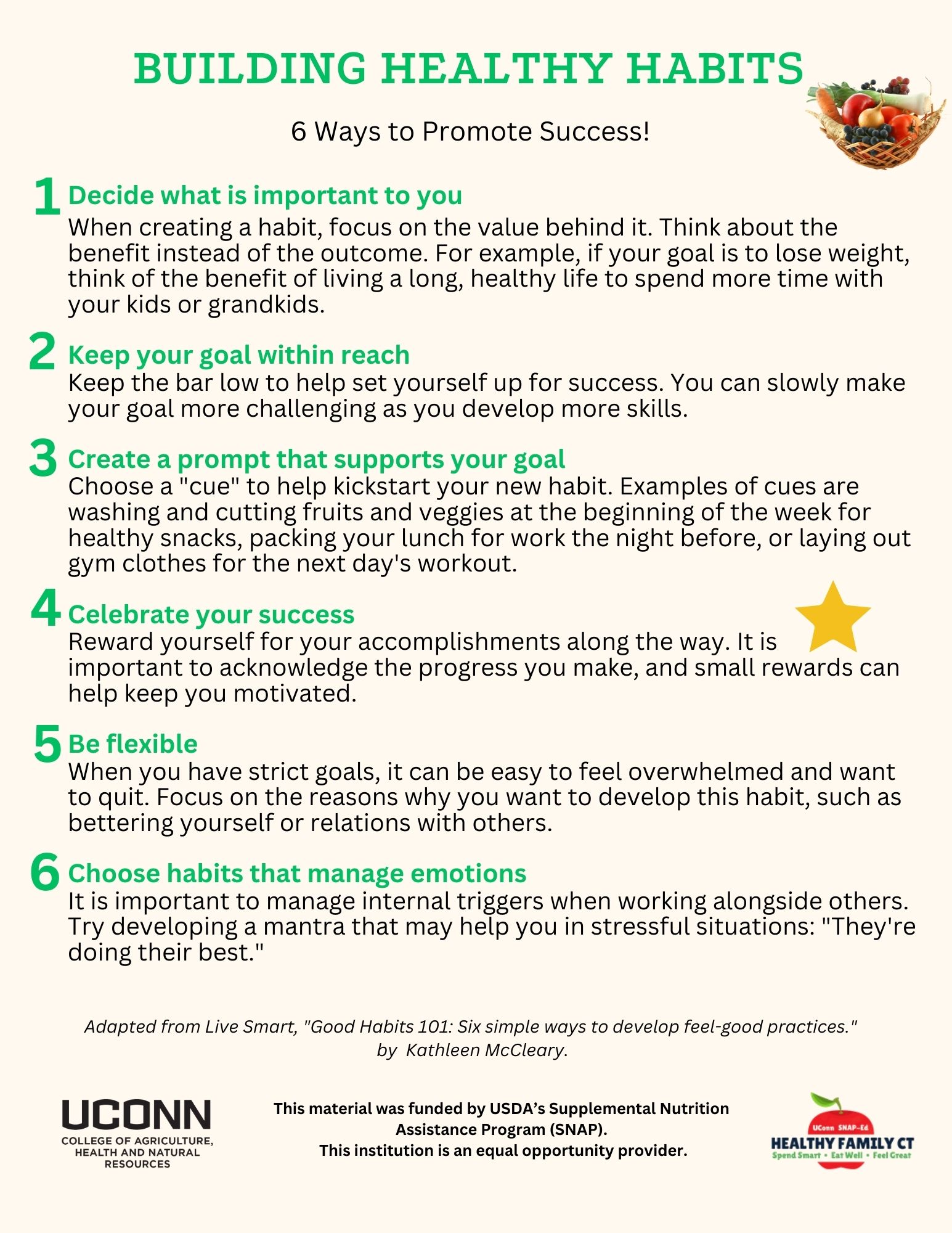
Create habits that are easy to follow long term. Set small, achievable goals to build confidence and momentum. Develop a daily schedule for meals, workouts, and sleep. Track your progress to stay motivated and aware of patterns. Adjust routines as needed to fit life changes or challenges. Avoid strict diets or extreme changes that are hard to keep. Focus on steady progress and balance for lasting success.
Conclusion
Building lasting weight loss means creating habits you can keep. Focus on balanced meals, regular movement, and enough water daily. Small changes add up over time. Stay patient and kind to yourself during the journey. Healthy habits grow stronger with consistency, not perfection.
This approach helps you live well beyond any diet or quick fix. Keep your goals simple and your actions steady for real success.