


Are you curious about what the ideal BMI for a male really means for your health and appearance? Understanding your Body Mass Index (BMI) is one of the simplest ways to gauge if your weight is in a healthy range for your height and age.
But what number should you aim for? And why does it matter so much? You’ll discover the key facts about the ideal BMI for men, how it changes as you get older, and why maintaining the right BMI can boost your energy, confidence, and overall well-being.
Keep reading to unlock the secrets that can help you feel and look your best every day.
What Bmi Means For Men
Body Mass Index (BMI) shows if a man’s weight fits his height. It helps check health risks linked to weight. Men use BMI to understand their body health better. It is a quick way to see if weight is too low, normal, or too high. BMI is not perfect but works well for most adult men. Knowing BMI helps guide healthy lifestyle choices.
Bmi Calculation Basics
BMI uses two numbers: weight and height. Weight is in kilograms or pounds. Height is in meters or inches. The formula is weight divided by height squared. For example, if a man weighs 70 kg and is 1.75 meters tall, the calculation is 70 ÷ (1.75 × 1.75). This equals about 22.9, which is a healthy BMI.
Many online calculators do this math fast. Men only need to enter weight and height. The result shows their BMI number. This number tells if weight is healthy or needs change.
Bmi Categories For Males
BMI numbers fall into groups. These groups show health risk levels. Below 18.5 means underweight. Between 18.5 and 24.9 is normal weight. From 25 to 29.9 is overweight. Above 30 means obesity. Each group links to health risks.
Underweight men may lack nutrients and energy. Normal weight men have lower risk for many diseases. Overweight men face risks like heart disease and diabetes. Obesity raises risks even more. Knowing category helps men take steps for better health.

Credit: www.health.harvard.edu
Ideal Bmi Ranges By Age
Body Mass Index (BMI) helps measure healthy weight for men. Ideal BMI changes with age due to body and metabolism changes. Understanding these differences helps men maintain better health at each life stage.
Young Adults
For men aged 18 to 25, the ideal BMI range is between 18.5 and 24.9. This range supports strong muscle growth and energy levels. Staying within this range lowers the risk of future health problems.
Middle-aged Men
Men aged 26 to 45 should aim for a BMI between 20 and 25. Metabolism slows down, so weight control becomes more important. A healthy BMI helps reduce risks of heart disease and diabetes.
Older Adults
For men over 45, a BMI between 22 and 27 is often recommended. A slightly higher BMI may protect against bone loss and muscle decline. Maintaining this range supports overall strength and health.
Health Benefits Of Ideal Bmi
Maintaining an ideal BMI offers many health benefits for men. A healthy BMI supports overall body function and helps keep diseases away. It also improves how the body moves and feels daily. Mental health often improves as well. Understanding these benefits encourages men to aim for a balanced BMI.
Reduced Risk Of Chronic Diseases
An ideal BMI lowers chances of heart disease and diabetes. It reduces pressure on the heart and blood vessels. Men with a healthy BMI face less risk of stroke and certain cancers. Keeping weight in check helps control blood sugar and cholesterol levels. This leads to better long-term health and fewer doctor visits.
Improved Physical Fitness
A healthy BMI makes physical activities easier and more enjoyable. It increases strength, endurance, and flexibility. Men can move without pain or exhaustion. Good fitness supports better sleep and higher energy throughout the day. Staying active also helps maintain a healthy weight over time.
Enhanced Mental Well-being
Ideal BMI links to better mood and less stress. Healthy body weight improves self-confidence and body image. Men often feel more motivated to stay active and eat well. Physical health supports brain function and reduces anxiety and depression risks. A balanced BMI contributes to a happier, more focused life.
Bmi And Body Composition
Body Mass Index (BMI) helps estimate a healthy weight range based on height and weight. It is a simple tool used worldwide to assess if a person is underweight, normal weight, overweight, or obese. BMI does not measure body fat directly but gives a general idea about body composition. Knowing how muscle and fat affect BMI is important for understanding its limits.
Body composition varies greatly among men. Two men with the same BMI may look very different depending on muscle and fat levels. This difference matters when assessing ideal BMI for males.
Muscle Vs. Fat Considerations
Muscle weighs more than fat. A muscular man can have a high BMI but low body fat. BMI may label him overweight even if he is healthy. Fat adds less weight but can increase health risks. BMI does not separate muscle mass from fat mass. This makes it less accurate for men with more muscle. Knowing muscle and fat percentages provides a clearer health picture.
Limitations Of Bmi For Athletes
Athletes often have high muscle mass. Their BMI can be misleadingly high. This does not mean they are overweight or unhealthy. Using BMI alone may wrongly categorize athletes as obese or overweight. Other methods like body fat measurements or waist size give better results. Athletes should not rely on BMI as the only health guide.
Tools To Measure Bmi
Measuring BMI helps men understand their weight health quickly. Several tools make checking BMI easy and accurate. These tools fit different needs and preferences. Choose the one that suits your lifestyle best.
Online Calculators
Online BMI calculators require just height and weight. Enter your details, and the calculator shows your BMI number. These tools are free and fast to use. Many health sites offer reliable BMI calculators. They also explain what your BMI means.
Using Bmi Charts
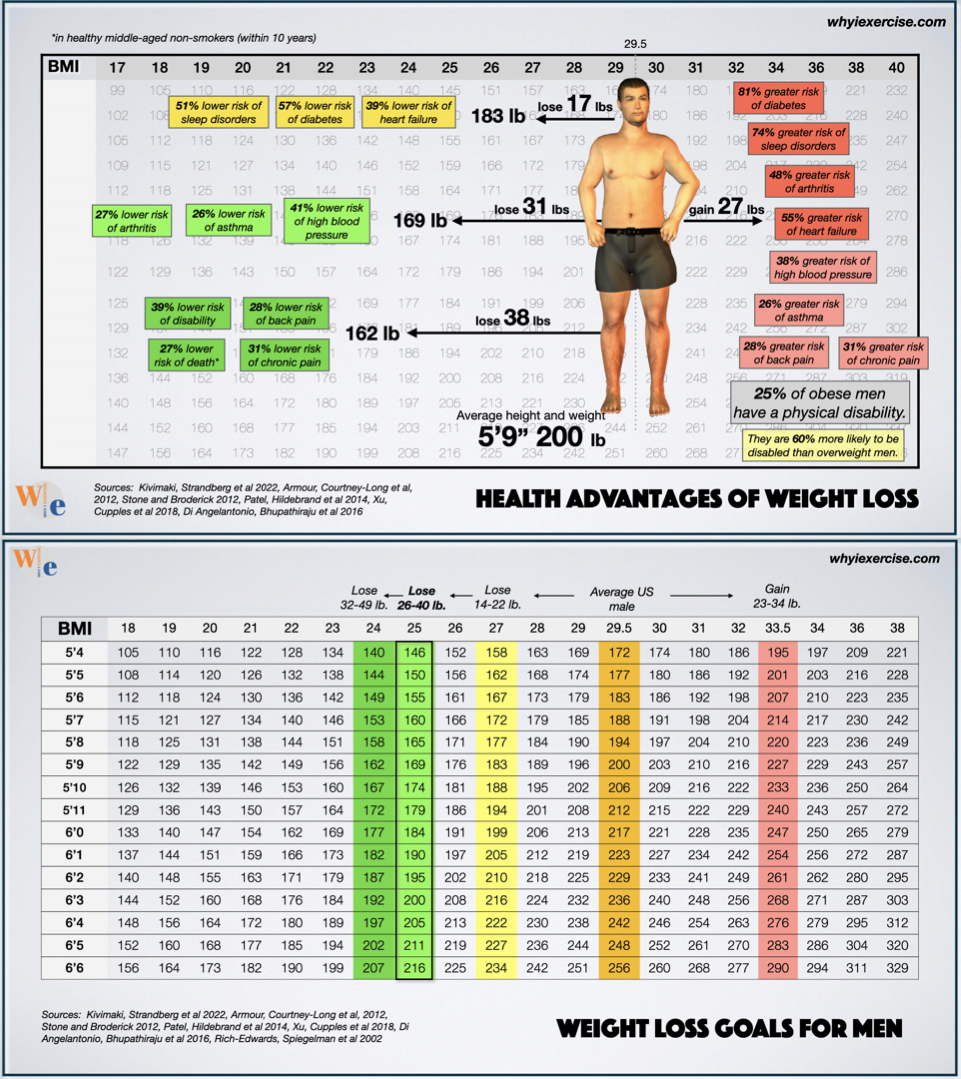
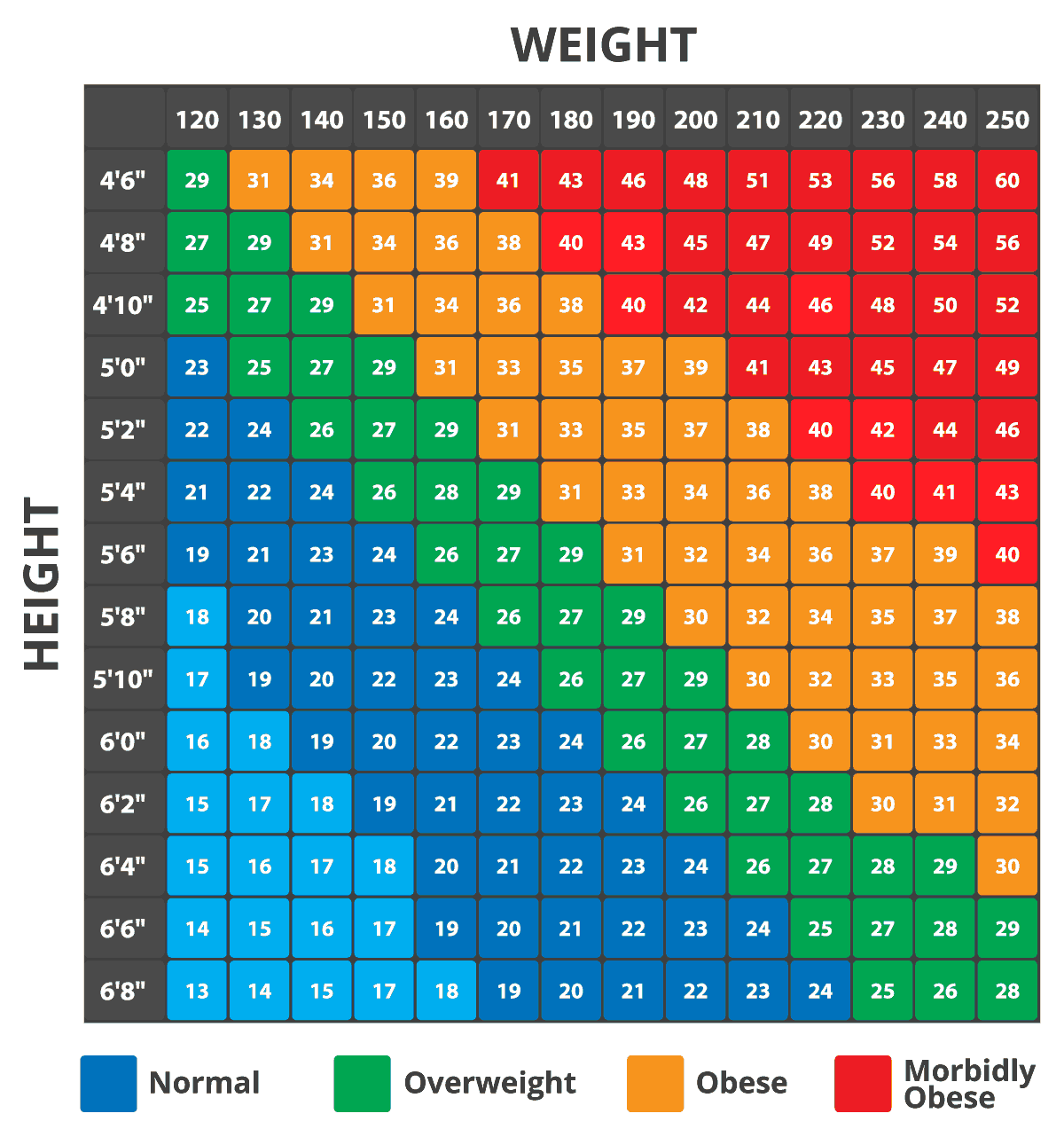
BMI charts display ranges of weight for each height. Find your height on the chart’s left side. Move across to your weight row. The chart shows if your BMI is normal or not. Charts are simple and good for quick checks. You can print them for easy reference anytime.
Smartphone Apps
Smartphone apps track BMI and other health data daily. Input your height and weight to get BMI instantly. Many apps store your history to show progress. Some apps offer extra tips for healthy living. They are handy and work anywhere, anytime.
Credit: www.whyiexercise.com
Achieving Your Ideal Bmi
Achieving your ideal BMI is a key step toward better health and wellness. This number helps measure body fat based on height and weight. Maintaining a healthy BMI reduces risks of heart disease, diabetes, and other conditions. Small changes can lead to big improvements. Focus on balanced eating, regular activity, and positive habits to reach your ideal BMI.
Balanced Nutrition Tips
Eat a variety of foods each day. Include fruits, vegetables, lean proteins, and whole grains. Limit sugary drinks and high-fat snacks. Drink plenty of water to stay hydrated. Control portion sizes to avoid overeating. Plan meals ahead to make healthy choices easier.
Effective Exercise Plans
Exercise helps burn calories and build muscle. Aim for at least 30 minutes of moderate activity most days. Walking, cycling, and swimming work well for many men. Strength training boosts metabolism and tones your body. Start slowly and increase intensity over time. Consistency is more important than intensity.
Lifestyle Adjustments
Sleep affects weight and overall health. Aim for 7 to 8 hours of restful sleep each night. Reduce stress through relaxation techniques or hobbies. Avoid smoking and limit alcohol consumption. Stay active during the day by taking breaks to move. Small daily changes support long-term success.
Common Bmi Myths
Many people believe BMI tells the whole story about health and appearance. This idea is not true. BMI has limits and can be misunderstood. Clearing up common myths helps men understand what BMI really means. It guides men to use BMI wisely for health, not just numbers.
Bmi And Attractiveness
Some think a certain BMI makes men more attractive. This is not true for everyone. Attractiveness depends on many things, not just weight or BMI. Muscles, confidence, and personality also matter. A BMI number alone cannot measure how good someone looks.
Bmi As A Sole Health Indicator
BMI only uses height and weight. It does not check muscle, fat, or bone differences. A very fit man might have a high BMI but low fat. Illness or health risks need more tests than BMI. Use BMI as a starting point, not the final answer on health.
Credit: austingynecomastiacenter.com
Tracking Progress Over Time
Tracking progress over time is key to maintaining the ideal BMI for males. It helps you see how your body changes. This process keeps you motivated and on the right path. Consistent tracking shows what works and what needs change. Small steps add up to big results. Staying aware of your progress supports lasting health improvements.
Setting Realistic Goals
Set clear and simple goals based on your current BMI. Aim for small, steady improvements rather than quick fixes. Realistic goals prevent frustration and keep you focused. Choose targets you can reach within weeks or months. This way, you build confidence and healthy habits.
Regular Monitoring
Check your BMI regularly using a reliable calculator. Weekly or biweekly measurements give a good view of your progress. Write down your results to spot trends over time. Avoid daily checks to prevent stress from normal fluctuations. Consistent monitoring helps keep your plan on track.
Adjusting Strategies
Change your diet or exercise if your progress slows or stops. Small adjustments can make a big difference. Listen to your body and how it responds. Seek advice if you struggle to reach your ideal BMI. Being flexible increases your chances of success.
Conclusion
Maintaining an ideal BMI helps men stay healthy and active. A BMI between 18. 5 and 24. 9 suits most adult males. It supports good heart health and reduces disease risk. Regular check-ups and balanced diets keep BMI in the right range.
Simple lifestyle changes can improve weight and overall well-being. Focus on steady progress, not quick fixes. Understanding your ideal BMI guides better health decisions every day. Stay aware and take small steps for a healthier life.