

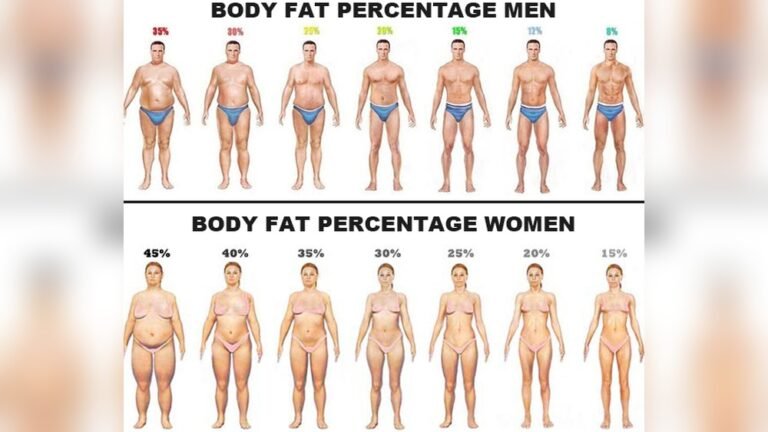
Have you ever wondered if being underweight can still mean you’re healthy? Maybe you’ve always had a slender build, or perhaps you struggle to gain weight no matter what you eat.
It’s a common question, and the answer isn’t as simple as it seems. Your weight alone doesn’t tell the full story about your health. You’ll discover what being underweight really means for your body, when it’s okay, and when it could signal a problem.
Keep reading to learn how to tell if your weight is truly healthy for you—and what steps you can take to protect your well-being.

Credit: www.rntfitness.co.uk
Causes Of Being Underweight
Being underweight can happen for many reasons. Some people have a naturally low body weight without health problems. Others may struggle to gain weight due to their body or lifestyle. Understanding why a person is underweight helps decide if it is healthy or needs attention.
Different causes affect weight differently. Some factors are out of a person’s control, while others relate to habits or health issues. Below are common causes of being underweight.
Genetic Factors
Genes play a key role in body shape and size. Some people inherit a naturally slim build from their family. This body type burns energy quickly and stores less fat. Genetic traits can keep weight low without causing harm.
High Metabolism
Metabolism is how the body uses energy. A fast metabolism burns calories quickly. People with high metabolism may find it hard to gain weight. Even with enough food, their body uses calories fast for energy.
Medical Conditions
Some illnesses cause weight loss or prevent weight gain. Conditions like thyroid problems, diabetes, or digestive issues affect appetite and absorption. Certain medications and infections can also lower body weight.
Lifestyle Influences
Daily habits impact body weight. High physical activity or stress can reduce weight. Poor diet or skipping meals may cause low body weight. Smoking and substance use also affect appetite and nutrient intake.
Signs Of Healthy Underweight
Being underweight does not always mean poor health. Some people have a naturally slim body shape and still feel strong and well. To understand if an underweight person is healthy, certain signs can help. These signs show the body is working well despite a low weight. They focus on nutrition, energy, vital signs, and the absence of illness. These points give a clear picture of healthy underweight status.
Balanced Nutrition
A healthy underweight person eats a variety of foods. They get enough vitamins, minerals, and proteins. Their meals include fruits, vegetables, grains, and proteins. This balance supports body functions and growth. Proper nutrition helps maintain muscle strength and immune health.
Stable Energy Levels
Energy stays steady throughout the day. There are no frequent tiredness or dizziness episodes. A healthy underweight person can perform daily tasks easily. Their body uses energy well without extreme highs or lows. Good energy means the body receives enough fuel from food.
Normal Vital Signs
Heart rate, blood pressure, and temperature fall within normal ranges. These signs show the body works efficiently. No unusual rapid heartbeat or low blood pressure occurs. Normal vital signs indicate the heart and lungs function well. This is a key marker of good health despite low weight.
No Underlying Illness
Being underweight without health problems is possible. Doctors check for conditions like thyroid issues or infections. No symptoms of disease or sudden weight loss appear. Absence of illness confirms healthy underweight status. Regular health check-ups ensure the body stays strong and safe.
Health Risks Linked To Low Weight
Being underweight may seem harmless, but it can bring several health risks. Low body weight sometimes hides serious problems inside the body. Even if you feel fine, your health might be affected. Understanding these risks helps you stay aware and take action if needed.
Weakened Immune System
Low body weight can reduce your immune system’s strength. Your body may struggle to fight infections and illnesses. This means you get sick more often and take longer to recover. A weak immune system puts you at higher risk for common colds and serious infections alike.
Bone Density Issues
Being underweight can lower your bone density. Thin bones break more easily and heal slowly. This condition may lead to osteoporosis, a disease that causes fragile bones. It increases the chance of fractures, especially in older adults. Strong bones need enough weight and good nutrition.
Hormonal Imbalances
Low weight can cause problems with hormone levels. Hormones control many body functions like growth and reproduction. Women may stop having regular periods or lose them completely. Men may experience low energy and reduced muscle mass. These imbalances can affect your overall wellbeing.
Nutrient Deficiencies
Underweight individuals often lack essential nutrients. This happens because they may not eat enough food or a balanced diet. Deficiencies in vitamins and minerals can cause fatigue, poor concentration, and slow healing. Over time, missing nutrients harm organs and body functions.

Credit: www.inspirahealthnetwork.org
When To Seek Medical Advice
Knowing when to seek medical advice is important if you are underweight. Being underweight might seem harmless, but it can hide health problems. Some signs show that your body needs a closer check-up. Pay attention to changes in your weight and overall health. Early medical advice can help prevent serious issues.
Rapid Weight Loss
Sudden loss of weight without trying is a warning sign. Losing more than 5% of your body weight in a month needs attention. Rapid weight loss can signal infections, thyroid problems, or other illnesses. Doctors can find the cause and recommend treatment. Do not ignore unexplained weight loss.
Persistent Fatigue
Feeling tired all the time is not normal. If rest does not help, it might be a health problem. Being underweight can cause low energy and weakness. Fatigue may indicate anemia, malnutrition, or other disorders. A doctor can check your blood and overall condition. Seeking help can improve your energy levels.
Digestive Problems
Ongoing stomach pain, diarrhea, or nausea can affect your weight. Digestive problems may cause poor nutrient absorption. This can lead to being underweight even with enough food. Conditions like celiac disease or ulcers need medical care. A doctor can diagnose and guide proper treatment.
Changes In Menstrual Cycle
Irregular or missed periods can happen when you are underweight. Low body fat affects hormone balance and fertility. Changes in your menstrual cycle should not be ignored. They may signal health issues like hormonal imbalances or eating disorders. Consult a healthcare provider for advice and support.
Bmi And Weight Categories
Body Mass Index (BMI) helps categorize weight in relation to height. It offers a simple way to see if a person is underweight, healthy, or overweight. Understanding BMI ranges helps to assess weight status and related health risks. Yet, BMI has its limits and does not tell the full story about health.
Underweight Thresholds
Underweight is defined as having a BMI below 18.5. People in this range weigh less than what is considered healthy for their height. Being underweight may raise concerns about nutrition and health. Some individuals may be naturally thin but still healthy. Others may have underlying health issues causing low weight.
Healthy Weight Range
A BMI between 18.5 and 24.9 is considered healthy. People in this range generally have a balanced weight for their height. This range is linked with lower risks of chronic diseases. Eating well and staying active can help maintain a healthy BMI. Weight in this range supports normal body functions and energy levels.
Limitations Of Bmi
BMI does not measure body fat directly. It cannot distinguish between muscle and fat mass. Athletes may have a high BMI but low body fat. Older adults might have normal BMI but higher fat levels. BMI also does not account for differences in body shape or bone density. Always consider other health factors beyond BMI alone.
Tips To Maintain Healthy Weight
Maintaining a healthy weight is important, even for those who are naturally underweight. Staying balanced helps the body work well and prevents health problems. Small changes in daily habits can support a steady, healthy weight. Focus on good nutrition, activity, and regular health checks to keep your body strong.
Balanced Diet Choices
Eat a variety of foods from all food groups. Include fruits, vegetables, whole grains, and protein sources. Choose healthy fats like nuts, seeds, and olive oil. Avoid too many empty calories from sugary or processed foods. Eat regular meals and snacks to supply steady energy throughout the day.
Regular Physical Activity
Engage in moderate exercise most days. Activities like walking, swimming, or yoga improve muscle tone and appetite. Strength training helps build muscle mass and supports healthy weight. Avoid excessive cardio that burns too many calories. Find enjoyable activities to stay motivated.
Monitoring Health Signs
Watch for changes in energy, mood, and sleep. Sudden weight loss or fatigue may signal a problem. Track eating habits to ensure enough nutrient intake. Keep an eye on immune health, like frequent colds or infections. Early detection helps address issues before they worsen.
Consulting Healthcare Providers
Visit a doctor for regular check-ups and advice. Share concerns about weight and overall health. Doctors can check for underlying conditions affecting weight. A dietitian can create a personalized meal plan. Professional support ensures safe and effective weight management.

Credit: tampacardio.com
Conclusion
Being underweight can still mean good health if your body feels strong. Natural body types vary, so weight alone does not define health. Eating well and staying active helps maintain your well-being. Watch for sudden weight loss or health changes, as these need attention.
Always talk to a doctor if unsure about your weight. Staying informed helps you make the best choices for your body. Balance and care matter more than just numbers on a scale.