

Are you wondering if the keto diet is really good for weight loss? You’re not alone.
Many people turn to keto hoping to shed stubborn belly fat and see quick results. But does cutting carbs and eating more fat actually help your body burn fat faster? You’ll discover how keto works, why it might help reduce belly fat, and what you need to know before jumping in.
Stick with me, and you’ll get clear answers to decide if keto is the right path for your weight loss journey.
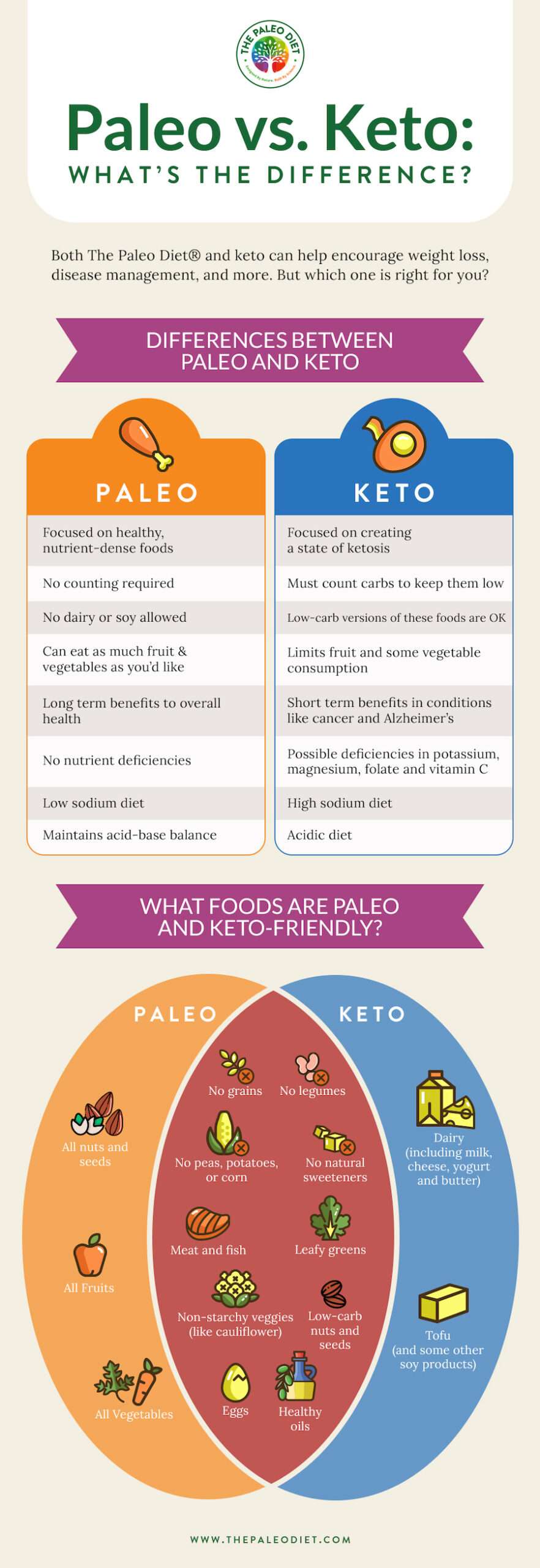
Credit: thepaleodiet.com
Keto And Belly Fat
Belly fat is a common concern for many people trying to lose weight. The ketogenic diet, or keto, focuses on low carbs and high fats. It changes how the body uses energy. This shift can help reduce fat stored around the belly. Let’s explore how keto works to target belly fat and what changes it brings to the body.
Fat Reduction Mechanisms
Keto lowers carbohydrate intake drastically. This forces the body to use fat for fuel. The liver breaks down fat into ketones, which become the main energy source. This process burns stored fat, including belly fat. The diet also reduces hunger by increasing fullness. Eating fewer calories helps fat loss further.
Visceral Fat Impact
Visceral fat lies deep around organs in the belly area. It is linked to health problems like diabetes and heart disease. Keto can reduce this harmful fat effectively. Studies show keto lowers visceral fat more than some other diets. Losing this fat improves health and lowers disease risks.
Body Composition Changes
Keto not only reduces fat but also changes body shape. It decreases waist size and body mass index (BMI). Muscle mass is often preserved or increased with keto. This leads to a leaner, healthier body look. Regular exercise and good sleep boost these benefits.
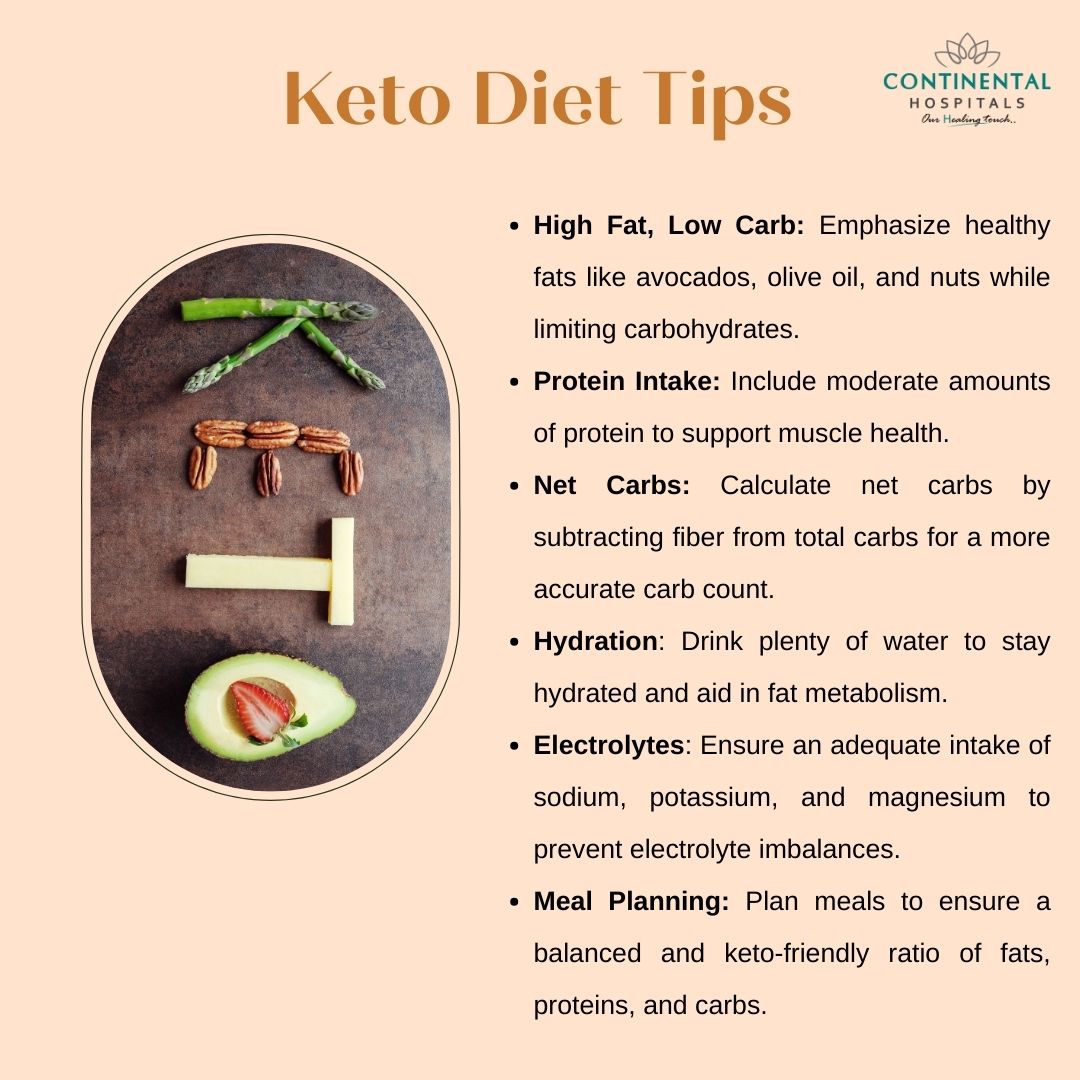
Credit: continentalhospitals.com
How Keto Promotes Fat Loss
The ketogenic diet helps the body burn fat by changing how it uses energy. By cutting carbs and increasing fats, the body shifts into ketosis. This shift encourages fat loss in several ways that work together to reduce weight effectively.
Understanding these key processes explains why keto can be an effective method for fat loss.
Appetite Suppression
Keto reduces hunger naturally. Eating more fats and proteins helps you feel full longer. This leads to eating less food overall. Lower hunger signals prevent overeating and snacking. It makes sticking to a calorie deficit easier, which is essential for fat loss.
Ketosis And Fat Burning
Ketosis occurs when carb intake is very low. The body starts using fat as its main energy source. Fat from food and stored fat breaks down into molecules called ketones. These ketones provide energy to muscles and the brain. This process increases fat burning and reduces fat storage.
Metabolic Advantages
Keto can boost metabolism slightly. It increases the number of calories the body burns at rest. The diet also improves insulin sensitivity. Better insulin control helps reduce fat storage and supports fat loss. These changes make weight loss easier and more sustainable.
Weight Loss Timeline On Keto
Understanding the weight loss timeline on keto helps set clear expectations. Weight loss does not happen all at once. It follows phases influenced by body changes and habits. Knowing these phases keeps motivation strong and guides better choices.
Initial Water Weight Drop
The first week on keto often shows a quick weight drop. This loss mostly comes from water, not fat. Carbohydrates hold water in the body. Cutting carbs makes the body release stored water. This can cause a loss of 2 to 10 pounds quickly. This drop boosts confidence but is temporary. Fat loss starts after this phase.
Factors Affecting Fat Loss Rate
Fat loss speed varies from person to person. Age, gender, and metabolism all play a role. Activity level also affects how fast fat burns. Eating habits matter: calorie intake and food quality impact results. Stress and sleep influence hormones that control weight. Consistency with the keto diet is key for steady fat loss. Expect slower, steady fat loss after the initial drop.
Long-term Weight Management
Keeping weight off requires a long-term plan. The keto diet can help maintain weight loss by reducing hunger. Some people use keto as a lifestyle, not a short diet. Balancing keto with regular exercise improves results. Tracking progress helps adjust the plan if needed. Long-term success depends on healthy habits beyond just keto.
Diet Quality And Sustainability
Diet quality and sustainability play crucial roles in the success of the keto diet for weight loss. Choosing the right foods affects both your health and your ability to stick with the plan long-term. The keto diet is more effective and healthier when based on whole, nutrient-rich foods rather than processed or low-quality options. Sustainable habits ensure lasting results and prevent common pitfalls.
Whole Foods Vs. Processed Foods
Whole foods provide essential nutrients and fiber. Vegetables, nuts, seeds, and quality proteins support overall health. Processed foods often contain unhealthy fats and additives. These can cause inflammation and slow weight loss. Focusing on whole foods helps your body function better and keeps hunger in check.
Avoiding Dirty Keto
Dirty keto means eating processed and packaged foods that fit keto macros. This approach can harm your health despite weight loss. These foods lack vitamins and minerals your body needs. They may increase cravings and lead to poor digestion. Clean keto, with fresh whole foods, offers better energy and wellbeing.
Maintaining Keto Long-term
Long-term keto success depends on creating a balanced, enjoyable diet. Plan meals that include variety and flavor to avoid boredom. Regularly monitor how your body feels and adjust as needed. Incorporate social and lifestyle factors to make keto part of daily life. Consistency and patience are key to lasting weight loss.
Supporting Healthy Lifestyle Habits
Supporting healthy lifestyle habits is key to making the keto diet effective for weight loss. Keto alone cannot guarantee lasting results without good daily habits. These habits include quality sleep, regular exercise, and proper hydration. They help your body function well and support fat loss.
Importance Of Sleep
Sleep affects how your body burns fat and controls hunger hormones. Poor sleep can increase cravings and reduce energy for workouts. Aim for 7 to 9 hours of restful sleep each night. This helps regulate metabolism and supports weight loss on keto.
Role Of Exercise
Exercise boosts fat burning and improves muscle tone. It also helps maintain weight loss after keto. Combining cardio and strength training can speed up fat loss. Regular activity increases energy use and keeps your body healthy.
Hydration And Fiber
Water keeps your body hydrated and aids digestion on keto. Drinking enough water prevents fatigue and helps control appetite. Fiber from low-carb vegetables supports gut health and regular bowel movements. Both hydration and fiber reduce bloating and improve overall wellness.
Potential Challenges And Tips
Starting a ketogenic diet for weight loss brings many benefits but also some challenges. Recognizing these challenges helps you stay on track and achieve better results. Here are common obstacles and simple tips to overcome them.
Common Side Effects
Many people experience side effects early in keto. These include headaches, fatigue, and irritability. This phase is called the “keto flu.” Symptoms occur as the body adapts to burning fat instead of carbs. Drinking plenty of water and increasing salt intake can ease these effects. Eating enough fat also helps maintain energy. Most side effects fade within a week or two.
Tracking Macros Effectively
Keto requires careful tracking of macros: fats, proteins, and carbs. Eating too many carbs can stop ketosis, while too little protein may cause muscle loss. Use apps or food journals to log daily intake. Plan meals ahead to meet macro goals. Focus on whole foods like meat, fish, eggs, and low-carb vegetables. Avoid hidden carbs found in sauces and processed foods.
Seeking Professional Guidance
Consulting a healthcare professional ensures safety and success on keto. They can tailor the diet to your health needs and goals. Professionals help monitor progress and adjust macros as needed. Those with medical conditions or on medications should get advice before starting. A dietitian or nutritionist can provide meal plans and support for long-term adherence.

Credit: www.cell.com
Frequently Asked Questions
Is Keto Good For Losing Belly Fat?
Yes, keto helps burn belly fat by reducing appetite and using fat for energy. It lowers harmful visceral fat and waist size. Combining keto with exercise and sleep boosts results. Choose whole foods and consult a professional before starting.
What Are The 9 Rules Of Keto?
The 9 keto rules are: limit carbs, eat healthy fats, consume moderate protein, avoid sugar, stay hydrated, track macros, eat whole foods, include fiber, and maintain electrolyte balance.
How Much Weight Can You Lose In A Week On Keto?
You can lose 2 to 10 pounds in a week on keto, mostly from water weight and fat loss. Results vary by individual.
Is There A Downside To A Keto Diet?
The keto diet can cause nutrient deficiencies, fatigue, and digestive issues. It may be hard to sustain long-term and isn’t suitable for everyone.
Conclusion
Keto can support weight loss by helping your body burn fat. It lowers appetite, making it easier to eat less. The diet targets harmful belly fat, improving health. Staying consistent and combining keto with exercise boosts results. Choose whole foods over processed options for best effects.
Remember, keto may not suit everyone long-term. Always check with a healthcare expert before starting. Weight loss takes time, patience, and healthy habits. Keto offers a useful tool, but balance matters most.