


Are you managing diabetes and wondering if the Mediterranean diet could be a good fit for you? Choosing the right way to eat can feel overwhelming, but what if there’s a tasty, heart-healthy plan that helps keep your blood sugar steady?
The Mediterranean diet is praised for its fresh, wholesome ingredients like vegetables, whole grains, and healthy fats. But is it really the best choice to control diabetes and boost your overall health? Keep reading to discover how this popular diet works for diabetics, what benefits you can expect, and practical tips to make it work for your lifestyle.
Your journey to better health could start with the foods on your plate today.
Mediterranean Diet Basics
The Mediterranean Diet is a popular eating plan inspired by countries near the Mediterranean Sea. It focuses on whole, natural foods and balanced nutrition. This diet supports overall health and may help manage diabetes.
Understanding the basics of the Mediterranean Diet helps diabetics make better food choices. It emphasizes fresh ingredients, healthy fats, and steady meal habits. These elements work together to support blood sugar control and heart health.
Core Foods And Ingredients
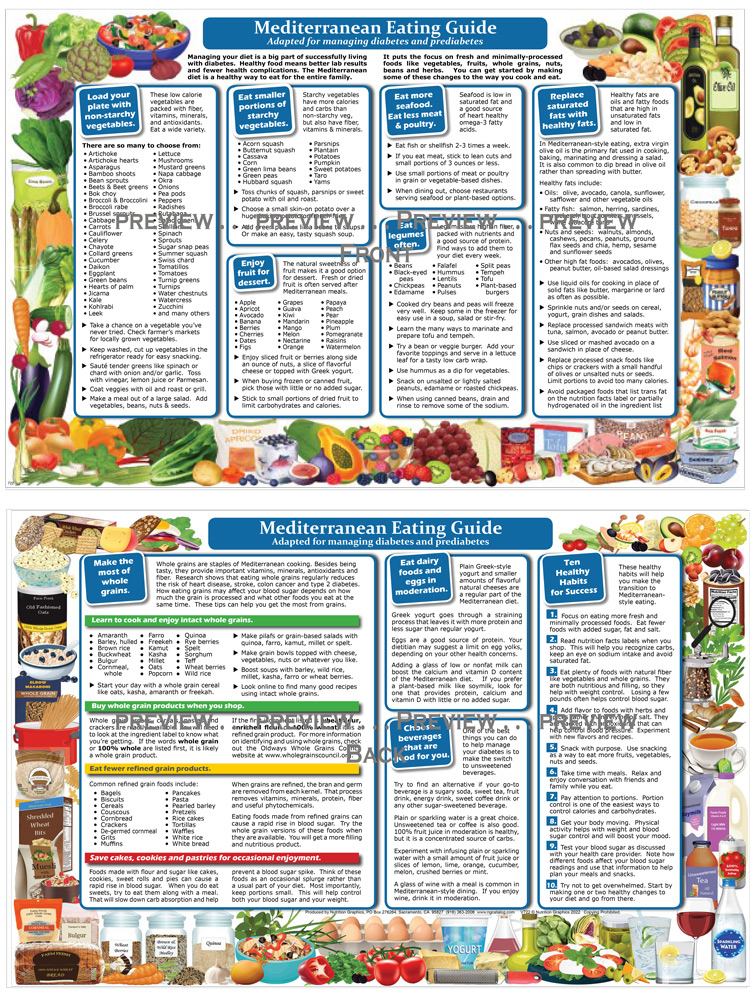
The Mediterranean Diet centers on plant-based foods. Vegetables, fruits, legumes, and whole grains form the diet’s foundation. Beans, lentils, and nuts add fiber and protein. Fish and poultry are the main animal proteins. Red meat appears only occasionally. Herbs and spices add flavor without salt.
Healthy Fats Focus
Healthy fats are key in this diet. Olive oil is the primary fat source. It contains monounsaturated fats that support heart health. Nuts, seeds, and avocados also provide good fats. These fats help improve cholesterol and reduce inflammation. Butter and processed fats are kept to a minimum.
Meal Patterns
Meals in the Mediterranean Diet are balanced and moderate. Portion control helps manage blood sugar levels. Meals often include a mix of vegetables, whole grains, and protein. Eating regular, smaller meals can prevent blood sugar spikes. Drinking water and limiting sugary drinks is encouraged.

Credit: www.everydayhealth.com
Benefits For Blood Sugar Control
The Mediterranean diet offers several benefits for blood sugar control. It emphasizes natural foods that help keep blood sugar steady. This diet can support better management of diabetes by focusing on healthy eating habits. Understanding how it affects blood sugar helps make informed choices.
Below are key ways the Mediterranean diet helps control blood sugar levels.
Impact On Glycemic Index
The Mediterranean diet favors foods with a low glycemic index (GI). Low-GI foods cause a slower rise in blood sugar after meals. Examples include whole grains, legumes, and non-starchy vegetables. This slower rise helps prevent blood sugar spikes and crashes. Choosing low-GI foods supports more stable energy throughout the day.
Carbohydrate Management
This diet encourages balanced carbohydrate intake. Instead of cutting carbs entirely, it focuses on quality and portion size. Whole grains and legumes replace refined carbs and sugary foods. Controlling carbohydrate portions helps avoid sudden blood sugar increases. Balanced carbs also reduce insulin resistance and improve overall glucose control.
Role Of Fiber
Fiber plays a vital role in blood sugar control within the Mediterranean diet. High-fiber foods like fruits, vegetables, and nuts slow digestion. This slows sugar absorption into the bloodstream. Fiber helps reduce blood sugar spikes after eating. It also promotes gut health, which supports better blood sugar regulation over time.
Heart Health Advantages
The Mediterranean diet offers many benefits for heart health, especially for people with diabetes. It focuses on whole foods and healthy fats that support cardiovascular function. This diet helps reduce the risk of heart disease, a common concern for diabetics. Eating this way can improve cholesterol levels and blood pressure, key factors in heart health.
Studies show that people following the Mediterranean diet have lower rates of heart attacks and strokes. The diet’s emphasis on plant-based foods and lean proteins helps maintain healthy arteries. These factors make the Mediterranean diet a strong choice for protecting the heart.
Reducing Cardiovascular Risk
The Mediterranean diet lowers cardiovascular risk by reducing bad cholesterol and inflammation. It includes plenty of fruits, vegetables, and whole grains, which provide antioxidants. These nutrients protect the heart and blood vessels from damage. For diabetics, this means better control of blood sugar and fewer heart problems.
Regular consumption of fish and nuts, rich in omega-3 fatty acids, also helps reduce the risk of heart disease. The diet avoids processed foods and added sugars, which can increase heart risks. This natural, balanced approach supports long-term heart health.
Healthy Fat Sources
Healthy fats in the Mediterranean diet come mainly from olive oil, nuts, and seeds. These fats improve cholesterol by raising good HDL levels and lowering bad LDL levels. For diabetics, healthy fats help control blood sugar and reduce insulin resistance.
Avoiding unhealthy fats like trans fats and saturated fats is important for heart health. The Mediterranean diet replaces these with monounsaturated and polyunsaturated fats. This helps keep arteries clear and reduces the chance of heart disease.
Blood Pressure Effects
The Mediterranean diet helps lower blood pressure, a major risk factor for heart disease. Foods rich in potassium, like fruits and vegetables, balance sodium levels in the body. This reduces strain on blood vessels and the heart.
Studies show that following this diet can lead to modest but meaningful drops in blood pressure. For diabetics, managing blood pressure is crucial to prevent complications. The Mediterranean diet supports healthy blood pressure naturally and safely.
Weight Management And Diabetes
Managing weight plays a crucial role in controlling diabetes. Excess weight can affect blood sugar levels and insulin sensitivity. The Mediterranean diet offers a balanced approach that supports healthy weight management. This diet includes whole foods rich in nutrients and healthy fats that help maintain stable blood sugar.
Portion Control Strategies
Portion control helps regulate calorie intake and prevents overeating. The Mediterranean diet encourages smaller servings of grains and starchy vegetables. Using smaller plates and measuring servings can aid in controlling portions. Eating slowly and stopping when full also supports better portion control. Balanced portions reduce blood sugar spikes and improve diabetes management.
Satiety And Nutrient Density
The Mediterranean diet is rich in fiber, healthy fats, and protein. These nutrients increase feelings of fullness or satiety. Foods like vegetables, nuts, and olive oil provide lasting energy without excess calories. High nutrient density means you get more vitamins and minerals per calorie. This helps reduce hunger and supports stable blood sugar levels throughout the day.
Sustainable Weight Loss
Sustainable weight loss requires a diet that is enjoyable and easy to follow. The Mediterranean diet offers variety and flavor, making it easier to stick with long term. It focuses on whole foods rather than processed items, which supports steady, healthy weight loss. Consistent weight loss improves insulin sensitivity and helps control diabetes better over time.
Foods To Limit Or Avoid
Managing diabetes involves careful food choices. The Mediterranean diet offers many benefits, but some foods may harm blood sugar control. It is important to know which foods to limit or avoid to keep diabetes in check. These foods can cause blood sugar spikes and increase health risks.
Processed And Red Meats
Processed meats like sausages, bacon, and deli meats contain unhealthy fats and preservatives. Red meats, such as beef and pork, can raise inflammation and insulin resistance. Eating these meats often may worsen diabetes symptoms. Choose lean proteins like fish, poultry, or plant-based options instead.
Added Sugars And Sweetened Drinks
Foods and drinks with added sugars quickly raise blood glucose levels. Sweetened beverages like soda, fruit drinks, and energy drinks offer no nutrients and add empty calories. Candy, desserts, and baked goods with sugar can cause harmful blood sugar swings. Avoid these to help maintain steady glucose levels.
Fried And High-sodium Foods
Fried foods are high in unhealthy fats that increase the risk of heart disease. Many fried items also contain excess salt, which can raise blood pressure. People with diabetes often have higher heart risks, so limiting fried and salty foods is wise. Opt for cooking methods like baking, grilling, or steaming instead.
Credit: nutritiongraphicscatalog.com
Comparing Mediterranean With Other Diets
Comparing the Mediterranean diet with other popular eating plans helps reveal its unique strengths. Different diets offer various benefits for managing diabetes. Understanding these differences guides better food choices and health outcomes.
Mediterranean Vs Dash Diet
The Mediterranean diet focuses on healthy fats like olive oil and nuts. It encourages eating fish, fruits, and vegetables. The DASH diet targets lowering blood pressure by reducing sodium. It also emphasizes fruits, vegetables, and whole grains. Both diets limit red meat and processed foods. Mediterranean allows more fat from natural sources. DASH prioritizes low sodium and balanced nutrients. Both help control blood sugar and support heart health.
Plant-based And Vegetarian Options
Plant-based diets rely on vegetables, fruits, legumes, and whole grains. Vegetarian diets exclude meat but may include dairy and eggs. The Mediterranean diet includes moderate fish and poultry, plus plenty of plants. Plant-based diets often have high fiber and low saturated fat. These traits improve blood sugar control and reduce inflammation. Combining Mediterranean principles with plant-based eating can suit many diabetics. It offers variety and essential nutrients for balanced health.
Low-carb Diet Considerations
Low-carb diets reduce bread, rice, and sugary foods. This approach can lower blood sugar quickly. The Mediterranean diet contains moderate carbohydrates from whole grains and fruits. It focuses on quality carbs with a low glycemic index. Low-carb diets may improve insulin sensitivity but can be hard to maintain long-term. Mediterranean offers a sustainable balance of carbs, fats, and proteins. Choosing the right carb level depends on personal health and preferences.
Personalizing The Diet For Diabetics
Personalizing the Mediterranean diet is vital for people with diabetes. Each person’s body reacts differently to foods. A tailored approach helps balance blood sugar and supports overall health. Personal preferences, medications, and lifestyle factors all play a role. Customizing the diet improves adherence and long-term success.
Working With Healthcare Providers
Consult doctors and dietitians before starting the diet. They understand your medical history and diabetes management. Professionals guide safe carbohydrate choices and portion sizes. Regular check-ups help adjust the plan as needed. Their support prevents complications and promotes steady blood sugar levels.
Adjusting For Individual Needs
Modify the diet to fit your lifestyle and preferences. Choose vegetables, fruits, and grains that you enjoy. Adjust meal timing and frequency to match your routine. Consider medication schedules and physical activity levels. Personal tweaks make the diet easier to follow daily.
Monitoring Blood Sugar Responses
Track blood sugar before and after meals. Notice how different foods affect your levels. Use this information to refine food choices and portions. Continuous monitoring helps avoid spikes and lows. It empowers better control over your diabetes with the Mediterranean diet.

Credit: www.amazon.com
Practical Tips For Daily Meals
Eating a Mediterranean diet can help manage diabetes well. Planning daily meals wisely makes it easier to follow this healthy diet. Simple tips help balance blood sugar and keep energy steady all day. Small changes in meal choices create big health benefits over time.
Sample Meal Ideas
Start your day with oatmeal topped with fresh berries and a few nuts. For lunch, try a salad with mixed greens, chickpeas, cucumbers, tomatoes, and olive oil dressing. Snack on a small handful of almonds or a piece of fruit. Dinner could be grilled salmon, steamed broccoli, and quinoa. Keep portions moderate and include colorful vegetables on your plate.
Smart Snacking
Choose snacks that combine protein, fiber, and healthy fats. Greek yogurt with a sprinkle of chia seeds works well. Raw vegetables with hummus make a crunchy, satisfying option. Avoid sugary snacks or processed foods. Drinking water or herbal tea helps control hunger between meals. Planning snacks prevents overeating during main meals.
Grocery Shopping Tips
Make a list before shopping to avoid impulse buys. Focus on fresh fruits and vegetables, whole grains, and lean proteins. Pick olive oil as your main cooking fat. Read labels to check for added sugars and unhealthy fats. Avoid processed foods and sugary drinks. Shopping the perimeter of the store usually leads to healthier choices.
Conclusion
The Mediterranean diet offers many benefits for diabetics. It focuses on fresh vegetables, fruits, whole grains, and healthy fats. This diet helps control blood sugar and supports heart health. Eating balanced meals with lean proteins and fiber-rich foods improves overall well-being.
Avoiding processed foods and sugary drinks is important. Always consult a healthcare provider before making major changes. A personalized plan fits your unique needs best. Small steps toward this diet can lead to better health and energy. Simple, natural foods make managing diabetes easier and more enjoyable.