


Are you wondering if the Mediterranean diet is truly healthy and worth trying? You’re not alone.
This eating plan has gained massive popularity, praised for its delicious flavors and potential to boost your health. But what makes it stand out? How exactly can it benefit your heart, weight, and overall well-being? You’ll discover clear answers backed by science, learn what foods to enjoy, and find out how simple it is to make this lifestyle work for you.
Keep reading to unlock the secrets of one of the healthiest diets on the planet—and see if it’s the right fit for your life.
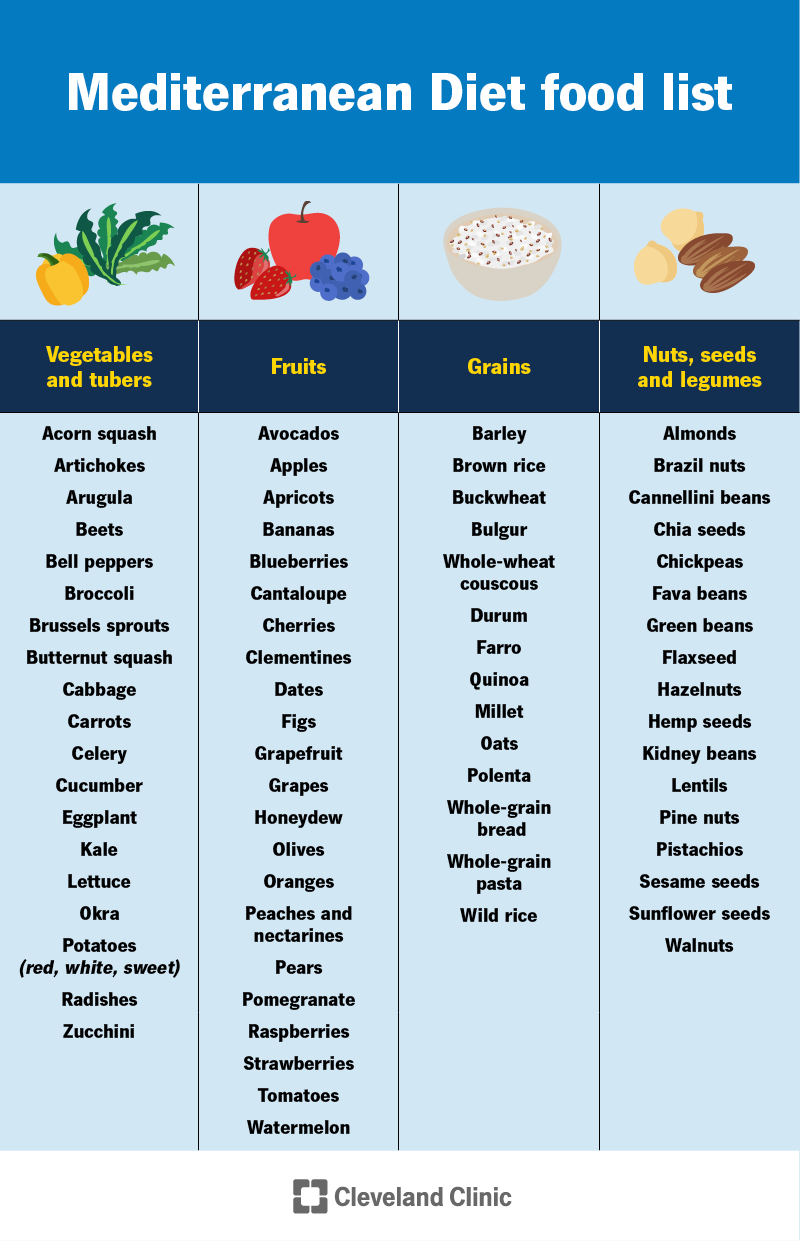
Credit: my.clevelandclinic.org
Health Benefits
The Mediterranean diet offers many health benefits. It focuses on natural, whole foods like fruits, vegetables, nuts, and healthy fats. This diet supports overall well-being and helps protect the body from many illnesses.
Eating this way can improve heart function, boost lifespan, and aid in weight control. It also supports mental clarity and a healthy gut. The Mediterranean diet fits well as a long-term lifestyle choice.
Heart Health
The diet is rich in olive oil, nuts, and fish. These foods contain healthy fats that reduce bad cholesterol. They help lower blood pressure and protect the heart. People following this diet often have fewer heart attacks and strokes.
Longevity Boost
Research shows this diet can extend life. It lowers the risk of diseases that shorten lifespan. Eating more plants and less processed food adds years to life. People who eat this way tend to live healthier, longer lives.
Disease Prevention
This diet lowers the risk of many chronic diseases. It helps prevent diabetes, certain cancers, and inflammation. The antioxidants in fruits and vegetables fight harmful free radicals. Regular fish intake supports good blood sugar control and reduces cancer risk.
Mental And Gut Health
The Mediterranean diet supports brain function and mood. Foods rich in omega-3 and antioxidants improve memory and reduce depression. A high fiber intake promotes a healthy gut microbiome. This leads to better digestion and a stronger immune system.
Weight Management
The diet focuses on nutrient-rich, filling foods. Whole grains, fruits, and vegetables keep hunger at bay. Healthy fats provide lasting energy without weight gain. This balanced approach helps people maintain or lose weight naturally.
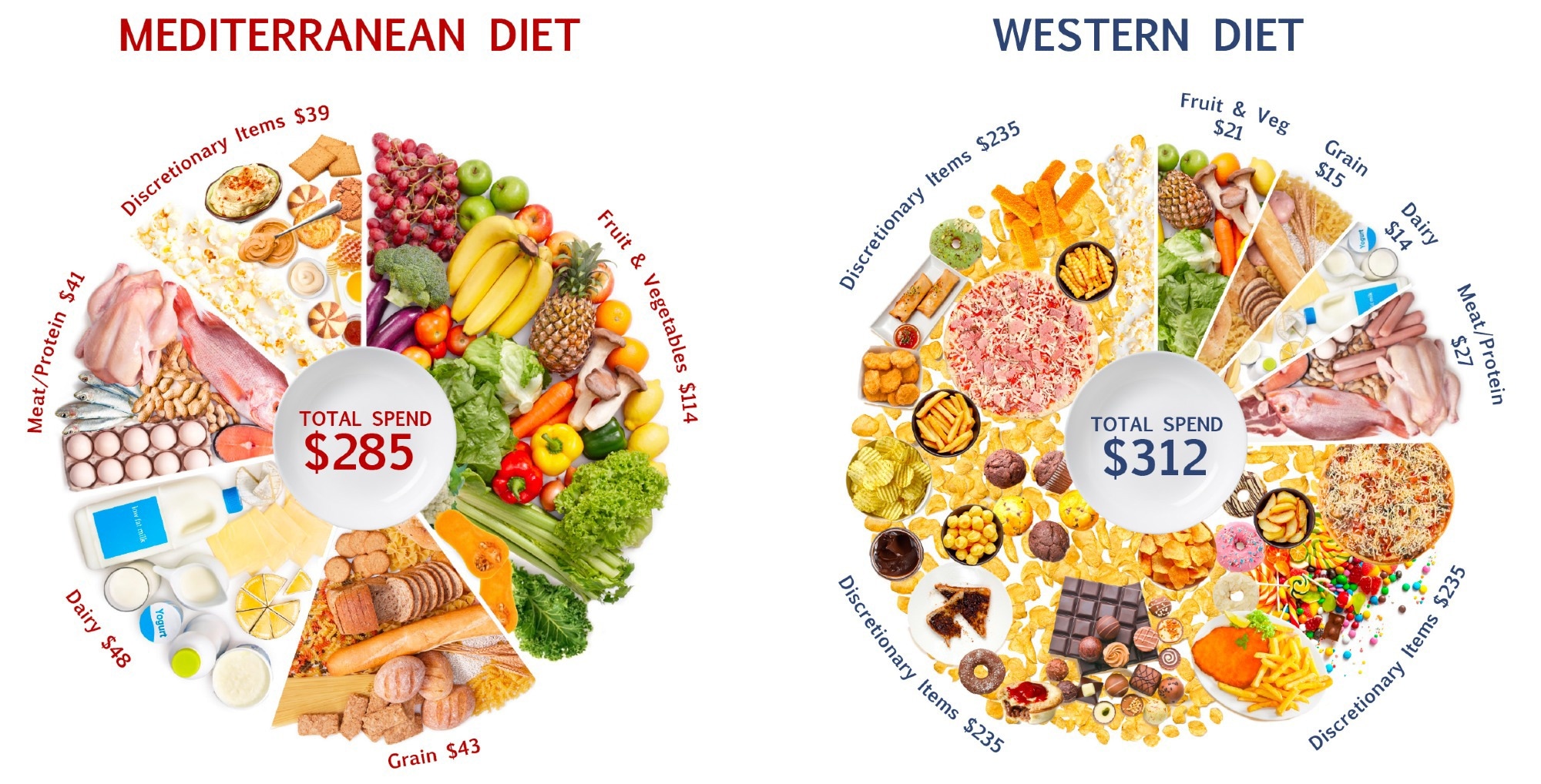
Credit: www.news-medical.net
Key Foods To Eat
The Mediterranean diet focuses on fresh, natural foods full of nutrients. These foods support good health and protect the heart. Eating a variety of these key foods helps maintain balance and energy every day.
Fruits And Vegetables
Fresh fruits and vegetables are the foundation of this diet. They provide vitamins, minerals, and fiber. Colorful options like tomatoes, spinach, oranges, and berries are common choices. Eating them daily supports digestion and boosts immunity.
Nuts And Seeds
Nuts and seeds add healthy fats and protein. Almonds, walnuts, sunflower seeds, and pumpkin seeds are popular. They help lower bad cholesterol and improve heart health. A small handful each day is enough.
Beans And Legumes
Beans and legumes are rich in fiber and plant protein. Lentils, chickpeas, and black beans offer energy and fullness. They help control blood sugar and reduce disease risk. These foods are versatile in many recipes.
Whole Grains
Whole grains like brown rice, quinoa, and whole wheat bread provide fiber and nutrients. They release energy slowly, keeping you full longer. Whole grains support digestion and heart health. Avoid refined grains and sugars.
Fish And Seafood
Fish and seafood are key protein sources. Salmon, sardines, and shrimp offer omega-3 fats that protect the heart. Eating fish regularly may lower the risk of stroke and heart disease. Choose fresh or frozen varieties.
Healthy Fats
Extra virgin olive oil is the primary fat in this diet. It is rich in antioxidants and supports heart health. Avocado and nut oils are also used. These fats improve cholesterol and reduce inflammation.
Herbs And Spices
Herbs and spices add flavor without salt or fat. Basil, oregano, rosemary, and garlic are common choices. They provide antioxidants and may reduce inflammation. Using them enhances taste and promotes health.
Foods To Limit
Limiting certain foods is important for following a healthy Mediterranean diet. These foods can increase health risks and reduce the diet’s benefits. Cutting back helps maintain heart health and supports weight control. Focus on fresh, natural foods instead.
Red Meat
Red meat should be eaten sparingly in a Mediterranean diet. It is high in saturated fat, which can raise bad cholesterol. Choose lean cuts and smaller portions. Replace red meat with fish, poultry, or plant proteins like beans and lentils.
Sugar And Saturated Fats
Sugar adds empty calories and can cause blood sugar spikes. Limit sweets, sugary drinks, and desserts. Saturated fats come from butter, cheese, and cream. These fats increase the risk of heart disease. Use olive oil as the main fat source instead.
Processed Foods
Processed foods contain unhealthy fats, salt, and preservatives. They can harm heart health and cause weight gain. Avoid fast food, packaged snacks, and ready meals. Choose fresh, whole foods for better nutrition and taste.
Diet Flexibility
The Mediterranean diet stands out for its flexibility. It allows many food choices without strict rules. This makes it easier for people to follow long term. Flexibility in the diet means you can enjoy variety and still stay healthy.
Sustainable Lifestyle
The Mediterranean diet promotes a way of eating that is easy to keep up. It focuses on whole foods and balanced meals instead of strict calorie counting. This helps maintain good health over years. People feel less stressed about food choices and more motivated to continue. The diet fits well with social meals and family gatherings. This makes it a practical choice for everyday life.
Adaptation To Cuisines
This diet can fit many cultural tastes and cooking styles. You can adjust recipes by adding local fruits, vegetables, and grains. For example, use regional herbs and spices for flavor instead of salt. Fish and olive oil remain key but can be substituted with similar healthy fats. This adaptability helps more people enjoy the diet. It supports diverse food traditions without losing its health benefits.
Scientific Evidence
Scientific evidence supports the Mediterranean diet as a healthy eating pattern. Many research studies have examined its effects on overall health. These studies show positive results for heart health, longevity, and disease prevention.
Scientific findings reveal the diet’s impact on various health markers. The diet emphasizes whole foods, healthy fats, and nutrient-rich ingredients. This approach aligns with many health guidelines worldwide.
Research Studies
Numerous research studies have tested the Mediterranean diet’s health benefits. Large-scale trials found lower rates of heart disease among people following this diet. Researchers observed improved cholesterol and blood pressure levels.
Other studies linked the diet to reduced risks of type 2 diabetes and certain cancers. Researchers also noted better brain function and lower rates of depression. These findings come from diverse populations in different countries.
Long-term Effects
Long-term studies show sustained health improvements from the Mediterranean diet. People who adopt it for years tend to live longer. They experience fewer chronic diseases like heart disease and stroke.
The diet supports healthy weight management over time. It also helps maintain good gut health and mental well-being. These benefits contribute to a higher quality of life in older age.
Comparisons With Other Diets
Compared to other diets, the Mediterranean diet performs well in health outcomes. It often ranks higher than low-fat or low-carb diets. The diet’s balanced approach avoids extreme restrictions.
Studies show it reduces heart disease risk more effectively than many popular diets. It also supports better blood sugar control and reduces inflammation. This makes it a strong choice for long-term health.
Practical Tips
Adopting the Mediterranean diet is easier with some practical tips. These help you stay on track and enjoy the benefits fully. Planning meals, smart shopping, and wise dining choices make a big difference. Each step builds healthy habits that last.
Meal Planning
Plan meals around fresh fruits and vegetables. Include whole grains like brown rice or quinoa. Add beans or lentils for protein and fiber. Choose fish at least twice a week for heart health. Use olive oil for cooking and salad dressings. Prepare meals in advance to save time. Keep portions moderate and focus on variety.
Shopping Guide
Shop the perimeter of the store first for fresh produce. Buy seasonal fruits and vegetables for better taste and price. Pick whole grain breads and pasta over refined options. Select nuts and seeds for healthy snacks. Choose fresh or frozen fish rather than processed meats. Avoid foods with added sugars and unhealthy fats. Read labels carefully to make better choices.
Eating Out Strategies
Choose restaurants with Mediterranean or healthy menu options. Order dishes with vegetables, legumes, and whole grains. Ask for olive oil-based dressings or sauces on the side. Avoid fried foods and heavy creams. Share large portions to control intake. Drink water or herbal tea instead of sugary drinks. Enjoy meals slowly to appreciate flavors and feel full sooner.
:max_bytes(150000):strip_icc()/Mediterranean-Diet-Flatlay-04-1x1-1-85f522bcda2c4e0cb2eb269ad2356aff.jpg)
Credit: www.eatingwell.com
Conclusion
The Mediterranean diet supports heart health and longevity well. It helps reduce risks of chronic diseases and promotes mental wellness. Eating whole foods like fruits, vegetables, nuts, and fish fuels the body naturally. This diet encourages balance, not strict rules, making it easy to follow daily.
Choosing this lifestyle can improve weight and overall health steadily. Small changes lead to lasting benefits and better quality of life. The Mediterranean diet offers a simple path to healthier living anyone can try.