

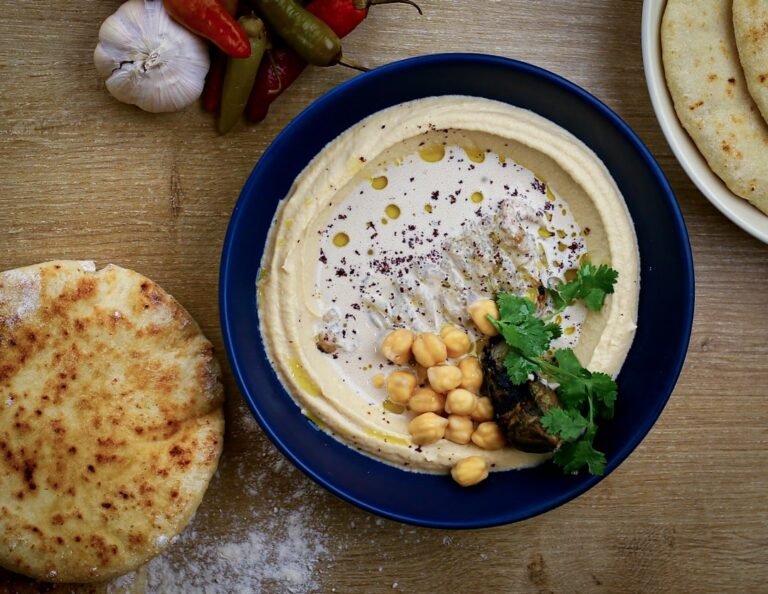
The Mediterranean Diet is more than just a way of eating; it embodies a lifestyle that emphasizes the consumption of fresh, whole foods typical of countries bordering the Mediterranean Sea. This diet is characterized by a high intake of fruits, vegetables, whole grains, legumes, nuts, and healthy fats, particularly olive oil. You will also find moderate consumption of fish and poultry, while red meat and sweets are limited.
The Mediterranean Diet is not only about what you eat but also how you eat. It encourages enjoying meals with family and friends, savoring flavors, and being mindful of portion sizes. This dietary pattern has gained popularity due to its numerous health benefits and its sustainable approach to eating.
It promotes a balanced intake of nutrients while allowing for flexibility and variety. You may find that the Mediterranean Diet is not overly restrictive, making it easier to maintain in the long run. By focusing on whole foods and healthy fats, this diet supports overall well-being and can be adapted to fit individual preferences and lifestyles.
Key Takeaways
- The Mediterranean Diet is a way of eating that emphasizes fruits, vegetables, whole grains, and healthy fats, with moderate amounts of fish, poultry, and dairy.
- Carbohydrates in the Mediterranean Diet come primarily from whole grains, fruits, and vegetables, providing essential nutrients and fiber.
- Compared to other diets, the Mediterranean Diet typically includes a moderate amount of carbohydrates, which may contribute to its health benefits.
- The Mediterranean Diet has been linked to reduced risk of heart disease, improved brain health, and better weight management.
- The Mediterranean Diet’s emphasis on whole, unprocessed foods and moderate carbohydrate intake may support weight loss and maintenance.
The Role of Carbohydrates in the Mediterranean Diet
Carbohydrates play a significant role in the Mediterranean Diet, serving as a primary source of energy. However, the type of carbohydrates you consume is crucial. Instead of refined grains and sugars, the Mediterranean Diet emphasizes whole grains such as brown rice, quinoa, and whole wheat bread.
These complex carbohydrates are rich in fiber, which aids digestion and helps maintain stable blood sugar levels. You will find that these foods not only provide energy but also contribute to a feeling of fullness, reducing the likelihood of overeating. In addition to whole grains, fruits and vegetables are essential components of carbohydrate intake in this diet.
They are packed with vitamins, minerals, and antioxidants that support overall health. By incorporating a variety of colorful produce into your meals, you can ensure that you are getting a wide range of nutrients. The Mediterranean Diet encourages you to fill your plate with these nutrient-dense foods, making carbohydrates a vital part of your daily nutrition without compromising your health.
Comparing Carbohydrate Intake in the Mediterranean Diet to Other Diets

When you compare carbohydrate intake in the Mediterranean Diet to other popular diets, such as low-carb or ketogenic diets, you will notice some distinct differences. While low-carb diets often restrict carbohydrate consumption significantly, the Mediterranean Diet embraces a moderate intake of healthy carbs. This approach allows for a more balanced diet that includes essential nutrients while still promoting weight management and overall health.
In contrast to high-carb diets that rely heavily on processed foods and sugars, the Mediterranean Diet focuses on quality over quantity. You will find that the carbohydrates consumed in this diet come from wholesome sources that provide additional health benefits. This makes the Mediterranean Diet a more sustainable option for many people, as it does not require drastic changes to your eating habits or lifestyle.
The Health Benefits of the Mediterranean Diet
| Health Benefit | Details |
|---|---|
| Heart Health | Reduces the risk of heart disease and stroke |
| Weight Management | Helps in maintaining a healthy weight |
| Cancer Prevention | May reduce the risk of certain cancers |
| Brain Health | May lower the risk of cognitive decline |
| Longevity | Linked to increased lifespan |
The health benefits of the Mediterranean Diet are well-documented and widely recognized by nutrition experts. Research has shown that this dietary pattern can reduce the risk of chronic diseases such as heart disease, diabetes, and certain cancers. By prioritizing healthy fats from sources like olive oil and nuts, along with an abundance of fruits and vegetables, you can improve your cardiovascular health and lower inflammation in your body.
Moreover, the Mediterranean Diet has been linked to improved cognitive function and a lower risk of neurodegenerative diseases like Alzheimer’s. The antioxidants found in fruits and vegetables play a crucial role in protecting brain health. As you adopt this diet, you may also experience better mood regulation and mental clarity due to the balanced intake of nutrients that support brain function.
The Relationship Between Carbohydrates and Weight Loss in the Mediterranean Diet
If you’re considering weight loss, understanding the relationship between carbohydrates and the Mediterranean Diet can be beneficial. While some may assume that reducing carbs is necessary for weight loss, this diet demonstrates that it is possible to lose weight while still enjoying healthy carbohydrates. The key lies in choosing high-fiber, nutrient-dense options that keep you satisfied without excessive calorie intake.
By focusing on whole grains, fruits, and vegetables, you can create meals that are filling yet low in calories. This approach helps regulate hunger hormones and promotes a sense of fullness, making it easier for you to stick to your weight loss goals. Additionally, the healthy fats included in the Mediterranean Diet can enhance satiety further, allowing you to enjoy your meals while still achieving your desired results.
Common Carbohydrate Sources in the Mediterranean Diet

Incorporating common carbohydrate sources into your meals is essential for following the Mediterranean Diet effectively. Whole grains are at the forefront; options like farro, barley, and bulgur are not only nutritious but also versatile ingredients that can be used in various dishes. You might enjoy a hearty grain salad or a warm bowl of grain-based soup as part of your daily meals.
Fruits and vegetables are also abundant sources of carbohydrates in this diet. You can indulge in seasonal fruits like berries, citrus fruits, and melons while enjoying a colorful array of vegetables such as tomatoes, spinach, and bell peppers. Legumes like lentils and chickpeas are another excellent source of carbohydrates that provide protein and fiber as well.
By incorporating these foods into your diet regularly, you can ensure a balanced intake of carbohydrates that supports your overall health.
How the Mediterranean Diet Supports a Low Carb Lifestyle
While the Mediterranean Diet is not strictly low carb, it can easily be adapted to support a lower carbohydrate lifestyle if that aligns with your goals. By focusing on whole foods and minimizing processed options, you can naturally reduce your carbohydrate intake without feeling deprived. For instance, you might choose to replace traditional pasta with spiralized vegetables or cauliflower rice while still enjoying flavorful sauces and toppings.
Additionally, by prioritizing healthy fats from sources like olive oil and avocados, you can create satisfying meals that keep you full longer without relying heavily on carbohydrates. This flexibility allows you to tailor the Mediterranean Diet to fit your personal preferences while still reaping its numerous health benefits.
Potential Challenges of Following a Low Carb Mediterranean Diet
While adopting a low carb Mediterranean Diet can be beneficial for many individuals, there are potential challenges to consider. One common issue is finding suitable substitutes for traditional high-carb foods that you may be accustomed to enjoying. For example, if you’re used to having bread with every meal or pasta as a staple dish, transitioning away from these foods may require some creativity in the kitchen.
Another challenge could be social situations where food choices may not align with your dietary preferences. Dining out or attending gatherings can present obstacles when trying to maintain a low carb approach within the framework of the Mediterranean Diet. However, with some planning and communication about your dietary needs, you can navigate these situations successfully while still enjoying social interactions.
Tips for Following a Low Carb Mediterranean Diet
To successfully follow a low carb Mediterranean Diet, consider implementing some practical tips into your routine. Start by meal prepping to ensure you have healthy options readily available throughout the week. Preparing dishes in advance allows you to control ingredients and portion sizes while minimizing temptation from less healthy choices.
Incorporate plenty of non-starchy vegetables into your meals to increase fiber intake while keeping carbohydrates low. Leafy greens, zucchini, cauliflower, and bell peppers can add volume to your dishes without significantly impacting carb counts. Additionally, experiment with herbs and spices to enhance flavors without relying on high-carb sauces or condiments.
Research and Studies on the Low Carb Nature of the Mediterranean Diet
Numerous studies have explored the relationship between carbohydrate intake and health outcomes within the context of the Mediterranean Diet. Research has shown that individuals who adhere to this dietary pattern tend to have lower rates of obesity and related chronic diseases compared to those who follow more traditional Western diets high in refined carbohydrates. Furthermore, studies indicate that even when carbohydrates are included in moderation within this diet framework, they come primarily from whole food sources that provide essential nutrients rather than empty calories.
This evidence supports the idea that a balanced approach to carbohydrates can lead to better health outcomes without sacrificing enjoyment or satisfaction in meals.
Is the Mediterranean Diet Low Carb?
In conclusion, while the Mediterranean Diet is not classified as strictly low carb, it offers a balanced approach that allows for moderate carbohydrate intake from wholesome sources. By focusing on whole grains, fruits, vegetables, legumes, and healthy fats, you can enjoy a satisfying diet that supports overall health without excessive restrictions. If you’re looking to adopt a lower carbohydrate lifestyle within this framework, it is entirely possible with some thoughtful adjustments.
Ultimately, the Mediterranean Diet’s emphasis on quality over quantity makes it an appealing option for those seeking both health benefits and culinary enjoyment. As you explore this dietary pattern further, you’ll likely discover its versatility and adaptability to fit your personal preferences while promoting long-term well-being.