

Losing weight while eating junk food sounds impossible. But is it really?
Many people believe that weight loss requires cutting out all unhealthy foods. But some argue you can still lose weight while indulging in your favorite treats. This concept might sound appealing, but it’s crucial to understand the science behind it.
Can you really shed pounds without giving up burgers, pizza, and fries? In this blog, we will explore the idea of a junk food diet for weight loss. We will discuss how it works and whether it is a sustainable and healthy option. Join us as we unravel the facts and myths surrounding this unconventional approach to weight loss.

Credit: www.express.co.uk
Introduction To Junk Food Diet
Welcome to the intriguing world of the Junk Food Diet. Many people think that weight loss and junk food cannot go together. Surprisingly, some argue that it is possible to shed pounds while enjoying your favorite treats. Let’s explore this idea further.
Concept Of Junk Food Diet
The Junk Food Diet is not about binging on chips and soda. It involves carefully planning your meals. You still enjoy junk food, but in moderation. This diet focuses on calorie control. You must stay within your daily calorie limit. The idea is to balance junk food with healthier options. Thus, you can lose weight without feeling deprived.
Common Myths
Many myths surround the Junk Food Diet. One common myth is that all junk food is bad for you. Not true. Moderation is key. Another myth is that you cannot get nutrients from junk food. Some junk foods have vitamins and minerals. People also believe that junk food makes you gain weight. Not if you manage your calories well.
Another myth is that junk food diets are not sustainable. With the right balance, you can maintain this diet. People think they will feel hungry all the time. Proper meal planning prevents this. You can enjoy your favorite snacks and still see results.
Science Behind Junk Food And Weight Loss
Understanding the science behind junk food and weight loss can be fascinating. Many believe junk food leads to weight gain. Yet, some claim it can help with weight loss. Let’s explore how this works.
Caloric Intake Vs. Caloric Burn
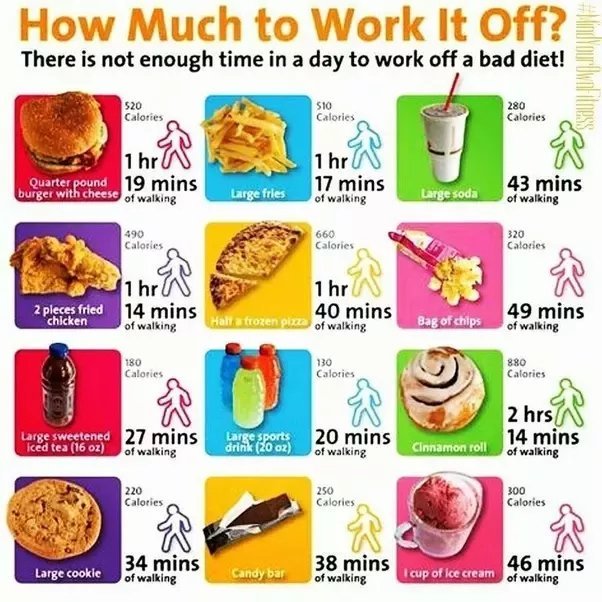
Weight loss happens when you burn more calories than you consume. Junk food is often high in calories. If you manage your portion sizes, you can still lose weight. It’s all about balance.
Tracking your daily caloric intake is crucial. Use apps or journals to keep track. Make sure you burn more calories through physical activity. This creates a calorie deficit, leading to weight loss.
Role Of Metabolism
Metabolism plays a key role in weight loss. It’s the process of converting food into energy. Some people have faster metabolisms. They burn calories quicker. Others have slower metabolisms and burn calories slower.
Junk food can impact your metabolism. High sugar and fat content might slow it down. Eating small portions of junk food is vital. Pair it with a balanced diet and exercise. This can help maintain a healthy metabolism.
Choosing The Right Junk Foods
Choosing the right junk foods can help you lose weight. Not all junk foods are equal. Some are healthier than others. By making smart choices, you can enjoy treats without hurting your diet.
Healthier Junk Food Options
Some junk foods are better than others. Baked chips are lower in fat. Dark chocolate has less sugar than milk chocolate. Frozen yogurt can be a good choice too. These options can satisfy your cravings without adding too many calories. Always read the labels. Look for lower sugar and fat content. Choose foods with fewer artificial ingredients.
Portion Control
Eating the right portions is very important. Even healthier junk foods can add up. Use small plates or bowls. Measure your servings to avoid overeating. Eating slowly can also help. It allows your body to feel full sooner. Avoid eating straight from the package. This can lead to eating more than you need. Pre-portion your snacks to stay on track.

Credit: www.facebook.com
Incorporating Junk Food In A Balanced Diet
Incorporating junk food into a balanced diet might seem contradictory. Yet, it’s possible to enjoy your favorite treats while maintaining a healthy lifestyle. The key is moderation and smart choices. By planning your meals and balancing nutrients, you can indulge without guilt.
Meal Planning
Effective meal planning helps you enjoy junk food responsibly. Start by organizing your week’s meals in advance. Allocate specific times for your favorite treats. This prevents overindulgence.
Balance is crucial. Pair a small portion of junk food with nutrient-rich meals. For example, enjoy a slice of pizza with a fresh salad. This satisfies cravings while providing essential nutrients. Plan your meals to include lean proteins, whole grains, and vegetables. This ensures you meet your nutritional needs.
Balancing Nutrients
Balancing nutrients is important for a healthy diet. Even when you include junk food. Focus on macronutrients like proteins, carbs, and fats. Ensure each meal has a good mix of these. For instance, pair a burger with a side of steamed veggies.
Don’t forget about vitamins and minerals. Junk food often lacks these. So, include fruits and vegetables in your diet. This helps maintain overall health. Drink plenty of water too. It aids digestion and keeps you hydrated.
Portion control is key. Enjoy your junk food in small amounts. This keeps your calorie intake in check. And allows you to savor your favorite treats without guilt.
Exercise And Junk Food Diet
Can you lose weight while eating junk food? It seems impossible. But exercise can help you achieve this goal. Regular workouts can counteract the effects of a junk food diet. Your body can burn off the extra calories. This balance can help you reach your weight loss goals.
Effective Workouts
Cardio exercises can burn a lot of calories. Running, cycling, and swimming are excellent choices. They get your heart rate up and keep it there. Strength training is also crucial. It builds muscle, which burns more calories at rest. Lift weights, do body-weight exercises, and use resistance bands.
High-Intensity Interval Training (HIIT) is another great option. Short bursts of intense activity followed by rest. This method keeps your metabolism high. It can help burn off those extra junk food calories.
Maintaining Energy Levels
Eating junk food can make you feel sluggish. This can affect your workout performance. To maintain energy levels, stay hydrated. Drink plenty of water throughout the day. Sometimes, add a sports drink for electrolytes.
Consider timing your meals. Eat a small, balanced meal before working out. Include protein and carbs for energy. After exercise, refuel with a protein-rich snack. This helps repair muscles and keep you feeling full.
Sleep is also vital. Aim for 7-9 hours of sleep each night. Rest helps your body recover and maintain energy levels. Proper rest can make your workouts more effective.
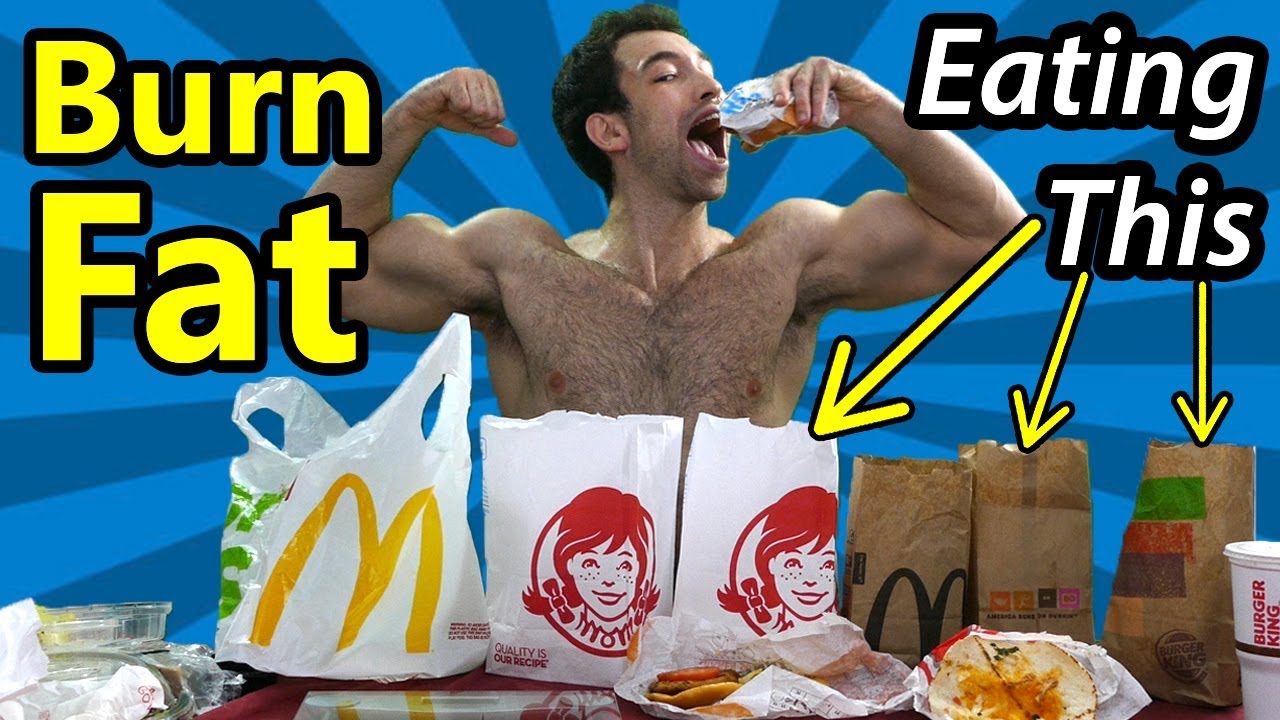
Credit: www.youtube.com
Mental Approach To Junk Food Diet
Embarking on a junk food diet for weight loss may seem counterintuitive. Yet, with the right mental approach, it can be effective. The key lies in maintaining balance and mindfulness.
Mindful Eating
Mindful eating involves paying close attention to your food choices. It means savoring each bite and recognizing your body’s hunger and fullness signals. Here’s how to practice mindful eating:
- Eat slowly to enjoy the flavors.
- Focus on your meal without distractions.
- Listen to your body’s hunger cues.
- Stop eating when you feel satisfied, not stuffed.
These practices help you make better choices, even with junk food. You’ll enjoy your food more and eat less.
Overcoming Cravings
Cravings are a common challenge in any diet, especially a junk food diet. Overcoming them requires a strategic approach:
- Identify triggers: Recognize what prompts your cravings. Is it stress, boredom, or specific situations?
- Find alternatives: Replace junk food with healthier options. For example, eat fruit instead of candy.
- Stay hydrated: Sometimes thirst is mistaken for hunger. Drink water before reaching for a snack.
- Plan your treats: Allow yourself occasional indulgences. This prevents feelings of deprivation.
By understanding and managing your cravings, you stay in control. This makes it easier to stick to your diet plan.
| Strategy | Action |
|---|---|
| Identify triggers | Keep a food journal to track cravings |
| Find alternatives | Choose fruits or nuts over chips |
| Stay hydrated | Drink a glass of water before snacking |
| Plan your treats | Schedule small indulgences to avoid binges |
Success Stories And Case Studies
Many wonder if a junk food diet can lead to weight loss. Some success stories and case studies have shown surprising results. These stories provide insights into the impact of a junk food diet on weight loss.
Real-life Examples
Several individuals have attempted to lose weight by eating junk food. Here are some real-life examples that might surprise you:
| Person | Initial Weight | Weight Lost | Duration | Junk Food Consumed |
|---|---|---|---|---|
| John Smith | 200 lbs | 20 lbs | 2 months | Fast food, sodas |
| Jane Doe | 180 lbs | 15 lbs | 1 month | Chips, candy |
Lessons Learned
These stories teach us valuable lessons about weight loss and diet choices:
- Calorie intake plays a major role in weight loss. Even junk food can lead to weight loss if you consume fewer calories.
- Monitoring portions is essential. Both John and Jane tracked their food intake carefully.
- Short-term results can be achieved, but long-term health impacts need consideration.
While these examples show success, they also highlight the importance of balance and nutrition. Weight loss is possible with junk food, but the overall health effects are crucial to consider.
Potential Risks And Considerations
Eating junk food for weight loss might seem convenient. But it can lead to serious health risks. Understanding these risks can help make better choices.
Health Implications
Junk food is often high in sugars and unhealthy fats. This can lead to weight gain over time. Even if weight loss happens initially, it’s not sustainable. Junk food lacks essential nutrients. This can cause deficiencies and health problems.
Additionally, high levels of sodium in junk food can raise blood pressure. This increases the risk of heart disease. Junk food can also affect mental health. Mood swings, depression, and anxiety may become more common.
Consulting Professionals
Before starting any diet, it’s wise to talk to a professional. Nutritionists and dietitians can give personalized advice. They can help create a balanced diet plan. This ensures weight loss is healthy and sustainable.
Medical professionals can also monitor health. They can check for any negative effects of the diet. Regular check-ups can catch problems early. This approach helps maintain overall well-being during weight loss.
Tips For Long-term Success
Maintaining a junk food diet while aiming for weight loss can be challenging. However, with the right strategies, it is possible to achieve and sustain your goals. Here are some valuable tips to ensure long-term success on this unique journey.
Sustainable Practices
Adopting sustainable practices is crucial for long-term success. Here are a few pointers:
- Moderation: Enjoy junk food in moderate amounts. Balance it with healthier options.
- Portion Control: Use smaller plates to avoid overeating.
- Hydration: Drink plenty of water. Sometimes thirst is mistaken for hunger.
- Mindful Eating: Pay attention to what and how much you eat. Avoid distractions like TV or phones during meals.
Setting Realistic Goals
Setting realistic goals helps keep motivation high. Consider these tips:
- Specific Goals: Set clear and specific goals. For example, “Lose 2 pounds in a month.”
- Achievable Targets: Make sure your goals are achievable. Unrealistic goals can lead to frustration.
- Progress Tracking: Keep track of your progress. Use a journal or a mobile app.
- Celebrating Milestones: Celebrate small victories. Reward yourself with a non-food treat.
Remember, the key to success is consistency and patience. By following these tips, you can enjoy your favorite junk foods while still making progress toward your weight loss goals.
Frequently Asked Questions
Can You Lose Weight On A Junk Food Diet?
Yes, it is possible to lose weight on a junk food diet. However, it’s not healthy. Junk food lacks essential nutrients. Long-term consumption can lead to health issues. Always prioritize a balanced diet for overall well-being.
What Are The Risks Of A Junk Food Diet?
Junk food diets can lead to serious health issues. These include obesity, heart disease, and diabetes. They lack essential nutrients. Long-term consumption can harm your overall health. It’s important to eat a balanced diet.
How Does Junk Food Affect Metabolism?
Junk food can slow down your metabolism. It is high in unhealthy fats and sugars. This can lead to weight gain. A healthy metabolism requires a balanced diet. Include fruits, vegetables, and lean proteins.
Are There Any Benefits To Junk Food?
Junk food may provide immediate energy. It’s often convenient and inexpensive. However, the negatives outweigh the positives. Junk food is low in essential nutrients. It can lead to long-term health issues.
Conclusion
A junk food diet may lead to short-term weight loss. But, it’s not sustainable. Healthy eating habits are crucial for long-term success. Balance is key. Incorporate fruits, vegetables, and lean proteins into your meals. Choose whole foods over processed ones.
Your body will thank you. Remember, a healthy diet supports overall well-being. Make mindful choices. Achieve weight loss goals with a balanced approach. Stay healthy and happy.