

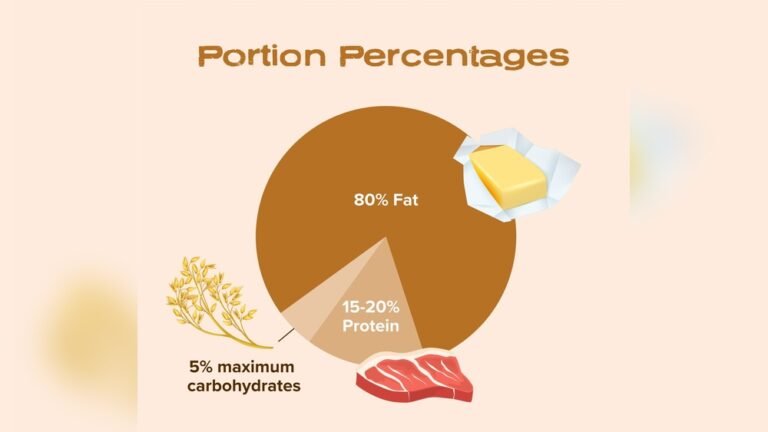
Are you curious about how many carbs you should eat each day on a keto diet? Getting your daily carb count right is key to staying in ketosis and reaching your health goals faster.
Too many carbs can kick you out of fat-burning mode, while too few might leave you feeling tired and hungry. You’ll discover exactly how many keto carbs per day work best for your body, along with simple tips to make tracking easy.
Keep reading to take control of your carb intake and unlock the full power of keto for your life.
Credit: perfectketo.com
Keto Carb Basics
Understanding the basics of carbs on a keto diet is very important. Carbs are the body’s main source of energy. In keto, eating fewer carbs helps the body burn fat for fuel. This change in energy source is key to keto’s success. Knowing how many carbs to eat and which types to choose can make a big difference. Below, learn the simple facts about carbs on keto.
What Are Net Carbs
Net carbs are the total carbs minus fiber and sugar alcohols. Fiber does not raise blood sugar or insulin. Sugar alcohols have less impact on blood sugar. Counting net carbs helps control the energy the body gets from carbs. This keeps the body in a state called ketosis. Foods low in net carbs fit best in a keto plan.
Why Carb Limits Matter
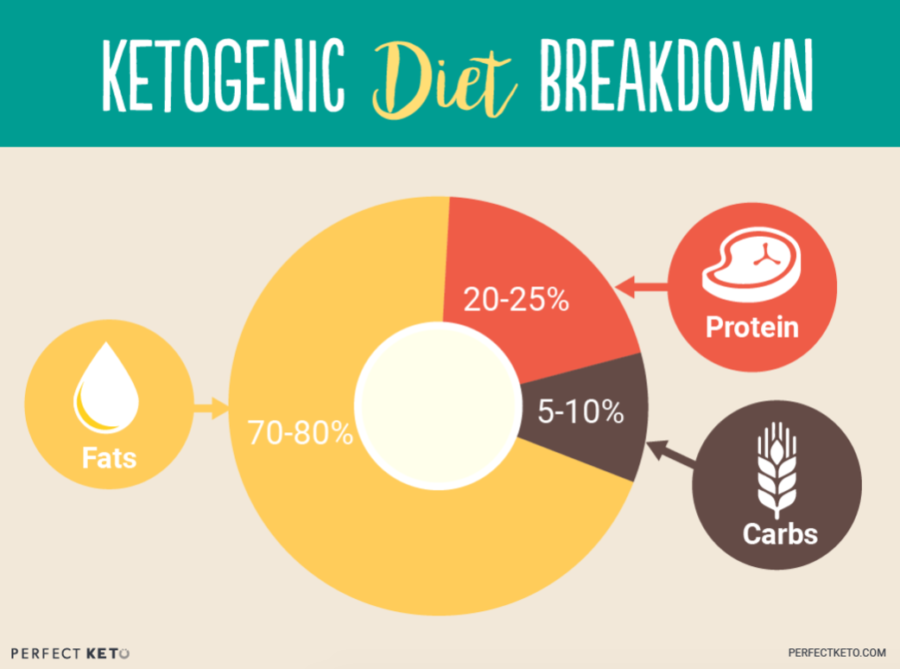
Carb limits keep the body in ketosis. Eating too many carbs stops fat burning. The usual limit is 20 to 50 grams of net carbs daily. Staying under this limit helps the body use fat for energy. It also prevents blood sugar spikes. Carb limits guide food choices and meal plans. They help people reach and keep keto goals.
Daily Carb Limits On Keto
Understanding daily carb limits is key for success on the keto diet. Carbohydrates affect your body’s ability to enter ketosis. Staying within the right carb range helps your body burn fat for energy. This section breaks down common carb limits and explains what affects them.
Standard Keto Carb Range
The typical keto diet limits carbs to 20-50 grams per day. This low amount encourages your body to use fat as fuel. Most people find 20-30 grams of net carbs ideal. Net carbs mean total carbs minus fiber. This range supports steady ketosis and weight loss.
Low-carb Variations
Some follow stricter carb limits under 20 grams daily. These very low-carb plans can speed ketosis. Others allow up to 50 grams for flexibility. Adjustments depend on how your body reacts. Testing ketone levels helps find your best limit.
Factors Influencing Carb Intake
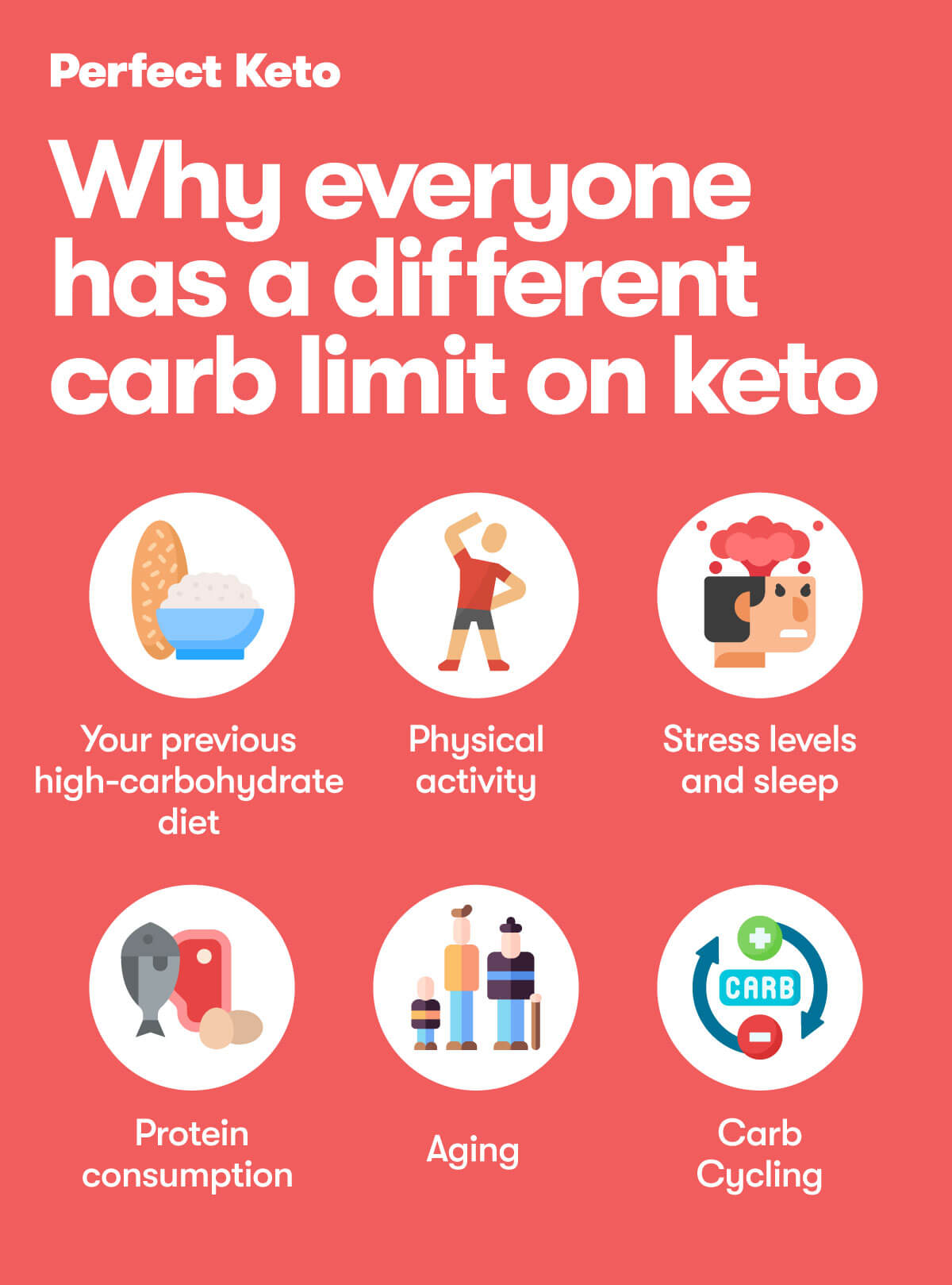
Your age, activity level, and health affect carb needs. More active people may handle more carbs. Medical conditions can require stricter limits. Personal goals also guide your carb intake. Listen to your body and adjust as needed.
Carb Counting Tips
Carb counting is key to staying in ketosis on a keto diet. It helps control carb intake and keeps energy stable. Knowing how to count carbs correctly saves time and avoids mistakes. Simple tips make carb counting easy for beginners and experienced keto followers alike.
Reading Nutrition Labels
Nutrition labels show important info about carbs. Look for total carbs first. Check fiber and sugar alcohols too. These do not raise blood sugar much. Subtract fiber and sugar alcohols from total carbs to find net carbs. Serving size matters. Always compare labels using the same serving size.
Tracking Net Carbs
Net carbs are carbs your body absorbs and uses. Calculate net carbs by subtracting fiber and sugar alcohols from total carbs. Keep daily net carbs under your keto limit. Use apps or a food diary to track carbs easily. Tracking helps avoid hidden carbs in processed foods.
Common Carb Mistakes
Many forget to count carbs in sauces and drinks. These add up quickly. Some think fiber counts as carbs. It does not. Overeating nuts and dairy can increase carbs too. Measure portions carefully. Watch for hidden sugars in packaged foods. Small slips can stop ketosis.
%2CMQV25Gnx_2A%3D.png)
Credit: paleorobbie.com
Choosing Keto-friendly Carbs
Choosing the right carbs for a keto diet is key. The goal is to keep carbs low while still getting nutrients. Some carbs fit well in keto meals. These carbs help maintain ketosis and keep energy steady.
Low-carb Vegetables
Low-carb vegetables are a great choice. They have fiber and vitamins but few carbs. Examples include spinach, kale, and broccoli. These veggies add bulk to meals without raising carb counts. They also help digestion and keep you full.
Nuts And Seeds
Nuts and seeds offer healthy fats and protein. They contain some carbs but in small amounts. Almonds, walnuts, chia seeds, and flaxseeds are good options. These snacks support energy and add crunch to dishes. Watch portions to avoid too many carbs.
Berries And Fruits
Berries have fewer carbs than most fruits. Strawberries, blueberries, and raspberries fit best in keto. They provide antioxidants and fiber. Eat them in small amounts to enjoy sweetness without breaking ketosis. Avoid high-carb fruits like bananas and grapes.
Adjusting Carbs For Goals
Adjusting your daily carbohydrate intake on a keto diet depends on your personal goals. Different goals require different carb limits to support your body’s needs. Carbs affect your energy, muscle growth, and weight control. Knowing how to adjust carbs helps you reach your goals faster and stay healthy.
Weight Loss And Maintenance
For weight loss, keeping carbs very low helps the body burn fat. Most people eat 20 to 50 grams of carbs per day. This low amount puts the body in ketosis, which burns fat for energy. After losing weight, you can raise carbs slightly. This helps maintain weight without leaving ketosis.
Building Muscle
Muscle growth needs more carbs than weight loss. Carbs give energy for workouts and help muscles recover. Eating 50 to 100 grams of carbs daily supports muscle building on keto. Focus on timing carbs around workouts for better results. This balance helps build muscle without kicking you out of ketosis.
Managing Energy Levels
Energy needs vary throughout the day and with activity. Some days need fewer carbs, others need more. Adjust carbs based on how you feel and how active you are. If energy is low, increase carbs slightly. This helps maintain focus and stamina while staying in ketosis.
Credit: perfectketo.com
Carb Cycling On Keto
Carb cycling on keto is a method that changes carb intake on different days. It mixes low-carb keto days with higher-carb days. This approach aims to balance fat burning and energy needs. Many people use it to avoid keto fatigue and boost workout performance.
What Is Carb Cycling
Carb cycling means eating different amounts of carbs on set days. On keto, most days stay low in carbs, usually under 20 grams. On higher-carb days, you eat more carbs to refill energy stores. This pattern helps your body adapt to fat burning and carb use. It is not a daily carb limit but a planned variation.
Benefits And Risks
Carb cycling can improve energy and exercise results. It may prevent slow metabolism and keep weight loss steady. Some find it easier to stick to keto with planned carb increases. Risks include overeating on high-carb days, which may stop ketosis. It can also cause digestive issues if carbs change too fast. Careful planning reduces these risks.
How To Implement
Start by choosing how many days will be low and high carb. For example, five low-carb days and two high-carb days. Keep low-carb days under 20 grams to stay in ketosis. On high-carb days, increase carbs to 50-100 grams depending on activity. Focus on healthy carbs like vegetables and whole grains. Track your body’s response and adjust as needed.
Common Challenges
Following a keto diet means cutting carbs drastically. This change can bring some common challenges. These challenges can make it hard to stick to the diet. Knowing these problems helps you prepare and manage them better.
Dealing With Carb Cravings
Cravings for carbs are a big challenge on keto. Your body misses its usual energy source. Sweet or starchy foods often call out loudly. Drinking water and eating enough fat helps reduce cravings. Sometimes, a small keto-friendly snack can stop cravings too.
Avoiding Hidden Carbs
Many foods hide carbs in unexpected ways. Sauces, dressings, and processed foods often contain sugars. Reading labels carefully is very important. Choose whole, fresh foods to lower hidden carb risks. Planning meals ahead also helps avoid surprises.
Staying In Ketosis
Keeping your body in ketosis requires strict carb control. Eating too many carbs can kick you out of ketosis. Testing ketone levels can show if you stay on track. Consistency in meals and carb intake is the key. Patience is needed as your body adjusts over time.
Conclusion
Keeping your daily keto carbs low helps your body burn fat for energy. Tracking carbs carefully supports steady weight loss and better health. Choose foods rich in fiber and low in net carbs. Small changes make keto easier and more effective.
Remember, balance and consistency are key to success. Stay patient and listen to your body’s needs. Your keto journey is unique—adjust carbs as you learn what works. Simple steps lead to lasting results.