

Are you looking for an effective way to shed those extra pounds and feel healthier? The keto diet might be exactly what you need.
By shifting your body into a fat-burning state called ketosis, this low-carb, high-fat plan can help you lose weight faster than traditional diets. But how much weight can you realistically expect to lose, and what factors will influence your results?
You’ll discover clear answers, practical tips, and important things to consider before starting keto. If you want to take control of your weight loss journey and see real progress, keep reading—your transformation could start today.
Keto Diet Basics
The keto diet is a popular choice for those aiming to lose weight effectively. Understanding the basics helps you start strong and stay on track. This diet focuses on changing how your body uses energy. It shifts from burning sugar to burning fat for fuel. Knowing how this works can boost your results.
What Is Keto?
The keto diet is low in carbs and high in fats. It reduces the amount of sugar your body uses. Instead, your body enters a state called ketosis. In ketosis, your body burns fat for energy. This diet includes foods like meat, cheese, eggs, and healthy oils. It limits bread, pasta, and sugary snacks. Following keto means careful meal planning. The goal is to keep carbs very low, usually under 50 grams per day.
How Keto Burns Fat
Normally, your body uses glucose from carbs for energy. On keto, carbs are scarce. Your body then breaks down fat into molecules called ketones. Ketones become the new energy source. This process helps reduce fat stores. Burning fat instead of sugar can lead to weight loss. Keto also helps control hunger by stabilizing blood sugar. This reduces cravings and overeating. The result is a natural, steady fat burn.
Weight Loss Timeline
The keto diet changes how your body burns fat. Understanding the weight loss timeline helps set clear goals. Weight loss occurs in phases. Each phase has different rates and effects on your body. Knowing what to expect makes the journey easier and less frustrating.
Initial Weight Loss Phase
The first week brings rapid weight loss. Mostly water weight leaves your body. Carbohydrate stores shrink, causing this drop. Some people lose up to 5 pounds quickly. This phase feels motivating but is not all fat loss. It prepares your body to burn fat instead of carbs.
Steady Fat Burn Phase
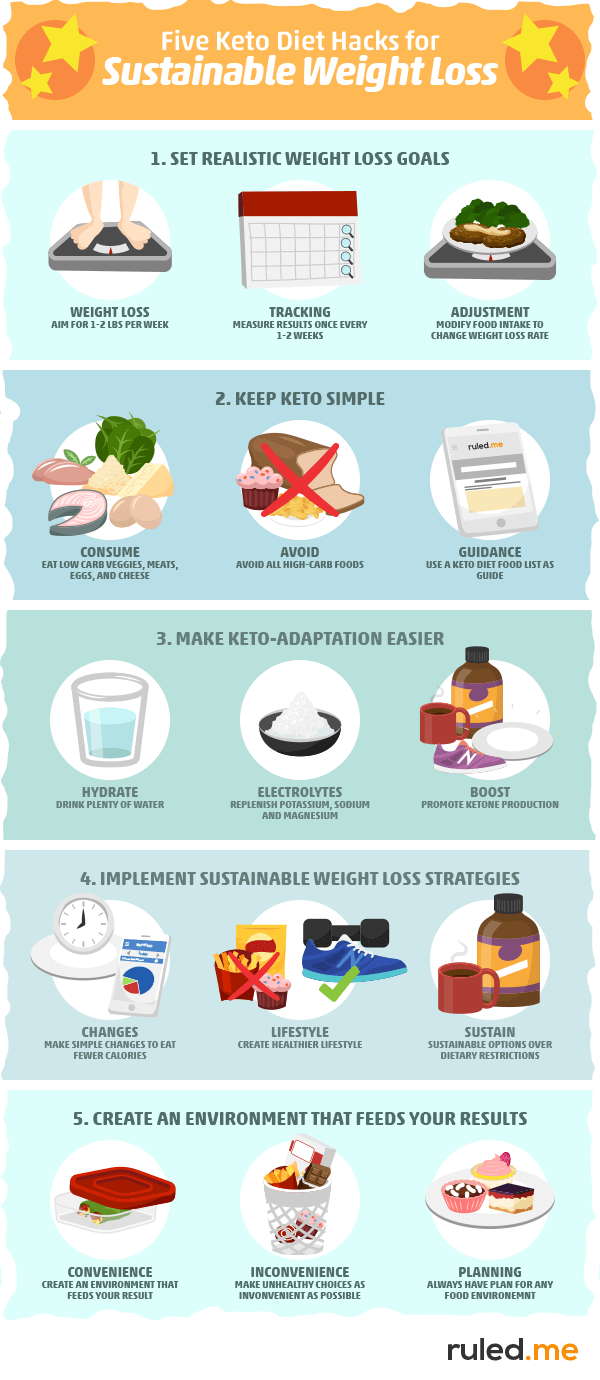
After the initial phase, fat loss begins. This phase lasts several weeks or months. Weight loss is slower but more consistent. About 1 to 2 pounds per week is common. Your body adapts to using fat for energy. Hunger often decreases, making it easier to eat less. Regular exercise helps speed fat burning here.
Long-term Results
Long-term success depends on maintaining keto habits. Weight loss may slow as you near your goal. Staying on keto helps keep fat off. Muscle gain can improve body shape too. Many find more energy and better focus. Monitoring progress and adjusting intake supports lasting results.
Factors Affecting Weight Loss
Many factors influence how quickly you lose weight on a keto diet. Understanding these factors can help set realistic goals and expectations. Weight loss varies from person to person due to differences in body composition, lifestyle, and biology.
Starting Body Weight
People with higher body fat often lose weight faster at first. This happens because the body uses stored fat for energy. Those with less fat may experience slower initial weight loss. Your starting weight impacts the pace and amount of weight you lose.
Caloric Deficit Importance
Losing weight requires burning more calories than you consume. Keto can reduce hunger, making it easier to eat less. Still, maintaining a calorie deficit is crucial for fat loss. Without it, weight loss will be limited or stalled.
Role Of Exercise
Exercise helps burn extra calories and builds muscle. Muscle mass increases metabolism, supporting weight loss. Physical activity also improves overall health and energy levels. Combining keto with exercise can enhance results.
Age And Gender Effects
Age affects metabolism; it tends to slow down over time. Men usually lose weight faster due to higher muscle mass. Women may find weight loss slower but can still succeed with the right plan. Hormones also influence how the body stores fat.
Duration On Keto
Weight loss is often quicker in the first few weeks. Over time, the body adjusts, and weight loss may slow. Long-term commitment is important to reach and maintain your goal. Patience and consistency bring lasting success.
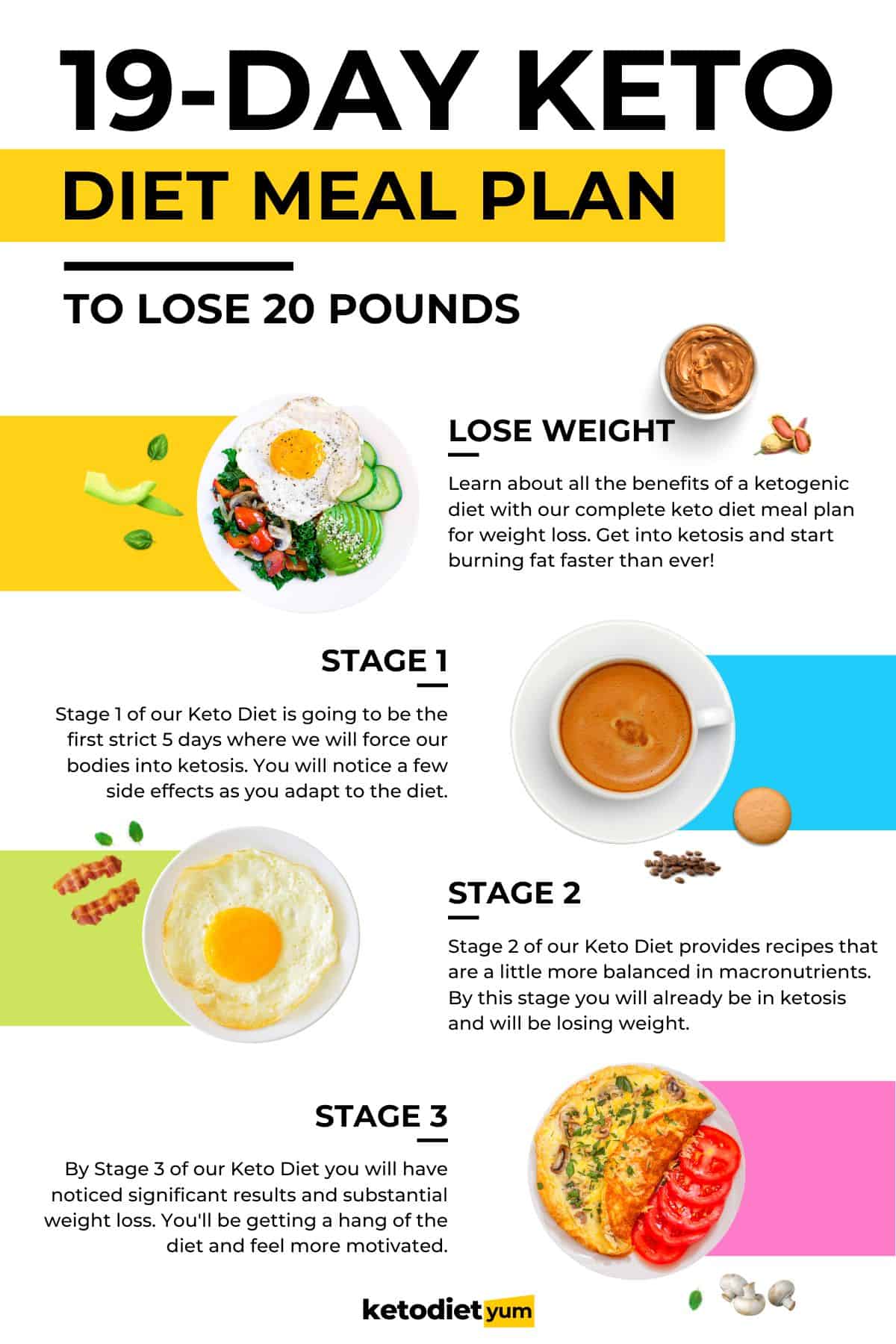
Credit: www.net-a.co.jp
Common Challenges
Starting a keto diet to lose weight can bring challenges. These challenges might slow progress or cause frustration. Knowing common hurdles helps prepare for them. This section covers key challenges many face on keto.
Managing Hunger And Cravings
Hunger can strike even on a keto diet. Cravings for carbs may feel strong at first. Fat and protein help keep you full longer. Drinking water and eating enough fat reduces hunger. Planning meals ahead helps avoid impulsive eating. Small keto-friendly snacks can control sudden cravings.
Avoiding Plateaus
Weight loss plateaus happen to many on keto. The body adapts and slows down fat burning. Tracking food intake ensures you stay in a calorie deficit. Changing workout routines can boost metabolism again. Try intermittent fasting or adjusting carb levels slightly. Patience is key during plateaus.
Maintaining Motivation
Staying motivated can be tough over weeks or months. Set small, clear goals to track progress. Celebrate non-scale victories like more energy or better sleep. Join keto groups or find a support buddy. Remind yourself why you started the diet. Focus on health benefits, not just weight loss.
Health And Safety
The keto diet has gained popularity for its potential to aid weight loss quickly. Following this low-carb, high-fat plan changes how the body burns energy. Instead of carbs, it uses fat for fuel. This shift can lead to fast fat loss.
Health and safety are very important when starting keto. Not everyone reacts the same way to this diet. Making sure the approach fits your body and lifestyle is key. Being aware of risks helps prevent problems during the diet.
Consulting Professionals
Talk to a doctor or dietitian before starting keto. They check your health and suggest safe steps. Professionals help you avoid risks and plan meals well. Their advice ensures keto suits your needs and goals.
Potential Side Effects
Some people feel tired or have headaches early on. This is called the “keto flu” and lasts a few days. Other side effects include dizziness, nausea, or stomach upset. Drinking water and resting can ease symptoms.
Nutrient Deficiencies
Keto limits many fruits, grains, and vegetables. This may cause shortages in vitamins and minerals. Deficiencies in fiber, vitamin C, and magnesium are common. Taking supplements and choosing varied foods helps prevent gaps.

Credit: www.ruled.me
Tips For Success
Success on the keto diet depends on smart habits and clear goals. Small changes build strong results. Focus on practical steps that fit your lifestyle. Consistency matters more than perfection.
Meal Planning And Prep
Plan meals ahead to avoid last-minute choices. Prepare keto-friendly snacks and dishes in advance. Use simple recipes with low-carb ingredients. This saves time and keeps you on track. Having meals ready reduces temptation to eat carbs.
Tracking Progress
Track your weight and measurements weekly. Use a journal or app to record food and feelings. Monitoring progress helps spot what works and what does not. Celebrate small wins to stay motivated. Adjust habits based on your results.
Incorporating Exercise
Add regular exercise to boost weight loss. Choose activities you enjoy, like walking or cycling. Exercise improves metabolism and builds muscle. Even short daily workouts make a difference. Stay active to support your keto journey.
Adjusting Macros
Macros are fat, protein, and carbs ratios. Adjust them to match your energy needs and goals. Too many carbs slow weight loss. Too little protein can cause muscle loss. Experiment carefully and track how you feel. Balance is key for long-term success.
Myths And Facts
The keto diet has gained popularity for weight loss, but it also brings many myths. Sorting facts from fiction helps you understand keto better. This section clears up common misunderstandings and shares real scientific findings. It also discusses if keto is a sustainable way to lose weight over time.
Common Keto Misconceptions
Many believe keto means eating unlimited fat. This is not true. Keto focuses on low carbs, moderate protein, and high fat but still requires balance. Another myth says keto causes muscle loss. Studies show it can preserve muscle if protein intake is adequate. Some think keto is unsafe long term. Research shows it can be safe with medical guidance and proper planning.
Scientific Evidence On Weight Loss
Scientific studies confirm keto can help lose weight quickly. The body burns fat for fuel instead of carbs, which reduces fat stores. Keto also lowers hunger, making it easier to eat less. Research shows weight loss on keto is often faster than low-fat diets at first. Over time, results depend on calorie intake and lifestyle habits. Keto is not magic but a useful tool to reduce body fat.
Sustainability Of Keto
Keto can be hard to follow for many people. Strict carb limits may cause cravings and social challenges. Some find it tough to maintain energy during exercise. Long-term success depends on choosing keto-friendly foods that suit your taste and lifestyle. Adjusting the diet to include more carbs or cycling keto phases can help sustain results. Professional support improves adherence and overall health.
Credit: www.ruled.me
Keto Alternatives
Many people find the keto diet effective for weight loss. Still, it is not the only way to reduce carbs and shed pounds. Several keto alternatives offer varied approaches to low-carb eating. These options can fit different lifestyles and preferences.
Exploring keto alternatives helps find a plan that feels sustainable. It allows more flexibility with food choices and eating habits. This section highlights popular low-carb and other weight loss diets that work well.
Low-carb Diet Options
Low-carb diets limit carbohydrate intake but allow more protein and fats than keto. Examples include the Atkins diet and the Paleo diet. Atkins starts with very low carbs and gradually increases them. Paleo focuses on whole foods, such as meats, vegetables, and nuts, avoiding processed foods.
These diets do not require strict ketosis like keto. They often feel easier to maintain for some people. Low-carb diets also help lower blood sugar and reduce hunger.
Other Popular Weight Loss Diets
Besides low-carb, many other diets support weight loss goals. The Mediterranean diet emphasizes fruits, vegetables, whole grains, and healthy fats. It is heart-friendly and allows moderate carbs.
The intermittent fasting method cycles between eating and fasting periods. It helps control calorie intake and improve metabolism. Another option is a balanced calorie-restricted diet that cuts calories without limiting any food group.
Choosing the right diet depends on personal preferences and health needs. Trying different methods can lead to finding the best fit for lasting weight loss.
Frequently Asked Questions
How Much Weight Can You Lose In A Month With Keto?
You can typically lose 5 to 10 pounds in a month on keto. Results vary by starting weight, calorie deficit, exercise, age, and gender. Keto reduces appetite, aiding calorie control. Weight loss may slow as you near your goal. Consult a professional before starting keto.
Is Keto A Good Way To Lose Weight?
The keto diet can promote faster initial weight loss by reducing appetite and calories. It may be hard to maintain long-term. Consult a professional before starting to ensure safety and suitability for your health needs.
What Is The 2 2 2 2 Rule On Keto?
The 2 2 2 2 rule on keto means 2 cups of vegetables, 2 servings of protein, 2 tablespoons of fat, and 2 liters of water daily.
Can I Lose 10 Pounds In 3 Weeks On Keto?
Yes, losing 10 pounds in 3 weeks on keto is possible but depends on factors like starting weight, calorie deficit, and exercise. Consult a professional to ensure safety and realistic goals.
Conclusion
The keto diet can help you lose weight by changing how your body uses energy. Many people see quick results at first, especially if they have more weight to lose. Staying in a calorie deficit remains important for steady progress.
Adding exercise can also speed up fat loss and improve muscle tone. Keep in mind, results vary by age, gender, and how long you stick with the diet. Talk to a healthcare provider before starting keto to ensure it suits your needs.
Patience and realistic goals make the journey easier and more successful.