


If you’re craving the rich flavors of Indian cuisine but want to stick to a keto diet, you’re in the right place. You might be wondering how to enjoy your favorite dishes without breaking your low-carb plan.
The good news is that with the right keto diet meal plan Indian style, you can savor delicious meals that fit perfectly into your ketogenic lifestyle. From spicy tandoori chicken to creamy saag paneer, this guide will help you choose the best keto-friendly Indian foods, avoid hidden carbs, and keep your taste buds satisfied.
Ready to discover how to make keto work with your love for Indian food? Let’s dive in!
Credit: www.livofy.com
Keto-friendly Indian Ingredients
Indian cuisine offers many ingredients that fit perfectly into a keto diet. These keto-friendly Indian ingredients help maintain low carb intake while adding rich flavors. They make it easy to enjoy traditional dishes without breaking ketosis.
Low-carb Vegetables
Spinach, cauliflower, and broccoli are excellent low-carb vegetables. Bell peppers (capsicum), eggplant (baingan), and okra (ladyfinger) also fit well. Cabbage, bitter gourd (karela), and green beans add variety. These vegetables provide fiber and nutrients with minimal carbs.
Protein Sources
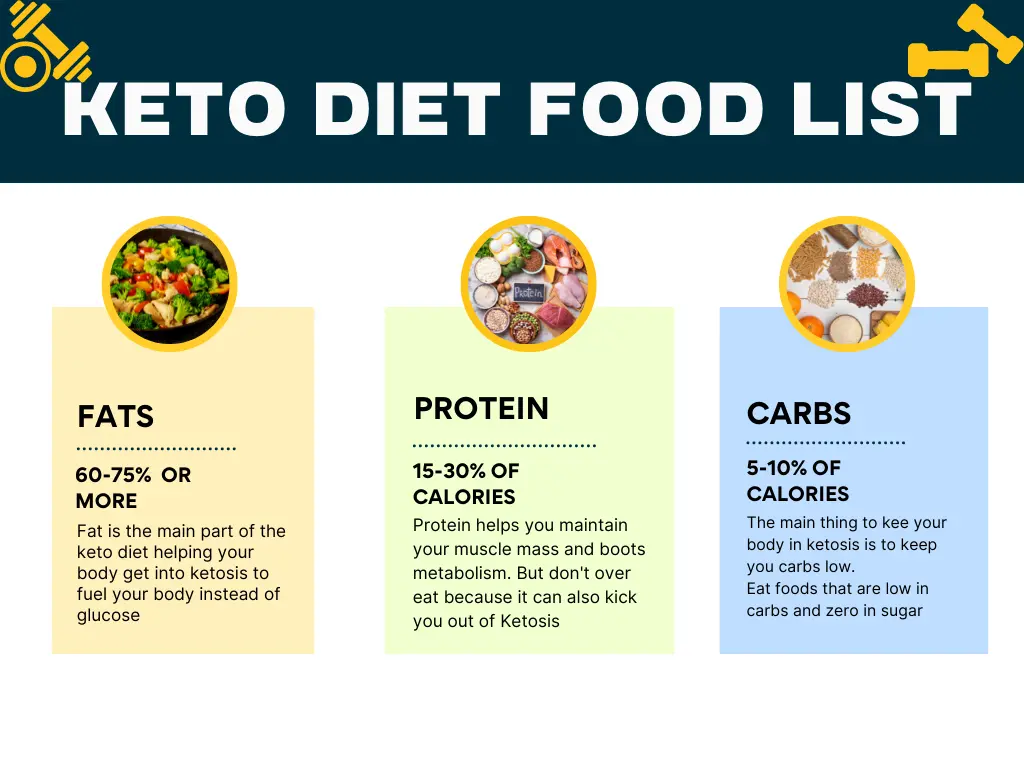
Paneer, Indian cottage cheese, is a popular keto protein. Tofu and tempeh serve as plant-based options. Eggs and chicken, especially skinless or thigh cuts, deliver quality protein. Fish like sardines and salmon, plus prawns and lean mutton, boost protein intake.
Healthy Fats And Oils
Ghee is a traditional Indian fat ideal for keto. Coconut oil and olive oil support healthy fats. Avocado oil adds good fats and mild flavor. Unsalted butter and avocado fruit complete the fat sources. These fats help keep energy steady during ketosis.
Nuts, Seeds, And Dairy
Almonds and walnuts are great nuts to snack on. Chia seeds and flax seeds add fiber and healthy fats. Psyllium husk helps with digestion. Peanuts are okay but in small amounts. Full-fat unsweetened yogurt and cheese provide dairy options. Unsweetened almond or coconut milk works as milk alternatives.
Spices And Herbs
Turmeric, cumin, and mustard seeds enhance flavor and health. Coriander powder and fresh coriander leaves add aroma. Mint and green chilies bring freshness and spice. These spices and herbs keep meals interesting without carbs.
Foods To Avoid On Keto
Choosing the right foods is crucial for success on the keto diet. Some Indian staples are high in carbs and can disrupt ketosis. Knowing which foods to avoid helps maintain low carb intake and steady energy. This section highlights common foods to skip on a keto diet in India.
High-carb Grains And Flours
Traditional grains like rice, wheat, and millet contain many carbohydrates. Wheat flour or maida is used in chapatis and parathas but is not keto-friendly. Avoid all forms of wheat and rice products. Suji (semolina) also has high carb content and should be skipped. Instead, use almond or coconut flour for keto recipes.
Sugary Items And Beverages
Sugar is the biggest enemy on keto. Indian sweets like gulab jamun, jalebi, and laddoos are loaded with sugar. Sweetened beverages such as chai with sugar, sodas, and fruit juices raise blood sugar quickly. Avoid all added sugar and sweetened drinks. Opt for unsweetened tea or black coffee instead.
High-carb Fruits And Vegetables
Many fruits and vegetables common in Indian kitchens contain too many carbs. Bananas, mangoes, and grapes have high sugar levels. Starchy vegetables like potatoes, sweet potatoes, and corn should be avoided. Stick to low-carb veggies like spinach, cauliflower, and bell peppers for keto meals.
Packaged Sauces And Curry Pastes
Packaged sauces and curry pastes often contain hidden sugar and starch. Many store-bought masalas add carbs through fillers. Avoid ready-made sauces and pastes unless they are specifically low-carb. Prepare your own spice blends at home to control ingredients and keep meals keto-friendly.
Sample Indian Keto Meal Plan
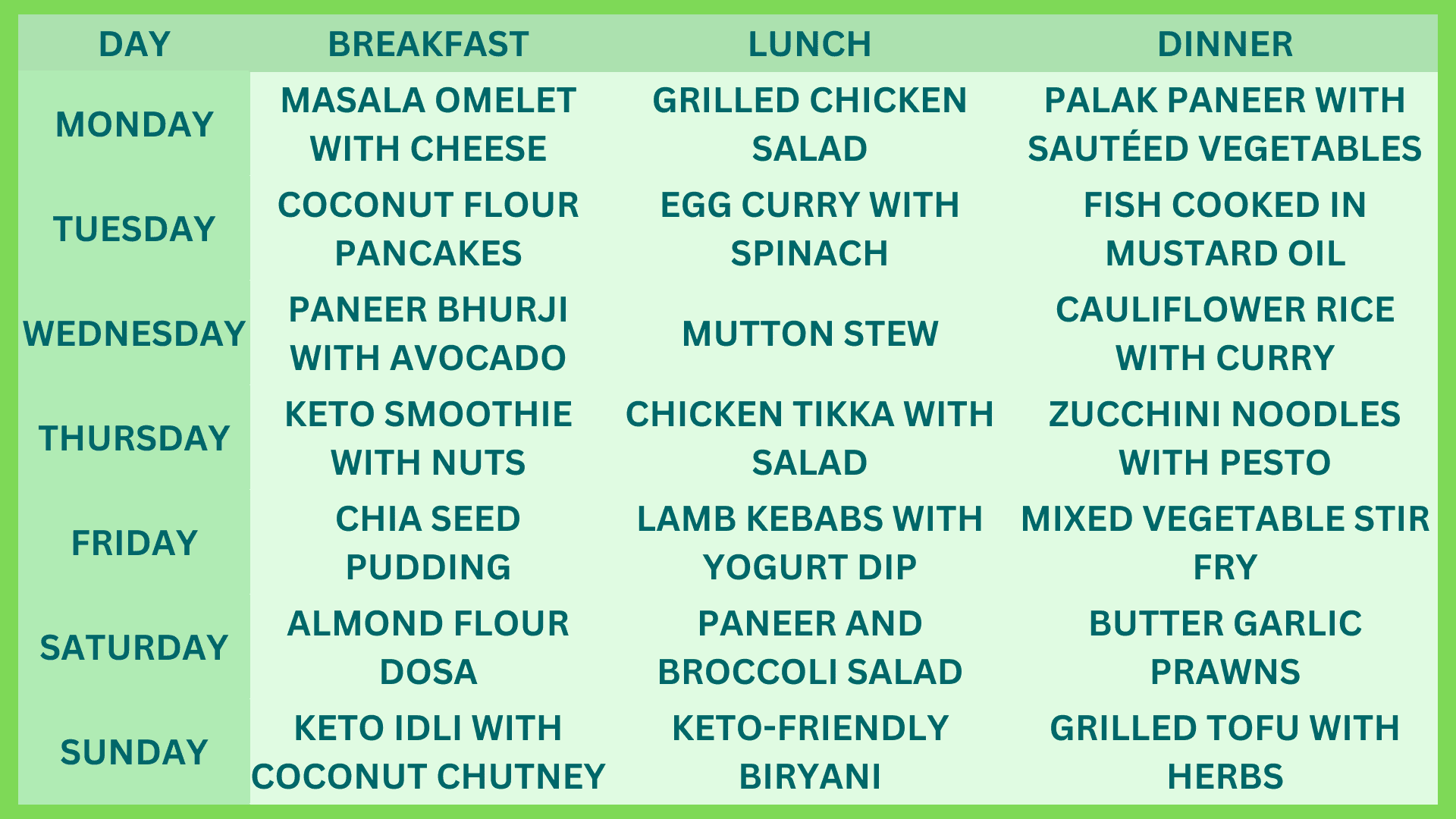
A Sample Indian Keto Meal Plan helps you enjoy traditional flavors while staying low-carb. It balances proteins, healthy fats, and keto-friendly vegetables. This plan suits those who want to eat Indian food without breaking ketosis.
Each meal combines simple ingredients common in Indian kitchens. The plan includes tasty options for breakfast, lunch, dinner, and snacks. It keeps carb intake low and energy levels high.
Breakfast Options
Start your day with paneer bhurji cooked in ghee and spices. Another choice is an omelette with spinach and green chilies. You can also have coconut flour dosa with butter. These breakfasts are filling and keto-approved.
Lunch Recipes
For lunch, try tandoori chicken served with sautéed cauliflower rice. Saag paneer made with fresh spinach and full-fat cream works well. Another option is a mixed vegetable curry using low-carb veggies like bell peppers and zucchini. Use coconut oil or ghee for cooking.
Dinner Ideas
Dinner can include fish curry with coconut milk and mustard seeds. A plate of grilled kebabs with a side of cucumber salad is light and satisfying. You may also enjoy eggplant bharta cooked in olive oil and garnished with coriander leaves. Keep portions moderate.
Snacks And Appetizers
Snack on roasted almonds or walnuts in small amounts. Cheese cubes spiced with chaat masala make a quick appetizer. You can prepare cucumber slices topped with mint yogurt dip. These snacks keep hunger away without adding carbs.
Credit: www.indianveggiedelight.com
Popular Keto Indian Dishes
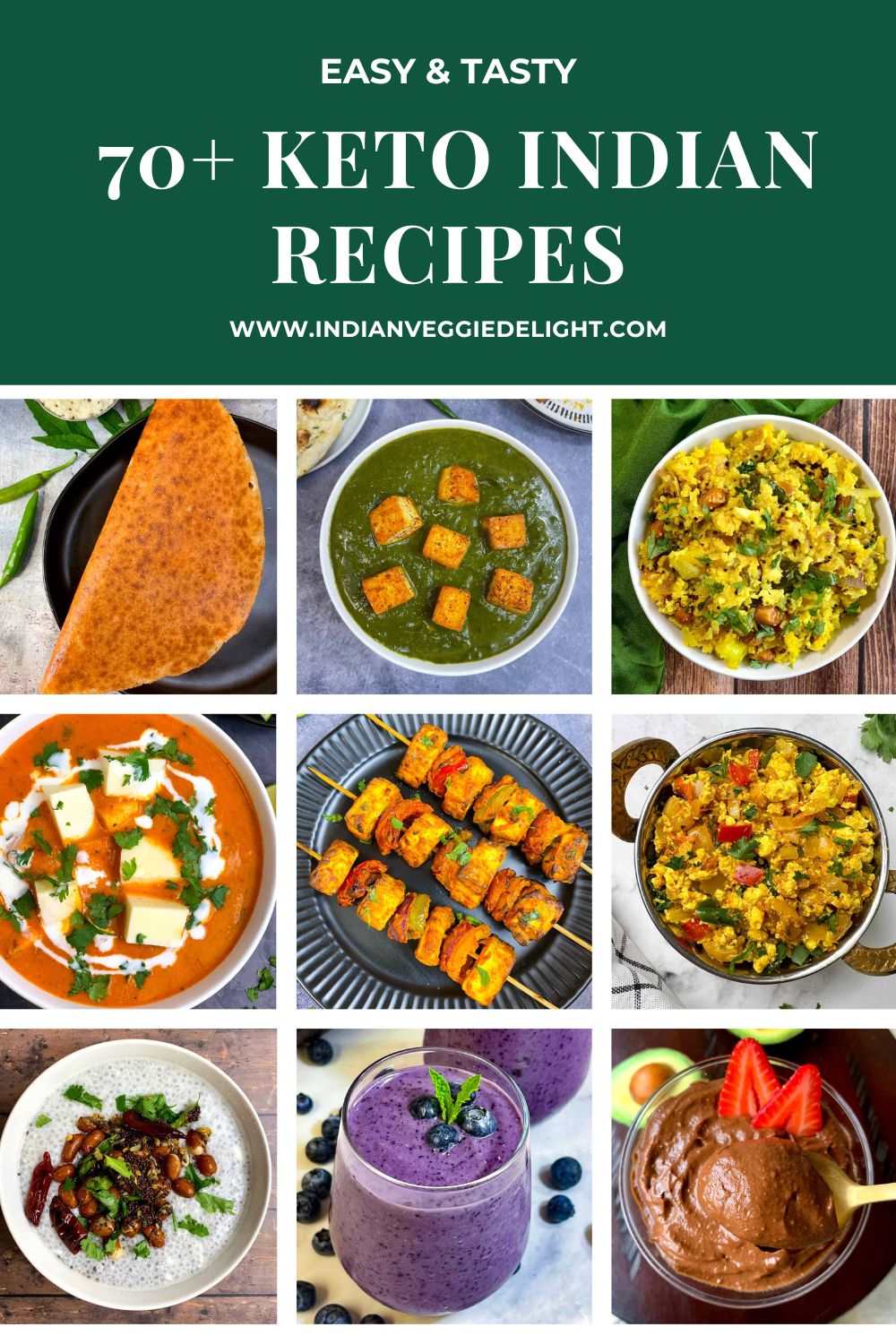
Indian cuisine offers many flavorful dishes that fit perfectly into a keto diet. The rich spices and fresh ingredients bring variety without the carbs. Several popular keto Indian dishes blend traditional tastes with low-carb ingredients. These meals keep you full while supporting ketosis. Below are some favorites that are easy to prepare and delicious to eat.
Tandoori Chicken And Kebabs
Tandoori chicken is a classic keto-friendly dish. It uses skinless chicken marinated in yogurt and spices. Grilled or baked, it is low in carbs and high in protein. Kebabs made from minced meat, like lamb or chicken, are also great. They include herbs and spices without adding carbs. These dishes provide a tasty, filling meal option.
Saag Paneer And Other Paneer Recipes
Saag paneer combines leafy greens and paneer cheese for a creamy dish. Spinach or mustard greens form the base, cooked with spices and butter. Paneer adds protein and fat, perfect for keto. Other paneer dishes like paneer tikka and paneer bhurji also work well. They are low in carbs and rich in flavor.
Low-carb Curries
Many Indian curries can be adapted for keto by omitting high-carb ingredients. Use coconut milk or cream instead of sugary sauces. Curries with chicken, fish, or vegetables like cauliflower and eggplant are ideal. Avoid potatoes, peas, and carrots as they raise carb count. These curries stay rich and satisfying without excess carbs.
Keto Roti And Flatbreads
Traditional wheat rotis have too many carbs for keto. Substitute almond flour or coconut flour for a low-carb option. These keto rotis are soft and hold up well with curries. Flaxseed or psyllium husk can improve texture and fiber content. Making keto flatbreads at home keeps meals varied and enjoyable.
Tips For Cooking Keto Indian Food
Cooking keto Indian food can be simple and delicious. The key lies in choosing the right ingredients and cooking methods. Traditional Indian meals often use high-carb flours and oils. Swapping these with keto-friendly options keeps the meals low in carbs and rich in flavor.
Balancing spices and managing portion sizes also help maintain ketosis. These tips make keto Indian cooking enjoyable and healthy.
Using Keto-friendly Flours
Replace wheat flour with almond or coconut flour. These flours have low carbs and high fiber. They work well in making keto-friendly rotis and snacks. Psyllium husk powder helps improve texture and binding. Experiment with small batches to get the right consistency.
Incorporating Healthy Fats
Use ghee, coconut oil, and olive oil for cooking. These fats support ketosis and add authentic taste. Avoid vegetable oils that are high in omega-6 fatty acids. Adding nuts like almonds and seeds like flaxseed also boosts healthy fat intake. Cook meals at moderate heat to preserve fat quality.
Balancing Spices And Flavors
Indian spices like turmeric, cumin, and coriander add flavor without carbs. Use fresh herbs like mint and coriander leaves for freshness. Green chilies add heat without sugar. Avoid store-bought spice mixes with hidden sugars. Adjust spice levels to suit your taste while keeping dishes aromatic.
Meal Prep And Portion Control
Plan meals ahead to avoid last-minute carb-heavy choices. Use airtight containers for storing cooked food. Measure portions to control carb intake strictly. Preparing vegetables and proteins in advance saves time. This habit helps maintain consistency in your keto diet.
Credit: skalefitness.com
Keto Paneer Benefits And Uses
Paneer is a popular choice for the Indian keto diet. It is rich in protein and low in carbs, making it ideal for keto followers. Paneer fits perfectly into keto meal plans and offers many health benefits. Its creamy texture and mild flavor make it easy to include in various dishes. Knowing its benefits and uses helps in planning tasty keto meals.
Nutritional Advantages
Paneer is high in protein, essential for muscle repair and growth. It contains healthy fats that support energy levels on keto. Paneer provides calcium, which strengthens bones and teeth. It is low in carbohydrates, helping maintain ketosis. Paneer also contains vitamins like B12, important for nerve health.
Versatile Cooking Ideas
Paneer can be grilled, fried, or added to curries. It works well in salads and wraps for quick meals. You can make paneer tikka with spices for a flavorful snack. Paneer bhurji is a scrambled version, perfect for breakfast. Using paneer in soups adds texture and protein without extra carbs.
Pairing With Low-carb Ingredients
Combine paneer with spinach or cauliflower for nutrient-rich meals. Use ghee or coconut oil to cook paneer for healthy fats. Pair paneer with bell peppers or zucchini for colorful, low-carb dishes. Herbs like coriander and mint enhance flavor without carbs. Adding paneer to dishes with nuts or seeds boosts protein and fat content.
Shopping Guide For Indian Keto Diet
Starting a keto diet with Indian flavors needs careful shopping. Choosing the right foods helps stay in ketosis and enjoy meals. Indian markets offer many options, but some items can raise carb counts. This guide helps pick the best groceries for an Indian keto diet. Focus on fresh, low-carb ingredients and healthy fats. Avoiding hidden carbs ensures steady progress and better results.
Essential Grocery List
Stock your kitchen with keto-friendly Indian staples. Include low-carb vegetables like spinach, cauliflower, and bell peppers. Add proteins such as paneer, eggs, chicken, and fish. Use healthy fats like ghee, coconut oil, and olive oil. Keep nuts like almonds and walnuts for snacks. Choose full-fat dairy like unsweetened yogurt and cheese. Spices like turmeric, cumin, and coriander add flavor without carbs.
Choosing Quality Ingredients
Pick fresh and organic produce when possible. Fresh vegetables have more nutrients and fewer preservatives. Buy paneer and dairy from trusted sources to avoid additives. Choose cold-pressed oils for better health benefits. Look for grass-fed or free-range meat and eggs. Avoid packaged and processed foods as they may contain hidden sugars. Quality ingredients improve taste and support your health goals.
Avoiding Hidden Carbs
Read labels carefully to spot hidden sugars and starches. Watch out for packaged spice mixes with added fillers. Avoid flours like wheat and semolina, common in Indian cooking. Skip sugary sauces and ready-made curry pastes. Limit fruits to low-carb options like berries in small amounts. Beware of sweetened beverages and snacks. Staying vigilant prevents breaking ketosis and keeps your diet on track.
Frequently Asked Questions
What Indian Food Can I Order On Keto?
Order keto-friendly Indian dishes like tandoori chicken, paneer saag, kebabs, vindaloo, and basic yellow curry. Choose low-carb veggies such as spinach, cauliflower, and eggplant. Use healthy fats like ghee and coconut oil. Avoid wheat flour, sugar, and high-carb ingredients for best keto results.
What Can You Eat On Keto Diet In India?
Eat low-carb vegetables like spinach, cauliflower, and eggplant. Include paneer, eggs, chicken, fish, and healthy fats such as ghee, coconut oil, and avocado. Avoid wheat flour, sugar, high-carb fruits, and sweetened beverages for effective keto in India.
What Is The 2 2 2 2 Rule On Keto?
The 2 2 2 2 rule on keto means consuming 2 cups of vegetables, 2 ounces of protein, 2 tablespoons of fat, and 2 liters of water daily. This helps maintain ketosis and balanced nutrition effectively.
Can I Eat Paneer In A Keto Diet?
Yes, paneer fits well in a keto diet. It is low in carbs and high in healthy fats and protein.
Conclusion
A keto diet meal plan with Indian foods fits well into daily life. Focus on low-carb vegetables, healthy fats, and quality proteins. Avoid high-carb items like wheat flour and sugar to stay in ketosis. Spices and herbs add flavor without extra carbs.
This plan supports weight loss and better health naturally. Small changes make a big difference over time. Keep meals simple and balanced for lasting results. Your body will thank you for clean, wholesome eating.