


Are you following the keto diet but not seeing the weight drop you expected? It can be frustrating to cut carbs and stay in ketosis, yet the scale refuses to budge.
You might wonder, “Am I doing something wrong? ” The truth is, being in ketosis doesn’t guarantee weight loss on its own. Your body still needs a calorie deficit to shed pounds. But there are other hidden factors that could be holding you back—from eating too much fat or protein, to lifestyle habits like sleep and stress.
If you want to finally break through your plateau and get the results you deserve, keep reading. We’ll uncover the real reasons why your keto diet might not be working and share simple fixes you can start today.
Calorie Intake
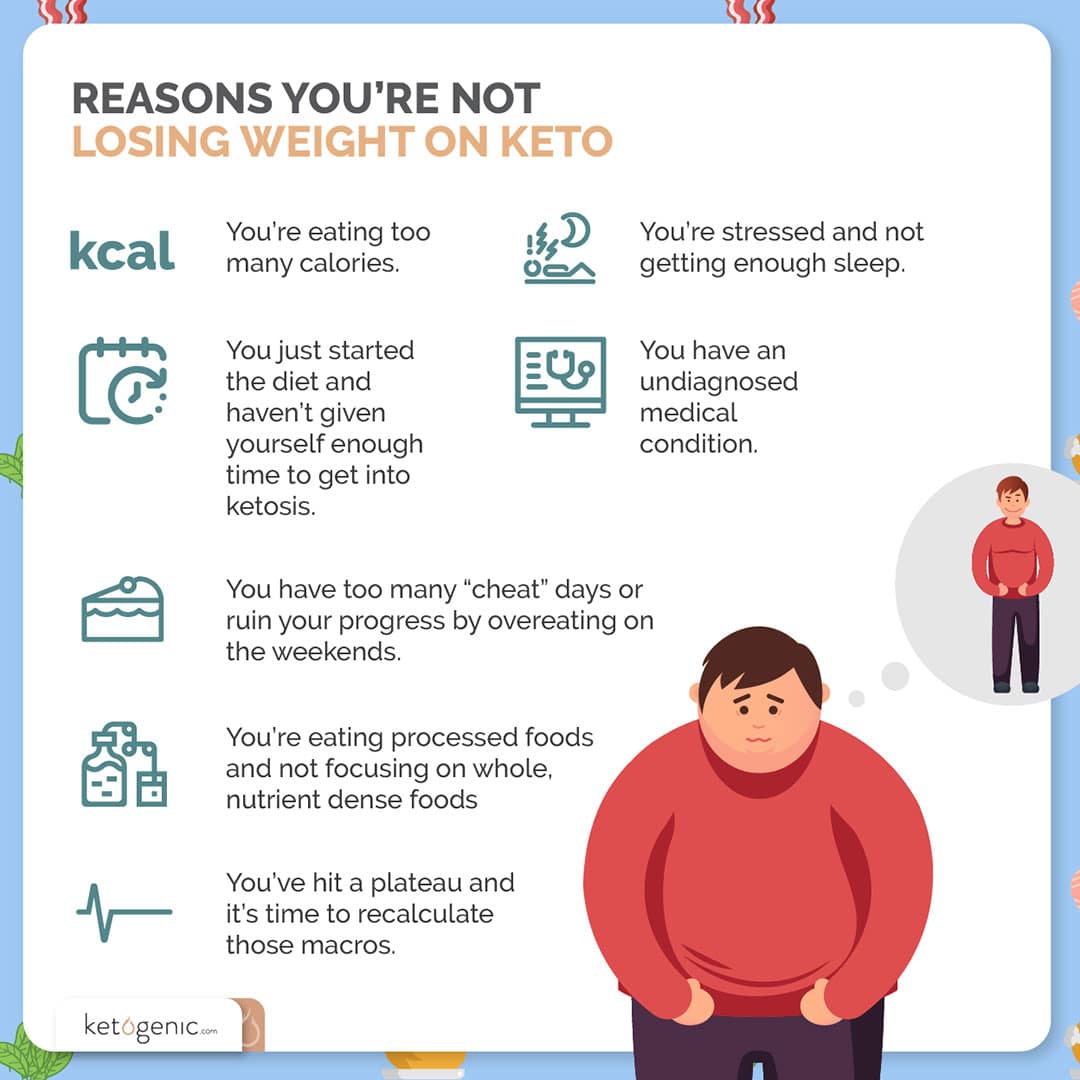
Calorie intake plays a crucial role in any weight loss journey, including the keto diet. Simply eating keto-friendly foods does not guarantee weight loss. You must consume fewer calories than your body uses daily to shed pounds.
Many people on keto focus only on carbs and overlook calories from fats and proteins. Eating too many calories, even from fat and protein, can stop weight loss or cause gain.
Avoid Overeating Fats And Proteins
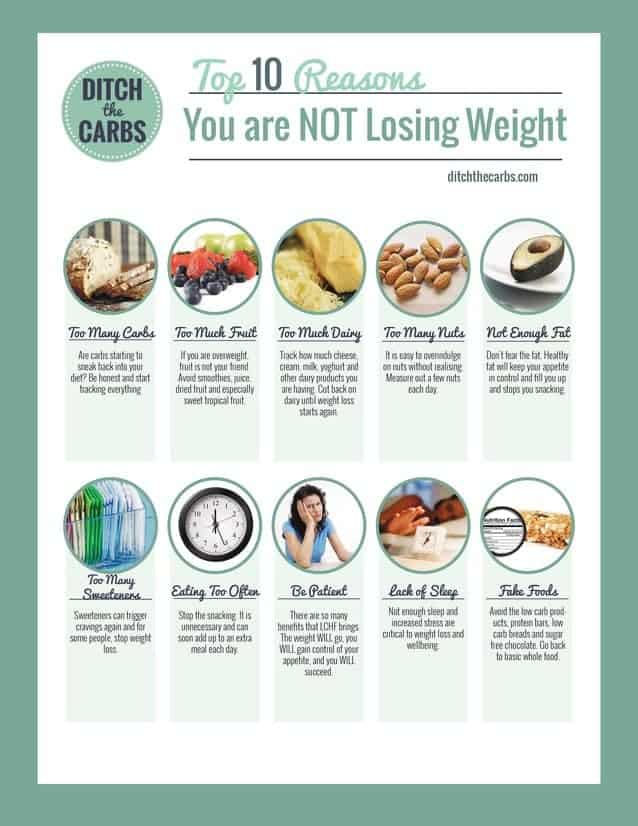
Keto encourages high fat and moderate protein intake, but excess can add up fast. Fats contain 9 calories per gram, more than double carbs or protein. Eating large portions of fatty foods like butter, cheese, or oils can increase calories quickly. Protein is important but too much can convert to glucose and raise insulin levels. Control portion sizes and track your fat and protein intake to stay within calorie goals.
Maintain Calorie Deficit For Weight Loss
A calorie deficit means burning more calories than you eat each day. This deficit forces your body to use stored fat for energy. Even on keto, eating more calories than you burn stops fat loss. Use tools or apps to track calories consumed and burned. Adjust your food intake or increase activity to keep a steady deficit. Consistency with calorie control is key to losing weight on keto.
Credit: ketogenic.com
Protein Consumption
Protein plays a key role in the keto diet. It helps build muscles and keeps you full. But eating too much protein can stop weight loss. Understanding protein consumption can fix this issue. It helps keep your body in fat-burning mode. Here is how to manage protein intake for better keto results.
Limit Excess Protein Intake
Eating too much protein can slow down weight loss. Your body can change extra protein into sugar. This process adds glucose to your bloodstream. Glucose raises insulin, which stops fat burning. Keep protein at moderate levels to avoid this. Focus on eating enough protein for muscle repair, not excess. Typical keto protein needs are about 20-25% of your daily calories. Use a food tracker to measure your intake.
Prevent Gluconeogenesis And Ketosis Disruption
Gluconeogenesis is the process of making sugar from protein. It can kick you out of ketosis. Ketosis is when your body burns fat for energy. Excess protein triggers gluconeogenesis, reducing ketone levels. Staying in ketosis is key for fat loss on keto. Balance protein with fats and low carbs. This balance keeps your metabolism in fat-burning mode. Avoid large protein meals and spread intake evenly through the day. Small, frequent portions help maintain ketosis.
Hidden Carbohydrates
Hidden carbohydrates often block weight loss on the keto diet. They sneak into your meals without clear labels. These carbs can raise insulin and stop fat burning. Being aware of hidden carbs helps keep your daily intake low. Tracking carbs carefully boosts your chances of losing weight.
Many people forget to check processed foods and sauces. These often contain added sugars and starches. Even small amounts can add up quickly. Reading ingredient lists is a must. Avoid items with ingredients like maltodextrin, dextrose, or corn syrup.
Check Processed Foods And Sauces
Processed foods can hide carbs under different names. Sauces like barbecue, ketchup, and salad dressings often have sugar. These carbs can push you over your daily limit. Choose homemade or low-carb versions instead. Always check nutrition labels for total carbs and sugars.
Identify Carbs In Condiments
Condiments like mayonnaise, mustard, and soy sauce may seem carb-free. Some brands add sweeteners or fillers that increase carbs. Look for zero or very low carb options. Use small amounts to avoid unintentional carb intake. Measure portions instead of guessing.
Food Quality
Food quality plays a key role in your keto weight loss journey. Eating the right types of foods fuels your body properly. Poor food choices can stall or even reverse your progress. Focus on foods that support ketosis and overall health.
Choose Nutrient-dense Whole Foods
Whole foods provide vitamins, minerals, and fiber. These nutrients keep your body balanced and satisfied. Vegetables like spinach, kale, and broccoli are excellent keto choices. Healthy fats from avocados, nuts, and olive oil nourish your cells. Quality protein from grass-fed meat or wild fish supports muscle and metabolism. Whole foods reduce cravings and overeating.
Avoid Processed Keto Snacks And Desserts
Many packaged keto snacks contain hidden carbs and unhealthy fats. These can raise insulin and block fat burning. Artificial sweeteners may also increase hunger. Avoid bars, cookies, and chips labeled keto if they have additives. Cooking fresh meals helps control ingredients and portions. This keeps your diet clean and effective for weight loss.
Alcohol Effects
Alcohol can affect your keto diet and slow down weight loss. Your body treats alcohol as a toxin and prioritizes burning it over fat. This delays fat burning and reduces ketosis. Drinking alcohol may also increase hunger and lower your willpower to stick to keto foods. Choosing the right drinks and limiting intake helps maintain progress.
Limit Alcohol Consumption
Keeping alcohol intake low supports weight loss on keto. Drinking too often or too much adds empty calories. These calories do not fuel your body and can stall fat loss. Drinking less also reduces chances of poor food choices. Aim to enjoy alcohol only on special occasions.
Select Low-carb Alcoholic Beverages
Choose drinks with fewer carbs to stay in ketosis. Clear spirits like vodka, gin, and tequila have zero carbs. Mix with soda water or diet tonic instead of sugary mixers. Dry wines and light beers are lower carb options too. Avoid sweet cocktails and beer with high carb content.
Sleep And Stress
Sleep and stress play a big role in weight loss on the keto diet. Poor sleep and high stress can block your body from burning fat effectively. These factors affect hormones that control hunger and fat storage. Improving sleep and managing stress can help your keto efforts work better.
Improve Sleep Quality
Good sleep helps balance hormones that control appetite. Lack of sleep raises ghrelin, the hunger hormone. It also lowers leptin, the hormone that signals fullness. This imbalance makes you eat more and gain weight.
Try to keep a regular sleep schedule. Go to bed and wake up at the same time daily. Avoid screens and bright lights before bedtime. Create a calm and dark sleep environment. Limit caffeine and heavy meals close to bedtime.
Manage Stress Levels
Stress triggers the release of cortisol, a hormone linked to fat storage. High cortisol levels can slow down weight loss. Stress also increases cravings for high-carb and high-fat foods.
Use simple stress relief techniques like deep breathing or short walks. Take breaks and practice mindfulness or meditation. Stay connected with friends or family for support. Keeping stress low helps your body burn fat more easily on keto.
Medical Factors
Medical factors can play a big role in why the keto diet might not lead to weight loss. Sometimes, the body’s internal systems affect how it processes food and burns fat. Understanding these medical issues can help identify why weight loss stalls despite following keto strictly.
Check For Thyroid Issues
The thyroid controls metabolism. If it is underactive, metabolism slows down. This makes burning calories harder. Symptoms include fatigue, weight gain, and cold intolerance. Getting a simple blood test can check thyroid hormone levels. Treating thyroid problems can improve weight loss results on keto.
Address Insulin Resistance
Insulin resistance means the body struggles to use insulin properly. This leads to high blood sugar and fat storage. It often links to type 2 diabetes or prediabetes. Keto can help lower insulin levels, but resistance may slow weight loss. Medical advice and specific treatments may be needed to manage insulin resistance effectively.
Consider Chronic Inflammation
Chronic inflammation affects how the body functions. It can cause hormone imbalances and slow metabolism. Inflammation often comes from stress, poor sleep, or certain illnesses. Reducing inflammation with anti-inflammatory foods and lifestyle changes supports weight loss. Sometimes, medical treatment is necessary to control inflammation for better keto results.
Credit: thinlicious.com
Ketosis Monitoring
Monitoring ketosis is crucial for anyone on a keto diet who struggles to lose weight. It helps ensure your body is truly in fat-burning mode. Without tracking ketosis, you might be missing key signs that your diet needs adjustment.
Regular checks guide your food choices and keep your efforts on track. They also help avoid common pitfalls, like eating too many carbs or protein, which can stop ketosis.
Test Ketone Levels Regularly
Testing ketone levels shows if your body is in ketosis. Use tools like urine strips, blood meters, or breath analyzers. Blood meters give the most accurate results. Test at the same time daily, preferably in the morning. Record your results to spot patterns. Low ketone levels mean your body is not burning fat efficiently. This signals a need to review your diet or activity.
Adjust Diet Based On Ketosis Status
Use test results to guide your eating habits. If ketones are low, reduce carb intake further. Watch protein amounts too, as excess protein can turn into glucose. Increase healthy fats to fuel your body. Focus on whole, nutrient-rich foods instead of processed keto snacks. Small changes can boost ketosis and support weight loss. Adjusting your diet keeps you aligned with keto goals and promotes steady progress.
Weight Loss Plateaus
Hitting a weight loss plateau on keto can feel frustrating. Your scale may stop moving even though you follow the plan. This pause is normal and happens to many people.
The body adjusts to new routines and changes in metabolism. Understanding what causes these plateaus helps you stay motivated. Patience and smart adjustments are key to pushing past them.
Understand Water Loss Vs Fat Loss
Early weight loss on keto often comes from water loss. Cutting carbs reduces stored water in your body quickly. This drop can look like fast fat loss but is temporary.
Fat loss happens slower and requires a calorie deficit over time. The scale may slow down after the initial water weight drops. Focus on fat loss, not just the number on the scale.
Be Patient Through Slower Fat Loss Phases
Fat loss takes time and does not happen in a straight line. Your body may burn fat slower during some weeks. This phase is normal and does not mean failure.
Keep following keto with good food choices and exercise. Small, steady progress leads to lasting results. Trust the process and avoid quick fixes that disrupt ketosis.
Credit: www.cleaneatzkitchen.com
Frequently Asked Questions
Is It Possible To Be In Ketosis And Not Lose Weight?
Yes, ketosis means your body burns fat for energy, but weight loss requires a calorie deficit. Eating excess calories or protein can prevent weight loss even in ketosis. Poor sleep, stress, alcohol, and medical issues also affect results.
Why Is It Taking Me So Long To Lose Weight On Keto?
Weight loss on keto slows after initial water loss because fat loss takes longer. Excess calories, too much protein, poor sleep, stress, and medical issues can also delay progress.
Why Am I Not Seeing Results From Keto?
You might not see keto results due to excess calorie intake, eating too much protein, processed foods, alcohol, poor sleep, or medical issues. Weight loss requires a calorie deficit, nutrient-dense foods, and consistent healthy habits.
Why Am I Not Losing Weight On Keto Week 3?
Not losing weight on keto by week 3 often results from eating excess calories, too much protein, or processed keto foods. Stress, poor sleep, alcohol, and medical conditions can also block weight loss despite ketosis. Focus on nutrient-dense foods and maintain a calorie deficit for progress.
Conclusion
Staying in ketosis does not guarantee weight loss alone. Calories still count, even on keto. Eating too much fat or protein can stall progress. Choose whole, nutrient-rich foods for better results. Manage stress, sleep well, and limit alcohol intake. Weight loss takes time and patience.
Adjust habits and listen to your body’s signals. Small changes can lead to steady progress. Keep focusing on health, not just the scale.