


Have you ever wondered what really happens in your body when you fast? Ketone fasting is the secret key that can unlock a powerful fuel source inside you—ketones.
When you stop eating, your body switches gears from using sugar to burning fat, producing ketones that fuel your brain and body efficiently. This natural shift not only helps you burn fat but also keeps your energy steady and your mind sharp.
Curious about how long it takes to enter this state? Or how ketone fasting can impact your health and weight? Keep reading, because understanding this process could change the way you think about fasting—and your own body’s potential.
How Ketone Fasting Works
Ketone fasting triggers the body to switch from using sugar to fat for energy. This process happens in stages. Understanding each step helps explain how the body adapts during fasting. The shift supports energy needs when food intake stops.
Glucose Depletion And Glycogen Use
At first, the body uses glucose from the blood for energy. This glucose comes from the food recently eaten. After a few hours without food, the body taps into glycogen stores. Glycogen is glucose stored in the liver and muscles. It breaks down glycogen to keep blood sugar levels steady.
Transition To Fat Breakdown
When glycogen stores run low, the body looks for another energy source. It starts breaking down stored fat into fatty acids. This process increases during fasting or low-carb diets. Fat breakdown provides a steady supply of fuel for the body’s needs.
Ketone Production Process
The liver converts fatty acids into ketone bodies. Ketones are molecules that can fuel the brain and muscles. This conversion is called ketogenesis. Ketone levels rise in the blood as fasting continues. This signals the body to rely more on fat for energy.
Using Ketones For Energy
Ketones travel through the bloodstream to organs and tissues. The brain uses ketones as an efficient energy source. Muscles and other tissues also burn ketones for fuel. This helps preserve muscle mass during fasting. The body stays energized even without food intake.

Credit: www.researchgate.net
Timeline To Reach Ketosis
Reaching ketosis is a key goal in ketone fasting. It marks the point when your body starts using fat for energy instead of glucose. Understanding the timeline helps you plan your fasting and diet better. The journey to ketosis varies by individual and several factors influence how fast you get there.
Typical Duration Of Fasting
The body uses stored glucose first during fasting. This usually lasts about 8 to 12 hours. After glucose runs out, the body shifts to fat burning. Most people enter ketosis within 12 to 24 hours of fasting. Some may take longer depending on their metabolism and habits.
Factors Affecting Ketosis Speed
Age, activity level, and metabolism affect ketosis onset. More active people burn glucose faster. This helps reach ketosis sooner. Hydration and sleep quality also play roles. Stress may slow down the process. Each body reacts differently, so times vary.
Carbohydrate Intake Impact
Eating carbs delays ketosis because glucose stays available. High carb intake means more stored sugar to use up. To enter ketosis faster, lower your daily carbs below 20-50 grams. This reduces glucose stores quicker. The less carbs you eat, the faster your body switches to fat burning.
Benefits Of Ketone Fasting
Ketone fasting offers several health benefits by shifting the body’s fuel source. This method encourages the body to burn fat instead of sugar. The result is a natural process called ketosis, which supports weight loss and energy balance.
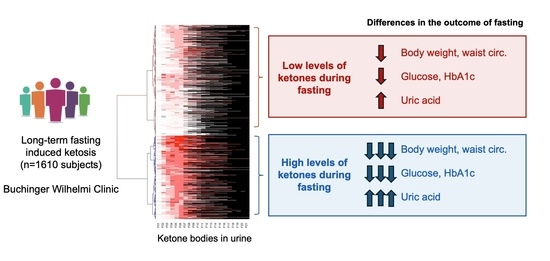
Besides helping with fat loss, ketone fasting also improves brain function and stabilizes blood sugar. It helps maintain muscle mass during periods without food. These benefits make ketone fasting a popular choice for many.
Rapid Fat Loss
Ketone fasting speeds up fat burning by lowering insulin levels. The body uses stored fat for energy instead of glucose. This leads to faster reduction in body fat. It also helps reduce hunger, making fasting easier to sustain.
Enhanced Mental Clarity
Ketones provide a steady fuel source for the brain. This reduces brain fog and improves focus. Many people report clearer thinking and better memory. The brain feels more energized without sugar crashes.
Stable Blood Sugar Levels
Fasting with ketones helps keep blood sugar steady. It lowers spikes and drops that cause fatigue and cravings. Stable blood sugar supports long-term energy and mood balance. This benefit is especially important for people with insulin resistance.
Muscle Preservation
Ketone fasting protects muscle tissue during calorie restriction. The body prefers to burn fat over muscle for energy. This helps maintain strength and physical performance. Preserving muscle also supports a healthy metabolism.
Credit: www.mdpi.com
Safe Adaptations During Ketosis
Ketone fasting triggers a natural shift in the body’s fuel source. It moves from relying on glucose to using ketones. This shift creates safe changes that support energy and brain function. Understanding these adaptations helps you appreciate how your body adjusts during ketosis.
Sustained Energy Supply
During ketosis, the body uses fat for fuel instead of sugar. This change provides a steady energy source. Fat burns slower than glucose, so energy lasts longer. This steady supply helps avoid energy crashes. People often feel more balanced and less hungry.
Brain Fuel Efficiency
The brain usually uses glucose for energy. In ketosis, it switches to ketones. Ketones are a cleaner, efficient fuel for the brain. This can improve focus and mental clarity. The brain also protects itself better from damage using ketones.
Normal Ketone Level Ranges
Ketone levels vary during fasting and ketosis. Safe levels usually range between 0.5 to 3.0 mmol/L in the blood. Levels within this range support energy without causing harm. It is important to avoid very high ketone levels. Staying within normal ranges ensures ketosis remains safe and effective.
Risks And When To Seek Help
Ketone fasting can offer many benefits but also carries risks. Understanding these risks helps keep the body safe. Recognizing when to get medical help is important. This section highlights key warnings and how to manage ketone levels safely.
Diabetic Ketoacidosis Warning
Diabetic ketoacidosis (DKA) is a serious condition. It happens when ketone levels rise too high. This causes the blood to become acidic. People with type 1 diabetes face the highest risk. Untreated DKA can lead to coma or death. It is not the same as nutritional ketosis from fasting. Always monitor ketones carefully during fasting. If you have diabetes, consult a doctor before starting ketone fasting.
Symptoms Requiring Medical Attention
Some symptoms need urgent medical care. These include severe nausea, vomiting, or stomach pain. Difficulty breathing or confusion also signal danger. Rapid heartbeat and extreme fatigue are warning signs too. If any of these symptoms occur, seek medical help immediately. Early treatment prevents complications.
Managing Ketone Levels Safely
Test ketone levels regularly using a blood or urine meter. Stay hydrated by drinking plenty of water. Avoid prolonged fasting without medical supervision. Eat balanced meals with enough electrolytes to support the body. Stop fasting and seek help if ketones become very high or symptoms appear. Safety is the priority during ketone fasting.
Combining Ketone Fasting With Intermittent Fasting
Combining ketone fasting with intermittent fasting creates a powerful approach to improve metabolic health. Both methods encourage the body to burn fat for energy instead of glucose. This combination enhances the body’s ability to enter ketosis faster and stay in it longer. It also supports weight loss and mental clarity. Understanding how these two fasting styles work together can help you maximize their benefits safely and effectively.
Synergy Between Methods
Ketone fasting and intermittent fasting work well together because they share similar goals. Intermittent fasting limits the eating window, reducing glucose availability. Ketone fasting encourages the body to use fat for fuel by increasing ketone production. When combined, these methods speed up the transition from glucose to fat burning. The body produces more ketones, which serve as a clean and steady energy source. This synergy helps maintain energy levels and focus throughout the day.
Optimizing Fat Burning
Fasting triggers glycogen depletion, forcing the body to find another energy source. Ketone fasting boosts the liver’s production of ketones from fat stores. Intermittent fasting extends the time the body stays in this fat-burning state. This combination increases fat loss by improving metabolic flexibility. It trains the body to switch smoothly between glucose and fat for energy. As a result, the body becomes more efficient at burning stored fat, supporting weight management goals.
Best Practices
Start slowly by extending your fasting window a little each day. Stay hydrated and consume electrolytes to avoid imbalances during fasting. Choose nutrient-dense foods during eating periods to support overall health. Listen to your body and adjust fasting times based on how you feel. Avoid overeating during eating windows to keep the fasting benefits strong. Consult a healthcare professional before starting if you have medical conditions or take medications. Consistency and patience are key to seeing lasting results.
Practical Tips For Starting Ketone Fasting
Starting ketone fasting requires some preparation and awareness. This approach changes how your body uses energy. Following a few practical tips can help you start smoothly. It eases the transition and supports your health during the fast.
Preparing Your Body
Begin by reducing carbs a few days before fasting. This helps your body adjust to burning fat for fuel. Eat more healthy fats and moderate protein. Avoid sugary and processed foods to lower insulin levels. Rest well and avoid heavy exercise before starting. Your body will adapt better with less stress and fatigue.
What To Expect During Early Fasting
At first, hunger may feel stronger than usual. You might notice low energy or slight headaches. These symptoms occur as your body switches from glucose to ketones. They usually last 1 to 3 days. Stay calm and keep busy to distract yourself. After this, energy often rises and hunger decreases.
Hydration And Electrolyte Balance
Drink plenty of water to stay hydrated during fasting. Ketone fasting causes your body to lose more water and salts. Replenish electrolytes like sodium, potassium, and magnesium. Use natural sources or supplements if needed. Proper hydration and electrolyte balance reduce fatigue and headaches. They support your overall well-being during the fast.
Credit: www.researchgate.net
Common Myths About Ketone Fasting
Ketone fasting has gained attention for its potential health benefits. Despite its popularity, many myths surround this practice. These myths often cause confusion and fear. Clearing up these misunderstandings helps you make informed decisions about ketone fasting.
Ketosis Vs. Ketoacidosis Confusion
Ketosis is a natural metabolic state. The body burns fat for energy, producing ketones. Ketoacidosis, on the other hand, is dangerous. It occurs mostly in people with uncontrolled diabetes. Ketone fasting leads to safe ketosis, not ketoacidosis. Understanding this difference reduces unnecessary worries.
Misconceptions On Muscle Loss
Some believe ketone fasting causes muscle loss. The body actually protects muscle during fasting. It uses fat as the primary energy source. Moderate fasting combined with proper nutrition supports muscle preservation. Muscle loss happens mostly with extreme fasting or poor diet.
Fasting Duration Myths
Many think ketone fasting requires very long fasts. The time to reach ketosis varies for each person. Some enter ketosis after 12 to 16 hours of fasting. Others may need more time depending on diet and activity. Short fasts can still provide benefits without extreme hunger or stress.
Frequently Asked Questions
How Long Do You Have To Fast For Ketones?
You typically need to fast 12 to 16 hours to start producing ketones. This varies based on diet and metabolism.
Will A 16 Hour Fast Put Me In Ketosis?
A 16-hour fast may start ketone production but usually won’t induce full ketosis. Longer fasts or low-carb diets help enter ketosis faster.
What Does Fasting Do To Ketones?
Fasting depletes glucose, prompting the body to break down fat and produce ketones. Ketones serve as alternative energy, especially for the brain. Over time, ketone levels rise, supporting sustained energy and muscle preservation during fasting.
What Color Is Your Pee In Ketosis?
In ketosis, your pee usually appears light yellow to clear due to increased water intake and ketone excretion. Dark urine may signal dehydration.
Conclusion
Ketone fasting helps your body switch from sugar to fat for energy. This process supports steady energy and keeps your brain alert. Everyone’s time to reach ketosis may differ slightly. Staying consistent with fasting can improve fat burning and muscle preservation.
Understanding how ketones work makes fasting safer and clearer. Try ketone fasting carefully and listen to your body’s signals. It offers a natural way to support weight and health goals.