

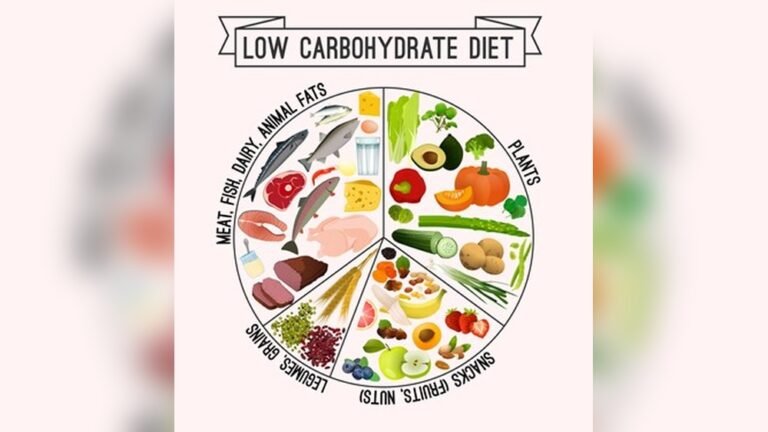
Are you tired of feeling sluggish and struggling with weight that just won’t budge? A less carb diet might be exactly what your body needs.
By cutting down on carbs, you can unlock more energy, clearer focus, and a slimmer waistline. Imagine enjoying your favorite meals without the constant worry about sugar crashes or cravings. This article will guide you through simple steps to reduce carbs in your diet without feeling deprived.
Stick with me, and you’ll discover how small changes can lead to big results for your health and confidence.
Benefits Of Low Carb Diets
Low carb diets focus on reducing carbohydrate intake while increasing proteins and fats. This method offers several benefits beyond just weight loss. Many people find it easier to follow and maintain a healthy lifestyle with fewer carbs. The advantages affect both body and mind, improving overall health.
Improved Weight Loss
Low carb diets help burn fat faster. The body uses stored fat for energy instead of carbs. This leads to steady and lasting weight loss. People often see results within a few weeks. Less carb intake also reduces water weight quickly.
Enhanced Metabolic Health
Cutting carbs can lower blood sugar levels. It helps control insulin, the hormone that stores fat. This reduces the risk of type 2 diabetes. Low carb diets can also improve cholesterol and blood pressure. These changes support a healthier heart and metabolism.
Reduced Appetite And Cravings
Eating fewer carbs helps control hunger better. Protein and fat make you feel full longer. This reduces the desire to snack often. With fewer cravings, it is easier to avoid unhealthy foods. This helps stick to the diet without feeling deprived.
Types Of Low Carb Diets
Low carb diets help reduce carbohydrate intake and focus on proteins and fats. Different types suit different lifestyles and goals. Understanding each type helps choose the best fit.
Ketogenic Diet
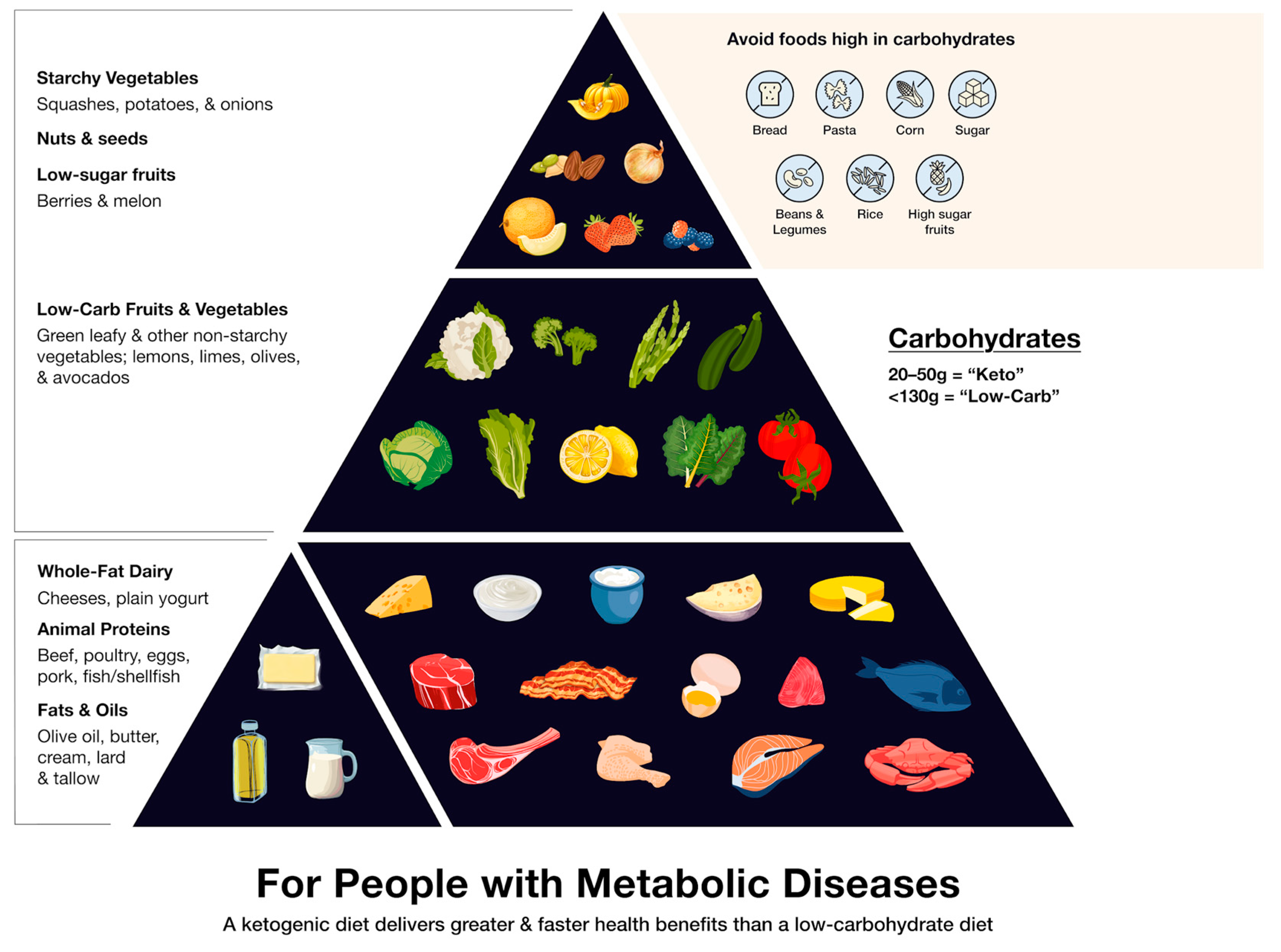
The ketogenic diet is very low in carbs and high in fats. It aims to put the body in ketosis. This means the body burns fat for energy instead of carbs. People often use it for weight loss and better energy. It limits carbs to about 20-50 grams per day.
Atkins Diet
The Atkins diet starts with a very low carb phase. Then, it slowly adds carbs back in. It focuses on protein and fat to keep you full. This diet divides into four phases to find the right carb level. It allows more flexibility than keto over time.
Paleo Diet
The Paleo diet avoids processed foods and focuses on whole, natural foods. It includes meats, fish, vegetables, fruits, nuts, and seeds. It limits grains, dairy, and added sugars. The carb intake varies but stays lower than typical diets. It aims for a simple, clean way of eating.
Foods To Eat
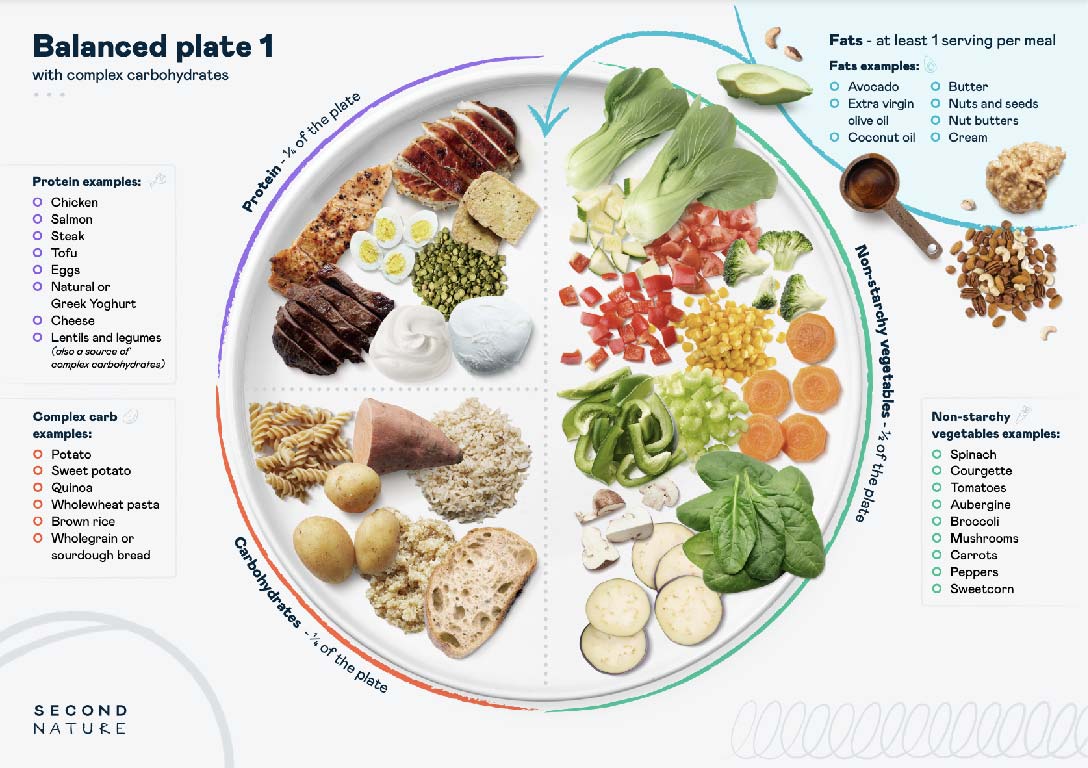
Choosing the right foods is key to a less carb diet. Foods low in carbohydrates help control blood sugar and support weight loss. Focus on foods rich in protein, healthy fats, and fiber. These keep you full and energized throughout the day.
Here are the best foods to include in your less carb diet.
Lean Proteins
Lean proteins build muscle and repair tissues. They also help you feel full longer. Good options include chicken breast, turkey, and lean cuts of beef. Fish like salmon and tuna provide protein plus healthy omega-3 fats. Eggs are also a great, affordable protein source.
Healthy Fats
Healthy fats give your body energy and support brain health. Choose fats from natural sources like avocados and nuts. Olive oil and coconut oil work well for cooking. Fatty fish such as mackerel provide essential fats that protect your heart. Avoid trans fats and processed oils.
Low Carb Vegetables
Vegetables supply vitamins, minerals, and fiber with very few carbs. Leafy greens like spinach and kale are top choices. Broccoli, cauliflower, and zucchini also fit well in a less carb diet. These vegetables add volume and nutrients without raising carb intake.
Credit: www.secondnature.io
Foods To Avoid
Choosing the right foods is key for a less carb diet. Avoiding certain foods can help keep carb intake low. Some foods have hidden sugars or starches that add extra carbs. Knowing what to skip helps control blood sugar and supports weight loss. Focus on fresh, whole foods with fewer carbs.
Sugary Foods And Drinks
Sugary foods add many carbs with little nutrition. Candy, cakes, cookies, and pastries often contain high sugar levels. Sugary drinks like soda, fruit juices, and energy drinks also spike blood sugar quickly. These cause energy crashes and hunger soon after. Avoiding these keeps carb intake low and steady.
Refined Grains
Refined grains lose fiber and nutrients during processing. White bread, white rice, and many pasta types fall here. These carbs digest fast and raise blood sugar. Whole grain options are better but still should be limited. Cut back on refined grains to reduce overall carbs.
Starchy Vegetables
Starchy vegetables have higher carb content than non-starchy types. Potatoes, corn, peas, and sweet potatoes are common examples. They can add more carbs than expected. Choose leafy greens and low-carb vegetables instead. This supports lower carb goals while staying nutritious.
Meal Planning Tips
Planning meals for a less carb diet helps you stay on track. It reduces guesswork and saves time. You can enjoy tasty, balanced meals every day. Here are some helpful tips to make meal planning easier and more effective.
Balancing Macronutrients
Focus on proteins, fats, and carbs in each meal. Proteins keep you full and support muscle health. Healthy fats provide energy and help absorb vitamins. Choose carbs from vegetables and small portions of fruits. Avoid high-carb processed foods for steady energy all day.
Meal Prep Strategies
Prepare meals ahead to save time during busy days. Cook proteins like chicken or fish in batches. Chop vegetables and store them in containers for quick use. Use simple recipes with few ingredients. Freeze meals in portions to keep variety without extra cooking.
Snack Ideas
Choose snacks low in carbs but rich in nutrients. Nuts, seeds, and cheese make great quick bites. Hard-boiled eggs provide protein and keep hunger away. Veggies with hummus offer crunch and fiber. Keep snacks ready to avoid unhealthy choices.
Common Challenges
Starting a less carb diet can be tough. It brings many challenges that affect daily life. Knowing these challenges helps in handling them better. This section explains common problems people face on a low-carb diet.
Dealing With Cravings
Cravings for bread, sweets, and pasta can be strong. These cravings happen because the body misses sugar and carbs. Drinking water and eating high-fiber vegetables can reduce cravings. Small, healthy snacks like nuts can help too. Staying busy stops thinking about food all the time.
Managing Social Situations
Eating out or going to parties can be tricky on a low-carb diet. Many social foods have hidden sugars or carbs. Planning ahead helps, such as checking menus or bringing your own dish. Politely saying no is okay. Friends will understand if you explain your diet simply.
Avoiding Nutrient Deficiencies
Cutting carbs might lower important vitamins and minerals. Vegetables, nuts, and seeds provide nutrients without many carbs. Taking a daily multivitamin can fill gaps in nutrition. Watching your body for tiredness or dizziness is important. Talk to a doctor if you feel unwell.
Exercise And Low Carb Diet
Exercise and a low carb diet work well together for fat loss and health. A low carb diet changes how your body uses energy. Exercise helps burn fat and build muscle. Combining both can speed up fat loss and improve fitness.
Best Workouts For Fat Loss
High-intensity interval training (HIIT) burns many calories quickly. It mixes short bursts of hard work with rest. Strength training builds muscle and boosts metabolism. Walking and jogging are easy and effective for fat loss. Choose workouts you enjoy and can do often.
Combining Diet And Exercise
Eating fewer carbs means your body uses fat for fuel. Exercise uses this fuel to burn fat faster. Timing meals around workouts helps. Eat protein before and after exercise for muscle repair. Stay consistent with both diet and exercise for good results.
Maintaining Energy Levels
Low carb diets can lower energy at first. Drink plenty of water and rest well. Eat enough fats and proteins for steady energy. Moderate exercise boosts energy and mood. Listen to your body and adjust workout intensity as needed.
Tracking Progress
Tracking progress is important for success on a less carb diet. It helps you see changes in your body and habits. Monitoring progress keeps you motivated and aware of your results. It also guides you to make smart adjustments to your diet.
Measuring Weight And Body Fat
Weigh yourself regularly, but do not obsess over daily changes. Use a scale once or twice a week for better accuracy. Body fat measurement is also helpful. Tools like calipers or smart scales give more detail than weight alone. Tracking both weight and fat shows real progress beyond the number on the scale.
Using Food Journals
Write down everything you eat. Note the amount of carbs in each meal. A food journal helps you find patterns and mistakes. It makes you more aware of your food choices. This habit supports staying within your carb goals every day.
Adjusting The Diet Over Time
Your body changes as you follow the diet. Adjust your carb intake based on progress and how you feel. If weight loss slows, try lowering carbs slightly. If energy drops, add healthy carbs back slowly. Listen to your body and adapt to stay healthy and motivated.
Tips For Long-term Success
Sticking to a less carb diet takes more than just willpower. It needs smart habits and steady focus. Small changes can bring lasting results. Here are some key tips for long-term success on a low carb journey.
Sustainable Eating Habits
Choose foods that you enjoy and can eat daily. Avoid strict rules that make you feel deprived. Plan meals with a balance of protein, healthy fats, and vegetables. Keep snacks handy to avoid hunger. Drink plenty of water to stay full and energized. Prepare meals ahead to prevent last-minute choices. Flexibility helps maintain the diet over time.
Mindful Eating Practices
Eat slowly and pay attention to hunger signals. Stop eating when you feel satisfied, not stuffed. Avoid distractions like phones or TV during meals. Notice how different foods make you feel. This awareness helps you choose better meals. Mindful eating reduces overeating and supports weight control.
Staying Motivated
Set clear, simple goals to track progress. Celebrate small wins to keep spirits high. Find a support group or buddy with similar goals. Remind yourself why you started the diet. Keep learning about low carb benefits to stay inspired. Regularly review and adjust your plan as needed.
Credit: www.mdpi.com

Credit: www.counterweight.org
Conclusion
A less carb diet can help improve your energy and weight. It focuses on eating whole foods like vegetables, nuts, and lean proteins. Cutting down carbs may reduce cravings and support better blood sugar control. Small changes make a big difference over time.
Remember to listen to your body and adjust as needed. Keep your meals balanced and enjoy the variety of foods allowed. A less carb diet can fit many lifestyles and goals. Try it step by step, and see how you feel.
Simple, steady habits often bring the best results.