

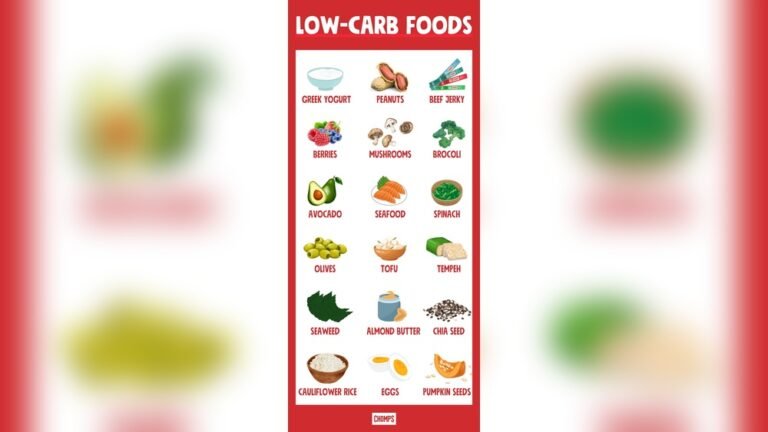
Are you looking to feel more energetic and shed some extra pounds without giving up tasty meals? Choosing foods with less carbohydrates might be the simple change your body needs.
Cutting back on carbs can help control your blood sugar, reduce cravings, and boost your overall health. You’ll discover easy and delicious low-carb foods that fit perfectly into your daily routine. Keep reading to find out how small tweaks to your diet can lead to big results for your body and mind.

Credit: www.thelittlepine.com
Benefits Of Low-carb Diets
Low-carb diets focus on reducing carbohydrate intake and increasing protein and fat. This change affects the body in many positive ways. People often choose low-carb foods to improve health and manage weight. The benefits go beyond just losing pounds. They also include better blood sugar control and heart health.
Impact On Weight Loss
Cutting carbs helps the body burn stored fat for energy. This process can lead to faster weight loss. Low-carb diets reduce hunger and cravings. Eating fewer carbs lowers insulin levels, which helps fat burning. Many find it easier to stick to low-carb eating than other diets.
Effect On Blood Sugar
Reducing carbs stabilizes blood sugar levels. This is especially helpful for people with diabetes or insulin resistance. Low-carb diets lower spikes in blood sugar after meals. Better blood sugar control reduces the risk of complications. It also helps maintain steady energy throughout the day.
Improved Heart Health
Low-carb eating can improve heart health markers. It often lowers bad cholesterol (LDL) and raises good cholesterol (HDL). Blood pressure may also decrease on low-carb diets. Reducing carbs helps lower triglyceride levels in the blood. These changes reduce the risk of heart disease and stroke.
Best Low-carb Vegetables
Choosing the right vegetables is key for a low-carb diet. Vegetables low in carbohydrates help keep blood sugar steady. They also provide fiber, vitamins, and minerals your body needs.
Some vegetables have very few carbs but high nutrients. These are the best options to enjoy tasty and healthy meals.
Leafy Greens
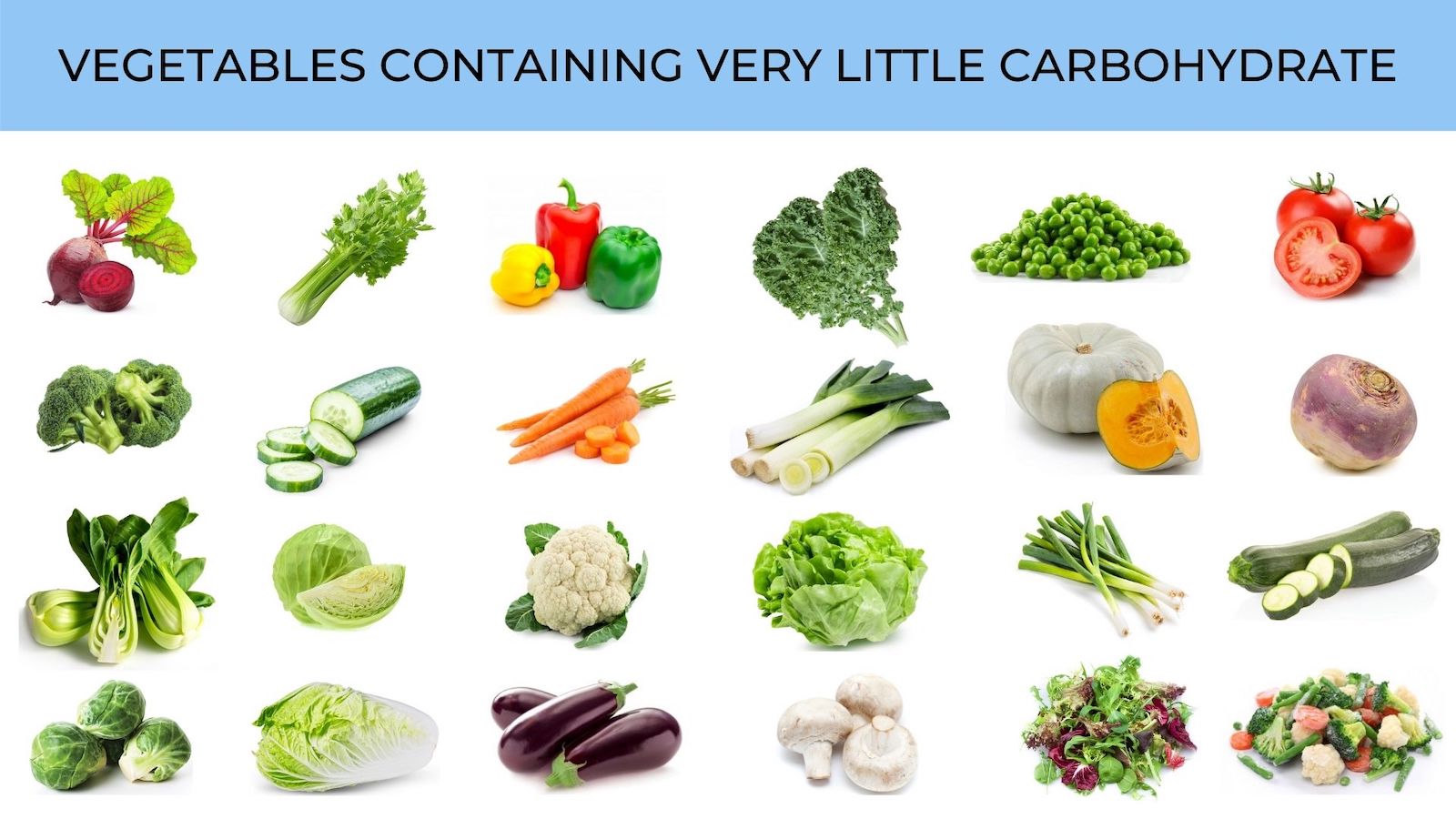
Leafy greens like spinach, kale, and lettuce have very low carbs. They add volume and nutrients to any meal. Rich in fiber, they help digestion and keep you full longer. These greens are easy to cook or eat raw in salads.
Cruciferous Choices
Broccoli, cauliflower, and Brussels sprouts are excellent low-carb vegetables. They contain antioxidants and vitamins that support health. These veggies can be steamed, roasted, or added to soups. Their crunchy texture adds variety to your dishes.
Other Nutrient-rich Veggies
Zucchini, cucumbers, and bell peppers have fewer carbs and plenty of vitamins. Zucchini is great for making noodles or stir-fries. Cucumbers refresh salads and snacks with their crunch. Bell peppers bring color and sweetness without extra carbs.
Top Protein Sources
Protein plays a key role in a low-carb diet. It helps keep you full and supports muscle health. Choosing the right protein sources can make your meals tasty and nutritious. Here are some top options to consider.
Lean Meats
Lean meats provide high protein with fewer carbs. Chicken breast, turkey, and lean cuts of beef are great choices. They are easy to cook and fit well in many recipes. These meats also offer important vitamins and minerals.
Seafood Options
Seafood is rich in protein and low in carbohydrates. Fish like salmon, tuna, and cod provide omega-3 fats too. Shrimp and crab are tasty and quick to prepare. Including seafood adds variety and health benefits to your diet.
Plant-based Proteins
Plant proteins are excellent for those reducing carbs. Beans, lentils, and chickpeas contain protein and fiber. Tofu and tempeh are also good sources with low carbs. These options suit vegetarians and anyone wanting more plant foods.
Healthy Fats To Include
Healthy fats play an important role in a low carbohydrate diet. They help keep you full and provide energy. Choosing the right fats supports heart health and brain function. Including these fats can improve your overall well-being.
Avocados And Nuts
Avocados are rich in monounsaturated fats. These fats can lower bad cholesterol and raise good cholesterol. They also contain fiber, vitamins, and minerals. Nuts like almonds, walnuts, and pistachios offer healthy fats too. They make great snacks and add crunch to meals.
Olive Oil Benefits
Olive oil is a staple in many healthy diets. It contains antioxidants and monounsaturated fats. These fats reduce inflammation and protect the heart. Use olive oil for cooking or salad dressings. It adds flavor and health benefits to your food.
Fatty Fish
Fatty fish such as salmon, mackerel, and sardines are excellent sources of omega-3 fats. Omega-3s support brain health and reduce inflammation. Eating fatty fish twice a week helps maintain a balanced diet. These fish are delicious and easy to prepare.
Low-carb Fruits To Enjoy
Choosing fruits with low carbohydrates helps maintain energy without spiking blood sugar. These fruits offer vitamins, minerals, and fiber with fewer carbs. They fit well into a low-carb eating plan and keep your diet balanced and tasty.
Berries
Berries are small but powerful low-carb fruits. Strawberries, blueberries, raspberries, and blackberries have fewer sugars than many other fruits. They provide antioxidants and fiber that support digestion and health. Enjoy a handful as a snack or add them to yogurt or salads.
Citrus Fruits
Citrus fruits like lemons, limes, and small oranges have moderate carbs. They add bright flavor without many calories. Lemons and limes can be used to enhance water or dishes. Oranges, eaten in small portions, provide vitamin C and refresh your palate.
Other Low-sugar Options
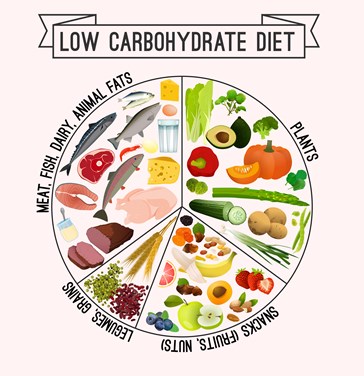
Avocados and tomatoes are fruits with very low carbs. Avocados offer healthy fats and fiber, making you feel full longer. Tomatoes have antioxidants and a mild sweetness. Both work well in salads, salsas, or as snacks. These choices keep your fruit intake varied and low in sugar.
Credit: www.knowdiabetes.org.uk
Common Low-carb Snacks
Choosing snacks low in carbohydrates helps maintain energy and supports weight management. Many tasty options fit a low-carb lifestyle without feeling like a sacrifice. These snacks keep blood sugar stable and help you avoid hunger between meals.
Here are some common low-carb snacks you can enjoy anytime. They are easy to prepare and satisfy different cravings.
Nuts And Seeds
Nuts and seeds offer healthy fats and protein with low carbs. Almonds, walnuts, and pecans are popular choices. Sunflower and pumpkin seeds add crunch and nutrients. These snacks are easy to carry and store. A small handful can curb hunger quickly.
Cheese And Dairy
Cheese and dairy provide rich flavors and essential nutrients. String cheese or cheese cubes work well for snacking. Greek yogurt and cottage cheese are creamy options. Choose full-fat versions for fewer carbs. These snacks keep you full longer and taste great.
Vegetable-based Snacks
Vegetables are naturally low in carbs and high in fiber. Sliced cucumbers, celery sticks, and bell peppers are crisp and fresh. Pair with a low-carb dip like guacamole or cream cheese. Roasted seaweed snacks also add variety. These options are light, refreshing, and nutritious.
Tips For Maintaining Low-carb Habits
Maintaining low-carb habits can feel challenging at first. Simple tips help make this easier and keep you on track. Small changes create big results over time.
Focus on planning meals, understanding food labels, and controlling cravings. These steps build strong habits and support your low-carb lifestyle.
Meal Planning Ideas
Plan meals ahead to avoid last-minute carb choices. Choose proteins like chicken, fish, or eggs. Add plenty of vegetables for fiber and vitamins. Use healthy fats like olive oil or avocado. Prepare snacks like nuts or cheese to stay full between meals. Keep meals simple and repeat favorites to save time.
Reading Food Labels
Check labels for total carbs and fiber content. Look for hidden sugars under names like maltose or dextrose. Choose foods with low net carbs by subtracting fiber from total carbs. Watch serving sizes to avoid eating extra carbs. Avoid processed foods with many additives and fillers.
Managing Cravings
Drink water to reduce hunger signals. Eat protein-rich snacks to stay satisfied longer. Distract yourself with activities when cravings hit. Use spices and herbs to make meals tasty and exciting. Remember, cravings pass quickly if you wait them out.
Credit: www.myhealthexplained.com
Conclusion
Choosing foods with fewer carbohydrates can help maintain better health. These foods often provide steady energy without causing sugar spikes. Eating less carb-rich food supports weight control and improves digestion. Simple swaps, like vegetables and lean proteins, make meals balanced and tasty.
Small changes lead to lasting habits and better well-being. Try to enjoy a variety of low-carb options every day. Your body will thank you for it.