

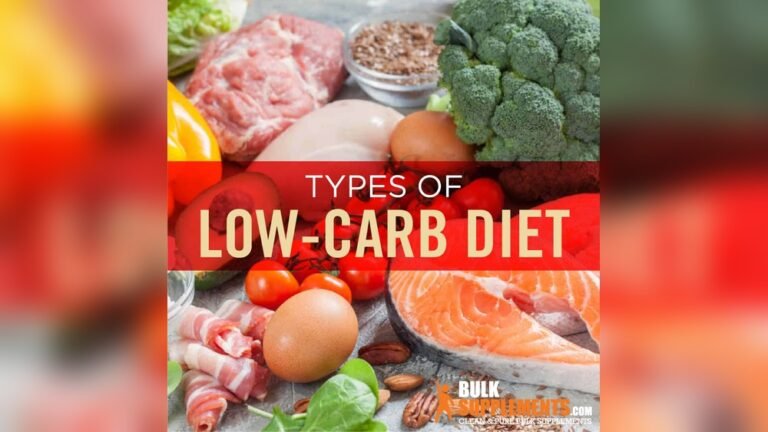
Are you curious about what a low carb diet really means and how it can impact your health? Understanding the low carb diet definition is the first step toward making smarter food choices that could help you feel more energetic and even shed unwanted pounds.
This guide will break down the basics in simple terms, so you know exactly what to expect and how to get started. Keep reading, and you’ll discover how cutting carbs might just be the change your body needs.
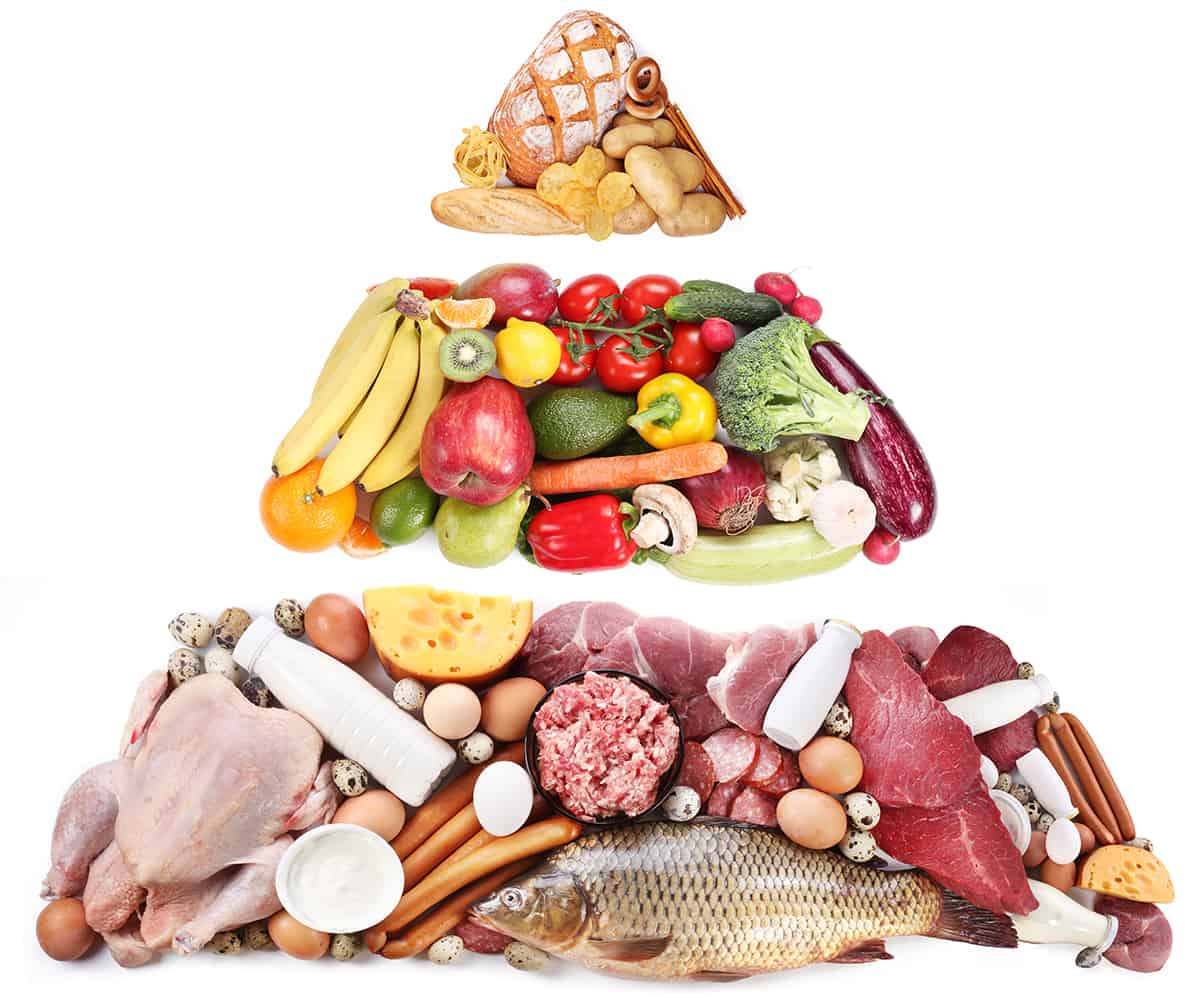
Credit: lowcarbaction.org
Low Carb Diet Basics
Understanding the basics of a low carb diet helps you make smart food choices. It means eating fewer carbohydrates and focusing on proteins and fats. This way of eating can support weight loss and improve health.
What Is A Low Carb Diet
A low carb diet limits foods like bread, pasta, and sugar. It encourages eating meat, fish, eggs, and vegetables. The goal is to reduce carb intake to lower blood sugar and insulin levels.
Types Of Low Carb Diets
There are different kinds of low carb diets. The ketogenic diet is very low in carbs and high in fat. The Atkins diet starts low in carbs and slowly adds more. The Paleo diet focuses on natural, unprocessed foods with fewer carbs.
How Low Carb Diets Work
Low carb diets help your body burn fat for energy. With fewer carbs, the body uses stored fat instead of sugar. This can lead to weight loss and better control of hunger. It also helps balance blood sugar levels and reduce cravings.
Benefits For Weight Loss
The low carb diet offers clear benefits for weight loss. It helps reduce fat and keeps hunger in check. Many people find it easier to lose weight and maintain it with this approach.
By cutting carbs, the body uses stored fat for energy. This process supports steady weight loss. The diet also affects metabolism and appetite, making weight control simpler.
Fat Burning Mechanisms
Low carb diets lower insulin levels in the body. Insulin stores fat, so less insulin means more fat burns. The body shifts from using sugar to using fat for fuel. This change helps burn stored fat faster and more efficiently.
Appetite Control
Eating fewer carbs reduces hunger and cravings. Protein and fats keep you full longer. This lowers calorie intake without feeling hungry. People often eat less naturally on low carb diets.
Improved Metabolism
Low carb diets can boost metabolism slightly. The body uses more energy to digest protein and fat. This means more calories burn throughout the day. A faster metabolism supports ongoing weight loss.
Health Advantages Beyond Weight
Choosing a low carb diet offers more than just weight loss. It supports many parts of your health. This diet can help balance your body in surprising ways. Understanding these benefits shows why many people try it.
Blood Sugar Regulation
Low carb diets help control blood sugar levels. Eating fewer carbs means less sugar enters your blood. This reduces spikes and crashes in energy. It helps people with diabetes manage their condition better. Stable blood sugar also lowers risks of future health problems.
Heart Health
Cutting carbs can improve heart health. It may lower bad cholesterol and raise good cholesterol. This balance supports cleaner blood vessels. Blood pressure often decreases on a low carb diet. These changes reduce the chance of heart disease.
Mental Clarity
Many report clearer thinking on low carb diets. Steady blood sugar helps the brain work well. No more energy crashes that cause foggy thoughts. This diet also supports mood stability. Feeling sharp and focused becomes easier every day.
Credit: www.mdpi.com
Foods To Eat And Avoid
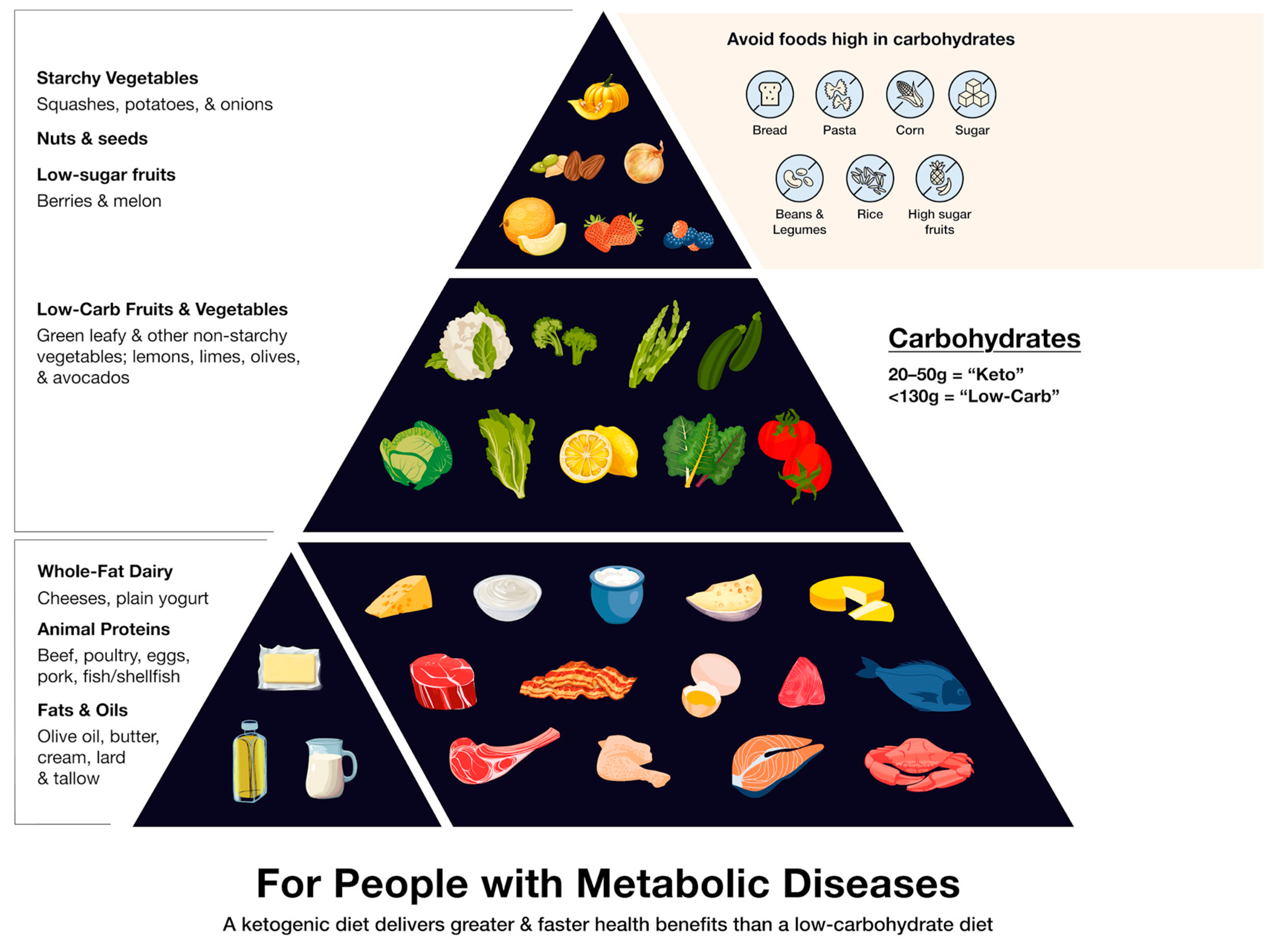
Choosing the right foods is key to a successful low carb diet. Knowing what to eat and what to avoid helps your body burn fat for energy. This section guides you through best foods to include and those to limit. Simple tips for meal planning make sticking to your diet easier.
Best Low Carb Foods
Focus on whole, fresh foods with few carbs. Vegetables like spinach, broccoli, and cauliflower are great choices. Eggs and lean meats provide protein without many carbs. Fish such as salmon and tuna offer healthy fats. Nuts and seeds make good snacks in small amounts. Cheese and plain yogurt add flavor and nutrients without many carbs.
Foods To Limit
Cut back on sugary foods like candy, soda, and sweets. Bread, pasta, and rice are high in carbs and should be avoided. Starchy vegetables like potatoes and corn contain many carbs. Limit fruit intake to berries, as most fruits have more sugar. Avoid processed snacks and fast food, as they often contain hidden carbs and unhealthy fats.
Meal Planning Tips
Plan meals around protein and low carb vegetables. Prepare snacks like nuts or cheese to avoid hunger. Cook in batches to save time during the week. Use herbs and spices to add flavor without carbs. Drink plenty of water to stay hydrated and support digestion.
Common Challenges
Starting a low carb diet can bring many challenges. Many find it hard to adjust to new eating habits. Common problems include cravings, nutrient balance, and feeling unwell. Understanding these issues helps you handle them better. Let’s explore these common challenges closely.
Dealing With Carb Cravings
Cravings for bread, pasta, or sweets often hit hard. These urges come from years of eating carbs. To reduce cravings, try eating more protein and healthy fats. Drinking water and staying busy can also help. Small snacks like nuts or cheese curb hunger and cravings.
Managing Nutrient Intake
Cutting carbs means fewer fruits, grains, and some vegetables. This can lower fiber, vitamins, and minerals in your diet. Eat plenty of leafy greens, nuts, and seeds to stay healthy. Consider a multivitamin if your doctor agrees. Balance is key to avoid nutrient gaps.
Avoiding The Keto Flu
The keto flu happens during the first days of low carb eating. Symptoms include tiredness, headache, and dizziness. It occurs as your body adjusts to burning fat for energy. Drink plenty of water and add salt to meals. Rest and light exercise can ease these symptoms.
Success Tips For Long-term Results
Success on a low carb diet takes more than just cutting carbs. It needs focus, good habits, and patience. Small changes can lead to big results over time. Keeping a few key tips in mind helps maintain progress and stay healthy.
These tips support a steady journey. They make it easier to keep going and reach your health goals.
Tracking Progress
Write down what you eat every day. This helps you see your carb intake clearly. Use a notebook or an app to track meals and snacks. Watching your progress keeps you aware and in control.
Check your weight and measurements regularly. These numbers show real changes beyond the scale. Celebrate small wins to stay encouraged.
Incorporating Exercise
Exercise helps burn extra calories and boosts energy. Start with simple activities like walking or cycling. Aim for at least 30 minutes most days. Exercise improves mood and supports weight loss.
Try strength training twice a week. Building muscle helps burn fat even when resting. Find activities you enjoy to make exercise a habit.
Staying Motivated
Set clear and simple goals. Focus on one step at a time. Remind yourself why you chose this diet. Write down your reasons and read them often.
Join a group or talk with friends who share your goals. Support makes challenges easier to handle. Keep your mindset positive and patient with yourself.
Credit: www.mdpi.com
Conclusion
A low carb diet limits sugar and starch in your meals. It helps control blood sugar and may aid weight loss. Many find it easier to stay full with more protein and fat. This diet fits different lifestyles and food choices.
Remember to choose healthy foods for best results. Always listen to your body and adjust as needed. A low carb diet can be a simple way to improve health. Try it step by step and see how you feel.