

Are you struggling to balance your low carb diet with enough fiber? You’re not alone.
Many people find it hard to get enough fiber while cutting carbs, but fiber is crucial for your digestion, energy, and overall health. What if you could enjoy the benefits of a low carb lifestyle without missing out on fiber?
This article will show you simple, effective ways to boost your fiber intake and feel better every day. Keep reading to discover easy tips that fit perfectly into your low carb plan.
Credit: thegeriatricdietitian.com
Benefits Of Fiber On Low Carb Diet
Fiber plays a key role in a low carb diet. It helps keep the body healthy and supports many important functions. Eating enough fiber can make the diet easier and more effective.
Fiber comes from plants and is not digested by the body. It helps with digestion, weight control, and blood sugar levels. Including fiber on a low carb diet leads to better health results.
Improving Digestive Health
Fiber helps food move smoothly through the digestive system. It prevents constipation and bloating. A healthy gut reduces stomach discomfort and supports nutrient absorption.
Low carb diets may reduce some fiber sources. Choosing fiber-rich vegetables helps maintain good digestion. This keeps the stomach happy and working well.
Supporting Weight Loss
Fiber makes you feel full longer. This reduces hunger and lowers calorie intake naturally. Feeling satisfied helps control snacking and overeating.
Fiber also slows digestion, which balances energy release. This steady energy helps avoid sudden hunger or cravings. It supports steady weight loss on a low carb plan.
Balancing Blood Sugar
Fiber slows sugar absorption into the bloodstream. This helps avoid blood sugar spikes and crashes. Stable blood sugar gives steady energy throughout the day.
Many low carb foods with fiber help keep blood sugar balanced. This is important for people with diabetes or insulin resistance. Balanced blood sugar supports overall health and energy.
:max_bytes(150000):strip_icc()/Health-GettyImages-HighFiberLowCarb-fecdc4c1a1344d4cb69fefb6092271b4.jpg)
Credit: www.health.com
Types Of Fiber Suitable For Low Carb
Fiber is important on a low carb diet. It helps digestion and keeps you full. Not all fibers are the same. Some fit better in low carb eating plans. Knowing the right types of fiber can improve your diet and health.
Soluble Fiber Sources
Soluble fiber dissolves in water. It forms a gel that slows digestion. This helps control blood sugar and cholesterol. Good sources include oats, flaxseeds, and chia seeds. These are low in net carbs and high in fiber. You can add them easily to meals and snacks.
Insoluble Fiber Sources
Insoluble fiber does not dissolve in water. It adds bulk to stool and helps bowel movements. Vegetables like broccoli, cauliflower, and green beans are rich in this fiber. They have few carbs but high fiber content. Eating these vegetables supports digestion and keeps you regular.
Prebiotic Fibers
Prebiotic fibers feed good gut bacteria. They improve gut health and immunity. Examples include inulin and resistant starch. Foods like garlic, onions, and asparagus contain prebiotic fibers. These foods are low in net carbs and support a healthy gut environment.
Top Low Carb High-fiber Foods
Choosing foods that are low in carbs but high in fiber helps keep your diet balanced and healthy. Fiber supports digestion and keeps you feeling full longer. Many foods fit well in a low carb diet while providing good fiber amounts.
Leafy Greens And Vegetables
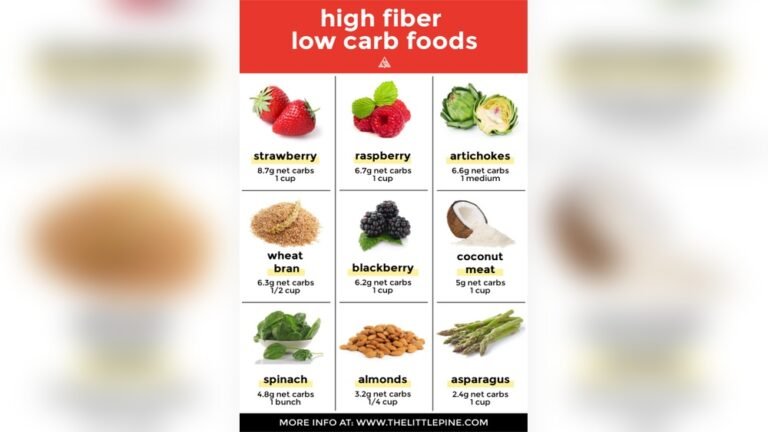
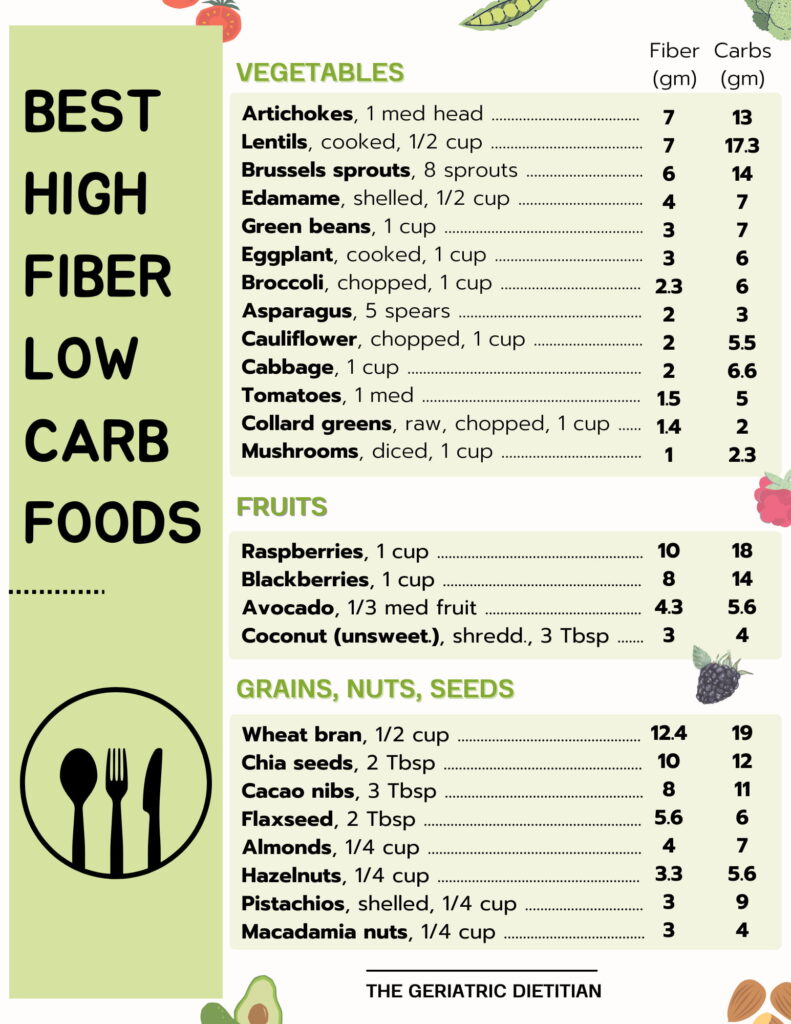
Leafy greens like spinach, kale, and lettuce are low in carbs and high in fiber. They add bulk to meals without extra calories. Vegetables such as broccoli, cauliflower, and zucchini also offer fiber and nutrients. These foods support gut health and help control blood sugar.
Nuts And Seeds
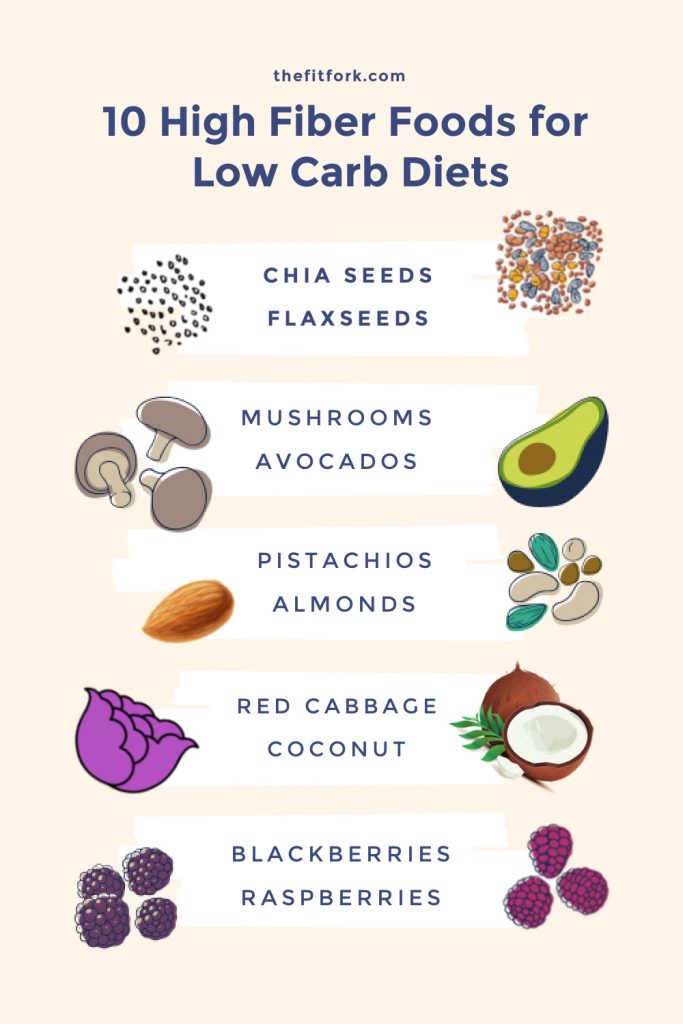
Nuts like almonds, walnuts, and pecans provide fiber and healthy fats. Seeds such as chia, flax, and pumpkin seeds are excellent fiber sources too. They make great snacks or salad toppings. Nuts and seeds help maintain energy and keep hunger away.
Berries And Low Carb Fruits
Berries including strawberries, raspberries, and blackberries contain fiber with fewer carbs. These fruits offer vitamins and antioxidants. Small portions fit perfectly into a low carb diet. They satisfy sweet cravings while adding fiber to your meals.
Tips To Increase Fiber Intake
Increasing fiber intake on a low carb diet can be challenging. Many low carb foods lack fiber. Yet, fiber is important for digestion and overall health. Small changes can boost your fiber daily. Try these simple tips to add more fiber without raising carbs too much.
Incorporate Fiber-rich Snacks
Choose snacks that provide fiber but stay low in carbs. Nuts like almonds and walnuts offer fiber and healthy fats. Seeds such as chia, flax, and pumpkin seeds are good options. Veggie sticks like celery or cucumber with a fiber-rich dip also help. These snacks support digestion and keep you full longer.
Use Fiber Supplements Wisely
Fiber supplements can fill gaps in your diet. Psyllium husk and inulin powder are common choices. Start with a small dose to avoid stomach discomfort. Mix supplements into water or smoothies. Supplements should not replace whole foods but help meet fiber goals safely.
Hydration And Fiber
Drink plenty of water when increasing fiber. Fiber absorbs water and expands in your gut. Without enough fluids, fiber can cause constipation. Aim for at least eight glasses of water daily. Proper hydration helps fiber move smoothly through your digestive system.
Common Fiber Mistakes On Low Carb
Many people on a low carb diet forget about fiber. This causes common problems that affect digestion and health. Understanding these mistakes helps keep the diet balanced and safe.
Ignoring Fiber Needs
Low carb does not mean no fiber. Fiber is important for digestion and feeling full. Skipping fiber can cause constipation and slow metabolism. Choose low carb vegetables and seeds to get enough fiber.
Overconsumption Risks
Eating too much fiber suddenly can upset your stomach. It may cause bloating and gas. Increase fiber intake slowly to let your body adjust. Balance fiber with other nutrients for better digestion.
Not Drinking Enough Water
Fiber works best with plenty of water. Without water, fiber can cause constipation. Drink enough fluids every day to help fiber move through your system. Water supports digestion and overall health on low carb.
Monitoring Digestive Response
Monitoring your digestive response is key when following a low carb diet rich in fiber. Fiber affects digestion and bowel habits. Paying attention to your body helps you adjust your diet for comfort and health.
Small changes in fiber intake can cause big differences in digestion. Tracking your body’s reactions helps prevent problems like bloating or constipation. Understanding how fiber works in your body improves your diet’s effectiveness.
Tracking Bowel Movements
Keep a simple log of your bowel movements each day. Note frequency, consistency, and any discomfort. This helps spot patterns linked to fiber intake. Regular bowel habits usually mean your fiber balance is right.
Adjusting Fiber Intake Gradually
Increase fiber slowly over several weeks. Sudden jumps may upset your stomach or cause gas. Gradual changes allow your digestive system to adapt. This approach reduces risks of digestive discomfort.
Identifying Food Sensitivities
Some fiber sources might trigger sensitivities or allergies. Watch for symptoms like cramps, diarrhea, or rashes after eating certain foods. Remove suspect items one at a time. This helps find foods your body does not tolerate well.
Credit: thefitfork.com
Conclusion
A low carb diet can still include plenty of fiber. Eating fiber helps with digestion and keeps you full longer. Choose vegetables, nuts, and seeds for natural fiber sources. Drink water to help fiber do its job well. Balance is key for good health and energy.
Small changes can make a big difference over time. Keep fiber in mind to support your low carb goals. Stay consistent, and your body will thank you.