

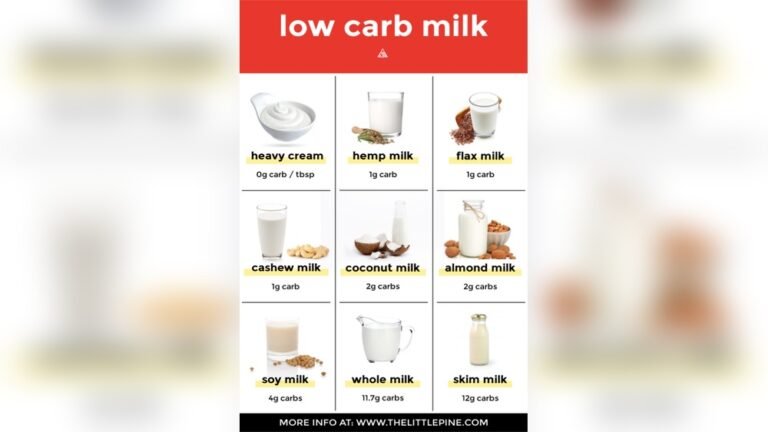
Are you struggling to find the right milk that fits your low carb diet? Choosing the perfect milk can be tricky when you’re watching your carbs, but it doesn’t have to be.
Imagine enjoying your coffee or smoothie without worrying about hidden sugars or extra carbs sneaking in. You’ll discover which types of milk help keep your carb count low while still tasting great. Keep reading, and you’ll learn how to make smarter milk choices that support your health goals without sacrificing flavor.
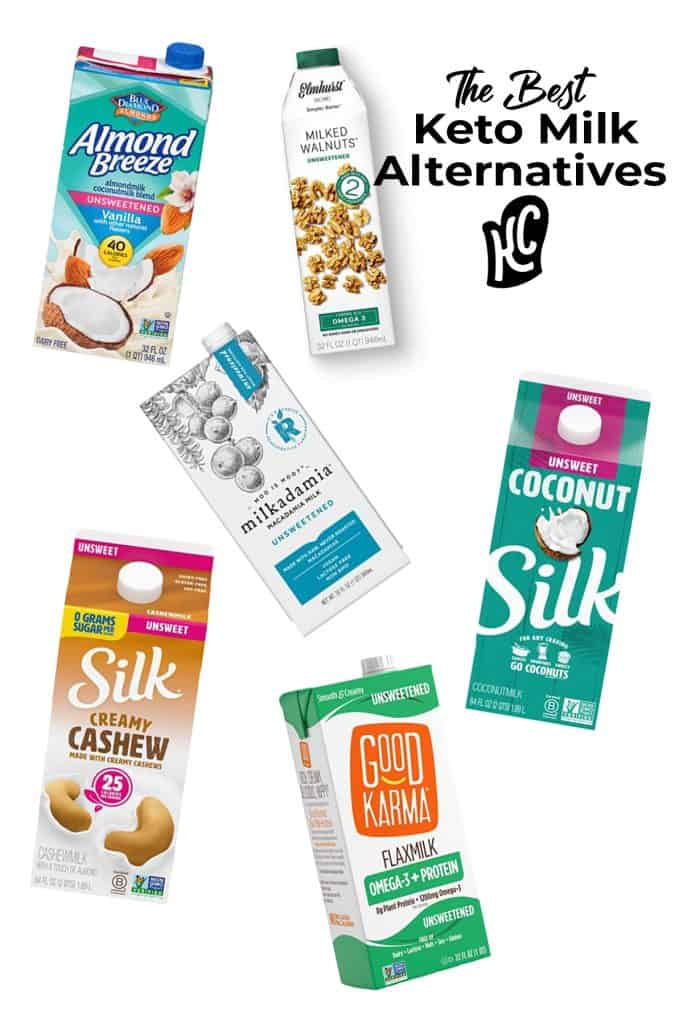
Credit: dev.ketoconnect.net
Benefits Of Low Carb Milk
Low carb milk offers several benefits for those who want to maintain a healthy lifestyle. It contains fewer sugars and carbohydrates than regular milk. This makes it a great choice for people managing their weight or blood sugar levels. Low carb milk also provides essential nutrients without adding extra carbs.
Impact On Weight Loss
Low carb milk helps reduce daily carbohydrate intake. Lower carbs can support fat burning and reduce hunger. It keeps calorie intake in check, aiding weight loss efforts. Drinking low carb milk can make dieting easier and more effective.
Effects On Blood Sugar
Low carb milk causes smaller blood sugar spikes. It helps keep blood sugar levels stable after meals. This can lower the risk of insulin resistance and type 2 diabetes. People with diabetes may find it easier to control their sugar levels.
Nutritional Value
Low carb milk still provides protein, calcium, and vitamins. It supports bone health and muscle repair. Many low carb milk options are fortified with extra nutrients. This makes it a balanced choice for daily nutrition.
Types Of Low Carb Milk
Low carb diet milk offers many options for healthy eating. These milks have fewer carbs than regular milk. They suit people who want to reduce sugar and carbs. Each type has unique taste and benefits. Choosing the right one depends on your preference and diet needs.
Here are some popular types of low carb milk you can try. They are easy to find and use in many recipes.
Almond Milk
Almond milk is made from ground almonds and water. It has a light, nutty flavor. It contains very few carbs, usually less than 2 grams per cup. Almond milk is rich in vitamin E. It is also low in calories and sugar-free if unsweetened.
Coconut Milk
Coconut milk comes from the white flesh of coconuts. It has a creamy texture and tropical taste. This milk is low in carbs and high in healthy fats. It works well in smoothies and cooking. Choose unsweetened versions to avoid extra sugars.
Cashew Milk
Cashew milk is made from blended cashews and water. It has a smooth, creamy taste. It contains about 1-2 grams of carbs per cup. Cashew milk is rich in vitamins and minerals. It is a good choice for coffee or cereal.
Flax Milk
Flax milk is made from flax seeds and water. It has a mild, slightly nutty flavor. It is very low in carbs, around 1 gram per cup. Flax milk is high in omega-3 fatty acids. It supports heart health and digestion.
Pea Milk
Pea milk is made from yellow peas and water. It has a creamy texture and neutral taste. Pea milk has about 1 gram of carbs per cup. It is rich in protein and iron. This milk is a good dairy-free option for many diets.
Comparing Low Carb Milk To Regular Milk
Choosing the right milk can affect your diet and health. Low carb milk offers a different nutritional profile than regular milk. Comparing these two helps you decide which fits your goals better. Here is a clear look at their differences in carbs, calories, and protein.
Carbohydrate Content
Regular milk contains natural sugars called lactose. These sugars add to the carbohydrate count. Low carb milk has fewer carbs, as it often removes or reduces lactose. This makes low carb milk a better option for those watching their carb intake. It can help keep blood sugar levels steady.
Calorie Differences
Calories in milk come from fat, carbs, and protein. Regular milk has more calories due to its higher sugar content. Low carb milk typically has fewer calories because it contains less sugar. Choosing low calorie milk supports weight management and energy control.
Protein Levels
Protein helps build muscle and keeps you full longer. Both low carb and regular milk provide a good amount of protein. The difference in protein content is usually small. Check labels to find a milk option that meets your protein needs.
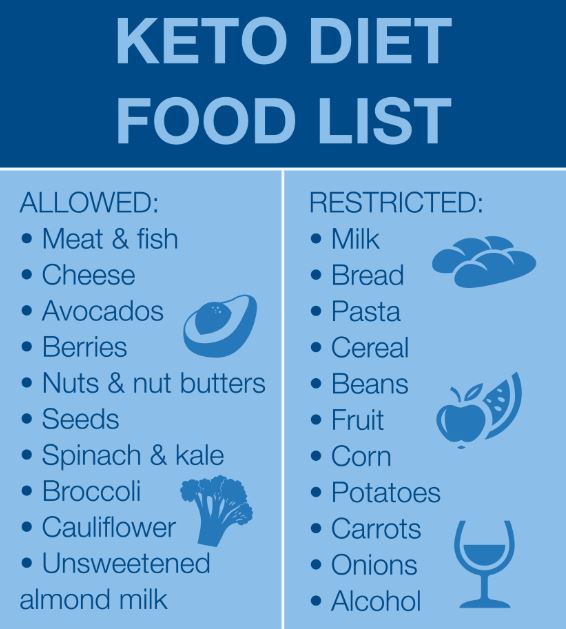
Credit: bestcare.org
How To Choose The Best Low Carb Milk
Choosing the best low carb milk can improve your diet and health. Many types of low carb milk exist, each with different benefits. Picking the right one depends on your needs and taste. This guide helps you find a milk that fits your lifestyle and preferences.
Checking Ingredients
Read the ingredient list carefully. Avoid milks with many added chemicals or fillers. Look for simple ingredients like water, milk solids, or nuts. The fewer the ingredients, the better. This helps keep your carb intake low and your diet clean.
Sugar And Additives
Check the sugar content on the label. Choose milk with little or no added sugar. Some low carb milks add sweeteners that can increase carbs. Watch for additives like thickeners or preservatives. These can affect your health and the milk’s quality.
Taste And Texture Preferences
Taste differs between types of low carb milk. Some are creamy, others more watery. Try different brands to find what you like best. Texture matters too, especially for coffee or cereal. Pick a milk that feels good in your mouth and suits your meals.
Incorporating Low Carb Milk In Your Diet
Incorporating low carb milk into your diet helps reduce sugar intake. It supports weight management and steady energy levels. You can enjoy low carb milk in many daily meals and drinks. This makes it easy to stick to a low carb lifestyle without feeling deprived.
Smoothies And Shakes
Low carb milk works well in smoothies and shakes. It blends smoothly with fruits and protein powders. Use almond, coconut, or macadamia milk for fewer carbs. These options keep your drink creamy without extra sugar. Perfect for a quick breakfast or post-workout snack.
Coffee And Tea Alternatives
Replace regular milk with low carb milk in coffee and tea. It adds creaminess without raising carb count. Coconut milk gives a rich, tropical flavor. Almond milk offers a light, nutty taste. Both keep your hot drinks low in carbs and delicious.
Cooking And Baking Uses
Low carb milk fits well in cooking and baking recipes. Use it in sauces, soups, and casseroles for creaminess. Swap it in cakes, muffins, and pancakes to cut carbs. Choose unsweetened varieties to avoid hidden sugars. This helps keep your meals tasty and low carb.
Potential Drawbacks Of Low Carb Milk
Low carb milk offers benefits but also some drawbacks. It may not suit everyone’s needs or health conditions. Understanding these potential issues can help make better choices.
Allergies And Sensitivities
Some people may react to ingredients in low carb milk. Dairy-based options can trigger lactose intolerance or milk allergies. Plant-based low carb milks may contain nuts or soy, causing reactions in sensitive individuals. Always check labels for allergens before buying.
Nutrient Deficiencies
Low carb milk often has fewer vitamins and minerals than regular milk. It may lack calcium, vitamin D, and protein. People relying on it alone might miss important nutrients. Supplementing with other foods or vitamins is important for a balanced diet.
Cost Considerations
Low carb milk usually costs more than regular milk. Specialty ingredients and processing raise the price. This can be a problem for families on a budget. Buying in bulk or choosing store brands can help reduce costs.
Tips For Maximizing Health Benefits
Maximizing the health benefits of a low carb diet milk requires some simple but effective habits. These habits help your body absorb nutrients better and support your overall health.
Here are some key tips to get the most out of low carb diet milk.
Combining With Balanced Diet
Low carb diet milk works best with a balanced diet. Include plenty of vegetables, lean proteins, and healthy fats. This mix gives your body all needed nutrients. Avoid relying only on low carb milk for nutrition. Variety in food supports better health and energy.
Monitoring Portion Sizes
Watch your portion sizes when drinking low carb diet milk. Drinking too much can add extra calories. Use recommended serving sizes to control intake. Small portions keep your diet on track and help maintain weight. Balance is key to success.
Staying Hydrated
Drinking enough water is important with low carb diet milk. Water helps digestion and keeps your body working well. Aim to drink at least eight glasses of water daily. Hydration supports energy and helps flush out toxins. Combine water with low carb milk for better results.

Credit: pumpingmamas.com
Conclusion
Choosing the right milk can support your low carb diet goals. Many options offer low carbs without losing taste. Almond milk, coconut milk, and unsweetened dairy milk are good choices. Reading labels helps you avoid extra sugars. Staying aware of carb content keeps your diet on track.
Small changes add up over time. Enjoy your meals with milk that fits your lifestyle. Keep it simple and healthy. Your body will thank you.