

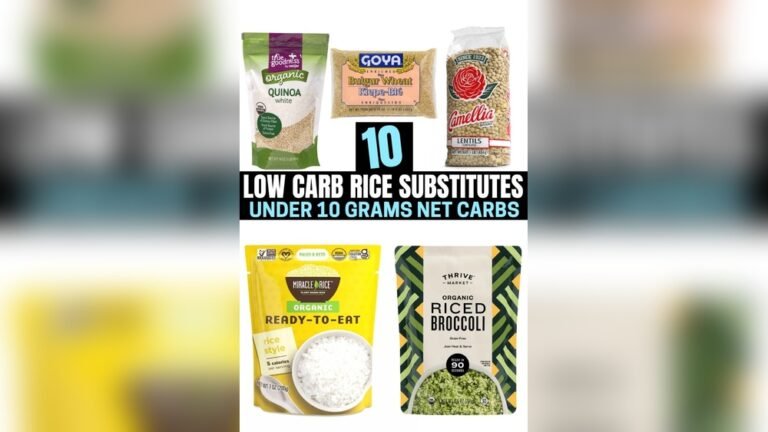
If you’re trying to cut carbs but can’t imagine your meals without rice, you’re not alone. Rice is a staple in many dishes, but its high carb content can get in the way of your low-carb goals.
The good news? You don’t have to give up your favorite recipes. There are smart, tasty rice substitutes that fit perfectly into a low-carb diet. Whether you want something veggie-based like cauliflower rice or a unique option like shirataki rice, these alternatives can satisfy your cravings without the carb overload.
Ready to discover the best low-carb rice substitutes that will keep your meals delicious and your diet on track? Keep reading to find out which options work for you and how to use them.
Vegetable-based Rice Alternatives
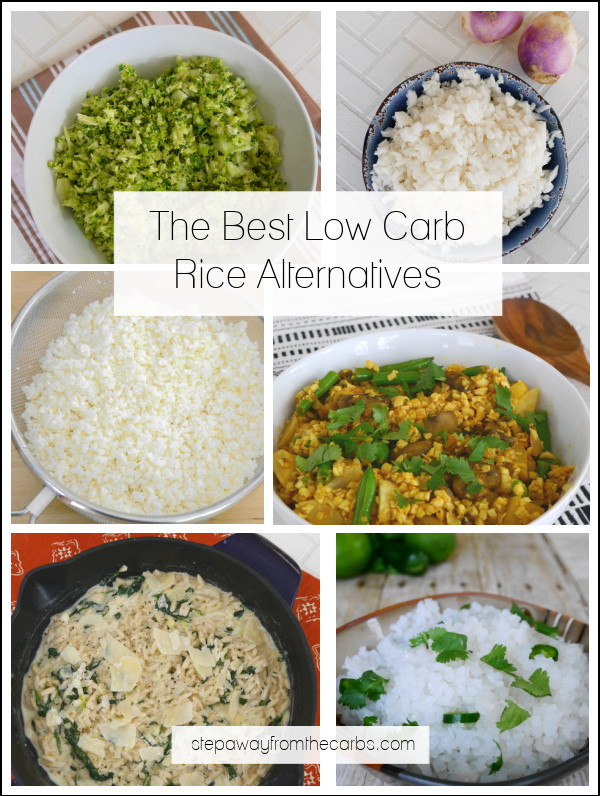
Vegetable-based rice alternatives offer a simple way to enjoy low-carb meals. These substitutes mimic the texture of rice while cutting down carbohydrates. They also add vitamins, minerals, and fiber to your diet. Using vegetables like cauliflower, broccoli, zucchini, and cabbage provides variety and taste without extra carbs.
Cauliflower Rice Benefits
Cauliflower rice is very low in calories and carbs. It cooks quickly and absorbs flavors well. This alternative is rich in vitamin C and antioxidants. It supports digestion with its fiber content. Cauliflower rice suits many dishes, from stir-fries to salads.
Broccoli Rice Nutrition
Broccoli rice contains important nutrients like vitamin K and folate. It is high in fiber, helping with fullness and digestion. This vegetable also offers antioxidants that support health. Broccoli rice adds a slight crunch and fresh taste. It works well in soups and casseroles.
Zucchini Rice Uses
Zucchini rice is light and moist, perfect for low-carb meals. It has fewer calories and carbs than traditional rice. You can use it in stir-fries, stuffed peppers, or as a side dish. Zucchini adds fiber and vitamin A to your plate. Its mild flavor blends easily with many spices.
Cabbage Rice Preparation
Cabbage rice is easy to make by finely chopping or grating cabbage. It cooks fast and holds up well in cooked dishes. Cabbage rice offers vitamin C, fiber, and antioxidants. It pairs nicely with meats or vegetable stews. This alternative adds a subtle crunch and freshness to meals.
Credit: stepawayfromthecarbs.com
Shirataki Rice And Other Low-carb Options
Shirataki rice and other low-carb options offer great alternatives to traditional rice. These substitutes help reduce carbohydrate intake without losing the texture and feel of rice in meals. They suit people on low-carb or keto diets and those wanting to eat healthier. Below, learn more about shirataki rice and hemp seeds as rice substitutes.
Shirataki Rice Overview
Shirataki rice is made from konjac root, a plant native to Asia. It contains almost no calories and very few carbs. This makes it ideal for low-carb diets. The rice looks like small, translucent grains and has a slightly chewy texture. It absorbs flavors well, so it works in many dishes. Shirataki rice comes pre-cooked and ready to use. Rinse it before cooking to remove its natural odor. It is gluten-free and suitable for people with dietary restrictions.
Hemp Seeds As Substitute
Hemp seeds are another low-carb alternative to rice. They add a nutty flavor and crunch to meals. Rich in protein and healthy fats, hemp seeds support a balanced diet. Their texture differs from rice but works well in salads and bowls. They do not require cooking and are easy to add to many recipes. Hemp seeds also provide fiber, vitamins, and minerals. Use them as a rice substitute to boost nutrition and keep carbs low.
Grain-like Alternatives For Low-carb Diets
Grain-like alternatives offer variety for those on low-carb diets. They provide texture and taste similar to rice. These options contain more carbs than vegetable substitutes but less than white rice.
Choosing these grains in small amounts can fit well into a low-carb lifestyle. They also bring extra nutrients that vegetables may lack.
Barley In Moderation
Barley has a chewy texture and nutty flavor. It contains more carbs than vegetable rice substitutes. Eating barley in small portions keeps carb intake controlled. Barley offers fiber, which helps digestion and fullness.
Steel-cut Oats Benefits
Steel-cut oats are less processed than rolled oats. They provide more fiber and protein. Oats can keep blood sugar steady. Use them sparingly to avoid high carb counts. They add a hearty feel to meals.
Teff And Its Glycemic Index
Teff is an ancient grain with a low glycemic index. It causes slower rises in blood sugar. Teff contains important minerals like iron and calcium. It still has carbohydrates, so portion control is key. It adds a mild, nutty taste to dishes.
Cooking Tips For Rice Substitutes
Cooking rice substitutes for a low carb diet requires simple tips for best results. These alternatives cook differently than regular rice. They need unique handling to taste great and have the right texture. Follow easy tips to improve flavor and texture. Pair them well with your meals to enjoy healthy dishes.
Flavor Enhancements
Use herbs like parsley, cilantro, or basil to brighten taste. Add garlic or onion powder for a savory boost. A splash of lemon juice or vinegar adds freshness. Toasting substitutes lightly in a pan brings out nuttiness. Season with salt and pepper during cooking for better flavor.
Texture Adjustments
Drain excess water well to avoid sogginess. Cook substitutes on medium heat to keep firmness. Stir gently to prevent breaking apart. For firmer texture, cook for less time. For softer texture, add a little extra cooking time. Let substitutes rest covered for a few minutes after cooking.
Pairing With Meals
Serve cauliflower or broccoli rice with grilled meats or fish. Use zucchini rice in stir-fries or vegetable bowls. Shirataki rice pairs well with Asian sauces and spices. Add cabbage rice to soups or stews for extra crunch. Match substitutes with sauces and spices that complement their mild taste.
Managing Carb Intake With Substitutes
Managing carb intake with substitutes helps control blood sugar and supports weight goals. Swapping traditional rice with low-carb alternatives reduces daily carbohydrate load. These substitutes provide texture and flavor with fewer carbs. This approach fits well in low-carb or keto diets. Understanding portion sizes and combining substitutes can improve meal satisfaction and nutrient balance.
Portion Control Strategies
Portion control is key to managing carb intake with substitutes. Measure servings to avoid overeating. For example, keep cauliflower rice portions around one cup. Use smaller plates to reduce visual cues for large portions. Eat slowly to recognize fullness signals. Avoid second helpings unless truly hungry. Tracking portions helps maintain consistent carb limits daily.
Combining Substitutes Effectively
Mixing different substitutes can enhance taste and nutrition. Combine cauliflower rice with zucchini rice for variety. Add shirataki rice to increase fullness without extra carbs. Use hemp seeds for protein and healthy fats. Blending textures keeps meals interesting and satisfying. Mixing vegetables also boosts fiber and vitamins. This balance supports better digestion and energy levels.
:strip_icc()/rice-substitute-FINAL-1796f961b44243289bc43b52cae41f78.png)
Credit: www.bhg.com
Credit: www.ruled.me
Conclusion
Choosing the right low carb rice substitute can make meals tasty and healthy. Cauliflower rice and broccoli rice offer great flavors with fewer carbs. Shirataki rice provides a unique, low-calorie option for variety. Vegetable-based substitutes add fiber and nutrients to your dishes.
Grain-like options such as barley or teff can be used carefully in moderation. Experiment with these substitutes to find what suits your taste and lifestyle. Enjoy your meals without worrying about carbs or missing out on texture. Small changes can lead to big benefits in your diet.