

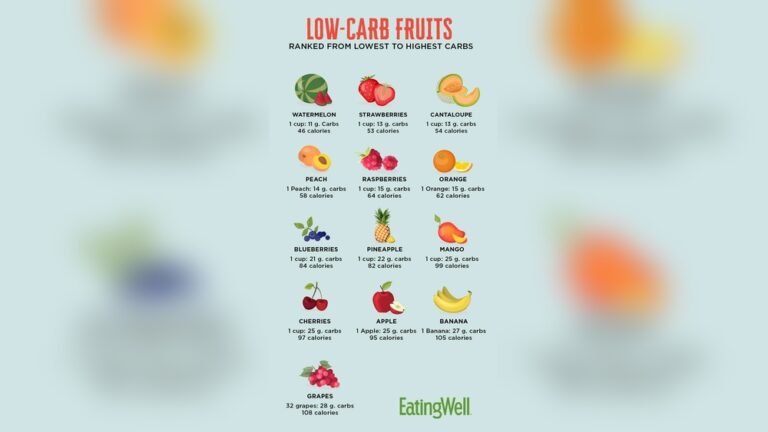
Are you looking to enjoy sweet, delicious fruits without worrying about your carb intake? Finding the right low carb fruits can be a game-changer for your diet and energy levels.
You’ll discover a carefully selected list of fruits that fit perfectly into a low carb lifestyle. Whether you want to lose weight, manage your blood sugar, or simply eat healthier, knowing which fruits to pick makes all the difference. Keep reading, and you’ll never have to give up on tasty treats again.
Benefits Of Low Carb Fruits
Low carb fruits offer many health benefits. They provide essential vitamins and minerals without too many sugars. These fruits fit well into low carb diets. They help maintain energy and support overall health.
Eating low carb fruits helps control blood sugar levels. This is important for people with diabetes or insulin resistance. These fruits also contain fiber, which aids digestion and keeps you full longer. The natural antioxidants found in them protect the body from damage and support the immune system.
Supports Weight Loss
Low carb fruits have fewer calories and sugars. They help reduce overall calorie intake. Eating these fruits can curb hunger and lower cravings. This supports steady and healthy weight loss.
Improves Blood Sugar Control
Low carb fruits cause less rise in blood sugar. They help keep insulin levels stable. This is helpful for managing diabetes and preventing spikes.
Boosts Digestive Health
Many low carb fruits are rich in fiber. Fiber promotes regular bowel movements. It also feeds good gut bacteria, improving digestion and gut health.
Provides Essential Nutrients
Low carb fruits offer vitamins like C and A. They supply minerals such as potassium and magnesium. These nutrients support heart and skin health.
Enhances Energy Levels
These fruits provide natural sugars in small amounts. This gives a steady energy release. It helps avoid energy crashes and keeps you active.
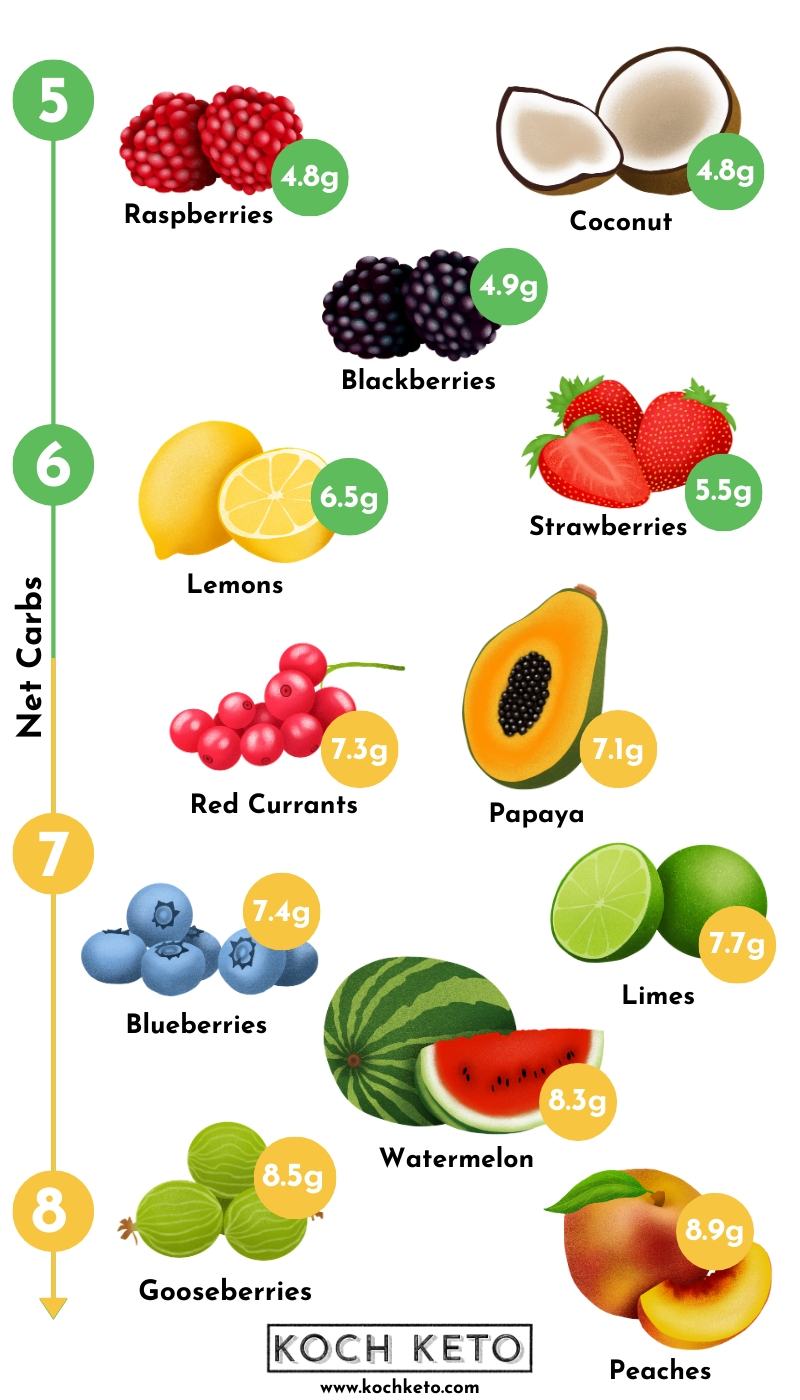
Credit: kochketo.com
Criteria For Low Carb Fruits
Low carb fruits have fewer sugars and carbs per serving. Choosing fruits with high fiber helps keep net carbs low. Small portions of these fruits fit well in low carb diets.
Carbohydrate Content
Low carb fruits have a small amount of carbohydrates. This helps control blood sugar levels. People on low carb diets choose fruits with fewer carbs. Typically, fruits with less than 10 grams of carbs per 100 grams fit the bill. Counting net carbs, which means total carbs minus fiber, is important. Fiber does not raise blood sugar.
Glycemic Index
The glycemic index shows how fast a fruit raises blood sugar. Low carb fruits have a low glycemic index. This means they release sugar slowly into the blood. Fruits with a glycemic index below 55 are good choices. They help avoid sudden blood sugar spikes.
Natural Sugar Level
Natural sugar is part of the carbohydrate in fruits. Low carb fruits have less natural sugar. This helps keep carb intake low. Fruits like berries and certain melons have less sugar. Choosing fruits with lower sugar supports weight management and energy balance.
Fiber Content
Fiber is a type of carbohydrate that the body cannot digest. High fiber fruits help lower the net carb count. Fiber aids digestion and keeps you full longer. Fruits with high fiber and low total carbs are ideal for low carb diets.
Portion Size
Portion size affects the total carb intake from fruit. Even low carb fruits can add up if eaten in large amounts. Measuring portions helps control carb intake. Small servings of low carb fruits fit better into daily limits.
Top Low Carb Berries
Berries are a great choice for a low carb diet. They contain fewer carbs than most fruits. Berries also offer many vitamins and antioxidants. These make them healthy and tasty options for snacking or adding to meals.
Below are some of the top low carb berries. Each type has its own unique flavor and carb count. Learn about strawberries, raspberries, blackberries, and blueberries.
Strawberries
Strawberries are sweet and juicy. One cup has about 8 grams of carbs. They contain fiber, vitamin C, and antioxidants. Strawberries work well in salads, desserts, or smoothies.
Raspberries
Raspberries have a tart taste and rich texture. One cup has only 7 grams of carbs. They are high in fiber, which helps digestion. Raspberries are perfect for snacks or topping yogurt.
Blackberries
Blackberries are dark and slightly tart. One cup contains 7 grams of carbs. They provide vitamin K and manganese. Blackberries can be eaten fresh or added to breakfast bowls.
Blueberries
Blueberries are sweet with a mild flavor. One cup has about 12 grams of carbs. They are rich in antioxidants and vitamins. Blueberries are popular in oatmeal, muffins, or on their own.
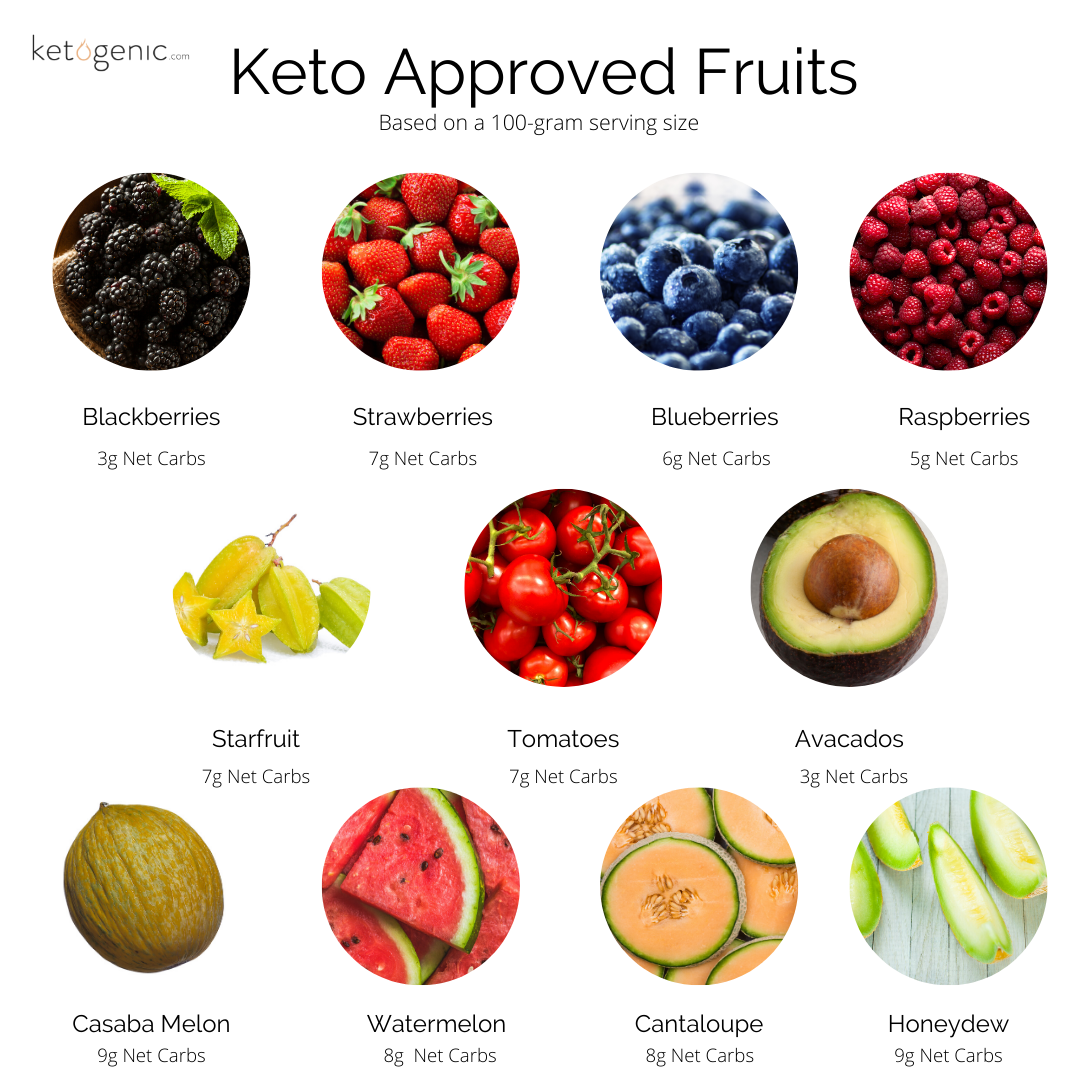
Credit: ketogenic.com
Low Carb Citrus Fruits
Citrus fruits are a great choice for a low carb diet. They add fresh and tangy flavors to meals without many carbs. These fruits offer vitamins and antioxidants that support health. Low carb citrus fruits fit well in salads, drinks, and snacks. They help keep carb intake low while providing natural sweetness.
Lemons
Lemons contain about 3 grams of net carbs per 100 grams. They are very low in calories and rich in vitamin C. Using lemon juice or zest adds brightness to dishes. Lemons work well in water, dressings, and seafood recipes. They help improve digestion and boost the immune system.
Limes
Limes have roughly 4 grams of net carbs per 100 grams. Their tart flavor is perfect for cooking and drinks. Lime juice enhances the taste of salads and grilled meats. These fruits also provide antioxidants and support skin health. Limes are easy to include in a low carb lifestyle.
Grapefruits
Grapefruits offer about 6 grams of net carbs per 100 grams. They are slightly higher in carbs but still suitable for many low carb plans. Grapefruits provide fiber, vitamin C, and potassium. Eating grapefruit can help with weight management and heart health. Their juicy segments make a refreshing snack or breakfast addition.
Other Low Carb Fruit Options
Low carb fruits are not just berries and melons. Some less common fruits fit well in a low carb diet. These fruits offer healthy fats and nutrients. They keep your carb intake low while providing flavor and variety.
Avocados
Avocados are rich in healthy fats and fiber. They contain very few net carbs. This fruit is creamy and versatile for many dishes. You can use avocados in salads, smoothies, or as a spread. They help you feel full longer.
Tomatoes
Tomatoes have a low carb count but high water content. They offer vitamins like C and K. Tomatoes add a fresh taste to salads and sauces. They work well cooked or raw. Their natural sweetness balances savory meals.
Olives
Olives are low in carbs and high in good fats. They come in many varieties and flavors. Olives are perfect for snacks or adding to recipes. They boost heart health and add a salty touch. Eating olives supports a balanced low carb diet.
Incorporating Low Carb Fruits In Diet
Incorporating low carb fruits into your diet can help maintain energy and reduce sugar intake. These fruits provide important vitamins and fiber. They fit well into many meals and snacks without spiking blood sugar.
Choosing the right fruits makes dieting easier and tastier. Low carb fruits like berries, avocados, and olives offer variety and nutrition. They keep your diet balanced and flavorful.
Snack Ideas
Enjoy a handful of blueberries or raspberries for a quick snack. Sliced strawberries with a little cream make a tasty treat. A small avocado with salt is filling and low in carbs. These snacks satisfy hunger without extra sugar.
Smoothie Recipes
Blend spinach with half a cup of blackberries and almond milk. Add a few frozen raspberries for a refreshing drink. Use avocado in smoothies for creaminess and healthy fats. These recipes keep carbs low and taste great.
Salad Additions
Top your salad with sliced strawberries or blueberries. Add diced avocado for creaminess and nutrients. Olives add flavor and healthy fats to any salad. These fruits make salads more exciting and healthy.
Common Mistakes To Avoid
Choosing low carb fruits can be tricky. Many make mistakes that slow their progress. Knowing what to avoid helps keep your diet on track. Here are some common errors to watch out for.
Not Checking The Carb Content
Fruits vary in their carbohydrate amounts. Some fruits seem healthy but have high sugar. Always check carb numbers before eating. This helps keep your daily carb count low.
Ignoring Portion Sizes
Eating large portions adds up carbs quickly. Even low carb fruits can become high carb if portions are big. Measure your fruit servings to stay within limits.
Forgetting Natural Sugars Add Up
Natural sugars in fruits raise blood sugar. Too much sugar can break your low carb goal. Track how much sugar you eat from fruits daily.
Choosing Dried Or Candied Fruits
Dried fruits have concentrated sugars and carbs. Candied fruits add even more sugar. These are not good choices for low carb diets.
Overlooking Fruit Combinations In Meals
Mixing fruits with other carbs can increase total carb load. Plan meals carefully to avoid hidden carbs. Balance fruits with protein and fats for better control.
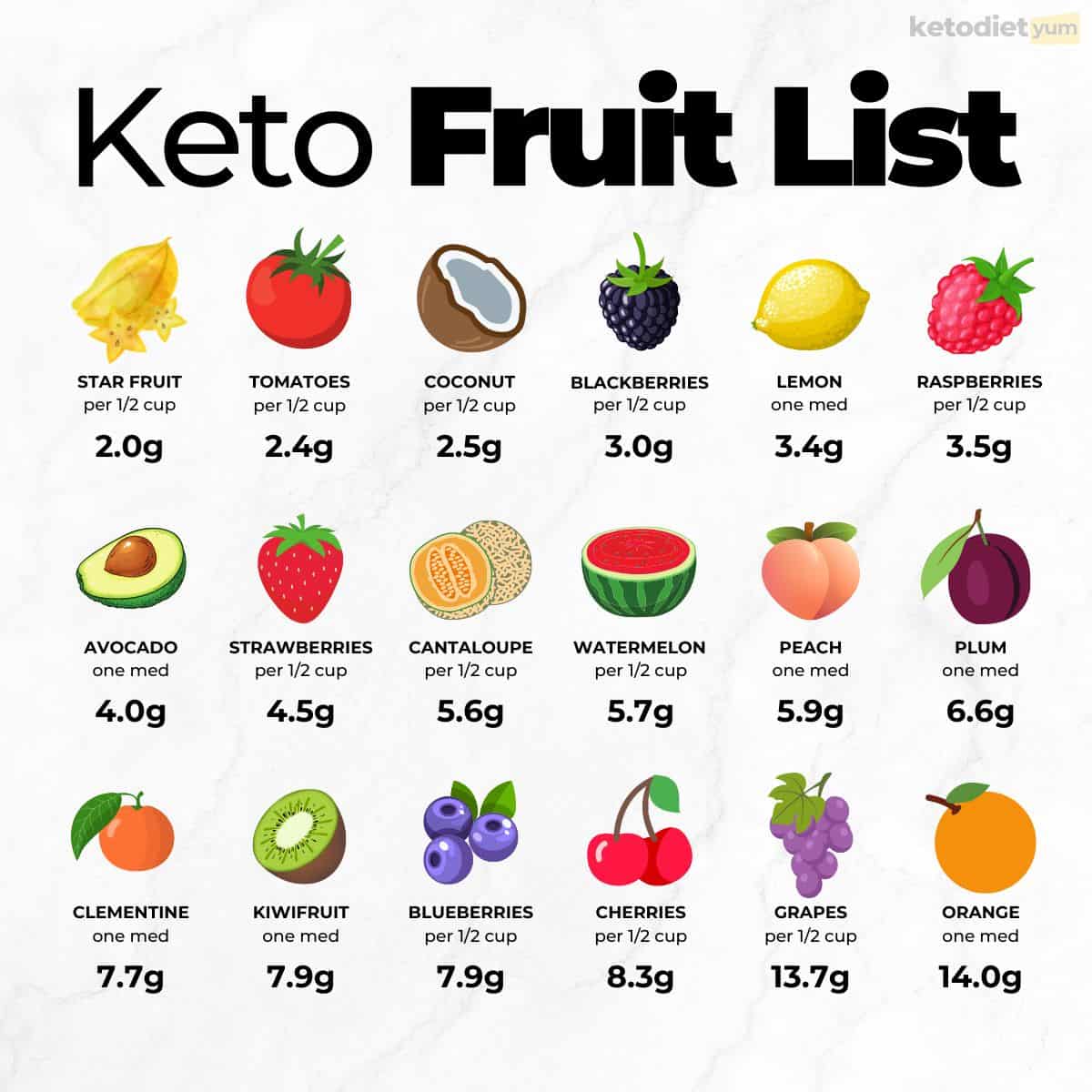
Credit: www.ketodietyum.com
Conclusion
Choosing low carb fruits helps keep your diet balanced and healthy. These fruits offer sweetness without too many carbs. They fit well in weight loss and keto plans. Eating them adds vitamins and fiber to your meals. Try different types to find what you enjoy most.
Small changes make a big difference over time. Keep this list handy for easy snack ideas. Healthy eating can be simple and tasty. Start today and feel the benefits soon.