

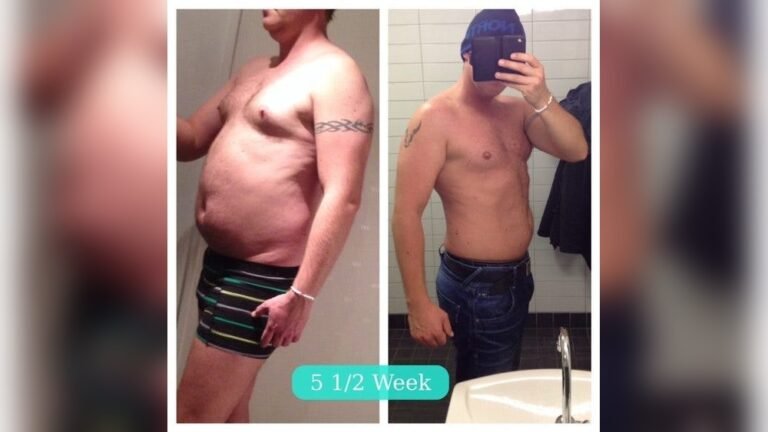
Are you ready to see real changes in your body in just two weeks? Low carb weight loss can kickstart your journey to a slimmer, healthier you faster than you might expect.
By cutting down on carbs, your body shifts from storing fat to burning it for fuel, leading to noticeable results. You’ll discover what to expect during those first 14 days, how your body reacts, and the key factors that influence your success.
Whether you want to lose water weight quickly or start burning fat sustainably, this guide will help you understand the process and stay motivated every step of the way. Keep reading to find out how you can make the most of your low carb plan and reach your goals safely and effectively.

Credit: lofoods.fit
Initial Weight Loss
Starting a low carb diet often leads to noticeable weight changes in the first two weeks. This phase is known as the initial weight loss period. It is mainly due to changes in the body’s water content and energy storage. Understanding what happens can help you stay motivated and track your progress better.
Water Weight Drop
In the first few days of low carb eating, the body loses a lot of water. Carbohydrates hold water in the body, so cutting carbs lowers this water retention. This loss shows up quickly on the scale but is not fat loss. Many people feel lighter and less bloated during this stage. Drinking enough water is important to avoid dehydration.
Glycogen Depletion
The body stores carbohydrates as glycogen in muscles and the liver. Each gram of glycogen binds with water. When carbs are limited, the body uses these glycogen stores for energy. This process reduces glycogen levels and the water attached to it. Glycogen depletion causes a rapid initial weight drop. It signals the body is adapting to using fat for fuel.
Fat Loss After Week One
After the first week of a low carb diet, fat loss becomes more noticeable. The initial weight loss mostly comes from water leaving the body. Once this phase passes, your body starts burning fat more effectively. This change marks a key point in your weight loss journey. Understanding what happens after week one helps keep motivation high and supports continued progress.
Entering Ketosis
After a few days of low carb eating, your body begins to enter ketosis. Ketosis means your body uses fat for energy instead of carbohydrates. This shift happens as glycogen stores run low. You may feel more energy and less hunger during this stage. Ketosis helps burn stored fat, leading to gradual and steady fat loss.
Sustainable Fat Burning
Fat loss after week one becomes more steady and sustainable. Your metabolism adapts to burning fat as the main fuel source. This means you lose fat without losing muscle or water weight. Consistency in eating low carb and staying active supports this process. Sustainable fat burning is key to long-term weight loss success.
Factors Affecting Weight Loss
Weight loss results vary due to multiple factors. Understanding these can help set realistic goals. Each person’s body reacts differently to a low carb diet over two weeks. Several key elements influence how much weight you may lose and how fast.
Starting Weight And Composition
Your initial weight affects how quickly you lose pounds. People with higher body fat often see faster results at first. Muscle mass also matters because muscle burns more calories than fat. Those with more muscle may have a higher metabolism, aiding weight loss. Body composition gives clues about how your body will respond to diet changes.
Metabolism And Consistency
Metabolism controls how fast your body uses energy. Some have faster metabolisms, which can speed weight loss. Staying consistent with your low carb plan is crucial. Skipping meals or cheating slows progress. Regular eating habits help maintain steady fat burning. Consistency creates a routine that supports long-term success.
Calorie Deficit Role
Weight loss requires burning more calories than you consume. This is called a calorie deficit. Even on a low carb diet, calories still matter. Eating fewer calories than your body needs forces it to use stored fat. Tracking calories can improve weight loss results. A moderate calorie deficit helps avoid muscle loss and fatigue.

Credit: kompanionapp.com
Important Precautions
Starting a low carb diet for weight loss can be effective, but it needs care. Taking important precautions helps avoid health problems. Small steps keep your body safe and support lasting results.
Doctor Consultation
Talk to your doctor before starting a low carb diet. Your doctor checks if this diet fits your health needs. This step is key for people with health issues or who take medicines. Doctors can give advice on how to follow the diet safely. Do not skip this important step.
Pacing Your Progress
Do not rush your weight loss journey. Losing weight too fast can cause side effects like fatigue or headaches. Aim for steady progress by making small changes each week. Listen to your body and adjust the diet if needed. Slow and steady is the safest way to keep off weight long term.
Risks Of Rapid Weight Loss
Losing weight quickly on a low carb diet can seem tempting. Rapid weight loss may feel rewarding at first. Yet, it can carry several health risks that should not be ignored. Understanding these risks helps you make safer choices. Fast weight loss affects the body in many ways. Some effects can be serious and uncomfortable.
Gallstones And Dehydration
Gallstones often develop with rapid weight loss. The liver secretes extra cholesterol, which can form stones in the gallbladder. These stones may cause pain and require medical treatment. Rapid weight loss also causes dehydration. Low carb diets reduce stored carbohydrates, which hold water in the body. Losing this water quickly can lead to dizziness and weakness.
Electrolyte Imbalances
Electrolytes like sodium, potassium, and magnesium help regulate body functions. Rapid weight loss disturbs these mineral levels. Imbalanced electrolytes can cause muscle cramps and heart palpitations. It may also affect nerve signals. Maintaining electrolyte balance is vital during any weight loss plan.
Fatigue And Headaches
Energy levels drop fast with quick weight loss. The body adapts to fewer carbs by slowing down. Fatigue becomes common as muscles and brain get less fuel. Headaches also occur due to dehydration and low blood sugar. These symptoms can make daily tasks harder and reduce focus.
Irritability
Mood changes often accompany rapid weight loss. Low carb intake affects serotonin, a brain chemical that regulates mood. Irritability and mood swings are common side effects. Lack of energy and constant hunger also increase frustration. Emotional well-being is important for long-term success.
Healthy Weight Loss Strategies
Healthy weight loss strategies focus on safe and steady progress. Rapid changes can harm your body. A balanced approach helps keep the weight off long term. It also improves overall health and energy. Here are key strategies to support low carb weight loss over two weeks.
Balanced Diet Essentials
A balanced diet includes lean proteins, healthy fats, and vegetables. Limit carbs but do not cut them out completely. Choose whole foods over processed snacks. Eat enough calories to fuel your body and avoid hunger. Small, frequent meals help maintain energy and control cravings.
Exercise And Muscle Building
Exercise boosts weight loss and improves muscle tone. Combine cardio with strength training for best results. Cardio burns calories while weight lifting builds muscle. Muscle increases metabolism, helping burn more fat. Aim for at least 30 minutes of activity most days.
Sleep And Hydration
Good sleep supports weight loss and recovery. Aim for 7 to 8 hours of quality sleep nightly. Dehydration can slow metabolism and cause fatigue. Drink plenty of water throughout the day. Proper hydration also helps reduce hunger and supports digestion.
Weight Loss Variations
Weight loss results vary widely during a low carb diet over two weeks. Several factors influence how much weight a person loses. These include starting weight, calorie intake, diet type, and exercise habits. Understanding these variations helps set realistic expectations and guides better planning for weight loss success.
Impact Of Initial Weight
People with higher initial weight often see faster weight loss at first. Much of this early loss is water weight. The body uses stored carbohydrates for energy, releasing water in the process. Those with lower starting weight may lose fat more slowly but steadily.
Calorie Intake Effects
Calorie intake greatly affects weight loss speed. Even on a low carb diet, consuming more calories than needed can slow progress. Maintaining a calorie deficit helps burn stored fat. Eating fewer calories than your body uses is key to losing weight.
Types Of Low-carb Diets
Low-carb diets vary from moderate to very low carb levels. Examples include the ketogenic diet, Atkins, and paleo. The stricter the carb limit, the faster the body enters fat-burning mode. Different diets suit different lifestyles and goals.
Exercise Influence
Exercise boosts weight loss by increasing calorie burn. Combining cardio and strength training improves fat loss and muscle tone. Active people often lose weight faster and maintain results better. Exercise supports overall health during a low carb plan.
Credit: www.elle.com
Weight Loss Timeline
The timeline of low carb weight loss over two weeks shows distinct phases. These phases help you understand what to expect. The body reacts differently as it shifts from burning carbs to fat. Tracking changes can keep motivation high and help manage expectations.
Early Rapid Changes
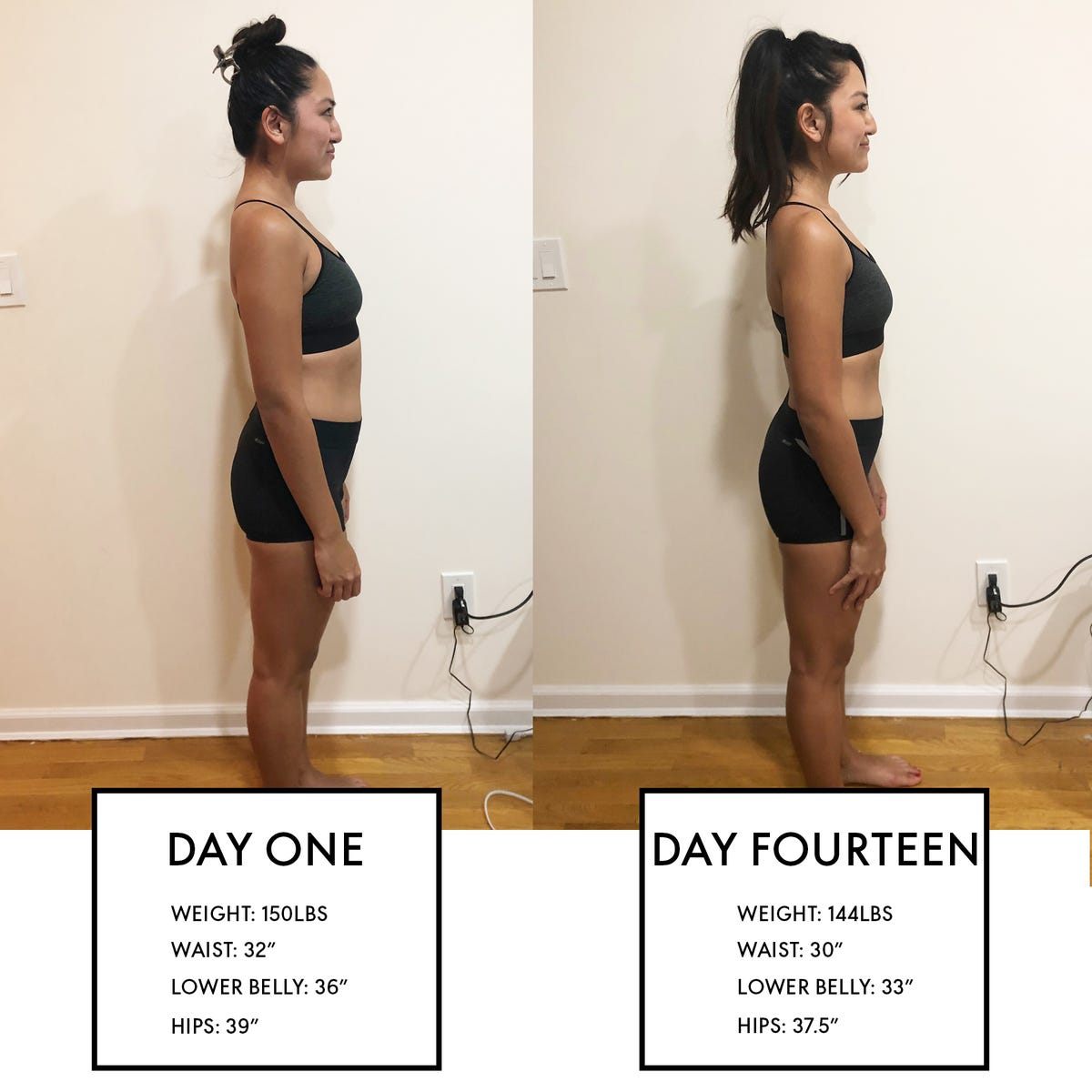
During the first few days, weight drops quickly. This is mostly water weight leaving the body. Low carb intake reduces glycogen stores, which hold water. Losing this water causes a sharp decline on the scale. Many notice less bloating and more energy soon.
This early loss is not fat loss but signals that the body is adapting. It can be very encouraging to see quick results at the start. This phase typically lasts about one week.
Adaptation And Slowdown
After the first week, weight loss slows down. The body switches to burning fat for energy. This phase requires more patience as fat loss happens gradually. The drop in pounds is steadier but more sustainable.
Consistency with low carb eating and calorie control is key here. Metabolism adjusts, and the body becomes more efficient in fat use. Expect slower but real fat loss during this time.
Sample Low-carb Plan
A sample low-carb plan offers a clear and simple way to start losing weight quickly. It focuses on meals with fewer carbohydrates and more protein and healthy fats. This helps your body burn fat for energy instead of carbs.
This plan shows what to eat for two weeks. It includes easy recipes and foods that keep you full and energized. Following this plan can help reduce cravings and improve your mood.
Breakfast Ideas
- Scrambled eggs with spinach and tomatoes
- Greek yogurt with a few nuts and berries
- Avocado and smoked salmon on a small slice of whole-grain toast
- Omelette with mushrooms and cheese
Lunch Options
- Grilled chicken salad with mixed greens and olive oil dressing
- Beef stir-fry with broccoli and bell peppers
- Cauliflower rice bowl with avocado and boiled eggs
- Tuna salad wrapped in lettuce leaves
Dinner Choices
- Baked salmon with asparagus and a side of zucchini noodles
- Roasted turkey breast with green beans and a small serving of mashed cauliflower
- Grilled shrimp with a mixed vegetable stir-fry
- Stuffed bell peppers with ground turkey and cheese
Snack Suggestions
- Almonds or walnuts
- Cheese slices with cucumber
- Hard-boiled eggs
- Celery sticks with peanut butter
Safety Disclaimer
Safety is the top priority when starting a low carb weight loss plan for 2 weeks. Understanding the risks and benefits helps you stay healthy while losing weight.
This section explains important safety points to consider before and during your low carb journey.
Consult Your Healthcare Provider
Talk to your doctor before beginning any low carb diet. Your health history affects how your body reacts to dietary changes. A doctor can guide you if this diet suits your needs and conditions.
Monitor Your Body’s Response
Watch for signs of dehydration, fatigue, or dizziness. These may occur as your body adjusts to fewer carbs. Stop the diet and seek medical help if symptoms become severe.
Avoid Rapid Weight Loss Risks
Losing weight too fast can cause gallstones and electrolyte imbalances. These problems may lead to headaches and irritability. Aim for steady, safe weight loss instead.
Maintain Nutrient Balance
Low carb does not mean no nutrition. Eat vegetables, lean proteins, and healthy fats. This keeps your body fueled and prevents nutrient shortages.
Stay Hydrated And Rested
Drink plenty of water to prevent dehydration. Get enough sleep to support metabolism and recovery. These habits improve diet effectiveness and overall well-being.
Frequently Asked Questions
How Much Weight Can You Lose On A Low Carb Diet In 2 Weeks?
You can lose 4 to 10 pounds in 2 weeks on a low-carb diet. Initial loss is mostly water weight. Fat loss increases after the first week. Results vary by starting weight, metabolism, and diet consistency. Consult a doctor before starting any diet plan.
What Happens After 2 Weeks Of No Carbs?
After two weeks without carbs, your body burns stored fat for energy, leading to fat loss and reduced water weight. You may experience increased fat burning, improved insulin sensitivity, and possible side effects like fatigue or headaches. Results vary based on metabolism, starting weight, and diet consistency.
Is It Possible To Lose 10 Pounds In 2 Weeks?
Losing 10 pounds in 2 weeks is possible but challenging and may include water weight. Focus on a calorie deficit, balanced diet, exercise, and consult a doctor to ensure safety. Rapid loss risks include fatigue and dehydration. Sustainable weight loss is healthier long-term.
How Much Weight Can I Lose In A Month With Low Carbs?
You can lose 5 to 10 pounds in a month on a low-carb diet. Initial loss includes water weight. Fat loss follows as your body burns fat for energy. Results vary by starting weight, metabolism, and diet consistency. Consult a doctor before starting.
Conclusion
Low carb weight loss in two weeks can jumpstart your journey. Expect to lose water weight first, then fat gradually. Stay consistent with your diet and maintain a calorie deficit. Include fruits, vegetables, and lean protein for balance. Combine exercise with good sleep and hydration for best results.
Always check with a doctor before starting any diet plan. Take it slow to keep weight off safely and healthily. Small changes create lasting habits and better health overall.