


Understanding the foundational pillars of weight management, specifically protein, fiber, and healthy fats, is crucial for creating a sustainable and effective strategy for controlling your body composition. These macronutrients are not merely calorie providers; they are potent biochemical tools that can significantly influence your appetite, metabolism, and overall health. By strategically incorporating them into your daily intake, you can construct a robust framework for achieving and maintaining your weight goals.
Imagine your body as a sophisticated engine. Protein is the high-octane fuel that powers muscle growth and repair, ensuring your engine runs smoothly and efficiently. Fiber acts as the internal filtration system, cleaning out waste and regulating the engine’s fuel intake. Healthy fats, meanwhile, are the essential lubricants, ensuring all the moving parts function optimally and providing sustained energy. Neglecting any of these components can lead to suboptimal performance, much like a car with an unbalanced fuel mix or poor lubrication will eventually falter.
Protein: The Muscle Builder and Satiety Sentinel
Protein plays a multifaceted role in weight management. As the building blocks of your body, amino acids, the constituent parts of protein, are essential for repairing and building muscle tissue. This is particularly important during weight loss, as preserving lean muscle mass not only contributes to a more sculpted physique but also to a higher resting metabolic rate. A metabolically active body burns more calories even at rest, a valuable asset when aiming to reduce body fat.
Beyond its structural role, protein is a powerful ally in managing hunger. Its thermic effect – the energy your body expends to digest, absorb, and metabolize it – is higher compared to carbohydrates and fats. This means you burn more calories simply by consuming protein. Furthermore, protein has a profound impact on satiety hormones. It helps to increase the production of peptide YY (PYY) and glucagon-like peptide-1 (GLP-1), hormones that signal fullness to your brain. Conversely, it can decrease ghrelin, the hunger hormone. This hormonal dance can significantly curb your appetite, making it easier to adhere to a calorie-controlled eating plan.
Protein Pacing: Strategic Distribution for Optimal Gains
Recent shifts in understanding suggest that the timing and distribution of protein intake throughout the day can be more impactful than previously thought. While consuming enough protein overall is key, the trend towards “protein pacing” emphasizes distributing your protein intake more evenly across your meals. Instead of concentrating a large portion into one or two meals, aiming for three balanced, protein-rich meals (each contributing approximately 25-30 grams of protein) can offer distinct advantages. This strategic distribution can lead to more sustained feelings of fullness throughout the day, potentially reducing the urge for snacking between meals. It also supports optimal muscle protein synthesis and can contribute to a more favorable hormonal environment for fat loss. This approach moves away from the idea of six small, potentially less satisfying meals, and towards fewer, more substantial, and satiating eating occasions. Prioritizing whole food sources of protein at each meal is paramount to reaping these benefits.
Evidence on High-Protein Efficacy: A Balanced Perspective
The efficacy of high-protein diets for weight loss is well-documented. Studies consistently show modest but significant benefits in terms of fat loss, particularly when combined with a calorie deficit and regular physical activity. The muscle-preserving qualities of adequate protein intake are a critical component of this success, ensuring that weight lost is primarily from fat stores rather than lean muscle. Furthermore, the heightened satiety associated with protein intake can make adhering to a calorie deficit psychologically easier. However, it is crucial to maintain a balanced perspective. Simply increasing protein intake without a corresponding reduction in overall calorie consumption or without engaging in physical activity may not necessarily lead to weight loss and could, in some instances, contribute to weight gain if it leads to an overall caloric surplus. The key lies in integrating protein strategically within a comprehensive dietary plan that also prioritizes fiber and healthy fats, creating a synergistic effect that enhances satiety and promotes a healthy metabolism.
Fiber: The Gut Guardian and Hunger Moderator
Fiber, often referred to as “nature’s broom,” is an indigestible carbohydrate that plays a pivotal role in digestive health and metabolic regulation. It exists in two primary forms: soluble fiber, which dissolves in water to form a gel-like substance, and insoluble fiber, which does not dissolve and adds bulk to stool. Both forms are essential for a well-functioning digestive system.
Soluble fiber, found in foods like oats, beans, apples, and citrus fruits, can help lower blood cholesterol and glucose levels. Its gel-forming properties can slow down the emptying of the stomach, contributing to a greater and more prolonged sense of fullness. This also means that the absorption of nutrients, including sugars, is slowed, leading to a more gradual rise in blood sugar levels, which is beneficial for energy stability and appetite control.
Insoluble fiber, abundant in whole grains, nuts, seeds, and the skins of fruits and vegetables, adds bulk to the stool, promoting regularity and preventing constipation. This increased bulk in the digestive tract can also contribute to satiety, signaling to your brain that you have consumed a sufficient amount of food.
“Fibermaxxing”: The Future of Satiety and Gut Health
Looking ahead to trends like “Fibermaxxing” in 2026, the emphasis on fiber as a co-equal to protein in weight management and overall health is becoming increasingly pronounced. This concept champions fiber not just for its digestive benefits but as a primary driver of satiety, gut health, and metabolic well-being. The recommendation is to aim for a daily intake of 25-35 grams of fiber, primarily from whole, unprocessed food sources. This means prioritizing fruits, vegetables, whole grains, nuts, seeds, and legumes, while consciously avoiding ultra-processed products that are often stripped of their natural fiber content. By making fiber a star player in your diet, you are essentially creating a more resilient digestive system, promoting a diverse gut microbiome, and equipping yourself with a powerful tool to naturally manage appetite and cravings. This goes beyond simply adding more fiber; it’s about fundamentally shifting your dietary focus towards fiber-rich whole foods as the foundation of your meals, mimicking the nutrient density and satiating power of these natural sources.
Healthy Fats: The Sustained Energy Providers and Hormone Regulators
In the realm of nutrition, fats have historically received a negative reputation, often unfairly. However, healthy fats are not the enemy; they are essential macronutrients that are vital for numerous bodily functions, including hormone production, nutrient absorption, and cell membrane structure. When incorporated mindfully into your diet, they can be powerful allies in weight management.
Monounsaturated and polyunsaturated fats, found in sources like avocados, olive oil, nuts, seeds, and fatty fish, offer significant health benefits. They can help to improve cholesterol profiles, reduce inflammation, and provide a sustained release of energy, which can prevent the sharp energy dips and subsequent cravings that often derail weight control efforts. These fats also contribute to satiety, and when paired with protein and fiber, they amplify the feeling of fullness, making it easier to consume fewer calories without feeling deprived.
The Power of Omega-3 Fatty Acids
Among the polyunsaturated fats, omega-3 fatty acids, particularly EPA and DHA, are of paramount importance. Found in fatty fish like salmon, mackerel, and sardines, as well as in flaxseeds and chia seeds, omega-3s have been linked to a reduced risk of heart disease, improved brain function, and potent anti-inflammatory effects. In the context of weight management, they may play a role in reducing inflammation, which can be a contributing factor to obesity and metabolic dysfunction. Their presence in fatty fish also makes these sources excellent options for pescatarian and vegetarian diets aiming for high protein and healthy fat intake.
For those looking to enhance their weight control strategies, understanding the role of macronutrients like protein, fiber, and healthy fats is essential. To complement your knowledge on this topic, you might find it helpful to explore related culinary techniques that can make healthy eating easier and more enjoyable. Check out this article on Top Ten Kitchen Shortcuts for Indian Food Delights, which offers practical tips for preparing nutritious meals that align with your weight management goals.
The Synergy of Combination: Protein, Fiber, and Fats Working Together
The true magic of weight management through nutrition lies not in isolating individual macronutrients, but in understanding how they work in concert. When protein, fiber, and healthy fats are combined in a meal, they create a synergistic effect that is far more potent than the sum of their individual parts. This powerful alliance acts as a formidable bulwark against hunger and cravings, allowing you to feel satisfied on fewer calories.
Maximizing Fullness on Fewer Calories
The combination of protein, fiber, and healthy fats is a champion in the fight for satiety. Protein, as discussed, increases satiety hormones and has a high thermic effect. Fiber, by absorbing water and adding bulk, slows digestion and contributes to a feeling of fullness. Healthy fats, while calorie-dense, contribute to prolonged satiety by slowing gastric emptying and influencing appetite-regulating hormones. Together, they create a meal that keeps you feeling full for longer, reducing the likelihood of overeating and making it easier to maintain a calorie deficit. Consider a salad with grilled chicken (protein), a generous helping of leafy greens and colorful vegetables (fiber), a sprinkle of nuts or seeds (fiber and healthy fats), and a drizzle of olive oil-based dressing (healthy fats). This single meal provides a potent combination that can keep you satisfied for hours.
Incorporating protein, fiber, and healthy fats into your diet can significantly enhance your weight control efforts, but it’s also essential to consider how these nutrients affect your overall health. For instance, optimizing your gut health can play a crucial role in weight management and overall wellness. You can explore this connection further in the article on optimizing your gut health, which outlines key steps to improve digestion and nutrient absorption, ultimately supporting your weight control journey.
Curbing Cravings: A Multi-Pronged Attack
Cravings are often the Achilles’ heel of any weight management plan. They can arise from nutritional deficiencies, blood sugar fluctuations, or simply habitual patterns. The protein-fiber-fat trifecta offers a multi-pronged attack on these disruptive desires. By stabilizing blood sugar levels through the slow release of carbohydrates facilitated by fiber and fats, you can prevent the drastic drops that often trigger sugar cravings. The sustained satiety provided by protein and fiber diminishes the physical signals of hunger that can also lead to cravings. Furthermore, by ensuring you are consuming nutrient-dense foods that nourish your body, you reduce the likelihood of it sending out signals of deprivation, which can manifest as cravings for less healthy options.
Preserving Muscle Mass During Weight Loss
One of the significant challenges of calorie restriction is the potential for muscle loss. Muscle tissue is metabolically active, and losing it can slow down your metabolism, making further weight loss more difficult. Protein is the primary architect of muscle tissue, and adequate intake is crucial for its preservation. When you combine sufficient protein with the satiety provided by fiber and healthy fats, you can more effectively manage your calorie intake while ensuring your body has the necessary building blocks to maintain lean muscle mass. This means that the weight you lose is more likely to be fat, leaving you with a stronger, more metabolically efficient physique.
Supporting Longevity: Beyond the Scale
The benefits of a diet rich in protein, fiber, and healthy fats extend far beyond the number on the scale. These nutrient-dense foods are foundational to long-term health and well-being. Adequate protein intake is vital for maintaining muscle mass as you age, which is crucial for mobility and independence. Fiber is essential for gut health, which is increasingly recognized as a key factor in immune function, mental health, and even chronic disease prevention. Healthy fats, particularly omega-3s, play a critical role in cardiovascular health, brain function, and reducing inflammation, a known contributor to many age-related diseases. By embracing this nutritional triad, you are not just managing your weight; you are investing in a healthier, more vibrant future.
Dietary Patterns for Success: Embracing Nutrient-Dense Approaches

When you consider the principles of maximizing weight control with protein, fiber, and healthy fats, certain dietary patterns naturally emerge as highly effective. These approaches are not restrictive fad diets but rather sustainable eating styles that intrinsically prioritize these essential macronutrients.
Pescatarian and Vegetarian Styles: Nutrient Powerhouses
For 2026 and beyond, dietary frameworks like pescatarian and vegetarian styles are poised to be prominent choices for effective weight loss and overall health. These approaches naturally lend themselves to higher intakes of protein, fiber, and healthy fats, while often reducing the consumption of saturated fats and processed meats.
A pescatarian diet, which includes fish and seafood but excludes other meats, provides excellent sources of lean protein and beneficial omega-3 fatty acids. Fish like salmon, tuna, and mackerel are not only protein-rich but also packed with these heart-healthy fats. This is combined with an abundance of plant-based fiber from fruits, vegetables, and whole grains that form the cornerstone of these diets.
Vegetarian diets, by excluding all meat, poultry, and fish, place a greater emphasis on plant-based protein sources such as legumes (beans, lentils, chickpeas), tofu, tempeh, nuts, and seeds. These foods are also excellent sources of fiber and contribute healthy fats. When planned mindfully, vegetarian diets can be incredibly rich in nutrients and highly effective for weight management. The key in both pescatarian and vegetarian approaches is to ensure adequate protein intake by strategically combining a variety of plant-based sources or by including fish in the pescatarian model.
The Role of Fish in Metabolic Health
The inclusion of fatty fish in a pescatarian diet or as an occasional addition to a vegetarian or omnivorous diet offers specific metabolic advantages. The omega-3 fatty acids found in these fish have been shown to improve insulin sensitivity, which is crucial for blood sugar control and reducing the risk of type 2 diabetes. They can also contribute to a reduction in systemic inflammation, a factor implicated in obesity and metabolic syndrome. By choosing fish like salmon, mackerel, or sardines, you are not only boosting your protein intake but also acquiring a powerful tool for enhancing metabolic health and supporting long-term disease prevention.
Practical Strategies for Implementation
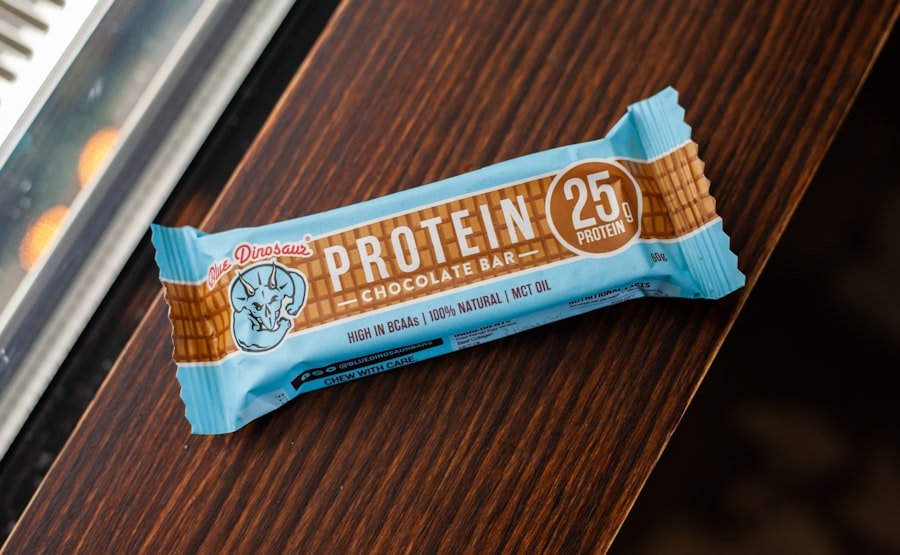
Understanding the science behind protein, fiber, and healthy fats is one thing; translating that knowledge into tangible dietary changes is another. The following strategies can help you effectively integrate these macronutrients into your daily life.
Building Balanced Meals: The Plate Method Revisited
A visually simple yet effective approach to building balanced meals is to reimagine the traditional food pyramid or plate model. Aim to fill half of your plate with non-starchy vegetables and fruits. These are, by nature, excellent sources of fiber and contain varying amounts of protein and healthy fats. Dedicate about a quarter of your plate to lean protein sources such as chicken breast, fish, eggs, Greek yogurt, lentils, beans, or tofu. The remaining quarter of your plate can be allocated to whole grains or starchy vegetables, which also contribute fiber, or to healthy fat sources like avocado or nuts. This visual guide ensures that each meal delivers a substantial amount of fiber and protein, with a mindful inclusion of healthy fats to enhance satiety and nutrient absorption.
Smart Snacking: Fueling Between Meals Wisely
Snacking can be a beneficial tool for managing hunger and maintaining energy levels, but it requires mindful selection. Instead of reaching for processed snacks that offer little nutritional value, opt for snacks that combine protein, fiber, and healthy fats. Examples include a small handful of almonds (fiber, healthy fats), a hard-boiled egg (protein), Greek yogurt with berries (protein, fiber), or apple slices with a tablespoon of nut butter (fiber, healthy fats, protein). These choices will not only satisfy your hunger but will also contribute to your overall intake of these crucial macronutrients, preventing the energy crashes and cravings that often lead to poor food choices.
Hydration: The Unsung Hero
While not a macronutrient, water plays an indispensable role in weight management and the effective functioning of protein, fiber, and fats. Adequate hydration is essential for fiber to do its job, preventing constipation and promoting its bulking effects. It also aids in nutrient transport and metabolism. Aim to drink plenty of water throughout the day, and consider making it your primary beverage choice, reducing your intake of sugary drinks that can contribute to excess calorie consumption and hinder weight loss efforts. Water can also contribute to satiety, making you feel fuller before and during meals.
By consciously incorporating these strategies into your daily routine, you can transform your approach to eating, moving from a focus on restriction to one of intelligent nourishment. This shift not only supports your weight control goals but also lays the foundation for a healthier, more sustainable lifestyle.