

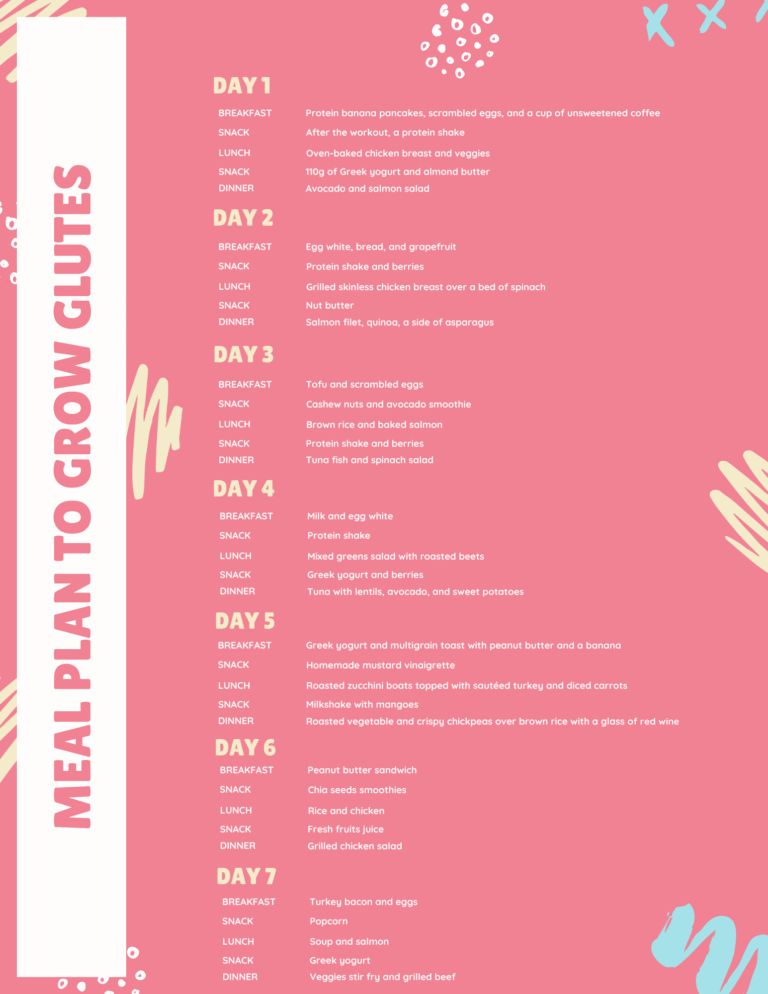
Growing glutes isn’t just about exercise. Nutrition plays a key role too.
To build strong, healthy glutes, you need the right meal plan. This means eating foods that support muscle growth and recovery. A balanced diet can help you achieve your fitness goals faster. Proteins, carbs, and fats all contribute to muscle development.
It’s not just about eating more; it’s about eating smart. Your body needs fuel to perform well and recover after workouts. This blog will guide you through the best foods for glute growth. From lean proteins to complex carbs, discover what to eat for optimal results. Get ready to learn how to enhance your glutes with delicious and nutritious meals.
The Importance Of Nutrition
The importance of nutrition cannot be overstated when aiming to grow glutes. Your diet plays a crucial role in muscle development. Eating the right foods can help you achieve better results. Proper nutrition supports your workout efforts and aids in recovery. It ensures your muscles get the necessary nutrients to grow and become stronger.
Fueling Muscle Growth
Muscle growth depends on consuming the right amount of calories. You need a calorie surplus to build muscle. This means eating more calories than you burn. Focus on whole foods like lean meats, fish, eggs, and dairy. These are rich in protein, which is essential for muscle repair and growth. Include complex carbohydrates such as brown rice, quinoa, and sweet potatoes. These provide sustained energy for your workouts.
Balancing Macronutrients
Balancing macronutrients is key to a successful meal plan. Your diet should include proteins, carbohydrates, and fats. Protein is the building block of muscles. Aim for a variety of protein sources to meet your daily needs. Carbohydrates fuel your workouts and help in muscle recovery. Healthy fats support hormone production and overall health. Incorporate sources like avocados, nuts, and olive oil. Remember to drink plenty of water. Hydration is vital for muscle function and recovery.
Protein-rich Foods
Protein-rich foods like chicken, eggs, and beans help build glutes. Include these in your meal plan for muscle growth. These foods provide essential nutrients for strength and development.
Protein is essential for muscle growth. It helps repair and build muscle tissue. Consuming enough protein is key to growing your glutes. This section will focus on protein-rich foods that can boost your glute growth.Lean Meats And Fish
Lean meats are excellent sources of protein. Chicken breast and turkey are low in fat. They provide high-quality protein. Fish like salmon and tuna are also great. They are rich in omega-3 fatty acids. These nutrients support muscle recovery. Including lean meats and fish in your diet helps build strong glutes.Plant-based Protein Sources
Plant-based proteins are also effective. Beans, lentils, and chickpeas are rich in protein. They are perfect for vegetarians and vegans. Quinoa is another great option. It is a complete protein. Nuts and seeds like almonds and chia seeds are also beneficial. They provide protein and healthy fats. Including a variety of plant-based proteins can support glute growth. “`Healthy Carbohydrates
Healthy carbohydrates are essential for anyone aiming to grow their glutes. They provide the energy needed for workouts and aid in muscle recovery. Choosing the right carbs can make a big difference in achieving your fitness goals. Here are some great options:
Whole Grains
Whole grains are a fantastic source of healthy carbohydrates. They are rich in fiber, vitamins, and minerals. They help in keeping your energy levels stable. Some excellent whole grain options include:
- Brown Rice: High in fiber and helps in muscle recovery.
- Quinoa: Contains all nine essential amino acids.
- Oats: Great for sustained energy and contains beta-glucan.
- Whole Wheat Bread: Versatile and easy to incorporate into meals.
Whole grains are easy to include in your daily diet. They can be a part of breakfast, lunch, or dinner. They help in maintaining energy levels throughout the day.
Fruits And Vegetables
Fruits and vegetables are vital for a balanced diet. They provide essential nutrients and are rich in healthy carbohydrates. Some excellent choices include:
- Bananas: High in potassium and great for post-workout recovery.
- Sweet Potatoes: Rich in vitamins A and C and fiber.
- Berries: Packed with antioxidants and fiber.
- Leafy Greens: Low in calories but high in essential nutrients.
Adding a variety of fruits and vegetables ensures you get a broad range of nutrients. They are perfect for snacks and can be easily added to meals.

Credit: www.sterlingbiotech.in
Essential Fats
Essential fats play a vital role in building and maintaining muscle. They help in hormone production, which is crucial for muscle growth. Including the right types of fats in your diet can support your glute development. Let’s explore some essential fats that can aid in growing your glutes.
Avocados And Nuts
Avocados are rich in monounsaturated fats. These healthy fats support muscle growth and repair. They also provide fiber, which aids digestion. You can add avocados to your salads or smoothies.
Nuts, like almonds and walnuts, are another great source of healthy fats. They also offer protein and fiber. Snacking on a handful of nuts can boost your energy. It can also support your muscle-building efforts.
Omega-3 Fatty Acids
Omega-3 fatty acids are crucial for reducing inflammation. They help in muscle recovery after intense workouts. Fatty fish like salmon and mackerel are rich in Omega-3s.
Chia seeds and flaxseeds are also excellent sources. You can sprinkle them on your yogurt or oatmeal. Including Omega-3s in your diet can enhance your glute growth. They support overall muscle health.
Meal Timing
Meal timing is crucial for optimal glute growth. Eating the right foods at the right times can enhance muscle recovery and growth. Let’s dive into the specifics of pre and post-workout nutrition.
Pre-workout Nutrition
Your body needs fuel to power through a workout. Eating a balanced meal before exercising can increase energy levels and performance. Aim to eat 1-2 hours before your workout.
A good pre-workout meal includes:
- Carbohydrates: Whole grains, fruits, or vegetables. These provide quick energy.
- Protein: Lean meats, eggs, or plant-based options. Protein helps in muscle repair.
- Fats: Nuts, seeds, or avocados. Healthy fats keep you full longer.
Here’s a sample pre-workout meal:
| Food | Amount |
|---|---|
| Oatmeal with berries | 1 cup |
| Greek yogurt | 1/2 cup |
| Almonds | 1/4 cup |
Post-workout Recovery
Post-workout nutrition is key for muscle recovery and growth. Eating soon after a workout helps replenish energy stores and repair muscle tissue. Aim to eat within 30-60 minutes after exercising.
A good post-workout meal includes:
- Protein: Chicken, fish, tofu, or protein shakes. Protein aids in muscle repair.
- Carbohydrates: Brown rice, sweet potatoes, or whole grain pasta. Carbs replenish glycogen stores.
- Fats: Olive oil, nuts, or seeds. Fats support overall health.
Here’s a sample post-workout meal:
| Food | Amount |
|---|---|
| Grilled chicken breast | 1 piece |
| Quinoa | 1 cup |
| Steamed broccoli | 1 cup |
Credit: www.quora.com
Hydration Tips
Hydration is vital for muscle growth. Proper hydration keeps your glutes healthy and strong. In this section, we cover essential hydration tips. These tips help you stay hydrated and support your muscle-building goals. Let’s dive in!
Water Intake
Drink enough water each day. Your body needs water for muscle repair and growth. Aim for at least 8 glasses of water daily. This helps your muscles stay hydrated. Drinking water also helps flush out toxins. Carry a water bottle with you. This makes it easier to drink water throughout the day.
Electrolyte Balance
Keep your electrolytes balanced. Electrolytes like sodium, potassium, and magnesium are essential. They help your muscles function properly. You can get these from foods like bananas, nuts, and leafy greens. Sports drinks can also help. They replenish electrolytes lost through sweat. Be mindful of the sugar content in some sports drinks. Choose low-sugar options when possible.
Supplements For Growth
Supplements play a key role in helping your muscles grow. They can fill gaps in your diet and enhance your results. To grow your glutes, consider adding specific supplements to your meal plan.
Whey Protein
Whey protein is a popular choice for muscle growth. It is easy to digest and quickly absorbed by the body. This makes it ideal for post-workout recovery. Consuming whey protein after workouts helps repair and build muscle tissue.
It provides essential amino acids that support muscle growth. You can mix whey protein with water or milk. You can also add it to smoothies for a tasty protein boost.
Creatine
Creatine is another effective supplement for building glutes. It increases the body’s ability to produce energy quickly. This helps you perform better during high-intensity workouts.
Taking creatine before workouts can enhance strength and endurance. This leads to more effective muscle growth. Creatine is safe and well-researched. It is one of the most trusted supplements for athletes.
Add creatine to your pre-workout routine. This can make a noticeable difference in your glute growth.
Sample Meal Plan
Creating a meal plan to grow your glutes involves eating the right foods. You need proteins, healthy fats, and carbs in your meals. Here is a sample meal plan to help you achieve your fitness goals.
Breakfast Ideas
Start your day with a nutritious breakfast. Here are some ideas:
- Oatmeal with Berries: Combine 1 cup of oatmeal with a handful of fresh berries. Add a spoonful of almond butter for extra protein.
- Scrambled Eggs: Mix 3 eggs with spinach and tomatoes. Serve with a slice of whole-grain toast.
- Protein Smoothie: Blend 1 cup of almond milk, 1 banana, a scoop of protein powder, and a handful of spinach.
Lunch And Dinner Options
For lunch and dinner, focus on balanced meals that include proteins, vegetables, and healthy carbs. Here are some options:
| Meal | Description |
|---|---|
| Grilled Chicken Salad | Grilled chicken breast, mixed greens, avocado, and a light vinaigrette. |
| Quinoa Bowl | Quinoa, black beans, corn, cherry tomatoes, and a squeeze of lime. |
| Baked Salmon | Baked salmon fillet with steamed broccoli and sweet potato. |
| Turkey Wrap | Whole-wheat wrap with turkey, lettuce, tomatoes, and hummus. |
Remember to drink plenty of water throughout the day. Proper hydration is key for muscle growth. Incorporate these meals into your daily routine and watch your glutes grow.

Credit: www.pinterest.com
Frequently Asked Questions
What Foods Help Grow Glutes?
Foods rich in protein, healthy fats, and complex carbs support glute growth. Examples include lean meats, eggs, avocados, and whole grains.
How Often Should I Eat For Glute Growth?
Eating every 3-4 hours helps maintain muscle protein synthesis. This supports optimal glute growth and recovery.
Are Carbs Important For Glute Growth?
Yes, carbs provide energy for intense workouts. They help in muscle recovery and growth, including the glutes.
Can I Grow Glutes Without Protein?
No, protein is essential for muscle repair and growth. Include sources like chicken, fish, beans, and dairy.
Conclusion
Building strong glutes requires dedication and a proper meal plan. Eat protein-rich foods like chicken and beans. Add healthy fats such as avocados and nuts. Don’t forget complex carbs like quinoa and sweet potatoes. Stay consistent with your diet and workouts.
Track progress and adjust as needed. You will see results with patience and effort. Remember, your glutes will thank you!