
Losing weight and building muscle are two goals that often go hand in hand. For many, achieving both means a healthier body, improved strength, and better confidence. But creating a meal plan that supports both is not as simple as eating less or just lifting weights.
You need to understand how food fuels your body, how to balance nutrients, and how to time your meals for best results. This guide will help you build a meal plan that fits your goals, lifestyle, and taste, whether you’re a beginner or someone who wants to level up their progress.
The Basics Of Losing Weight And Building Muscle
Before you start planning meals, it’s important to know how your body works. Losing weight happens when you burn more calories than you eat. Building muscle requires enough protein and energy to repair and grow muscles after exercise. These goals may seem opposite, but with the right approach, you can achieve both.
Understanding Calories
A calorie is a unit of energy. Your body uses calories for everything: breathing, moving, and thinking. If you eat fewer calories than you burn, you lose weight. If you eat more, you gain weight. To build muscle, you need enough calories to support growth, but not so many that you gain fat.
- Calorie deficit helps with weight loss.
- Calorie surplus helps with muscle gain.
The trick is to find a balance, often called recomposition, where you lose fat and build muscle at the same time. Most people need a slight calorie deficit and high protein intake for this.
It’s easy to think you need to eat very little to lose weight, but going too low can actually hurt muscle growth and make you tired. Eating just below your maintenance calories—enough to lose 0. 5–1 kg per week—is safest for most people.
If you feel your energy dropping fast, you might be cutting too many calories.
Macronutrients: Protein, Carbs, Fat
Your body needs three main nutrients:
- Protein: Builds and repairs muscle.
- Carbohydrates: Provides energy for workouts.
- Fat: Supports hormone health and absorbs vitamins.
A meal plan for weight loss and muscle gain should focus on:
- High protein (1.6–2.2 grams per kg of body weight)
- Moderate carbohydrates
- Healthy fats
Protein is the building block for muscle. If you do not get enough, your body will break down muscle for energy during a calorie deficit. Carbs are often misunderstood—some believe cutting them completely is best, but your body needs carbs for energy, especially if you exercise hard.
Fats, while high in calories, are important for cell function and hormones.
Why Meal Timing Matters
When you eat can affect your results. Eating protein after workouts helps muscles recover. Spreading meals through the day keeps energy steady and prevents hunger.
Some people only focus on what they eat, not when. But meal timing can make a difference, especially if you train hard. Try to eat protein-rich foods within two hours after a workout. This helps your muscles repair and grow.
Also, avoid going many hours without eating, because your body might break down muscle for energy, especially overnight or if you skip meals.
Setting Your Goals: Calculating Calories And Macros
Everyone’s needs are different. To set your meal plan, you must calculate your daily calorie and macronutrient targets.
Step 1: Find Your Maintenance Calories
Maintenance calories are what you need to stay at your current weight. You can use online calculators or follow this simple formula:
- Women: (10 x weight in kg) + (6.25 x height in cm) – (5 x age) – 161
- Men: (10 x weight in kg) + (6.25 x height in cm) – (5 x age) + 5
Multiply your result by your activity level:
- Sedentary: X1.2
- Lightly active: X1.375
- Moderately active: X1.55
- Very active: X1.725
This formula is not perfect, but it gives a good starting point. If you see your weight going up or down too quickly, you can adjust calories by 100–200 at a time.
Step 2: Set A Calorie Deficit
To lose fat, subtract 250–500 calories from your maintenance. This creates a safe deficit.
A 500-calorie deficit means you might lose around 0. 5 kg (1 pound) per week. Losing weight too quickly may cause muscle loss and low energy, so be patient.
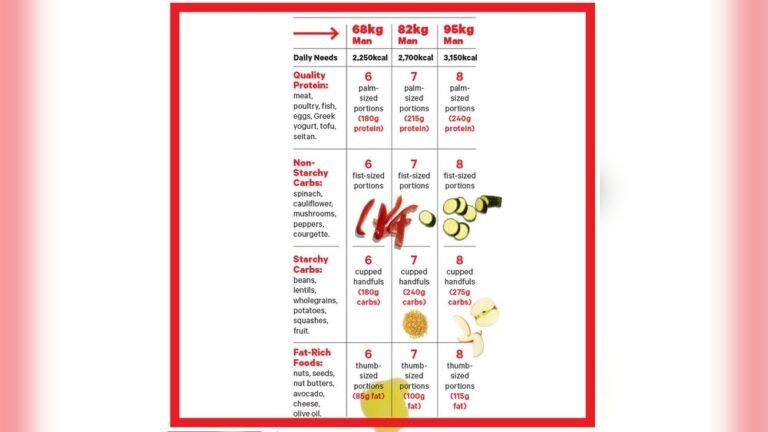
Step 3: Calculate Protein, Carbs, And Fat
- Protein: 1.6–2.2 grams per kg of body weight
- Fat: 20–30% of total calories
- Carbs: Fill the rest of your calories
Here’s a sample breakdown for a 70 kg person:
| Macronutrient | Grams per Day | Calories per Day |
|---|---|---|
| Protein | 140 | 560 |
| Fat | 60 | 540 |
| Carbs | 200 | 800 |
If your calorie target is 1900, this example fits well.
You do not need to hit these numbers exactly every day. Aim to be within 5–10 grams of your targets. Some days will be higher or lower, and that’s normal.

Credit: vitalearthminerals.com
Building Your Meal Plan: Practical Steps
Now that you know your targets, let’s build a meal plan that works in real life.
Prioritize Protein In Every Meal
Protein is most important for muscle growth. Good sources include:
- Chicken breast
- Eggs
- Fish (salmon, tuna)
- Greek yogurt
- Lentils
- Tofu
Eating protein at each meal keeps you full and helps your muscles recover.
Try to include at least 20–30 grams of protein in main meals. For example, three eggs give about 18 grams, and a chicken breast (100g) gives about 30 grams. Mixing animal and plant proteins can give you a wider range of nutrients.
A non-obvious tip: Dairy and eggs are also high in leucine, an amino acid that “starts” muscle growth. If you’re vegetarian, make sure to add eggs, milk, or cheese when you can.
Choose Smart Carbohydrates
Carbs fuel your workouts. Pick complex carbs, which digest slowly and give steady energy:
- Brown rice
- Oats
- Sweet potatoes
- Whole grain bread
- Beans
Avoid sugary foods and simple carbs except after workouts, when your muscles need quick energy.
The timing of carbs can help. Eat most of your carbs around your workout—before for energy, and after for recovery. If you train late, a small carb snack before bed can help with overnight muscle repair.
Include Healthy Fats
Healthy fats are vital for hormone balance. Good choices:
- Olive oil
- Avocado
- Nuts (almonds, walnuts)
- Fatty fish
Don’t fear fat, but keep portion sizes reasonable.
For example, 1 tablespoon of olive oil has about 120 calories, so a little goes a long way. Eating fatty fish like salmon twice a week gives you omega-3s, which help reduce muscle soreness.
Plan Meal Timing
Most people do well with 3–5 meals per day. This prevents hunger and keeps energy steady.
A typical day might look like:
- Breakfast
- Snack
- Lunch
- Snack
- Dinner
After workouts, eat protein and carbs to help recovery.
You do not need to eat every 2–3 hours, but waiting too long between meals can lead to overeating later. If you work long shifts or have busy days, pack portable snacks like protein bars or trail mix.
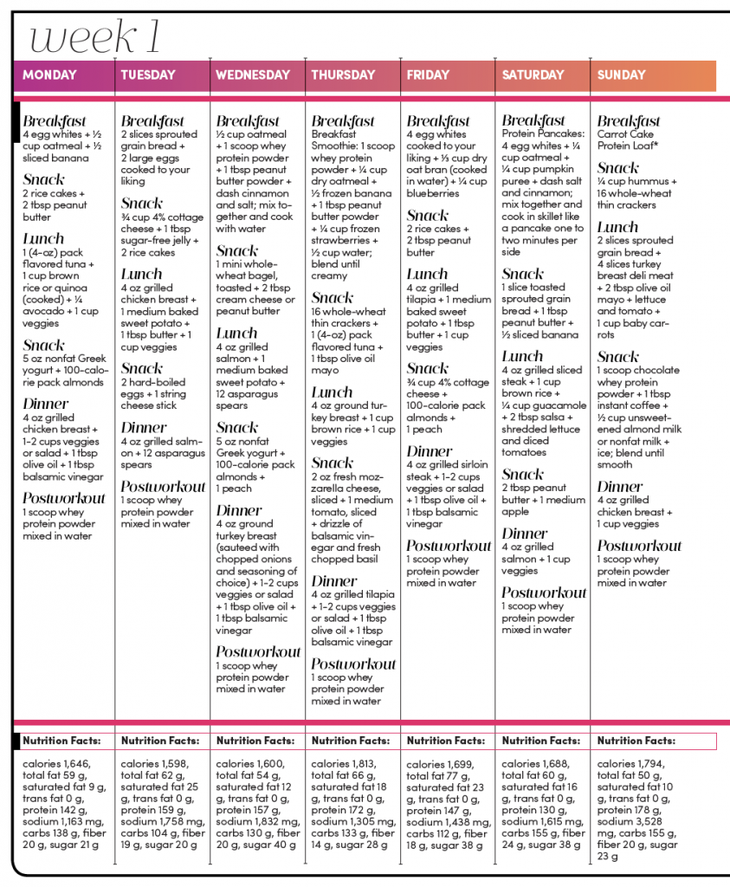
Sample Meal Plan For Weight Loss And Muscle Gain
Let’s build a full day meal plan for a person aiming for 1900 calories, 140g protein, 200g carbs, 60g fat.
Breakfast
- 2 eggs scrambled
- 1 slice whole grain bread
- ½ avocado
- 1 cup Greek yogurt
- 1 cup berries
Macros: 30g protein, 45g carbs, 18g fat
This meal gives a mix of protein, healthy fat, and fiber to keep you full all morning.
Morning Snack
- 1 protein shake (25g protein)
- 1 banana
Macros: 25g protein, 30g carbs, 2g fat
Protein shakes are fast and easy, especially post-workout. Bananas give quick energy and potassium for muscle function.
Lunch
- 100g grilled chicken breast
- 1 cup brown rice
- 1 cup steamed broccoli
- 1 tbsp olive oil
Macros: 30g protein, 50g carbs, 12g fat
A balanced plate with lean protein, complex carbs, and healthy fat.
Afternoon Snack
- 20g almonds
- 1 apple
Macros: 5g protein, 22g carbs, 10g fat
Nuts and fruit are easy to carry and help control hunger between meals.
Dinner
- 120g salmon fillet
- 1 cup roasted sweet potato
- 1 cup green beans
Macros: 30g protein, 35g carbs, 18g fat
Salmon is rich in protein and omega-3s, while sweet potato and green beans provide vitamins and fiber.
After Workout (optional)
- 1 scoop whey protein (25g protein)
- 1 cup low-fat milk
Macros: 25g protein, 18g carbs, 2g fat
Whey protein after exercise helps muscle recovery. If you train in the evening, this can be a light pre-bed snack.
Total for day: 145g protein, 200g carbs, 62g fat (about 1900 calories)
If you need more calories, increase portion sizes or add another snack.
Meal Plan Adjustments: Vegetarian And Vegan Options
If you don’t eat animal products, you can still meet your protein needs. Use plant-based protein:
- Lentils
- Chickpeas
- Tofu
- Tempeh
- Soy milk
- Quinoa
Here’s a vegetarian meal plan example:
Breakfast
- ½ cup oats
- 1 cup soy milk
- 2 tbsp peanut butter
- 1 banana
Macros: 18g protein, 55g carbs, 14g fat
Oats and soy milk give both protein and slow carbs; peanut butter adds healthy fat and taste.
Snack
- 1 cup Greek yogurt (if vegetarian)
- 1 apple
Macros: 15g protein, 22g carbs, 3g fat
Greek yogurt is high in protein and easy to flavor with fruit.
Lunch
- 1 cup lentil stew
- 1 cup quinoa
- 1 cup mixed vegetables
Macros: 25g protein, 45g carbs, 8g fat
Lentils and quinoa together offer all essential amino acids.
Snack
- 1 protein bar (plant-based)
- 10g almonds
Macros: 15g protein, 20g carbs, 7g fat
Many plant-based protein bars are now available, but check for added sugars.
Dinner
- 120g tofu stir-fried
- 1 cup brown rice
- 1 cup broccoli
Macros: 25g protein, 38g carbs, 12g fat
Tofu is very versatile—try marinating it for more flavor.
After Workout
- 1 scoop vegan protein powder
- 1 cup soy milk
Macros: 25g protein, 12g carbs, 3g fat
Total: 123g Protein, 192g Carbs, 47g Fat (~1700–1800 Calories)
To increase calories or protein, add more lentils, tofu, or seeds. For vegans, mixing beans and grains (like rice and beans) helps complete your amino acid profile.
Practical Tips For Meal Planning Success
Meal planning is not just about choosing foods. You need to create habits that keep you on track.
1. Prep Meals In Advance
Cooking in bulk saves time and prevents unhealthy choices. Prepare protein, carbs, and veggies for 3–4 days.
A simple tip: Grill several chicken breasts at once, cook a big pot of rice, and chop veggies in advance. Store in meal containers for quick assembly.
2. Track Your Food
Use apps like MyFitnessPal to log meals. Tracking helps you see if you’re hitting your targets.
Many people guess what they eat, but tracking shows if you’re really meeting your goals. Even tracking just a few days a week can highlight areas for improvement.
3. Keep Healthy Snacks Ready
Avoid junk food by keeping protein bars, nuts, and fruit handy.
If you’re hungry between meals, having healthy options nearby stops you from reaching for chips or candy.
4. Adjust Portions As Needed
If you’re not seeing progress, tweak your calories. If you’re hungry or tired, add more carbs.
Also, remember that as you lose weight or get more active, your calorie needs will change. Check your progress every few weeks and adjust.
5. Stay Hydrated
Drink water throughout the day. Dehydration can slow muscle recovery and make you feel hungry.
Aim for at least 2 liters per day, more if you exercise hard or sweat a lot. Sometimes, thirst is confused with hunger.
6. Use Spices And Herbs
Healthy food doesn’t have to be boring. Use spices, garlic, ginger, and herbs to add flavor.
Try different spice blends and experiment with fresh herbs to keep meals interesting.
7. Don’t Skip Meals
Skipping meals slows metabolism and leads to overeating later.
If you miss a meal, you might feel extra hungry later, which can cause you to eat too much at dinner.
8. Plan For Treats
Allow yourself a treat meal once a week. This keeps motivation high and prevents binge eating.
Treats help you enjoy the process and make the meal plan sustainable.
9. Focus On Progress, Not Perfection
Small changes add up. Don’t stress if you miss a meal or eat more one day. Consistency matters more than perfection.
Long-term success comes from steady habits, not short-term strictness.
10. Listen To Your Body
If you feel tired or weak, check your protein and carb intake. Sometimes your body needs more fuel.
Hunger, fatigue, or poor workout recovery are signs to look for. Adjust your plan if needed.
Comparing Different Diet Styles
Some people prefer certain diets for weight loss and muscle gain. Let’s compare a few popular ones:
| Diet Style | Protein Focus | Carb Approach | Fat Approach | Best For |
|---|---|---|---|---|
| Low-Carb | High | Low | Moderate | Fat loss |
| Balanced | Moderate | Moderate | Moderate | All goals |
| Plant-Based | Moderate | Moderate | Low–Moderate | Vegetarians/Vegans |
| High-Carb | Moderate | High | Low | Endurance athletes |
A balanced approach works best for most people trying to lose weight and build muscle at the same time.
Choosing a diet style is personal—consider your culture, food preferences, and energy needs. If you feel tired on a low-carb diet, increase carbs slowly until you find a level that works for you.
The Role Of Exercise In Your Meal Plan
Food and exercise work together. To build muscle, you need strength training. To lose weight, you need cardio or increased activity.
Strength Training
Lift weights 3–5 times per week. Focus on:
- Compound movements (squats, deadlifts, bench press)
- Progressive overload (increase weights over time)
- Adequate rest (at least 48 hours between muscle groups)
If you’re new to lifting, start with bodyweight exercises like squats, push-ups, and planks. As you get stronger, add weights. Track your workouts to see improvement.
Cardio
Include 2–3 sessions per week. Choose activities you enjoy:
- Walking
- Cycling
- Swimming
Too much cardio can slow muscle growth. Balance is key.
Short, intense cardio (HIIT) can burn fat quickly without losing muscle if you keep protein high.
Recovery
Sleep well and manage stress. Your body builds muscle while resting, not just during workouts.
Aim for 7–9 hours of sleep per night. Stretching, foam rolling, and relaxing activities help recovery.
Credit: www.oxygenmag.com
Common Mistakes In Meal Planning For Weight Loss And Muscle Gain
Many people make mistakes that slow their progress. Avoid these:
1. Not Eating Enough Protein
Low protein slows muscle growth and makes you feel hungry. Aim for at least 1. 6g per kg body weight.
2. Underestimating Calories
If you eat too little, you lose muscle instead of fat. Use a calculator and track your food.
3. Choosing Processed Foods
Processed foods are high in sugar and fat but low in nutrients. Stick to whole foods.
4. Ignoring Meal Timing
Skipping meals or eating too late can affect energy and recovery.
5. Neglecting Hydration
Drink at least 2 liters of water daily. Dehydration affects performance and fat loss.
6. Not Adjusting The Plan
If you’re not making progress, change your calories, macros, or workout routine.
A less obvious mistake: not eating enough fiber. Fiber helps you feel full and keeps digestion healthy. Include fruits, vegetables, and whole grains daily.
Non-obvious Insights For Beginners
Many beginners miss two key points:
1. Protein Quality Matters. Not all proteins are equal. Animal proteins contain all essential amino acids, while some plant proteins do not. If you’re vegetarian or vegan, mix different sources (e.g., beans and rice) to get complete proteins.
2. Muscle Gain Is Slower Than Fat Loss. Don’t expect to build muscle as fast as you lose fat. Muscle takes time and consistent effort. Track your progress with photos or measurements, not just the scale.
Another insight: Don’t worry if your weight stays the same for a few weeks. You may be losing fat and gaining muscle at the same time. Clothes fitting better or visible changes in the mirror are good signs.
How To Stay Motivated
A meal plan is only as good as your motivation. Here are ways to stay on track:
- Set small, clear goals (e.g., lose 2 kg in a month, gain 1 cm on arms)
- Celebrate progress, not perfection
- Join a community or find a workout buddy
- Make your meals enjoyable and varied
- Remind yourself why you started
Make your environment support your goals—keep healthy foods visible and ask family or friends to support your journey.
Real Life Example: Meal Plan For Busy People
Many people say they don’t have time to cook or eat healthy. Here’s a quick meal plan for busy days:
Breakfast
- Overnight oats with protein powder, berries, and almond milk
Snack
- Greek yogurt cup
Lunch
- Pre-cooked chicken breast
- Microwave brown rice
- Pre-chopped salad mix
Snack
- Protein bar
Dinner
- Salmon fillet (baked or air-fried)
- Frozen mixed vegetables (steamed)
This meal plan can be prepared in under 15 minutes for each meal.
Batch-cook proteins and grains on weekends, and use easy-cook or no-cook veggies. If you travel, pack single-serve nut butters or shelf-stable protein shakes.
Tracking Progress: What To Measure
Don’t rely only on the scale. Measure:
- Body fat percentage
- Muscle size (arm, chest, leg measurements)
- Strength (weights lifted)
- Energy levels
- Recovery speed
Take photos every 2–4 weeks to see real changes.
Also, pay attention to how your clothes fit and how you feel during workouts. Sometimes, improvements in energy and mood show progress before the scale does.
Science-backed Advice
Research shows that high protein diets help with fat loss and muscle gain. Eating protein after workouts improves recovery. Meal timing and food quality are more important than strict calorie counting. For more, see this peer-reviewed study.
Also, studies suggest that including both resistance training and enough sleep improves your results much more than diet alone.
Frequently Asked Questions
How Much Protein Do I Need To Build Muscle And Lose Weight?
Most people need 1.6–2.2 grams per kg of body weight daily. For a 70 kg person, this means 112–154 grams.
If you are overweight, use your target body weight, not your current weight, to set protein.
Can I Build Muscle While In A Calorie Deficit?
Yes, but it’s slower. Focus on high protein and strength training. Beginners often see faster results.
What Foods Should I Avoid In My Meal Plan?
Limit processed foods, sugary snacks, fried foods, and sodas. Choose whole foods: lean proteins, whole grains, fruits, and vegetables.
Do I Need Supplements For My Meal Plan?
Supplements are not required but can help. Whey protein is useful if you struggle to meet protein targets. Creatine can boost strength. Always check if a supplement is safe.
How Do I Know If My Meal Plan Is Working?
Measure progress every week. Track weight, muscle size, and strength. If you’re losing fat and getting stronger, your plan is working.
If you feel tired, lose strength, or stop seeing results for more than 3–4 weeks, review your plan and make changes.
Final Thoughts
A meal plan to lose weight and build muscle is a powerful tool for changing your body and health. It takes planning, consistency, and patience. Start with the basics: set your calorie and protein targets, choose whole foods, and adjust your meals as needed. Remember, progress is slow but steady. Focus on healthy habits, track your results, and celebrate small wins. Your ideal body is built one meal and one workout at a time.
Stay flexible, stay curious, and enjoy the journey. Every effort you make today brings you closer to your goal.

Credit: arbetarcentrum.nu