


If you’re struggling with high cholesterol, you’re not alone—and the good news is, you have a powerful tool right at your fingertips: the Mediterranean diet. This way of eating isn’t just a trend; it’s backed by solid science showing it can lower your “bad” LDL cholesterol and raise the “good” HDL cholesterol.
Imagine enjoying delicious meals rich in olive oil, nuts, fresh vegetables, and fish that not only satisfy your taste buds but also protect your heart. Ready to discover how simple changes in your daily food choices can make a big difference in your cholesterol levels?
Keep reading to learn exactly what to eat, what to avoid, and how the Mediterranean diet can transform your heart health starting today.

Credit: www.amazon.com
Benefits For Cholesterol
The Mediterranean diet offers clear benefits for managing cholesterol levels. It focuses on foods that support heart health and reduce harmful fats.
This diet helps balance cholesterol by lowering bad fats and raising good fats. The result is improved blood flow and reduced heart risk.
Lowering Ldl And Triglycerides
The Mediterranean diet reduces LDL cholesterol, often called “bad” cholesterol. It cuts down on saturated and trans fats found in processed foods and fatty meats.
Olive oil, nuts, and fish provide healthy fats that help lower LDL. These foods also reduce triglycerides, another type of blood fat linked to heart disease.
Raising Hdl Cholesterol
This diet increases HDL cholesterol, known as “good” cholesterol. HDL helps remove excess cholesterol from the bloodstream and protects the heart.
Foods like olive oil, fatty fish, and nuts raise HDL levels naturally. A higher HDL level supports better heart health and lowers disease risk.
Key Nutrients
The Mediterranean diet offers key nutrients that support healthy cholesterol levels. These nutrients work together to improve heart health. They help reduce bad cholesterol and boost good cholesterol. Understanding these nutrients helps make better food choices.
Healthy Unsaturated Fats
Healthy unsaturated fats are a major part of the Mediterranean diet. Sources include olive oil, nuts, and fatty fish. These fats lower LDL cholesterol, the “bad” type that clogs arteries. They also increase HDL cholesterol, which protects the heart. Replacing saturated fats with unsaturated fats supports better cholesterol balance.
High Fiber Content
The diet is rich in fiber from fruits, vegetables, whole grains, and legumes. Fiber helps reduce cholesterol by binding to it in the digestive system. This process removes cholesterol before it enters the bloodstream. High fiber intake also improves digestion and supports weight management, both important for heart health.
Antioxidants And Anti-inflammatory Compounds
Fruits, vegetables, and olive oil provide antioxidants and anti-inflammatory compounds. These nutrients protect blood vessels from damage caused by free radicals. They reduce inflammation, which is linked to heart disease and high cholesterol. Eating foods rich in these compounds helps maintain healthy arteries and overall heart function.
Foods To Embrace
Choosing the right foods is key to managing high cholesterol with the Mediterranean diet. This way of eating focuses on natural, heart-healthy foods that support good cholesterol levels. These foods provide essential nutrients and help reduce harmful fats in the body. Embracing these choices can lead to better heart health and overall wellness.
Vegetables And Fruits
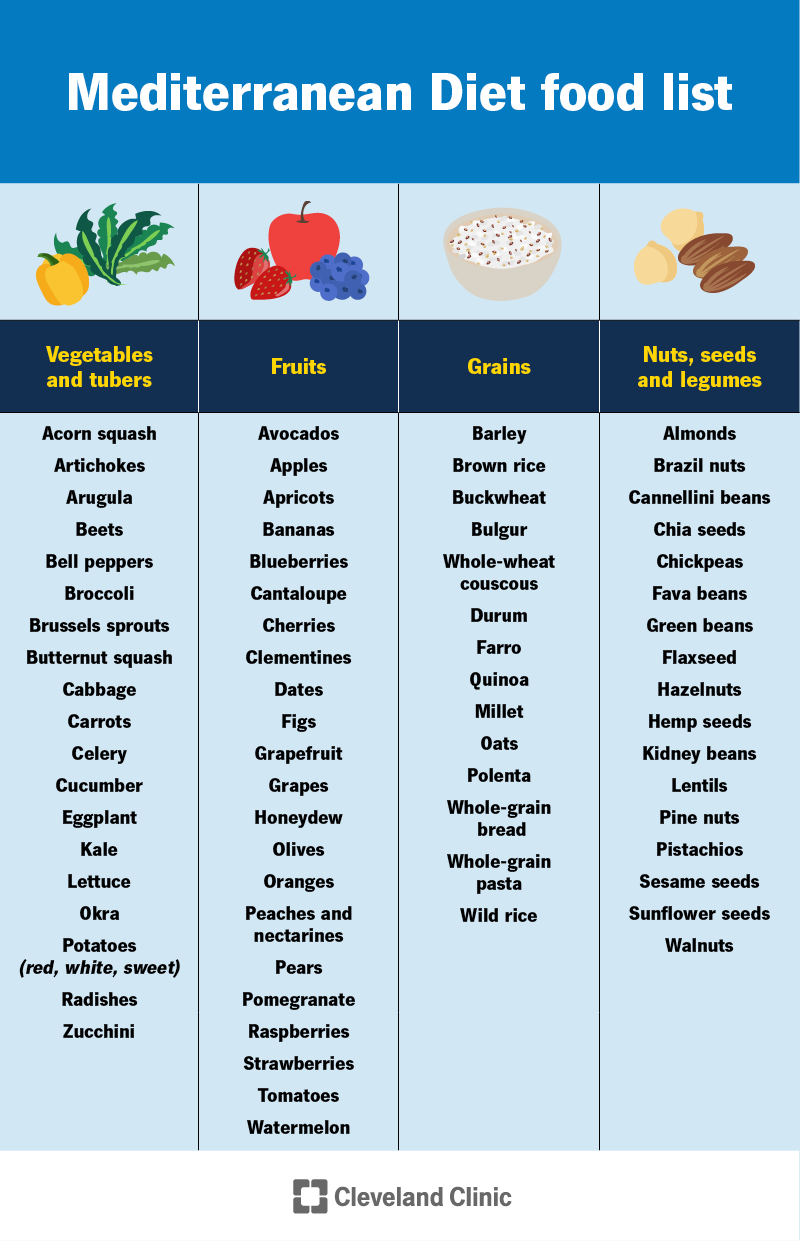
Vegetables and fruits are rich in fiber and antioxidants. They help lower LDL cholesterol and protect arteries. Eat a variety of colors to get different nutrients. Leafy greens, tomatoes, berries, and citrus fruits are great options. Fresh, frozen, or lightly cooked forms keep their benefits intact.
Whole Grains And Legumes
Whole grains like oats, brown rice, and barley improve cholesterol levels. They contain soluble fiber that reduces bad cholesterol. Legumes such as beans, lentils, and chickpeas are also excellent. These foods provide protein and fiber without unhealthy fats. Regular consumption supports heart health and digestion.
Nuts, Seeds, And Olive Oil
Nuts and seeds offer healthy fats that raise good cholesterol. Almonds, walnuts, flaxseeds, and chia seeds are good choices. Olive oil is a staple in the Mediterranean diet. It is rich in monounsaturated fats and antioxidants. Use olive oil for cooking or dressings instead of butter or margarine.
Fish And Seafood
Fish and seafood provide omega-3 fatty acids that benefit the heart. Fatty fish like salmon, mackerel, and sardines lower triglycerides and inflammation. Aim to eat fish at least twice a week. Choose grilled, baked, or steamed options to avoid added unhealthy fats.

Credit: www.nutrisense.io
Foods To Limit
Controlling high cholesterol involves not only eating good foods but also limiting certain harmful ones. The Mediterranean diet encourages foods that support heart health. At the same time, some foods can raise bad cholesterol levels. Knowing which foods to limit helps protect your heart and improve cholesterol numbers.
Saturated And Trans Fats
Saturated fats raise LDL cholesterol, the bad kind. These fats are found in butter, cheese, and cream. Trans fats are worse and increase bad cholesterol while lowering good cholesterol. They appear in margarine, baked goods, and fried foods. Avoid these fats to keep cholesterol in check.
Processed And Fatty Meats
Processed meats like sausages, hot dogs, and bacon are high in saturated fat and salt. Fatty cuts of beef, pork, and lamb also raise bad cholesterol. These meats contribute to clogged arteries and heart disease. Limiting their intake supports better cholesterol levels.
Refined Grains And Added Sugars
Refined grains such as white bread, white rice, and pasta lack fiber. They can cause blood sugar spikes and increase triglycerides. Added sugars in sweets, soda, and desserts add empty calories. These sugars may raise bad cholesterol and lower good cholesterol.
Highly Processed Foods
Highly processed foods often contain unhealthy fats, sugars, and salt. Ready-made meals, snacks, and fast food usually fall into this group. These foods can increase inflammation and harm heart health. Choosing fresh, whole foods supports better cholesterol control.
Meal Planning Tips
Effective meal planning is key for managing high cholesterol with the Mediterranean diet. Thoughtful choices help maintain heart health and control cholesterol levels. Planning meals ahead reduces temptation to eat unhealthy foods.
Focus on nutrient-rich ingredients and balanced portions. This approach supports overall well-being and makes sticking to the diet easier. Below are essential tips for successful meal planning.
Balancing Protein Sources
Choose a variety of protein sources to keep meals interesting and healthy. Include fish rich in omega-3, such as salmon and mackerel. Plant proteins like beans, lentils, and chickpeas provide fiber and nutrients. Limit red meat and replace it with lean poultry occasionally.
Incorporating Healthy Fats
Use extra virgin olive oil as the main cooking fat. Add nuts and seeds to salads and snacks for healthy fats and texture. Avocados also offer good fats and vitamins. Avoid butter, margarine, and processed oils that raise bad cholesterol.
Choosing Whole Grains
Select whole grains over refined grains to increase fiber intake. Brown rice, quinoa, barley, and whole wheat bread are excellent choices. Fiber helps reduce cholesterol and promotes digestion. Read labels carefully to avoid hidden sugars and refined flours.
Portion Control Strategies
Control portion sizes to avoid overeating and weight gain. Use smaller plates and bowls to help manage servings visually. Focus on filling half your plate with vegetables and fruits. Measure servings of grains and proteins to keep balance. Eating slowly improves digestion and satisfaction.
Lifestyle Factors
Lifestyle factors play a key role in managing high cholesterol alongside the Mediterranean diet. Simple daily habits can boost heart health and improve cholesterol levels. These habits work together with diet to create a strong defense against heart disease.
Physical Activity
Regular exercise helps raise good HDL cholesterol. It also lowers bad LDL cholesterol and triglycerides. Aim for at least 30 minutes of moderate activity most days. Walking, cycling, and swimming are great choices. Physical activity strengthens the heart and improves blood flow. It also helps maintain a healthy weight.
Weight Management
Carrying extra weight raises cholesterol and heart disease risk. Losing even a small amount of weight can lower LDL cholesterol. The Mediterranean diet supports healthy weight loss with nutrient-rich foods. Focus on portion control and balanced meals. Avoid processed foods that add empty calories. Maintaining a healthy weight reduces stress on the heart and arteries.
Stress Reduction
Stress can negatively affect cholesterol levels and heart health. Finding ways to relax helps keep cholesterol in check. Try deep breathing, meditation, or yoga. Spending time outdoors and connecting with friends also reduces stress. Managing stress supports a healthy lifestyle and improves overall well-being.
Scientific Evidence
The Mediterranean diet has strong scientific support for improving cholesterol levels. Researchers have studied its effects on blood fats and heart health. This evidence helps explain why experts recommend this diet for people with high cholesterol.
Scientific studies show clear benefits from eating Mediterranean-style foods. These benefits include better lipid profiles and lower heart disease risk. The diet’s focus on healthy fats, fiber, and antioxidants plays a key role.
Studies On Lipid Improvement
Several studies found that the Mediterranean diet lowers LDL cholesterol. It also helps reduce triglycerides, which are harmful blood fats. At the same time, the diet raises HDL cholesterol, the “good” kind.
One large study showed participants on this diet had a 10-15% drop in LDL levels. Another trial found a significant decrease in triglycerides after just a few months. These changes improve overall cholesterol balance and reduce artery plaque buildup.
Impact On Heart Disease Risk
Research links the Mediterranean diet to a lower risk of heart attacks and strokes. People who follow this diet have fewer heart-related problems over time. The diet’s anti-inflammatory and antioxidant properties protect blood vessels.
Long-term studies reveal that Mediterranean eating patterns reduce heart disease deaths by up to 30%. This effect comes from better cholesterol control and improved blood vessel health. The diet supports heart function and lowers blood pressure as well.
Credit: my.clevelandclinic.org
Common Challenges
Adopting the Mediterranean diet to manage high cholesterol comes with some common challenges. Changing eating habits is not easy. You may face difficulties in social settings and daily routines. Recognizing these challenges helps you prepare and stay committed. Below are key obstacles and simple strategies to handle them.
Eating Out Tips
Restaurants often serve foods high in unhealthy fats. Choose dishes with grilled fish, vegetables, or salads. Ask for olive oil instead of butter or creamy sauces. Request whole grain bread or side dishes. Avoid fried foods and heavy dressings. Planning ahead by checking menus online helps make better choices.
Overcoming Cravings
Cravings for sweets or fried foods can be strong. Replace sugary snacks with fresh fruit or nuts. Keep healthy snacks handy to avoid temptation. Drink water or herbal tea to reduce hunger. Focus on the benefits of eating well for your heart. Small rewards like a favorite fruit can satisfy cravings safely.
Sustaining Long-term Changes
Long-term diet changes need patience and consistency. Set realistic goals and track your progress. Cook Mediterranean meals at home to control ingredients. Share your goals with family or friends for support. Vary your meals to avoid boredom. Remember, small steps add up to lasting health benefits.
Practical Recipes
Practical recipes make the Mediterranean diet easy to follow for high cholesterol. Simple meals can fit into any daily routine. Focus on fresh ingredients and balanced flavors. These recipes support heart health and keep cholesterol levels in check.
Breakfast Ideas
Start your day with oatmeal topped with walnuts and fresh berries. Whole-grain toast with avocado and a sprinkle of olive oil makes a creamy, healthy choice. Greek yogurt mixed with chopped fruits and a drizzle of honey offers protein and antioxidants. These options provide fiber and healthy fats to lower bad cholesterol.
Lunch And Dinner Options
Enjoy grilled salmon with a side of quinoa and steamed broccoli. Mediterranean salads with tomatoes, cucumbers, olives, and feta cheese create a light, satisfying meal. Chickpea stew with garlic, onions, and spices offers plant-based protein and fiber. Use olive oil for cooking and dressings to boost good fats. These dishes help reduce LDL cholesterol and improve heart health.
Healthy Snacks
Snack on a handful of almonds or walnuts to keep hunger away. Fresh vegetable sticks with hummus provide fiber and protein between meals. A small bowl of mixed berries or an apple offers natural sweetness and antioxidants. These snacks support cholesterol control without added sugars or unhealthy fats.
Conclusion
The Mediterranean diet offers a natural way to improve cholesterol levels. It focuses on healthy fats, fresh fruits, and whole grains. These foods help lower bad cholesterol and raise good cholesterol. Eating less processed and fatty meats also supports heart health.
Small changes in daily meals can make a big difference. This diet fits well with many lifestyles and tastes. Try adding more fish, nuts, and vegetables to your plate. Your heart will thank you for it.