


Looking for a lunch that’s not only delicious but also good for your health? The Mediterranean diet lunch might be exactly what you need.
Imagine fresh veggies, wholesome grains, healthy fats, and lean proteins coming together in vibrant, flavorful meals that fuel your body and satisfy your taste buds. Whether you’re aiming to boost energy, lose weight, or simply enjoy nutrient-packed food, this way of eating makes lunchtime exciting and nourishing.
Ready to discover easy, tasty Mediterranean lunch ideas that fit your lifestyle? Keep reading to unlock simple tips and recipes that will transform your midday meal into a healthy habit you’ll love.

Credit: www.purewow.com
Mediterranean Diet Basics
The Mediterranean diet is a healthy eating style inspired by traditional foods from countries near the Mediterranean Sea. It emphasizes fresh, whole foods rich in nutrients and flavor. Meals focus on natural ingredients that support heart health and overall wellbeing.
This diet is simple to follow and includes a variety of foods that are easy to find. It encourages balance and enjoyment in every meal. The Mediterranean diet basics help you create delicious lunches full of taste and nutrition.
Core Ingredients
Fresh vegetables and fruits are the foundation of the Mediterranean diet. Common choices include tomatoes, cucumbers, spinach, and olives. Whole grains like brown rice, quinoa, and whole wheat bread provide energy and fiber. Legumes such as lentils and chickpeas add texture and nutrients to meals.
Protein Choices
Lean proteins play a key role in Mediterranean lunches. Fish and seafood are eaten frequently, often grilled or baked. Poultry like chicken and turkey are good options for moderate protein intake. Plant-based proteins such as beans, lentils, nuts, and seeds offer variety and health benefits. Red meat is limited and chosen carefully when consumed.
Fats And Oils
Healthy fats are essential in this diet. Olive oil is the main fat source used for cooking and dressings. It contains heart-friendly monounsaturated fats. Nuts and seeds provide additional healthy fats and a satisfying crunch. Avoid processed or hydrogenated fats to keep meals wholesome and nutritious.
:max_bytes(150000):strip_icc()/gut-health-bowl-beauty-060_preview_maxWidth_4000_maxHeight_4000_ppi_300_quality_100-9d0ceaf9f0ed4d90bb4691387bb8fbe9.jpg)
Credit: www.eatingwell.com
Lunch Benefits
The Mediterranean diet offers many benefits for lunch. It helps fuel your body and keeps you satisfied. Meals are rich in fresh vegetables, healthy fats, and lean proteins. This balance supports good health and steady energy throughout the day.
Eating Mediterranean lunch also promotes a healthy weight. The foods are nutrient-dense and support overall wellness. Let’s explore key benefits of a Mediterranean diet lunch.
Energy Boosting Foods
Lunches include whole grains, nuts, and fresh fruits. These foods release energy slowly, avoiding sugar crashes. Olive oil and fish add healthy fats that keep energy stable. This combination helps maintain focus and productivity.
Nutrient Density
Meals contain many vitamins and minerals from fresh vegetables. Leafy greens provide fiber and antioxidants that protect cells. Legumes offer protein and iron to support body functions. This nutrient richness keeps the body strong and healthy.
Weight Management
The diet emphasizes portion control and natural foods. Healthy fats and fiber create fullness, reducing overeating. Lean proteins support muscle mass and metabolism. Regular Mediterranean lunches can help maintain or lose weight safely.
Easy Recipe Ideas
Easy Mediterranean diet lunch recipes bring fresh flavors and simple steps. These ideas save time and keep meals healthy. They suit busy days and support your wellness goals.
Try colorful ingredients and wholesome choices. Enjoy meals full of taste and nutrition. Here are some easy recipes to inspire your next lunch.
Grain Bowls With Veggies
Start with cooked whole grains like quinoa or brown rice. Add chopped cucumbers, tomatoes, and bell peppers. Mix in olives and a handful of fresh herbs. Top with crumbled feta cheese or a boiled egg. Drizzle olive oil and lemon juice for dressing. This bowl is filling and rich in fiber.
Mediterranean Sandwiches
Use whole-grain bread or pita pockets. Layer with hummus, fresh spinach, and sliced tomatoes. Add grilled chicken or tuna for protein. Include sliced cucumbers and red onions for crunch. Sprinkle oregano or basil for extra flavor. These sandwiches are easy to pack and eat on the go.
Salads With Lean Proteins
Choose mixed greens like arugula or romaine. Add cherry tomatoes, cucumbers, and red onions. Include lean proteins such as grilled fish, shrimp, or chickpeas. Toss with olive oil and vinegar dressing. Top with nuts or seeds for crunch. This salad offers a perfect balance of nutrients.
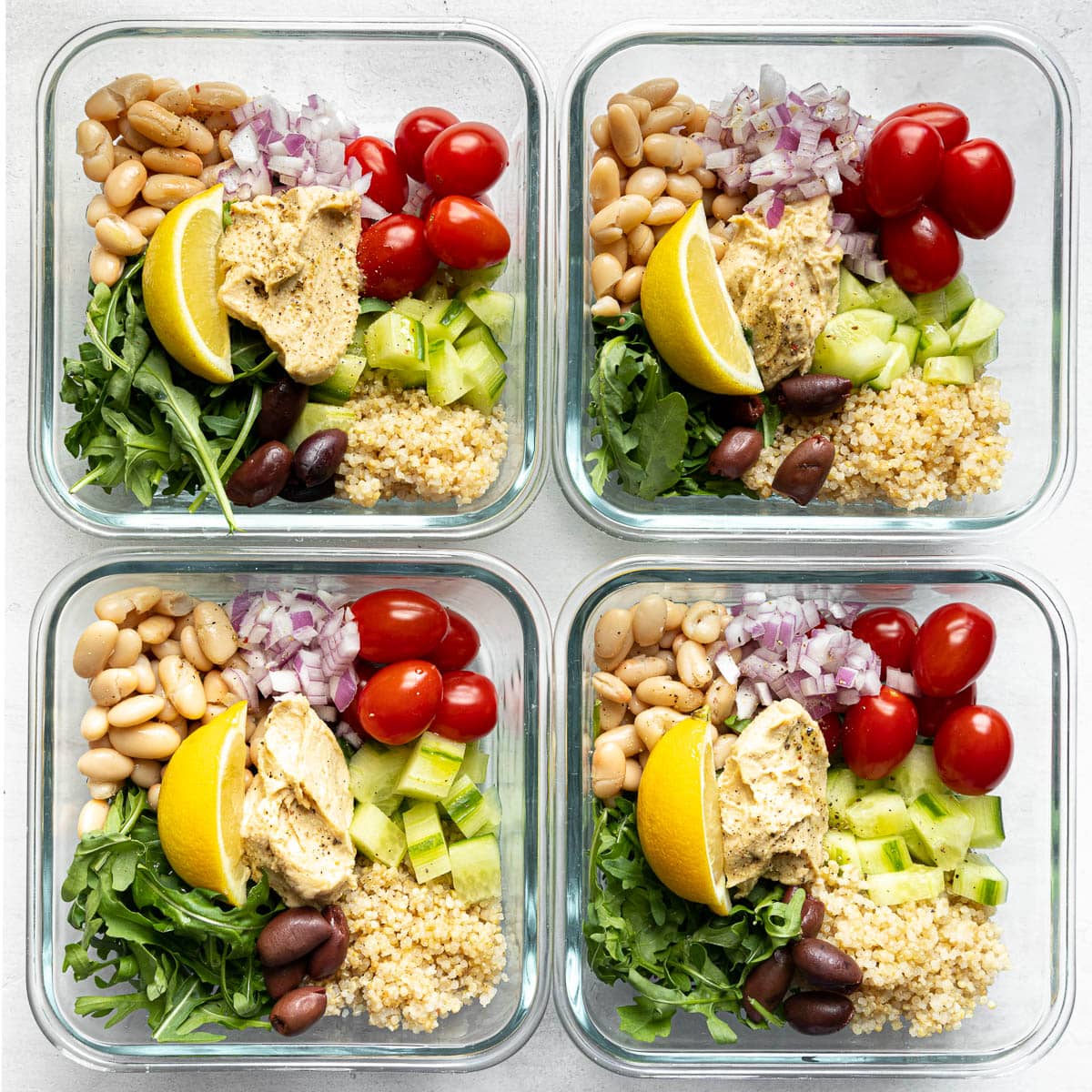
Credit: glowinglywell.com
Avoiding Processed Meats
Avoiding processed meats is a key step in crafting a healthy Mediterranean diet lunch. Processed meats often contain additives and high sodium levels that do not align with the diet’s focus on fresh, natural foods. Skipping these can improve overall health and keep your meals true to Mediterranean principles.
Choosing fresh, wholesome ingredients supports better nutrition and flavor. The Mediterranean diet encourages lean proteins and plant-based options instead of processed meat products.
Why Skip Deli Meats
Deli meats are processed foods with added preservatives. They contain high amounts of salt to extend shelf life. These factors make them less suitable for a clean, balanced diet. The Mediterranean diet advises limiting or avoiding such meats to promote better health.
Health Risks
Processed meats increase the risk of heart disease and certain cancers. High sodium levels can raise blood pressure. Preservatives like nitrites may harm your body over time. Eating these meats often can lead to long-term health problems.
Better Alternatives
Fresh fish and seafood are staples in the Mediterranean diet. Lean poultry like chicken or turkey fits well too. Plant-based proteins such as legumes, nuts, and seeds offer excellent nutrition. Eggs provide a versatile, healthy protein source. Choosing these options boosts health and keeps lunches tasty.
Plant-based Protein Options
The Mediterranean diet values plant-based proteins for lunch meals. These options provide essential nutrients and keep meals light yet satisfying. They support heart health and offer fiber, vitamins, and minerals. Including plant proteins helps maintain energy throughout the day.
Legumes And Beans
Legumes and beans are staples in Mediterranean lunches. Chickpeas, lentils, and black beans are common choices. They deliver high protein and fiber, aiding digestion and fullness. These foods blend well in salads, stews, or wraps. Their rich taste pairs nicely with fresh herbs and olive oil.
Nuts And Seeds
Nuts and seeds add crunch and nutrition to meals. Almonds, walnuts, and sunflower seeds are popular picks. They provide healthy fats, protein, and important minerals. A small handful enhances salads, grain bowls, or side dishes. Their natural flavors complement Mediterranean herbs and spices.
Eggs And Dairy
Eggs and dairy products serve as versatile protein sources. Eggs can be boiled, poached, or made into omelets. Greek yogurt and cheeses like feta offer creamy textures and calcium. These ingredients enrich meals with taste and nutrition. They fit well alongside vegetables and whole grains.
Seafood And Poultry Picks
Seafood and poultry are key proteins in the Mediterranean diet lunch. They provide essential nutrients and promote heart health. These options add variety and keep meals light yet filling. Choosing the right kinds boosts the diet’s benefits.
Best Fish Choices
Fatty fish like salmon, mackerel, and sardines are top picks. They contain omega-3 fatty acids that support brain and heart health. White fish such as cod and haddock are lean and versatile. Freshness matters most for flavor and nutrition. Grilling or baking fish preserves nutrients without added fat.
Lean Poultry Tips
Chicken and turkey are ideal lean poultry choices. Remove the skin to reduce unhealthy fat intake. Use herbs and spices for taste instead of heavy sauces. Cooking methods like roasting or grilling keep poultry healthy. Avoid fried or breaded options to stay true to the diet’s principles.
Frequency Recommendations
Seafood should be included two to three times per week. Poultry can be eaten up to twice a week. Balance meals with plenty of vegetables and whole grains. Red meat and processed meats should be limited to rare occasions. This pattern supports long-term health and weight control.
Incorporating Healthy Fats
Incorporating healthy fats is a key part of a Mediterranean diet lunch. These fats support heart health and help keep you full longer. They also add rich flavors to simple dishes. Choosing the right fats can boost your energy and improve digestion.
Extra Virgin Olive Oil Uses
Extra virgin olive oil is a staple in the Mediterranean diet. Use it to dress salads or drizzle on roasted vegetables. It works well as a dip for fresh bread. Cooking with olive oil adds a smooth, fruity taste. This oil is rich in antioxidants and good fats.
Avocado Benefits
Avocados bring creamy texture and healthy fats to your lunch. They contain monounsaturated fats, which support heart health. Avocados also provide fiber, vitamins, and minerals. Spread sliced avocado on whole grain toast or add it to salads. Their mild flavor pairs well with many ingredients.
Nuts And Seeds
Nuts and seeds are perfect for snacks or meal toppings. Almonds, walnuts, and pistachios offer healthy fats and protein. Chia seeds and flaxseeds add omega-3 fatty acids and fiber. Sprinkle them on yogurt, salads, or grain bowls. They give a satisfying crunch and boost nutrition.
Sample Meal Plans
Sample meal plans help bring the Mediterranean diet to life. They show simple, tasty ways to enjoy healthy lunches every day. These plans focus on fresh ingredients, balanced flavors, and easy preparation. Below are some ideas to inspire your midday meals.
Quick Lunch Bowls
Lunch bowls make meals fast and flexible. Start with a base of whole grains like quinoa or brown rice. Add fresh vegetables such as cucumbers, tomatoes, and olives. Include a protein source like grilled chicken, chickpeas, or feta cheese. Drizzle olive oil and lemon juice for flavor. This bowl is colorful, filling, and full of nutrients.
Mediterranean Sandwich Combinations
Sandwiches can be healthy and exciting too. Use whole-grain bread or pita pockets. Fill them with hummus, roasted vegetables, and leafy greens. Add slices of grilled turkey or a few olives for taste. Fresh herbs like basil or parsley brighten the flavor. These sandwiches are easy to pack and eat on the go.
Fresh Salads
Salads are a staple in the Mediterranean lunch. Mix leafy greens with cherry tomatoes, cucumbers, and red onions. Toss in some nuts or seeds for crunch. Add protein like boiled eggs or canned tuna. Dress with extra virgin olive oil and a splash of vinegar. Fresh salads are light, satisfying, and quick to make.
Tips For Meal Prep
Preparing Mediterranean diet lunches ahead saves time and keeps meals healthy. Planning meal prep helps maintain a balanced diet. It reduces stress during busy weekdays. Use simple strategies to make your meal prep easier and more efficient.
Batch Cooking
Cook large portions of grains like quinoa or brown rice at once. Prepare roasted vegetables in bulk for several meals. Make big batches of salads or protein dishes like grilled chicken. Store portions in individual containers for quick access. Batch cooking cuts down daily cooking time significantly.
Ingredient Storage
Keep fresh herbs in water to stay fresh longer. Store leafy greens in airtight containers with a paper towel. Use glass jars for chopped vegetables to preserve freshness. Keep nuts and seeds in cool, dry places to avoid spoilage. Proper storage maintains ingredient quality and taste.
Time-saving Hacks
Use pre-washed salad greens and pre-cut vegetables from the store. Use canned beans and lentils as quick protein options. Prepare dressings and sauces in advance to add flavor fast. Use kitchen tools like food processors to chop ingredients quickly. These hacks speed up your lunch preparation.
Conclusion
A Mediterranean diet lunch offers fresh, simple, and tasty meals. Focus on vegetables, whole grains, and healthy fats like olive oil. Include lean proteins such as fish, poultry, or legumes for energy. Avoid processed meats like deli cuts to stay healthy.
Eating this way supports heart health and overall wellness. Enjoy colorful, natural foods that nourish your body daily. Try different recipes to keep your lunches exciting and balanced. Small changes bring lasting benefits to your diet and lifestyle.