


The Mediterranean diet is more than just a way of eating; it’s a lifestyle that emphasizes fresh, wholesome ingredients and a balanced approach to nutrition. Originating from the countries bordering the Mediterranean Sea, this diet is characterized by its rich flavors and vibrant colors, showcasing the bounty of local produce, grains, and healthy fats. You may find yourself drawn to this diet not only for its delicious meals but also for its emphasis on communal dining and enjoying food in a relaxed setting.
By adopting the Mediterranean diet, you can immerse yourself in a culinary tradition that celebrates both health and pleasure. At its core, the Mediterranean diet encourages you to consume a variety of foods, including fruits, vegetables, whole grains, legumes, nuts, and olive oil. It also promotes moderate consumption of fish and poultry while limiting red meat and processed foods.
This approach not only nourishes your body but also fosters a deeper connection to the food you eat. As you explore the Mediterranean diet, you may discover new flavors and cooking techniques that inspire you to create meals that are both satisfying and nutritious.
Key Takeaways
- The Mediterranean Diet is a heart-healthy eating plan inspired by the traditional dietary patterns of countries bordering the Mediterranean Sea.
- Health benefits of the Mediterranean Diet include reduced risk of heart disease, stroke, and diabetes, as well as improved weight management and overall well-being.
- Pasta is a staple in the Mediterranean Diet, providing a good source of energy and essential nutrients such as fiber, iron, and B vitamins.
- When choosing pasta for a Mediterranean Diet recipe, opt for whole grain or whole wheat varieties for added fiber and nutrients.
- Ingredients for a Mediterranean Diet pasta recipe typically include olive oil, garlic, tomatoes, fresh herbs, vegetables, and lean protein such as fish or chicken.
Health Benefits of the Mediterranean Diet
One of the most compelling reasons to embrace the Mediterranean diet is its numerous health benefits. Research has consistently shown that this way of eating can lead to improved heart health, reduced risk of chronic diseases, and enhanced overall well-being. By focusing on whole foods and healthy fats, you can lower your cholesterol levels and improve your cardiovascular health.
The abundance of fruits and vegetables in this diet provides essential vitamins, minerals, and antioxidants that help combat inflammation and oxidative stress in your body. Moreover, the Mediterranean diet has been linked to better cognitive function and a lower risk of neurodegenerative diseases such as Alzheimer’s. The inclusion of omega-3 fatty acids from fish and healthy fats from olive oil supports brain health and may even enhance memory and cognitive performance.
As you incorporate more Mediterranean-inspired meals into your routine, you may find that not only do you feel better physically, but your mental clarity and mood improve as well.
Importance of Pasta in the Mediterranean Diet
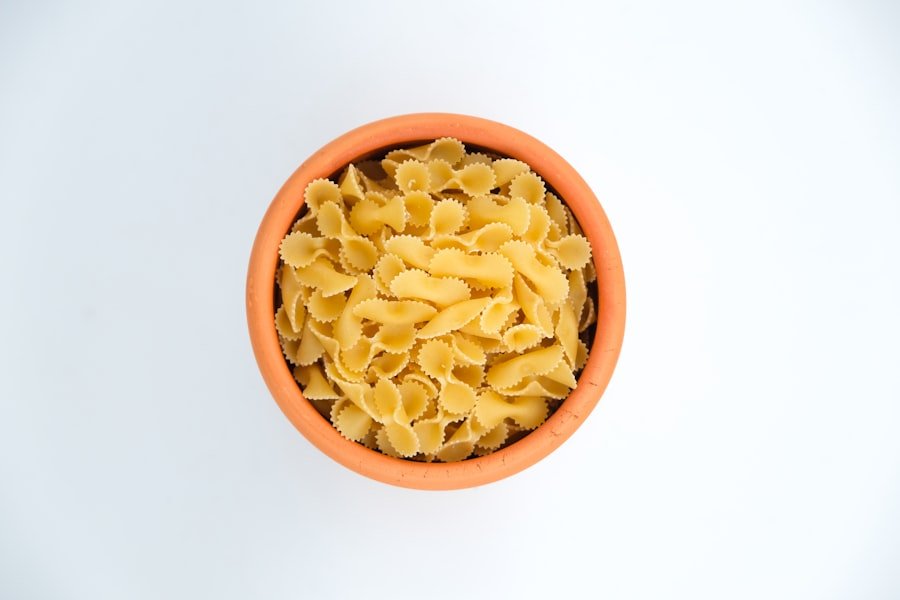
Pasta holds a special place in the Mediterranean diet, particularly in Italian cuisine. It serves as a versatile base for countless dishes, allowing you to combine it with a variety of ingredients to create flavorful meals. When prepared mindfully, pasta can be a healthy component of your diet, providing energy through complex carbohydrates while also being a vehicle for incorporating vegetables, lean proteins, and healthy fats.
You might find that pasta is not just a staple but a canvas for your culinary creativity. In addition to its versatility, pasta is often made from whole grains, which adds fiber and nutrients to your meals. Whole grain pasta can help regulate blood sugar levels and keep you feeling full longer.
As you explore different pasta shapes and types, you’ll discover how they can enhance the texture and presentation of your dishes. Whether you prefer spaghetti, penne, or farfalle, pasta can be an integral part of your Mediterranean diet journey.
Choosing the Right Pasta for a Mediterranean Diet Recipe
| Pasta Type | Calories per 100g | Protein per 100g | Carbohydrates per 100g | Fiber per 100g |
|---|---|---|---|---|
| Whole Wheat Spaghetti | 371 | 13g | 75g | 12g |
| Whole Wheat Penne | 352 | 12g | 71g | 11g |
| Whole Wheat Fusilli | 356 | 13g | 70g | 11g |
| Whole Wheat Farfalle | 354 | 13g | 71g | 11g |
When selecting pasta for your Mediterranean diet recipes, it’s essential to consider both the type of pasta and its nutritional content. Whole grain pasta is an excellent choice as it retains more fiber and nutrients compared to refined white pasta. You may also want to explore alternative options such as chickpea or lentil pasta, which are high in protein and fiber while being gluten-free.
These alternatives can add variety to your meals while aligning with the principles of the Mediterranean diet. As you choose your pasta, think about how it will complement the other ingredients in your dish. For example, long strands like spaghetti work well with lighter sauces made from olive oil and vegetables, while short shapes like fusilli or penne are perfect for heartier sauces or baked dishes.
By considering the texture and flavor profile of your chosen pasta, you can create a harmonious balance in your meal that highlights the best aspects of the Mediterranean diet.
Ingredients for a Mediterranean Diet Pasta Recipe
Creating a delicious Mediterranean diet pasta dish involves selecting fresh, high-quality ingredients that reflect the flavors of the region. Start with a base of whole grain or alternative pasta, then add an array of colorful vegetables such as bell peppers, zucchini, cherry tomatoes, or spinach. These vegetables not only provide essential nutrients but also add vibrant colors and textures to your dish.
In addition to vegetables, consider incorporating lean proteins such as grilled chicken or shrimp for added flavor and nutrition. You might also want to include legumes like chickpeas or lentils for a plant-based protein option. Don’t forget about healthy fats; a drizzle of extra virgin olive oil can elevate your dish while providing heart-healthy monounsaturated fats.
Finally, enhance your recipe with fresh herbs like basil or parsley and a sprinkle of feta cheese for an authentic Mediterranean touch.
Step-by-Step Instructions for Making Mediterranean Diet Pasta

To create a delightful Mediterranean diet pasta dish, start by cooking your chosen pasta according to the package instructions until al dente. While the pasta cooks, prepare your vegetables by washing and chopping them into bite-sized pieces. In a large skillet over medium heat, add a generous drizzle of extra virgin olive oil and sauté garlic until fragrant.
Then add your chopped vegetables and cook until they are tender yet still vibrant. Once your vegetables are cooked to perfection, drain the pasta and add it directly to the skillet with the sautéed vegetables. Toss everything together gently to combine the flavors.
If desired, you can add cooked protein at this stage or mix in some canned chickpeas for added texture. Season with salt, pepper, and fresh herbs to taste. Allow everything to cook together for another minute or two before serving hot.
Tips for Enhancing the Flavor of Mediterranean Diet Pasta
To take your Mediterranean diet pasta dish to the next level, consider incorporating various flavor-enhancing techniques. One effective method is to use high-quality ingredients; fresh herbs like basil or oregano can significantly elevate the taste of your dish. You might also experiment with different types of olives or sun-dried tomatoes for added depth and richness.
Another way to enhance flavor is by adding acidity through ingredients like lemon juice or balsamic vinegar. A splash of acidity can brighten up your dish and balance out richer flavors from olive oil or cheese. Additionally, consider garnishing with toasted pine nuts or walnuts for added crunch and nuttiness.
These small touches can transform an ordinary meal into an extraordinary culinary experience.
Serving Suggestions for Mediterranean Diet Pasta
When it comes to serving your Mediterranean diet pasta dish, presentation matters just as much as flavor. Consider plating your pasta in shallow bowls to showcase its vibrant colors and textures. You might want to garnish with freshly grated Parmesan cheese or crumbled feta for an appealing finish.
A sprinkle of fresh herbs on top can add a pop of color while enhancing the overall flavor profile. Pairing your pasta with complementary side dishes can also enhance the dining experience. A simple arugula salad drizzled with lemon vinaigrette can provide a refreshing contrast to the richness of the pasta.
Alternatively, serve crusty whole-grain bread on the side for dipping into any leftover sauce. These thoughtful serving suggestions will make your meal feel complete while staying true to the principles of the Mediterranean diet.
Nutritional Information for Mediterranean Diet Pasta
Understanding the nutritional information of your Mediterranean diet pasta dish can help you make informed choices about portion sizes and ingredients. A typical serving of whole grain pasta (about 2 ounces dry) contains approximately 200 calories, 7 grams of protein, 1 gram of fat, and 6 grams of fiber. When combined with vegetables and lean proteins, this meal becomes even more nutrient-dense.
The addition of olive oil contributes healthy fats that are beneficial for heart health while providing flavor. If you include protein sources like chicken or chickpeas, you’ll increase the overall protein content of your meal significantly. By being mindful of portion sizes and ingredient choices, you can enjoy a satisfying meal that aligns with your health goals while embracing the deliciousness of the Mediterranean diet.
Variations and Substitutions for Mediterranean Diet Pasta
One of the joys of cooking is experimenting with variations and substitutions based on personal preferences or dietary needs. If you’re looking for gluten-free options, consider using spiralized vegetables like zucchini or sweet potatoes as a base instead of traditional pasta. This not only adds unique flavors but also increases your vegetable intake.
For those who prefer plant-based meals, you can easily substitute animal proteins with legumes or tofu while maintaining the essence of Mediterranean flavors through herbs and spices. Additionally, feel free to mix up the vegetables based on what’s in season or available at your local market; this flexibility allows you to create new dishes each time while staying true to the principles of the Mediterranean diet.
Enjoying the Delicious and Healthy Mediterranean Diet Pasta
In conclusion, embracing the Mediterranean diet through delicious pasta dishes offers a pathway to improved health and culinary enjoyment. By focusing on fresh ingredients, whole grains, healthy fats, and vibrant flavors, you can create meals that nourish both body and soul. As you explore various recipes and techniques within this dietary framework, you’ll likely find yourself inspired by the rich traditions that accompany each dish.
Ultimately, enjoying Mediterranean diet pasta is about more than just sustenance; it’s about savoring each bite in good company while celebrating life’s simple pleasures. So gather around the table with friends or family, share stories over a plate of flavorful pasta, and relish in the joy that comes from nourishing yourself with wholesome food inspired by one of the world’s most beloved culinary traditions.