


Are you ready to transform your eating habits without spending a dime? The Mediterranean Diet Plan Free offers you a simple, natural way to enjoy delicious meals while boosting your health.
Imagine savoring fresh fruits, wholesome grains, and heart-healthy fats every day—all without complicated rules or expensive ingredients. This plan fits right into your lifestyle and helps you feel energized and satisfied. Keep reading to discover easy tips, tasty recipes, and smart shopping ideas that make following the Mediterranean diet effortless and enjoyable for you.
Your journey to better health starts here!
Mediterranean Diet Basics
The Mediterranean Diet is a healthy eating style inspired by the traditional foods of countries around the Mediterranean Sea. It emphasizes fresh, whole foods that support overall wellness and longevity. This diet focuses on balance and variety, making it easy to follow and enjoy. Understanding the basics helps you make smart food choices that benefit your body and mind.
Core Food Groups
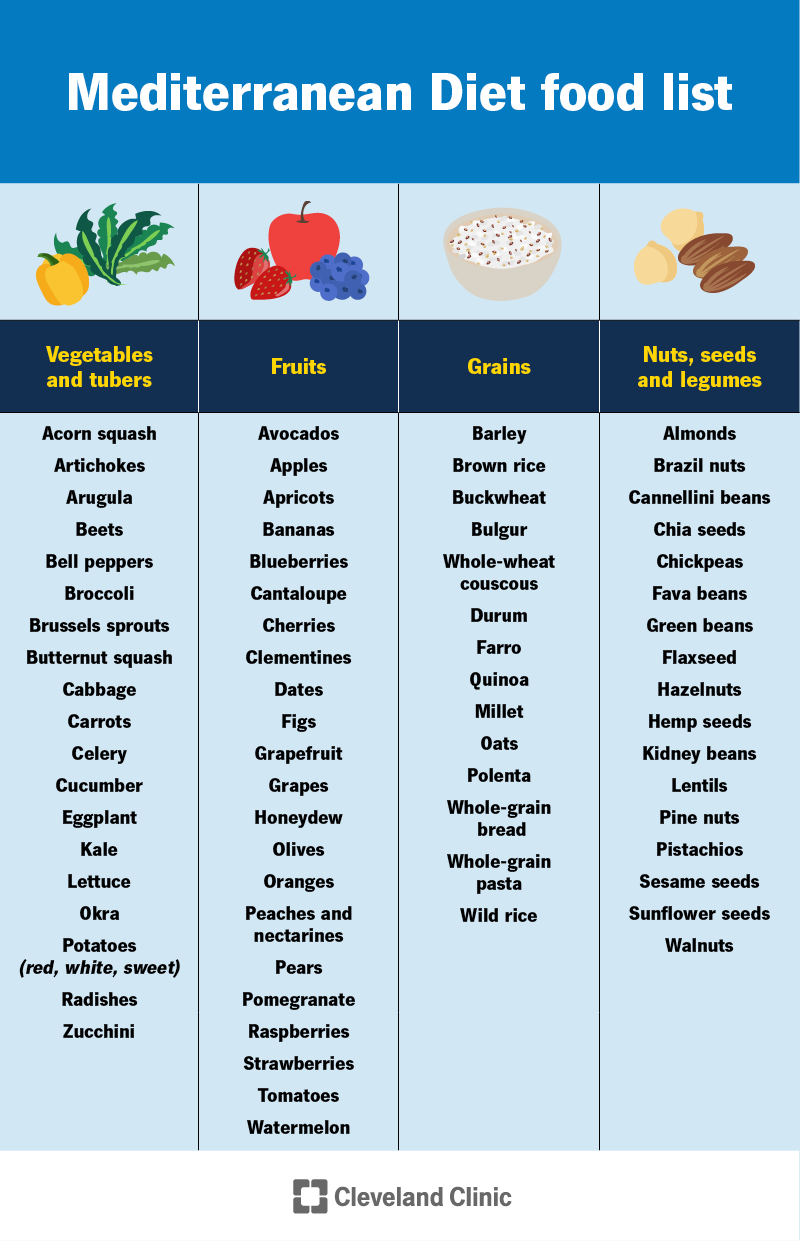
The diet centers on vegetables, fruits, whole grains, and legumes. Olive oil is the main source of fat. Nuts and seeds add healthy fats and protein. Fish and seafood are eaten often. Poultry, eggs, and dairy come in moderate amounts. Red meat is limited to small portions. Herbs and spices replace salt for flavor.
Health Benefits
This diet supports heart health by lowering bad cholesterol. It helps reduce inflammation and improve blood sugar control. Many people find it aids in weight management. It also promotes brain health and may lower the risk of chronic diseases. Eating this way boosts energy and overall well-being.
Common Myths
Some think the diet is only about eating fish. It includes many plant-based foods too. Another myth is that it is expensive. Most ingredients are affordable and easy to find. Some believe it is low in protein. The diet includes plenty of protein from fish, legumes, and nuts. It is not a strict diet but a flexible lifestyle.
Credit: my.clevelandclinic.org
Foods To Enjoy
The Mediterranean Diet Plan Free emphasizes natural, wholesome foods rich in nutrients. This diet focuses on fresh, simple ingredients that support good health. Below are key food groups to enjoy regularly for a balanced Mediterranean diet.
Fruits And Vegetables
Fruits and vegetables form the base of the Mediterranean diet. Choose colorful, fresh produce like tomatoes, cucumbers, spinach, and oranges. They provide essential vitamins, minerals, and fiber. Eating a variety daily supports digestion and boosts immunity.
Whole Grains And Legumes
Whole grains like brown rice, quinoa, and barley are staples. Legumes such as lentils, chickpeas, and beans add protein and fiber. These foods offer sustained energy and help maintain healthy blood sugar levels.
Healthy Fats And Oils
Olive oil is the primary fat source in this diet. It contains heart-healthy monounsaturated fats. Use it for cooking or salad dressings. Avoid butter and trans fats. Small amounts of avocado and olives also provide good fats.
Seafood And Poultry
Fish and seafood are eaten often, at least twice a week. Salmon, sardines, and trout provide omega-3 fatty acids. Poultry like chicken is consumed in moderation. Red meat is limited to special occasions.
Nuts And Seeds
Almonds, walnuts, and sunflower seeds make healthy snacks. They contain beneficial fats, protein, and vitamins. Eating a handful daily supports heart health and reduces hunger.
Dairy In Moderation
Cheese and yogurt are included but in small amounts. Choose low-fat or fermented dairy products. These add calcium and probiotics without excess calories. Limit full-fat dairy to maintain balance.
Foods To Limit Or Avoid
Choosing the right foods is key in the Mediterranean Diet Plan Free. Some foods can harm your health and slow your progress. Avoiding or limiting these helps you enjoy the full benefits of this diet. Focus on fresh, natural foods and reduce intake of unhealthy options.
Processed And Ultra-processed Foods
Processed foods often contain chemicals and preservatives. They lose nutrients during production and add unhealthy ingredients. Ultra-processed foods include fast food, frozen meals, and snacks. These can increase inflammation and harm heart health. Choose fresh vegetables, fruits, and whole grains instead.
Added Sugars And Refined Grains
Added sugars hide in many foods like sweets and sauces. Refined grains are found in white bread and white rice. These raise blood sugar quickly and offer little nutrition. They can cause weight gain and energy crashes. Opt for whole grains and natural sweeteners to stay healthy.
Red And Processed Meats
Red meats like beef and pork are high in saturated fat. Processed meats include bacon, sausages, and deli meats. Eating too much increases risk of heart disease and cancer. The Mediterranean Diet favors fish and poultry over red meat. Limit red and processed meat to improve heart health.
Saturated And Trans Fats
Saturated fats come from butter, cheese, and fatty cuts of meat. Trans fats are in some margarine and fried foods. Both raise bad cholesterol and lower good cholesterol. This increases the risk of heart problems. Use olive oil and nuts for healthy fat sources instead.
Sugary Drinks And Snacks
Sugary drinks like soda and fruit juices add empty calories. Snacks like candy and cookies also contain added sugars and unhealthy fats. These contribute to weight gain and poor health. Drink water or herbal tea and choose nuts or fruits for snacks.
:max_bytes(150000):strip_icc()/7-day-med-diet-1200-cal-meal-plan-pinterest-2000-db8d7a174b284954aa6488f9d71e9d6d.jpg)
Credit: www.eatingwell.com
Simple Meal Planning Tips
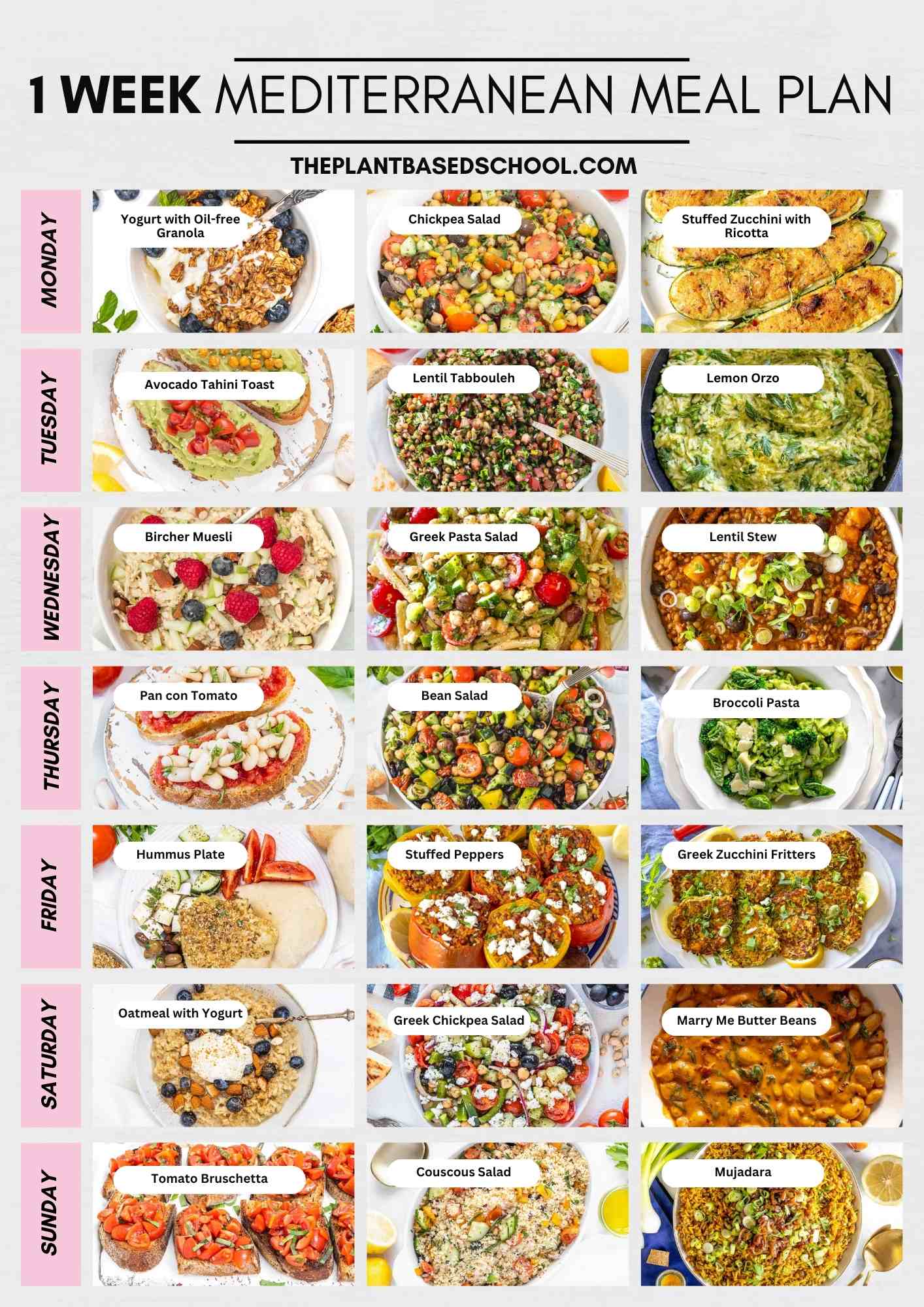
Simple meal planning helps keep the Mediterranean diet easy and enjoyable. It reduces stress and saves time during busy weeks. Planning meals ahead ensures a good balance of nutrients every day. It also helps avoid last-minute unhealthy choices.
Building Balanced Plates
Fill half your plate with colorful vegetables and fruits. Add a quarter with whole grains like brown rice or quinoa. The last quarter should include healthy proteins such as fish, beans, or nuts. Use olive oil for cooking and dressings. This mix provides energy, vitamins, and healthy fats.
Easy Recipe Ideas
Try simple recipes like Greek salad with tomatoes, cucumbers, and feta cheese. Make grilled fish with lemon and herbs for dinner. Prepare hummus with whole-grain pita bread for a quick snack. Cook pasta with olive oil, garlic, and fresh vegetables. These meals are tasty, quick, and fit the Mediterranean style.
Shopping Smart In Austin, Texas
Visit local farmers’ markets for fresh fruits and vegetables. Choose seasonal produce for better taste and price. Look for wild-caught fish at trusted stores. Buy whole grains and nuts in bulk to save money. Read labels to avoid added sugars and processed ingredients. Smart shopping supports your health and wallet.
Incorporating Eggs And Dairy
Incorporating eggs and dairy into a Mediterranean diet plan offers nutritious benefits. These foods provide essential proteins, vitamins, and minerals that support overall health. Choosing the right types and amounts of eggs and dairy helps maintain the balance of this heart-healthy diet.
Eggs Daily?
Eggs are a great source of protein and important nutrients. Eating one egg a day fits well in the Mediterranean diet. They provide vitamins like B12 and minerals like selenium. Eggs support muscle health and brain function. Avoid frying eggs in unhealthy fats. Instead, boil, poach, or scramble them with olive oil. This keeps them light and nutritious.
Choosing Healthy Dairy Options
Dairy plays a moderate role in the Mediterranean diet. Choose low-fat or fermented dairy products. Yogurt and cheese made from sheep or goat milk are common choices. They offer probiotics that help digestion. Avoid high-fat and processed dairy products. These can add unhealthy saturated fats. Include small portions of cheese, milk, or yogurt daily. This adds calcium and protein without excess calories.
Credit: theplantbasedschool.com
Healthy Living With Mediterranean Diet
The Mediterranean diet promotes healthy living by focusing on natural, whole foods. It encourages eating plenty of fruits, vegetables, and healthy fats. This diet supports overall well-being and helps prevent chronic diseases. Simple choices lead to lasting health benefits and a balanced lifestyle.
Weight Management
The Mediterranean diet helps control weight naturally. It includes fiber-rich foods like vegetables and whole grains. These foods keep you full longer and reduce overeating. Healthy fats from olive oil and nuts also support weight loss. Balanced meals prevent blood sugar spikes and crashes.
Heart Health
This diet protects the heart by lowering bad cholesterol levels. It features healthy fats from olive oil and fish rich in omega-3s. Fruits and vegetables provide antioxidants that fight inflammation. Whole grains improve blood pressure and blood vessel function. Eating this way reduces the risk of heart disease.
Sustainable Lifestyle Changes
The Mediterranean diet is easy to maintain long term. It focuses on simple, fresh ingredients rather than strict rules. Meals are varied and flavorful, making healthy eating enjoyable. This diet encourages cooking at home and sharing meals with others. These habits create lasting positive changes in daily life.
Conclusion
The Mediterranean diet plan offers simple, healthy eating habits. It focuses on fresh fruits, vegetables, whole grains, and healthy fats. Eating fish and nuts regularly supports heart health. Avoid processed foods, sugary drinks, and excessive red meat. This plan fits easily into daily life and improves overall well-being.
Start small and enjoy tasty, nutritious meals every day. The Mediterranean diet supports long-term health without strict rules. A free plan makes healthy eating accessible to everyone. Try it for a balanced, enjoyable lifestyle that lasts.