

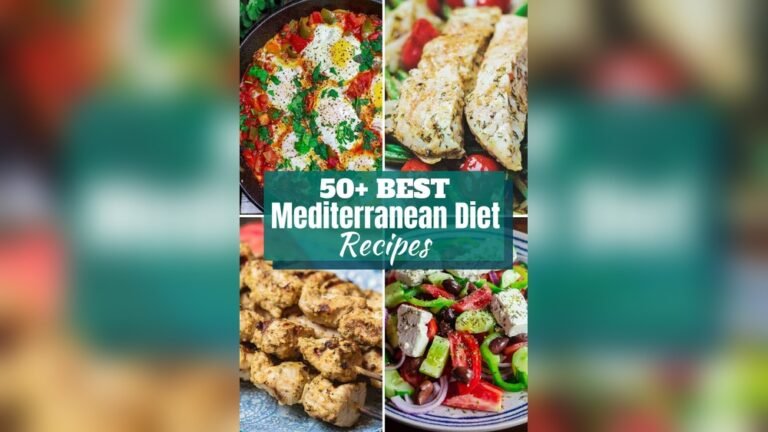
Are you ready to transform your dinner routine with meals that are both delicious and good for you? Mediterranean diet recipes for dinner offer a perfect blend of fresh vegetables, whole grains, lean proteins, and heart-healthy fats that can make your evenings something to look forward to.
Imagine savoring vibrant dishes bursting with flavor, while nourishing your body and supporting your health goals. Whether you want to lose weight, boost your energy, or simply enjoy tasty meals, these Mediterranean-inspired recipes will guide you step-by-step. Keep reading to discover easy, satisfying dinner ideas that fit your lifestyle and bring the Mediterranean’s vibrant flavors right to your table.
Mediterranean Dinner Staples
The Mediterranean diet focuses on fresh, simple, and wholesome ingredients. Dinner meals often include a variety of staples that provide nutrition and flavor. These staples form the base of many traditional Mediterranean recipes.
They emphasize plant-based foods, healthy fats, and whole grains. These ingredients help create balanced and satisfying dinners. Here are the key Mediterranean dinner staples to include in your meals.
Vegetables And Fruits
Vegetables and fruits are the heart of Mediterranean dinners. They provide vitamins, minerals, and fiber. Popular choices include tomatoes, cucumbers, peppers, spinach, and eggplant. Fresh, seasonal produce adds color and taste to every dish.
Fruits like oranges, grapes, and figs often appear as sides or desserts. Cooking methods like roasting or grilling enhance their natural flavors. These foods keep dinners light yet filling.
Whole Grains
Whole grains supply energy and important nutrients. Brown rice, quinoa, barley, and whole wheat are common. These grains offer fiber and help keep you full longer. They pair well with vegetables, legumes, and lean proteins.
Whole grain bread or pasta often accompanies Mediterranean meals. Simple cooking techniques preserve their texture and taste. Including whole grains makes dinners more balanced and wholesome.
Legumes And Nuts
Legumes such as lentils, chickpeas, and beans are key protein sources. They also provide fiber and minerals. Nuts like almonds, walnuts, and pistachios add crunch and healthy fats.
These ingredients appear in salads, stews, and side dishes. They bring variety and richness to the meal. Legumes and nuts help keep Mediterranean dinners nutritious and satisfying.
Healthy Fats
Healthy fats are essential in Mediterranean cooking. Extra virgin olive oil is the main fat used. It adds flavor and supports heart health. Olives, avocados, and fatty fish also contribute good fats.
These fats enhance the taste of vegetables and grains. Using healthy fats instead of butter or cream makes dishes lighter. They create satisfying meals that nourish the body.
Seafood And Poultry Choices
Seafood and poultry are key protein choices in the Mediterranean diet. These options offer lean, healthy nutrients that support heart health and weight management. They fit perfectly into a diet rich in vegetables, fruits, and whole grains. This section explores how to use fish and chicken wisely for dinner recipes that are both tasty and nutritious.
Fish As Primary Protein
Fish is the main protein source in many Mediterranean meals. It provides omega-3 fatty acids, which boost brain and heart health. Popular choices include salmon, sardines, and mackerel. Aim to eat fish two to three times a week. Fresh or frozen fish works well for grilling, baking, or steaming. These cooking methods keep the fish moist and flavorful.
Lean Chicken In Moderation
Chicken is eaten less often than fish in this diet. Choose lean, skinless chicken breast for the healthiest option. Limit poultry intake to about twice a week. This balance helps maintain a focus on plant-based foods and seafood. When cooking chicken, avoid frying to reduce unhealthy fats. Use chicken as a tasty, light addition to salads or vegetable dishes.
Cooking Techniques
Healthy cooking enhances the flavors and benefits of seafood and poultry. Grilling and baking preserve nutrients without adding excess fat. Poaching or steaming keeps dishes moist and delicate. Use herbs, lemon juice, and olive oil to add taste without heavy sauces. These simple techniques create meals that are light, fresh, and full of Mediterranean flavor.
Easy Recipe Ideas
Easy Mediterranean dinner recipes bring healthy eating to your table fast. These meals use simple ingredients and require little time. Perfect for busy evenings or when you want a light, fresh dinner. Try these easy ideas to enjoy the Mediterranean way of eating.
Quick Salads With Olive Oil
Salads are a staple in Mediterranean dinners. Use fresh vegetables like tomatoes, cucumbers, and peppers. Drizzle with extra virgin olive oil for flavor and health benefits. Add olives, feta cheese, or nuts for extra taste. Toss in fresh herbs such as basil or parsley. Ready in minutes, these salads are both tasty and nutritious.
Grilled Fish And Vegetables
Fish is a key protein in the Mediterranean diet. Grill fish like salmon, sea bass, or sardines with lemon and herbs. Pair with grilled vegetables such as zucchini, eggplant, and bell peppers. This meal is light, full of flavor, and easy to prepare. Perfect for a quick, healthy dinner.
One-pot Grain Bowls
Grain bowls combine whole grains, vegetables, and protein in one dish. Cook quinoa, farro, or brown rice as the base. Add roasted or fresh veggies and a protein like chickpeas or grilled chicken. Top with a drizzle of olive oil and a squeeze of lemon. One-pot meals save time and cleanup.
Legume-based Dishes
Legumes like lentils, chickpeas, and beans are vital in Mediterranean cooking. Make hearty stews or simple salads with these ingredients. Season with garlic, onions, and spices like cumin or paprika. Legume dishes provide fiber and protein. They are filling and easy to prepare for dinner.

Credit: www.purewow.com
Flavor Boosters And Dressings
Flavor boosters and dressings bring Mediterranean diet dinners to life. They add depth and brightness to simple ingredients. These small touches create big tastes without extra calories.
Using fresh herbs, tangy vinegars, and wholesome sauces enhances every bite. Each element supports the diet’s focus on natural, healthy foods. Explore these ideas to make your meals exciting and vibrant.
Herbs And Spices
Herbs like basil, oregano, and thyme are staples in Mediterranean cooking. They add fresh, aromatic notes that brighten vegetables and meats. Spices such as cumin, paprika, and coriander bring warmth and complexity. Using these liberally keeps dishes flavorful without salt or fat. Fresh herbs can be sprinkled on salads or cooked into sauces. Dried herbs and spices work well in marinades and rubs. Experiment with combinations to find your favorite flavor profiles.
Vinegars And Citrus
Vinegars like red wine, balsamic, and sherry add sharp, tangy flavors. They balance rich or oily ingredients like olive oil and cheese. Citrus juices from lemons and oranges provide bright acidity. A squeeze of lemon juice lifts seafood and vegetable dishes. Vinegars and citrus also help tenderize meats and add freshness. Use them in dressings or drizzled over grilled foods. These ingredients keep meals light and vibrant.
Healthy Sauces
Healthy sauces add moisture and flavor without unhealthy fats. Olive oil-based sauces like pesto or chimichurri are rich in heart-healthy fats. Yogurt-based sauces with garlic and herbs add creaminess with protein. Tomato-based sauces bring natural sweetness and antioxidants. Tahini sauce made from sesame seeds offers a nutty twist. These sauces complement grilled fish, roasted vegetables, or whole grains. They make Mediterranean dinners satisfying and colorful.
Meal Planning Tips
Planning your Mediterranean diet dinners can be simple and rewarding. Thoughtful meal planning helps you eat well without stress. It ensures balanced nutrition and keeps your dinners exciting. Use these meal planning tips to enjoy healthy Mediterranean meals every night.
Balancing Macronutrients
Each meal should have a good mix of carbs, protein, and fats. Whole grains like quinoa or brown rice provide complex carbs. Include healthy fats from olive oil, nuts, or avocado. Protein sources can be fish, legumes, or lean poultry. This balance keeps energy steady and supports overall health.
Batch Cooking Strategies
Cook large portions of staples like grains or beans ahead of time. Store them in the fridge or freezer for quick use. Prepare sauces or dressings in advance to add flavor fast. Batch cooking saves time and helps avoid unhealthy food choices. It makes dinner preparation faster on busy days.
Incorporating Variety
Use different vegetables, herbs, and spices in your meals. Rotate between fish, legumes, and poultry for protein diversity. Try new recipes to keep your dinners interesting and fresh. Variety in your diet improves nutrition and prevents boredom. It also helps you enjoy the true flavors of the Mediterranean.

Credit: www.delish.com
Health Benefits At Dinner
Dinner is a vital meal for nourishing the body and supporting overall health. Choosing Mediterranean diet recipes for dinner offers rich flavors and many health benefits. This diet focuses on whole foods like vegetables, fruits, whole grains, fish, and olive oil. Eating these foods at dinner helps fuel the body and promotes wellness.
Enjoying Mediterranean dishes in the evening can support weight management, heart health, and reduce belly fat. These benefits come from the diet’s balance of nutrients and healthy fats. Here are some key health benefits of Mediterranean diet recipes for dinner.
Weight Management
Meals rich in vegetables, fiber, and lean protein support feeling full longer. This helps control hunger and reduces overeating at night. Healthy fats from olive oil and nuts also aid in managing weight. The Mediterranean diet avoids processed foods and added sugars that cause weight gain. Eating balanced dinners helps keep calorie intake steady and promotes a healthy metabolism.
Heart Health
The Mediterranean diet includes heart-friendly fats like monounsaturated fats found in olive oil. These fats help lower bad cholesterol and reduce inflammation. Fish rich in omega-3 fatty acids also protect the heart and improve blood flow. Vegetables and whole grains provide antioxidants and fiber that support heart function. Regular Mediterranean dinners can help maintain healthy blood pressure and reduce the risk of heart disease.
Reducing Belly Fat
Foods high in fiber and healthy fats help reduce belly fat by improving digestion. The Mediterranean diet limits refined carbs and added sugars that cause belly fat buildup. Eating fish and plant-based proteins supports muscle growth and fat loss. Consistent Mediterranean-style dinners help balance hormones linked to belly fat. This diet encourages a healthy waistline and better overall body composition.
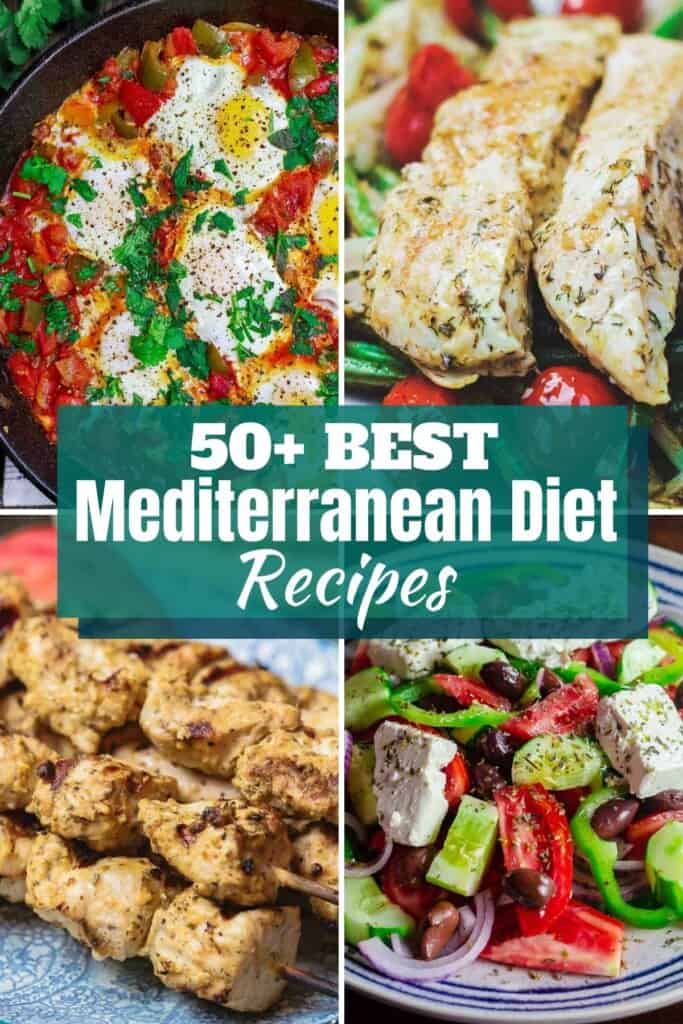
Credit: www.themediterraneandish.com
Conclusion
Mediterranean diet recipes for dinner offer tasty and healthy choices. They include fresh vegetables, whole grains, and lean proteins. These meals support heart health and weight management. Cooking with olive oil adds flavor and good fats. Try simple dishes with fish, legumes, and colorful veggies.
Eating this way feels natural and enjoyable. Small changes can make a big difference in your health. Choose Mediterranean dinners to nourish your body every day.